
Can Honeysuckle Enhance Your Garden? Expert Advice
Honeysuckle is one of gardening’s most beloved flowering plants, offering fragrant blooms, attractive foliage, and remarkable versatility across garden styles. Whether you’re designing a cottage garden aesthetic or creating privacy screens with climbing varieties, honeysuckle delivers both ornamental beauty and functional benefits. These vigorous plants attract pollinators, provide food sources for wildlife, and create stunning visual focal points that bloom from spring through summer in many regions.
The question isn’t whether honeysuckle can enhance your garden—it absolutely can—but rather which varieties suit your specific growing conditions, climate zone, and garden design goals. With over 180 species available, from delicate Japanese honeysuckle to robust trumpet varieties, there’s a perfect honeysuckle for nearly every gardener. This comprehensive guide explores how to select, plant, and maintain honeysuckle for maximum garden impact.
Understanding Honeysuckle Varieties
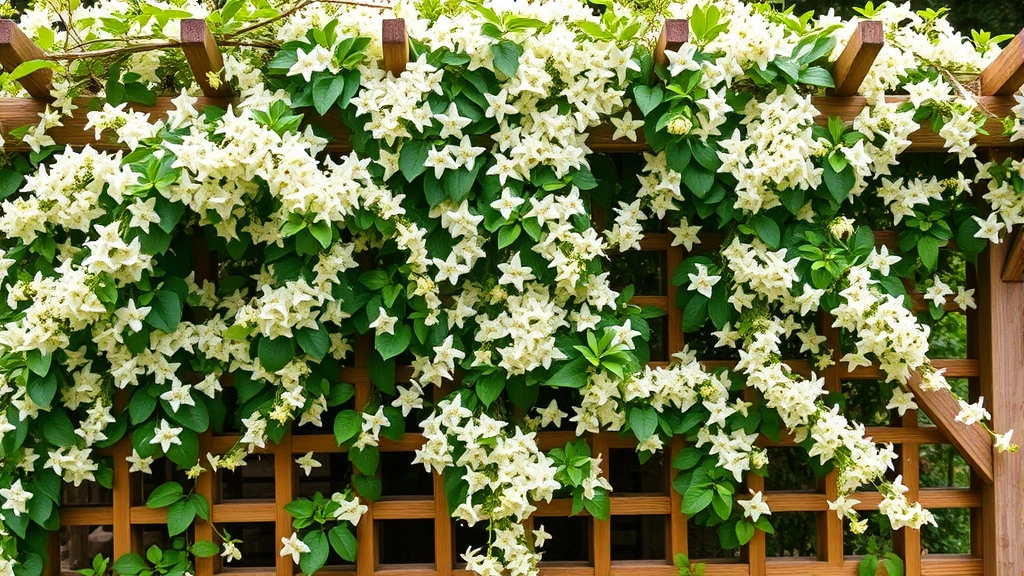
Honeysuckle plants fall into two primary categories: climbing vines and shrubby varieties. Climbing honeysuckles, including the stunning trumpet honeysuckle and Japanese honeysuckle, are perfect for trellises, arbors, and pergolas. These vigorous growers can reach 15-20 feet or more, creating lush green walls of foliage studded with tubular flowers. Shrubby honeysuckles, such as Lonicera nitida and Lonicera tatarica, work beautifully in borders, hedgerows, and mixed planting beds.
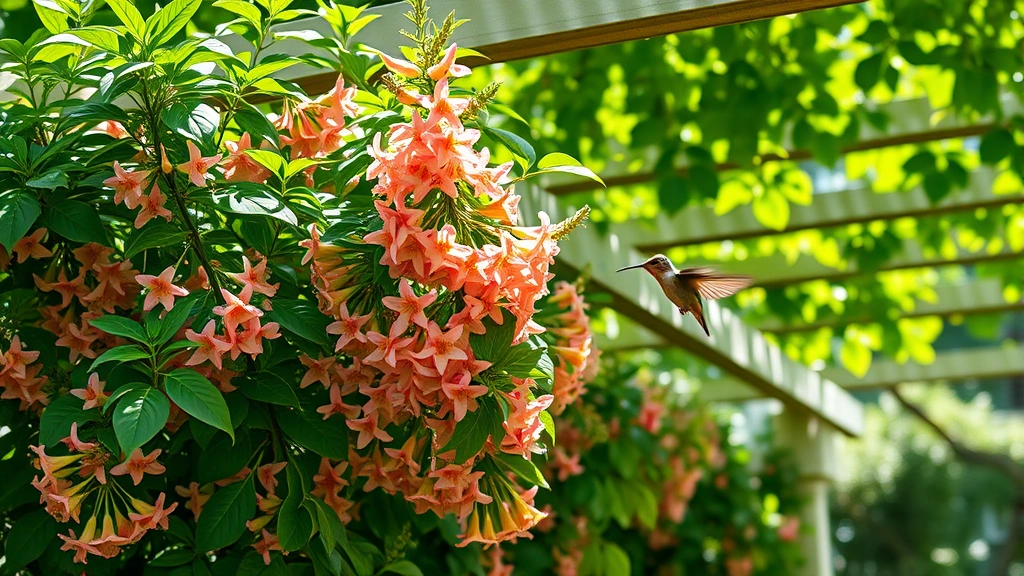
The trumpet honeysuckle (Lonicera sempervirens) is native to eastern North America and produces brilliant red-orange flowers that hummingbirds adore. This semi-evergreen climber blooms prolifically and tolerates partial shade better than many varieties. Japanese honeysuckle (Lonicera japonica) offers fragrant white and yellow flowers, though gardeners should note its aggressive growing habit requires active management in warmer climates where it can become invasive.
Hall’s honeysuckle (Lonicera japonica ‘Halliana’) provides semi-evergreen foliage and intensely fragrant blooms perfect for evening gardens. Scarlet trumpet honeysuckle offers showy red flowers without the invasiveness concerns of Japanese varieties. When selecting honeysuckle for your garden, research regional recommendations and check with local extension services to ensure you’re choosing appropriate varieties.
Climate and Growing Conditions
Honeysuckle thrives across USDA hardiness zones 4-11, depending on the specific variety. Most climbing honeysuckles prefer full sun to partial shade, requiring at least 6 hours of direct sunlight daily for optimal flowering. In hot climates (zones 9-11), afternoon shade protection prevents leaf scorch and reduces water stress during peak summer months.
Temperature fluctuations rarely pose problems for established honeysuckle plants. These hardy specimens tolerate freezing winters and hot summers equally well. However, newly planted honeysuckle benefits from winter mulching in zone 4 and colder regions during the first year after planting. Spring frosts typically don’t damage honeysuckle since these plants leaf out after frost danger passes in most regions.
Wind exposure matters more than temperature extremes. Honeysuckle planted in exposed, windy locations may experience leaf damage and reduced flowering. Providing windbreaks through strategic placement near structures or other plants creates more favorable growing conditions. Humidity levels rarely concern honeysuckle growers; these plants adapt to both humid and dry climates with minimal fuss.
Planting and Site Selection
Successful honeysuckle cultivation begins with thoughtful site selection. Choose locations where mature plants have room to spread without overwhelming nearby plantings. Climbing varieties need sturdy support structures—whether trellises, arbors, fences, or pergolas—capable of supporting their vigorous growth and weight when laden with foliage.
For climbing honeysuckle, position plants at the base of support structures with adequate spacing from competing plants. Most varieties need 3-4 feet of spacing to prevent crowding. The ideal planting time is early spring or fall when soil moisture is abundant and temperatures moderate. Spring planting works best in colder climates, allowing plants to establish roots through summer before winter dormancy.
When using honeysuckle in raised garden beds, ensure adequate space for root expansion and climbing support structures. In mixed border plantings, position honeysuckle where its vertical growth won’t shade shade-sensitive neighbors. Container planting is possible for compact varieties; select containers at least 18 inches deep with drainage holes.
Dig planting holes twice as wide as the root ball and equally deep. Gently loosen root-bound plants by making vertical cuts in the root mass. Position plants so the top of the root ball aligns with soil level—neither buried nor raised above ground. Backfill with native soil mixed with 20-30% compost, creating a slight basin to hold water.
Soil Preparation and Setup
Honeysuckle tolerates diverse soil types but performs best in well-draining soil rich in organic matter. Before planting, amend heavy clay soils with peat moss, aged compost, or coconut coir to improve drainage. Sandy soils benefit from organic matter incorporation to increase water and nutrient retention. The ideal soil pH ranges from 6.0-7.5, though honeysuckle adapts to slightly alkaline conditions.
Work organic amendments 8-12 inches deep into the planting area, mixing thoroughly with existing soil. This creates favorable conditions for root establishment and long-term growth. For urban garden applications where space is limited, honeysuckle performs admirably in containers filled with quality potting soil amended with perlite for drainage.
Mulching around newly planted honeysuckle conserves moisture and moderates soil temperature. Apply 2-3 inches of organic mulch—shredded bark, wood chips, or aged compost—keeping mulch 4-6 inches away from plant stems to prevent rot. Maintain mulch layers throughout the growing season, replenishing as organic matter breaks down.
Watering and Feeding
Newly planted honeysuckle requires consistent moisture for the first growing season as roots establish. Water deeply 2-3 times weekly during dry spells, providing 1-2 inches of water per week. Once established (after year one), honeysuckle tolerates moderate drought but flowers more prolifically with regular moisture. During extended dry periods, supplement rainfall with deep watering every 7-10 days.
Fertilizing honeysuckle promotes vigorous growth and abundant flowering. Apply balanced, slow-release fertilizer (10-10-10 or similar) in early spring as new growth emerges. For rapid growth on climbing varieties used for screening, a second application in early summer encourages dense foliage. Avoid high-nitrogen fertilizers, which promote leafy growth at flowering expense.
Organic gardeners can apply compost top-dressing annually in spring, or use fish emulsion every 3-4 weeks during the growing season. Honeysuckle rarely shows nutrient deficiency symptoms; excessive fertilizing creates overly vigorous growth requiring more frequent pruning. Allow established honeysuckle to find equilibrium with your soil’s natural fertility.
Pruning and Training
Pruning shapes honeysuckle growth, encourages bushier forms, and maintains plant vigor. For climbing varieties, prune in late winter or early spring before new growth emerges. Remove dead wood, thin crowded stems, and cut back excessively long canes to promote branching. This annual pruning prevents tangled masses and ensures flower production on accessible portions of the plant.
To encourage horizontal growth on climbing honeysuckle, gently train stems along support structures as they develop. Tying stems to trellises or arbors at angles promotes branching and fuller coverage. Vertical stems produce fewer lateral branches; horizontal training maximizes flowering sites. Use soft plant ties or strips of cloth to avoid girdling tender stems.
Shrubby honeysuckle varieties benefit from annual pruning to maintain compact, attractive forms. Prune immediately after flowering concludes, removing one-third of the oldest canes at ground level. This renewal pruning rejuvenates plants and encourages dense branching. Avoid pruning in late fall, which stimulates tender new growth vulnerable to frost damage.
For overgrown, neglected honeysuckle, renovation pruning restores vigor. Cut climbing varieties back to 12-18 inches above ground in early spring, removing all dead wood. Shrubby varieties can be cut back similarly, though this approach eliminates flowers for one season. Growth returns quickly; by midsummer, vigorous new shoots emerge.
Common Pests and Diseases
Honeysuckle enjoys remarkable pest and disease resistance, making it an excellent low-maintenance plant choice. Aphids occasionally colonize tender new growth, causing leaf distortion and sticky honeydew residue. Spray affected plants with forceful water streams to dislodge aphids, or apply insecticidal soap if populations persist. Natural predators like ladybugs typically control aphid populations without intervention.
Powdery mildew appears as white coating on leaves during humid conditions with poor air circulation. Thin crowded stems to improve air flow, removing affected leaves if necessary. Sulfur fungicide applications control severe infections, applied according to label directions. Prevent recurrence by avoiding overhead watering and maintaining adequate plant spacing.
Leaf spots caused by fungal pathogens occasionally appear, especially on Japanese honeysuckle varieties in humid climates. Remove affected leaves and improve air circulation through judicious pruning. Fungicide applications are rarely necessary; most infections remain cosmetic. Missouri Botanical Garden provides excellent resources for identifying and managing honeysuckle diseases.
Spider mites thrive in hot, dry conditions, causing stippled, yellowing foliage. Regular misting and maintaining consistent soil moisture deter spider mites. Forceful water sprays remove mites from plants. Systemic insecticides provide control if populations explode, though established honeysuckle typically outgrows mite damage through vigorous growth.
Design Integration
Honeysuckle integrates beautifully into diverse garden styles, from formal designs to wild cottage gardens. Climbing varieties trained on sturdy garden structures create vertical interest and focal points. Honeysuckle-covered arbors frame garden entrances elegantly, while trellis-trained plants soften hard architectural lines on fences and walls.
In cottage garden settings, honeysuckle mingles with roses, clematis, and other climbing companions for layered color and fragrance. Plant honeysuckle near seating areas where evening fragrance can be appreciated fully. The intoxicating scent of Hall’s honeysuckle creates memorable sensory experiences for garden visitors.
Shrubby honeysuckle varieties serve multiple design functions. Use them as informal hedging in mixed borders, mass them for screening, or position individual specimens as focal points. Their semi-evergreen foliage provides winter structure while spring blooms offer early-season color. Combining different honeysuckle varieties extends bloom periods from spring through summer.
For wildlife gardens, honeysuckle attracts hummingbirds, bees, and beneficial insects while providing berries for songbirds. Position honeysuckle where you can observe visiting wildlife; the constant activity becomes a garden highlight. Audubon Society recommends native honeysuckle species for supporting regional wildlife populations.
Honeysuckle combines excellently with herb garden designs, creating fragrant, pollinator-rich environments. The tall growth habit provides shelter for delicate herbs while attracting beneficial insects. In small urban spaces, container-grown honeysuckle creates vertical gardens that maximize limited planting areas.
Consider honeysuckle for garden protection applications; dense growth discourages unwanted wildlife while supporting beneficial species. Train honeysuckle on fencing to create living barriers that are more attractive than bare fence lines.
FAQ
Is honeysuckle invasive in my region?
Some honeysuckle species, particularly Japanese honeysuckle, become invasive in warm, moist climates. Check with your local extension service or native plant society before planting. Native varieties like trumpet honeysuckle offer beautiful alternatives without invasiveness concerns.
How long does honeysuckle take to flower after planting?
Most honeysuckle varieties flower within the first year after planting, though blooms may be limited. Established plants produce abundant flowers by year two or three as root systems develop fully.
Can I grow honeysuckle in shade?
While honeysuckle prefers full sun, many varieties tolerate partial shade, flowering adequately with 4-6 hours of direct sunlight. Flowering intensity decreases in deep shade; choose shade-tolerant varieties like trumpet honeysuckle.
What’s the best fertilizer for honeysuckle?
Balanced fertilizers (10-10-10) applied in spring promote healthy growth and flowering. Avoid high-nitrogen formulations that encourage excessive leafy growth. Compost applications provide slow, steady nutrients without chemical supplements.
How often should I prune honeysuckle?
Prune climbing honeysuckle annually in late winter, removing dead wood and thinning crowded growth. Shrubby varieties benefit from pruning immediately after flowering. Light maintenance pruning throughout the growing season manages growth direction and maintains attractive form.
Why isn’t my honeysuckle flowering?
Insufficient sunlight is the primary cause of poor flowering. Ensure plants receive at least 6 hours of direct sun daily. Excessive nitrogen fertilizer also suppresses flowering; reduce fertilizer applications. Newly planted honeysuckle may require 1-2 seasons to flower prolifically.
Can honeysuckle grow in containers?
Compact honeysuckle varieties thrive in containers at least 18 inches deep. Choose dwarf cultivars and provide regular watering since container plants dry quickly. Container honeysuckle requires more frequent feeding than in-ground plants.
What companions grow well with honeysuckle?
Clematis, climbing roses, jasmine, and ivy create beautiful combinations with honeysuckle. At ground level, shade-tolerant perennials like hostas and ferns thrive beneath climbing honeysuckle canopies. Avoid planting aggressive spreaders that compete with honeysuckle roots.


