Can Honeysuckle Enhance Your Garden? Expert Insights
Honeysuckle stands as one of the most versatile and rewarding additions to any garden landscape. With its intoxicating fragrance, vibrant blooms, and remarkable ability to attract pollinators, honeysuckle can transform your outdoor space into a thriving ecosystem. Whether you’re designing a cottage garden, creating privacy screens, or simply seeking to enhance your garden’s aesthetic appeal, honeysuckle offers solutions that combine beauty with practical functionality.
The question isn’t whether honeysuckle can enhance your garden—it’s how to choose the right variety and cultivate it properly for maximum impact. This comprehensive guide explores expert insights on growing honeysuckle, addressing common challenges and revealing the secrets to establishing a flourishing honeysuckle garden that blooms abundantly year after year.
Understanding Honeysuckle Varieties
Honeysuckle encompasses numerous species and cultivars, each with distinct characteristics that influence how they perform in garden settings. The most popular varieties include Japanese honeysuckle, trumpet honeysuckle, and woodbine honeysuckle, each offering unique advantages for different gardening situations.
Japanese Honeysuckle (Lonicera japonica) is renowned for its exceptional vigor and fragrant white and yellow flowers. This variety thrives in diverse climates and demonstrates remarkable resilience, making it ideal for gardeners seeking low-maintenance solutions. However, its aggressive growth habit requires careful management to prevent it from overwhelming neighboring plants.
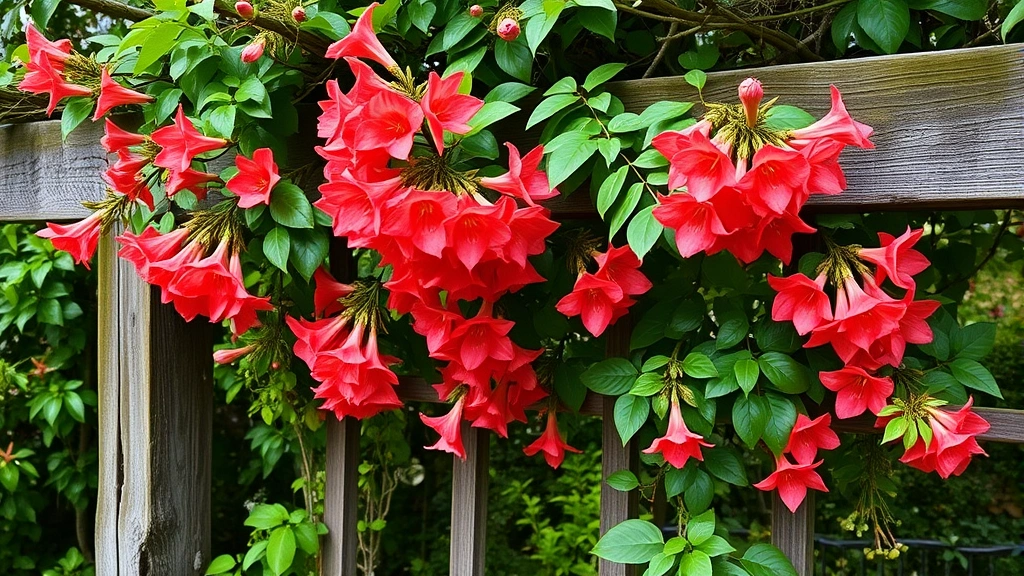
Trumpet Honeysuckle (Lonicera sempervirens) produces stunning tubular red or coral flowers that hummingbirds find irresistible. This native American species offers semi-evergreen foliage and performs exceptionally well in southeastern regions, making it perfect for creating wildlife-friendly garden spaces that support local ecosystems.
Woodbine Honeysuckle (Lonicera periclymenum) brings European charm with its fragrant, pale yellow blooms and distinctive red berries. This deciduous variety thrives in cooler climates and pairs beautifully with traditional garden designs, particularly when grown on trellises or arbors.
Lesser-known varieties like Hall’s honeysuckle and Italian honeysuckle offer additional options for specific growing conditions. Consulting with local horticultural societies helps identify the best-performing varieties in your region, ensuring superior results.
Ideal Growing Conditions
Successfully growing honeysuckle begins with understanding its environmental preferences. Most honeysuckle varieties demonstrate remarkable adaptability, thriving in conditions that would challenge many ornamental plants. However, optimizing these conditions significantly enhances flowering abundance and plant vigor.
Sunlight Requirements
Honeysuckle performs best in full sun, receiving at least six to eight hours of direct sunlight daily. While many varieties tolerate partial shade, flowering becomes sparse in shadier locations. Morning sun exposure proves particularly beneficial, as it dries dew and reduces fungal disease susceptibility. When positioning honeysuckle near garden shade cloth or other structures, ensure the plant receives adequate light exposure for optimal blooming.
Soil Composition
Honeysuckle adapts to various soil types, from sandy loam to clay-based soils, though well-draining, slightly acidic to neutral soil produces the most vigorous growth. Incorporating organic matter like compost or aged manure improves soil structure and nutrient availability. Honeysuckle tolerates poor soils better than many plants, making it excellent for challenging garden locations where other ornamentals struggle.
Moisture Management
Establishing consistent moisture during the first growing season proves critical for developing deep root systems. Once established, most honeysuckle varieties demonstrate excellent drought tolerance, making them suitable for water-conscious gardens and rain garden plants applications. During extended dry periods, supplemental watering prevents stress and maintains flowering vigor.
Planting Your Honeysuckle
Proper planting technique establishes the foundation for long-term honeysuckle success. Spring and fall represent optimal planting windows, allowing roots to establish before extreme seasonal temperatures arrive.
Site Selection and Preparation
Choose locations that align with your honeysuckle variety’s light requirements and provide adequate space for mature growth. Consider vertical growth potential when planning placements near wrought iron garden table sets or seating areas, as mature vines may shade these spaces. Clear existing vegetation and weeds from the planting area, then amend soil with compost to establish a nutrient-rich planting bed.
Planting Process
Dig a hole twice as wide as the root ball and equally deep. Position the honeysuckle so the soil line matches the nursery container level—planting too deeply stresses the plant and promotes root rot. Backfill with amended soil, gently firming to eliminate air pockets. Water thoroughly after planting to settle soil and establish root contact.
Support Structure Installation
Install trellises, arbors, or other support structures before or immediately after planting. This prevents root disturbance during later installations and allows the honeysuckle to climb naturally from the beginning. Ensure structures are sturdy enough to support mature vine weight, which can be substantial on vigorous varieties.
Maintenance and Care
Watering Schedules
Young honeysuckle plants require consistent moisture during their first growing season. Water deeply one to two times weekly, adjusting frequency based on rainfall and soil moisture. Once established, reduce watering frequency, allowing soil to dry slightly between waterings. Drip irrigation systems provide efficient, consistent moisture delivery while minimizing fungal disease risks.
Fertilization Strategy
Honeysuckle generally requires minimal fertilization, particularly in nutrient-rich soils. Apply balanced, slow-release fertilizer in early spring as new growth emerges. Over-fertilization promotes excessive vegetative growth at the expense of flowering, so restraint proves beneficial. Organic fertilizers like fish emulsion or bone meal support gentle, sustainable nutrition.
Pruning and Training
Strategic pruning maintains plant shape, encourages branching, and promotes flowering. Prune immediately after flowering concludes, removing dead wood and crossing stems. Light pruning throughout the growing season directs growth along support structures and prevents tangled growth patterns. Severe pruning, while tolerated by honeysuckle, should occur during dormancy to minimize flowering disruption.
Seasonal Considerations
Spring brings rapid growth and flowering initiation, requiring attentive watering and pruning. Summer maintenance focuses on training growth and managing pest issues. Fall allows gradual preparation for dormancy, with reduced fertilization and watering. Winter dormancy varies by variety; evergreen types require minimal intervention, while deciduous varieties can receive heavy pruning during this period.
Maximizing Garden Integration
Honeysuckle’s versatility extends beyond simple plant placement. Strategic integration creates cohesive garden designs that maximize visual impact and functional benefits.
Creating Privacy Screens
Fast-growing honeysuckle varieties establish effective privacy screens when trained on sturdy structures. Spacing plants eighteen to twenty-four inches apart along fence lines or pergolas creates dense coverage within two to three seasons. This approach proves more cost-effective than traditional fencing while providing the added benefits of flowers, fragrance, and wildlife habitat.
Establishing Pollinator Gardens
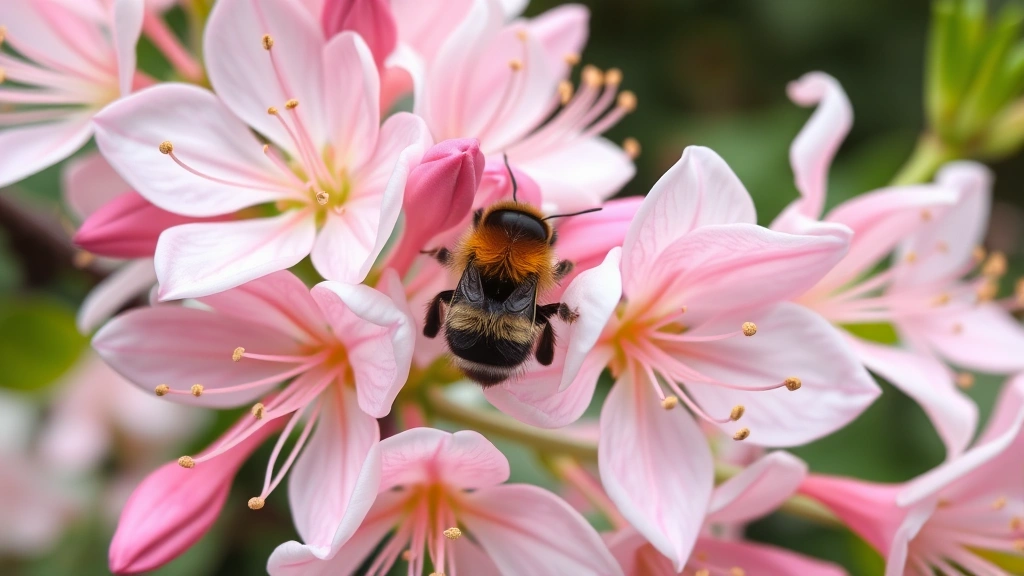
Honeysuckle’s abundant nectar and pollen attract bees, butterflies, and hummingbirds, making it essential for pollinator-focused gardens. Combining honeysuckle with complementary flowering plants extends the bloom season and creates diverse food sources throughout the growing period. This approach supports local ecosystems while ensuring productive fruit and vegetable gardens.
Garden Seating and Ambiance
Position honeysuckle near seating areas like garden furniture rocking chairs or garden table and chairs round configurations to create intimate outdoor rooms. Flowering honeysuckle overhead provides dappled shade while releasing intoxicating fragrance—particularly valuable during evening hours when fragrance intensifies. This creates welcoming spaces for outdoor entertaining and relaxation.
Vertical Gardening Solutions
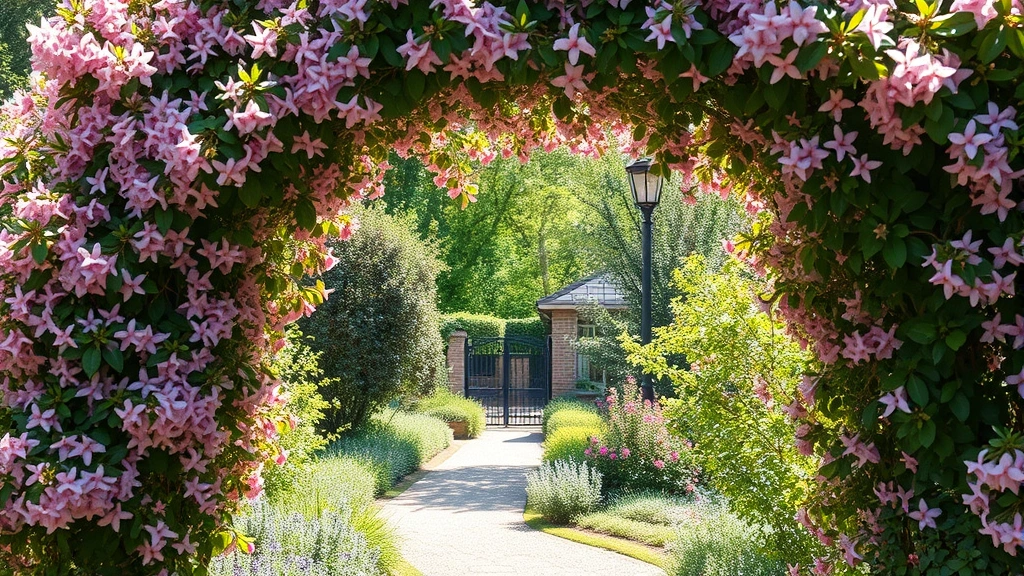
Honeysuckle excels in vertical applications, utilizing wall space, arbors, and garden stepping stones pathways without consuming valuable ground space. This approach proves particularly valuable in small gardens where horizontal space is limited. Vertical honeysuckle gardens create visual interest while maximizing plant density.
Common Problems and Solutions
Pest Management
Honeysuckle generally demonstrates excellent pest resistance, though aphids occasionally colonize new growth. Spray affected areas with forceful water streams or apply insecticidal soap for severe infestations. Japanese beetles sometimes feed on foliage; hand-picking or using pheromone traps effectively controls small populations. Regular monitoring enables early intervention before pest populations become problematic.
Disease Prevention
Powdery mildew occasionally affects honeysuckle, particularly in humid conditions with poor air circulation. Improve air flow through strategic pruning and avoid overhead watering. Fungal sprays containing sulfur or neem oil address established infections. Proper spacing between plants and regular removal of fallen leaves minimize disease pressure.
Growth Control
Vigorous honeysuckle varieties require active management to prevent overwhelming neighboring plants. Regular pruning, removal of runners, and strategic cutting back maintain desired plant size and appearance. Containing growth proves easier with consistent intervention than attempting to control severely overgrown plants.
Bare-Bottom Stems
Mature honeysuckle vines sometimes develop bare lower stems with foliage concentrated at the top. Hard pruning during dormancy, cutting back to twelve to eighteen inches above ground, stimulates dense basal branching and rejuvenates appearance. This severe approach takes one season to achieve full recovery but dramatically improves plant aesthetics.
FAQ
How long does honeysuckle take to bloom after planting?
Most honeysuckle varieties produce flowers within the first year of planting, though flowering becomes progressively more abundant in subsequent seasons. Young plants direct energy toward root and shoot development, so first-year blooming may be modest. By year two and three, established plants produce abundant flowers throughout the growing season.
Can honeysuckle grow in containers?
Yes, honeysuckle thrives in large containers, particularly dwarf or less vigorous varieties. Use well-draining potting soil and containers at least eighteen inches in diameter. Container-grown honeysuckle requires more frequent watering and fertilization than ground-planted specimens but offers flexibility for seasonal repositioning and climate control.
Is honeysuckle invasive?
Some honeysuckle varieties, particularly Japanese honeysuckle, demonstrate invasive tendencies in certain regions. Check with USDA resources and local extension offices regarding species recommendations for your area. Native varieties and less aggressive cultivars provide beautiful alternatives without invasion concerns.
What’s the best time to prune honeysuckle?
Prune honeysuckle immediately after flowering concludes, typically midsummer depending on variety. This timing allows new growth to mature before winter dormancy. Light pruning and training can occur throughout the growing season, but avoid heavy pruning during active blooming periods.
How do I encourage more flowers on honeysuckle?
Maximize flowering by ensuring adequate sunlight (six to eight hours daily), avoiding excessive nitrogen fertilization, and maintaining consistent moisture during the growing season. Regular pruning of old wood encourages vigorous new growth that produces abundant flowers. Proper support structures direct growth efficiently, improving overall flowering.
Can honeysuckle survive cold winters?
Most honeysuckle varieties demonstrate excellent cold hardiness, with many surviving temperatures well below zero Fahrenheit. Select varieties appropriate for your USDA hardiness zone by consulting USDA Plant Hardiness Zone Map resources. Proper site selection and establishment care improve cold tolerance further.
What companion plants pair well with honeysuckle?
Honeysuckle pairs beautifully with clematis vines, climbing roses, and flowering perennials like delphiniums and salvias. At ground level, shade-tolerant hostas, hellebores, and ferns complement honeysuckle’s vertical growth. These combinations create layered garden designs with extended bloom seasons and diverse visual textures.


