
Explore Ho’omaluhia: Visitor’s Experience Guide
Ho’omaluhia Botanical Garden, nestled in the windward Ko’olau Mountains of Oahu, Hawaii, stands as one of the most breathtaking botanical destinations in the Pacific. This 400-acre public garden showcases an extraordinary collection of tropical plants from around the world, set against the dramatic backdrop of the Ko’olau pali cliffs. Whether you’re a seasoned gardener seeking inspiration or a casual visitor looking for natural beauty, Ho’omaluhia offers an immersive experience that celebrates horticultural excellence and environmental stewardship.
The garden’s name means “to make a place of peace and abundance,” and visitors immediately understand why upon arrival. The expansive landscape features themed garden sections, peaceful walking paths, and scenic vistas that rival any botanical institution globally. From rare tropical fruit collections to native Hawaiian plants, Ho’omaluhia serves as both a recreational paradise and an educational resource for understanding plant diversity and sustainable growing practices.
Planning Your Visit
Ho’omaluhia Botanical Garden welcomes visitors year-round, though understanding seasonal patterns enhances your experience significantly. The garden operates daily from 9 AM to 4 PM, with free admission making it accessible to everyone. Located in Kaneohe on Oahu’s windward side, the garden is approximately 30 minutes from downtown Honolulu via the Pali Highway and Kamehameha Highway.
The best time to visit depends on your priorities. Winter months (November through March) bring cooler temperatures and occasional rainfall that keeps the landscape lush and vibrant. Summer visitors enjoy drier conditions and extended daylight hours, though afternoon showers remain common in Hawaii’s tropical climate. The garden’s elevation of 200 feet provides natural cooling compared to lower coastal areas.
Arrive early in the day to avoid crowds and experience the garden when lighting is optimal for photography. The parking area accommodates over 100 vehicles, and facilities include restrooms and picnic areas. Bring plenty of water, as the walking paths can extend 2-3 miles depending on your route through the garden sections.
Garden Sections and Collections
The botanical garden is organized into distinct themed areas, each showcasing specific plant families and growing conditions. The Entrance Garden features climbing roses and ornamental plants that create an inviting first impression. This section demonstrates how tropical flowering plants can be integrated into landscape design, offering ideas for visitors interested in garden decor and aesthetic plantings.
The Fruit and Spice Garden represents one of the most educational sections, displaying mango varieties, avocado cultivars, cacao plants, vanilla orchids, and numerous tropical fruits. Many plants here would thrive in similar climates to those featured in guides about growing edible plants, demonstrating the connection between ornamental and productive gardening. Visitors learn how tropical fruits develop and the conditions necessary for successful cultivation.
The Native Hawaiian Plant Collection focuses on preserving and promoting indigenous species that sustained Hawaiian culture for centuries. This section emphasizes the importance of gardening with native plants for ecological stability and cultural preservation. Species like ‘ōhi’a lehua, koa, and various native ferns demonstrate the remarkable adaptation of Hawaiian flora to diverse microclimates.
The Ethnobotanical Garden showcases plants used historically by Hawaiian and other Pacific Island cultures for food, medicine, and materials. This educational approach helps visitors understand how plants supported traditional lifestyles and continues to inspire sustainable gardening practices worldwide.
Tropical Plants and Native Species
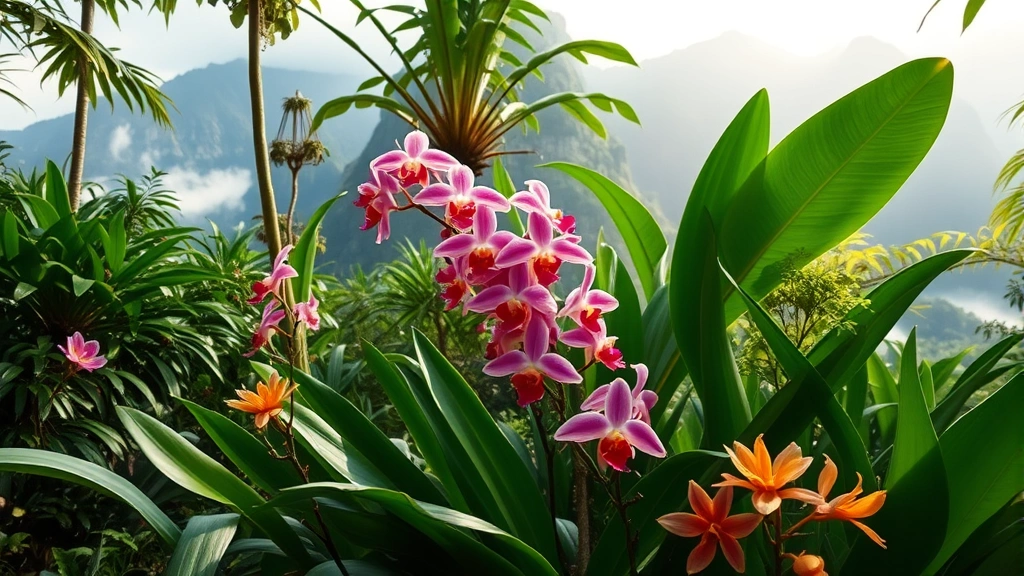
Ho’omaluhia’s collection represents one of the most comprehensive assemblies of tropical plants in North America. The garden maintains over 6,500 plants representing more than 2,000 species from tropical regions globally. Visitors encounter stunning orchids, bromeliads, tropical gingers, heliconia, birds of paradise, and countless others thriving in Hawaii’s ideal climate.
The orchid displays are particularly impressive, with species adapted to various light and moisture conditions. These epiphytic plants, which grow naturally on trees in tropical rainforests, demonstrate specialized adaptations that fascinate both casual visitors and serious gardeners. The garden’s humid windward location provides perfect conditions for these moisture-loving plants.
Tropical herbs and aromatic plants throughout the garden include species like those mentioned in guides about growing mint and other culinary herbs. While Hawaii’s climate differs from temperate regions, many of the same principles about herb cultivation apply, and visitors gain inspiration for expanding their own kitchen gardens.
The native Hawaiian section deserves special attention from gardeners interested in sustainable practices. These plants evolved without human intervention for thousands of years, developing remarkable resilience to local pests, diseases, and weather patterns. Their presence in a botanical garden context demonstrates how native species can be integrated into designed landscapes while maintaining ecological integrity.
Activities and Experiences
Beyond walking and observing plants, Ho’omaluhia offers several enriching activities. Guided tours led by knowledgeable horticulturists provide deeper understanding of plant families, growing requirements, and cultural significance. These educational programs suit all ages and experience levels, from children discovering plants for the first time to experienced gardeners seeking specialized knowledge.
The garden frequently hosts workshops covering topics like tropical fruit cultivation, orchid care, native plant propagation, and sustainable gardening practices. These hands-on learning opportunities connect visitors with expert horticulturists and fellow plant enthusiasts, creating a community of garden-focused individuals.
Picnicking is encouraged throughout the garden, with designated areas providing peaceful settings surrounded by botanical beauty. Many visitors bring lunch and spend entire afternoons exploring different sections at leisurely pace. The garden’s expansive lawns and shaded areas accommodate families, photographers, and contemplative visitors alike.
The peaceful environment makes Ho’omaluhia popular for meditation, yoga, and nature-based wellness activities. The dramatic Ko’olau backdrop creates a serene atmosphere that promotes relaxation and connection with natural systems, benefits increasingly recognized by horticultural therapy practitioners.
Practical Tips for Visitors
Wear comfortable walking shoes with good traction, as some paths can be muddy following rain. The windward side receives more precipitation than Honolulu’s leeward areas, so carrying a light rain jacket is wise even during drier seasons. Waterproof bags protect cameras and valuables during unexpected showers.
Apply sunscreen generously, as Hawaii’s tropical sun is intense despite cloud cover. Mosquitoes are present, particularly near water features and during dawn/dusk hours, so consider insect repellent. The garden’s elevation and gentle breezes usually keep conditions comfortable, but hydration remains essential during extended visits.
Bring binoculars for birdwatching, as the garden attracts numerous native and introduced bird species. Photography enthusiasts should plan for soft morning light that illuminates plants beautifully without harsh shadows. The backdrop of the Ko’olau cliffs provides stunning compositional elements throughout the garden.
Consider visiting during weekdays if possible, as weekend crowds can diminish the peaceful experience. However, weekend visits often feature special programs and demonstrations that enhance educational value. Check the garden’s website before visiting to learn about scheduled events, seasonal displays, and any temporary closures.
Allow at least two to three hours for a meaningful visit, though many visitors spend entire days exploring different sections repeatedly. The garden’s size means you can experience different areas on successive visits without repetition, making it suitable for both tourists and local residents seeking regular nature exposure.
Best Photography Locations
The main valley vista near the entrance provides the iconic Ho’omaluhia photograph, with the Ko’olau pali creating a dramatic backdrop for garden foreground elements. Early morning light creates soft, diffused illumination perfect for plant detail photography while maintaining landscape context.
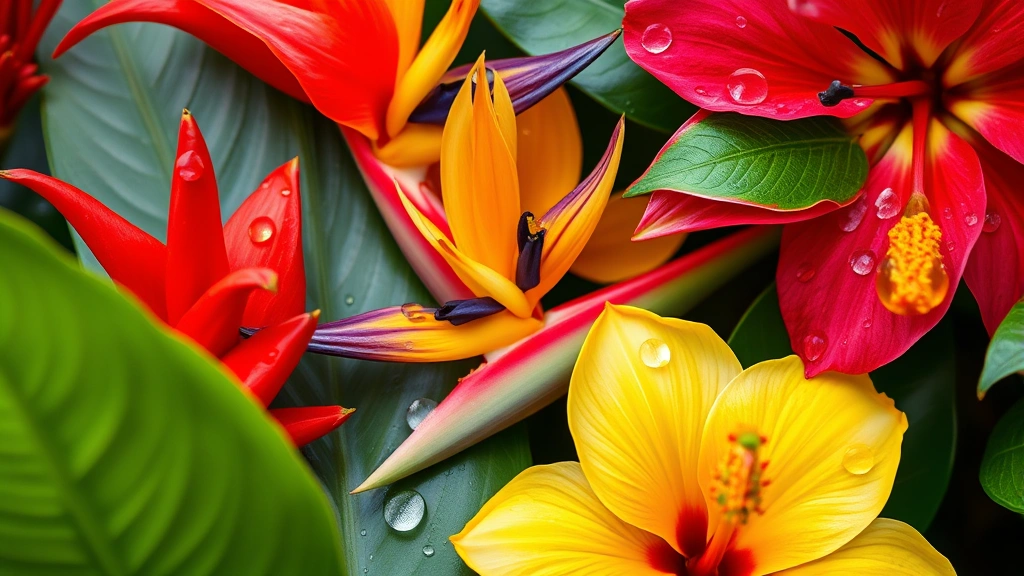
The orchid and bromeliad sections offer close-up photography opportunities with vibrant colors and intricate structures. Macro lenses reveal fascinating plant details like flower reproductive structures and leaf textures. The diversity of forms and colors ensures endless compositional possibilities.
Water features throughout the garden, including ponds and streams, provide reflective surfaces that add compositional depth. The interplay of water, plants, and rock creates dynamic scenes that capture the garden’s design philosophy of integrating natural and cultivated elements.
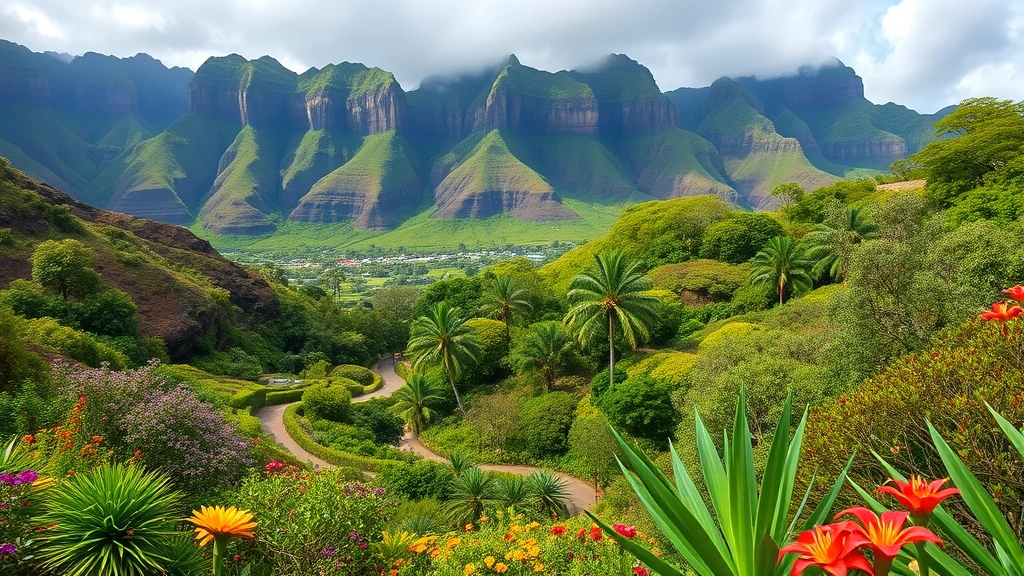
The fruit and spice garden offers colorful subject matter, from ripening mangoes to red ginger flowers. Wide-angle shots capturing the garden’s scale and Ko’olau backdrop convey the overwhelming sense of abundance visitors experience. Portrait-style photography with visitors among towering tropical plants captures the human experience of botanical gardens.
FAQ
Is there an entrance fee to Ho’omaluhia Botanical Garden?
No, admission is completely free. The garden is maintained by the City and County of Honolulu, making it accessible to all visitors regardless of budget. Donations support maintenance and educational programs.
Can I bring children to the garden?
Absolutely. Ho’omaluhia is family-friendly with accessible pathways suitable for strollers and young walkers. The garden provides educational opportunities that engage children with nature while offering safe, peaceful environments for family activities.
Are dogs allowed in the garden?
Leashed dogs are permitted on pathways but must be kept under control. The garden asks visitors to be respectful of other guests and to clean up after pets. Dogs provide companionship for many visitors enjoying extended garden walks.
What is the best season to visit Ho’omaluhia?
Each season offers unique advantages. Winter months provide lush growth and cooler temperatures, while summer offers extended daylight and drier conditions. Spring showcases abundant flowering, and fall brings fruiting displays. Year-round visiting reveals how tropical plants cycle through seasons in Hawaii’s relatively stable climate.
Can I purchase plants at Ho’omaluhia?
The garden does not operate a plant nursery or gift shop. However, many plants displayed are available through local nurseries and online retailers. The garden serves as inspiration for identifying plants you’d like to grow in your own garden or landscape.
How long does a typical visit take?
Most visitors spend 2-3 hours exploring major sections. Shorter visits focusing on specific areas take 1-1.5 hours, while comprehensive exploration of all sections can extend to 4-5 hours. The garden’s size accommodates visits of any duration based on your interests and pace.
Are there restroom facilities available?
Yes, restroom facilities are located near the visitor parking area. Water fountains provide hydration throughout the garden, though bringing your own water bottle is recommended for extended visits.
What educational resources does the garden provide?
The garden offers guided tours, workshops, and educational programs throughout the year. Plant identification markers throughout the garden provide botanical and cultural information. The staff can answer questions about specific plants and their cultivation requirements.
Can I use professional photography equipment at Ho’omaluhia?
Yes, but commercial photography or filmmaking requires special permits. Amateur and personal photography is encouraged. The garden’s natural beauty makes it a photographer’s paradise, and many visitors return regularly to capture seasonal changes and different lighting conditions.
How do I get to Ho’omaluhia from Honolulu?
Take the Pali Highway north from downtown Honolulu, then continue on Kamehameha Highway toward Kaneohe. The garden entrance is well-marked in the Kaneohe area. GPS coordinates and detailed directions are available on the garden’s official website and major mapping applications.