A hidden garden represents one of the most enchanting design concepts in modern landscaping—a secluded sanctuary that rewards discovery with beauty, tranquility, and intimate plant experiences. Whether you’re working with a small urban backyard or sprawling suburban property, creating a hidden garden transforms underutilized spaces into personal retreats that feel removed from the everyday world. These gardens thrive on mystery and gradual revelation, using strategic plantings, architectural elements, and thoughtful design to create rooms within your landscape.
The appeal of hidden gardens lies in their ability to engage all senses while providing psychological restoration. Unlike traditional open gardens, hidden spaces invite exploration and create moments of surprise—a bench nestled behind flowering shrubs, a water feature glimpsed through dense foliage, or a fragrant herb corner accessible only through a narrow pathway. This design philosophy draws inspiration from historic estates and Japanese garden traditions, where concealment and discovery form the foundation of aesthetic experience.
Understanding Hidden Garden Principles
Hidden gardens operate on fundamental design principles that differentiate them from conventional landscape layouts. The primary concept involves controlled sightlines—strategically limiting what visitors can see from any single vantage point. Rather than revealing the entire garden at once, expert designers create visual barriers using vegetation, structures, and topography changes. This approach transforms a modest space into something that feels infinitely larger because the eye cannot encompass it completely.
The principle of layering extends beyond visual depth to include temporal discovery. A hidden garden might feature spring-blooming bulbs in early season, summer perennials at peak growth, and autumn foliage drama as temperatures cool. This sequential revelation keeps the space fresh and inviting across all seasons. Consider how indoor herb gardens can complement your hidden outdoor spaces by providing year-round interest.
Another essential principle involves threshold creation—designing distinct entry points that signal transition from one garden room to another. Thresholds might include archways, gates, changes in paving materials, or shifts in elevation. These psychological markers enhance the sense of discovery and make even small gardens feel like multiple distinct destinations.
Creating Layered Privacy and Enclosure
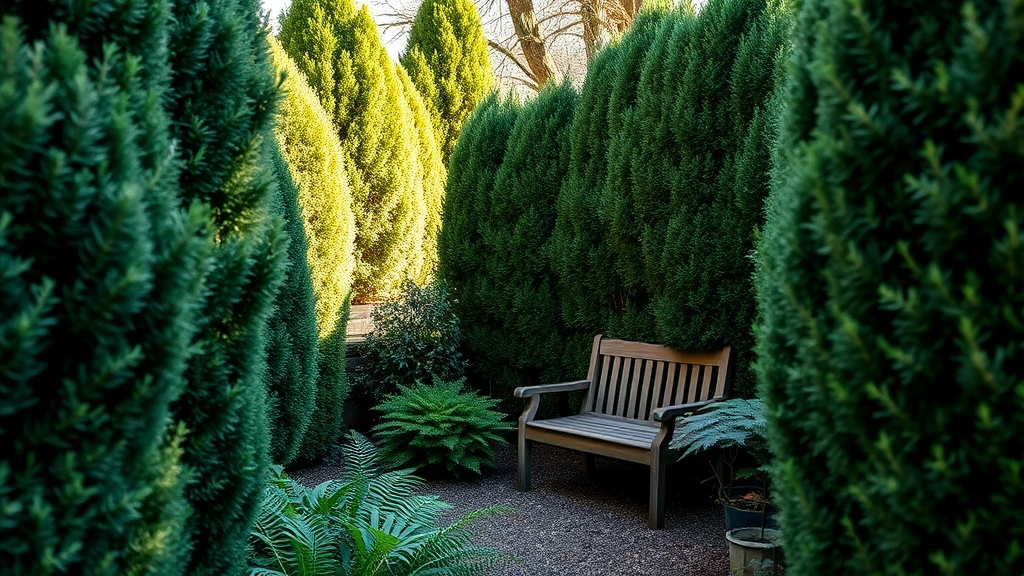
Privacy forms the foundation of any successful hidden garden design. Without proper enclosure, even the most beautifully planted space loses its sense of seclusion and sanctuary. Living walls using hedging plants provide excellent privacy while maintaining aesthetic appeal. Evergreen options like boxwood, yew, and privet create year-round screening, while deciduous choices such as beech and hornbeam offer seasonal variation with winter branch structure.
Strategic hedging serves multiple functions beyond privacy. Tall hedges (six to eight feet) create dramatic backdrops for specimen plants and define garden boundaries without the harsh appearance of fencing. Medium hedges (four to five feet) can divide spaces into distinct rooms, while low hedges (two to three feet) provide subtle separation while maintaining sight lines to background elements. When selecting hedge plants, consider your climate zone and maintenance requirements—some varieties demand regular trimming while others thrive with minimal intervention.
For faster results, combining living walls with structural elements accelerates privacy creation. Trellis panels, living screens with climbing vines, and pergolas draped in vegetation establish enclosure while supporting climbing plants. A well-designed trellis framework becomes invisible as it matures, replaced entirely by the foliage of clematis, climbing roses, or honeysuckle. This integration of hardscape and plantings demonstrates sophisticated design thinking.
Vertical gardening maximizes privacy in space-constrained situations. Wall-mounted planters, hanging baskets, and espalier fruit trees create visual interest while conserving ground space. These vertical elements also improve air circulation and can reduce disease pressure compared to dense ground-level plantings.
Strategic Plant Selection and Placement
Plant selection for hidden gardens requires balancing privacy needs with aesthetic considerations. Foliage quality becomes paramount since hidden gardens often emphasize texture, form, and color rather than flower display. Variegated leaves, unusual branch structures, and contrasting leaf sizes create visual interest throughout the year.
Consider incorporating plants with multiple seasons of interest. Japanese maples provide spring foliage emergence, summer shade, and spectacular autumn color before winter branch architecture becomes visible. Witch hazels offer fragrant winter blooms followed by colorful fall foliage. These multi-season performers justify premium space in smaller hidden gardens.
When designing plant combinations, think about textural contrast. Pair fine, feathery foliage (such as Japanese forest grass) with bold, architectural leaves (hosta, fatsia, or cardoon). This interplay creates visual richness without relying on constant flowering. The careful application of proper garden fertilizer ensures these texture plants achieve their full potential.
Fragrance becomes especially valuable in hidden gardens since visitors spend intimate time in these spaces. Fragrant plants like gardenias, lilacs, sweet peas, and scented geraniums reward close exploration. Position fragrant plantings near seating areas and pathways to maximize sensory engagement. Evening-scented plants like night-blooming jasmine and evening primrose add another dimension to after-sunset garden experiences.
Seasonal bloomers should be strategically placed to create focal points during each season. Spring bulbs (tulips, daffodils, alliums) establish early interest, summer perennials provide mid-season color, and autumn bloomers (asters, chrysanthemums, sedum) extend the season. This succession planting ensures the hidden garden never feels dormant or unfinished.
Pathways and Circulation Design
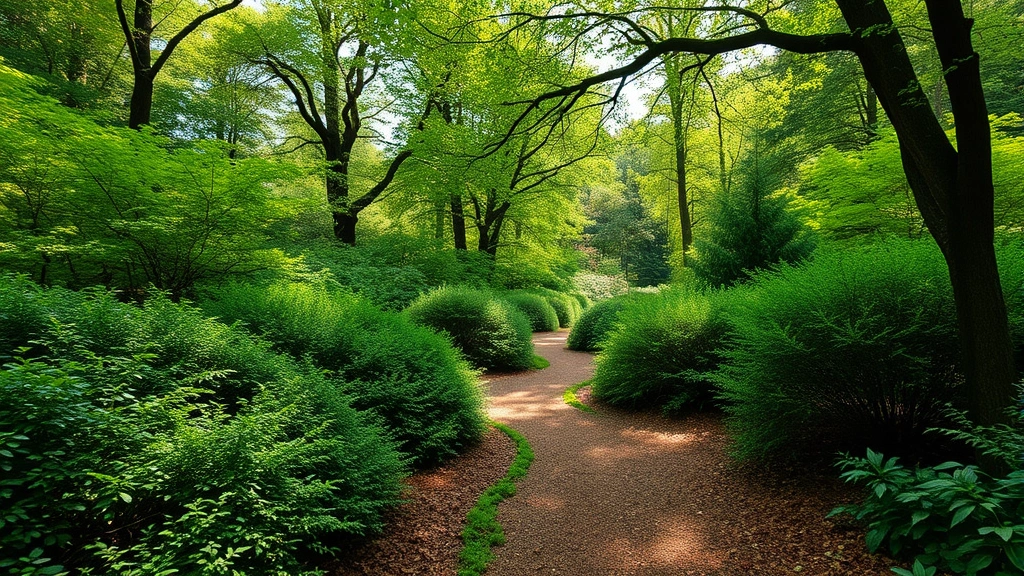
Pathways form the skeleton of hidden garden design, determining how visitors move through and experience the space. Curved pathways create mystery by hiding destinations around bends, while straight paths feel more formal and controlled. Most successful hidden gardens employ a combination—perhaps a straight main pathway branching into curved secondary paths that lead to discovery points.
Pathway width and material significantly impact the garden’s character. Narrow paths (two to three feet) encourage single-file movement and create intimacy, while wider paths (four to five feet) accommodate two people walking together and feel more spacious. Materials range from practical (gravel, mulch, stone chips) to luxurious (slate, granite, decorative pavers). Gravel paths require maintenance but offer budget-friendly appeal and create pleasant crunching sounds. Permeable paving options like recycled plastic grids or permeable pavers support rain garden initiatives while maintaining drainage.
Elevation changes enhance the sense of discovery in hidden gardens. Sunken paths feel more intimate and enclosed, while raised pathways create elevated vantage points. Even subtle elevation changes (six to twelve inches) significantly impact the spatial experience. Ramps allow accessibility while adding visual interest, whereas steps create distinct thresholds between garden areas.
Consider path lighting for evening usability and safety. Low-level LED lights along pathway edges guide movement without creating harsh shadows or light pollution. Solar-powered options reduce energy consumption while maintaining sustainability. Uplighting through vegetation creates dramatic nighttime effects and extends the garden’s usability into evening hours.
Water Features and Focal Points
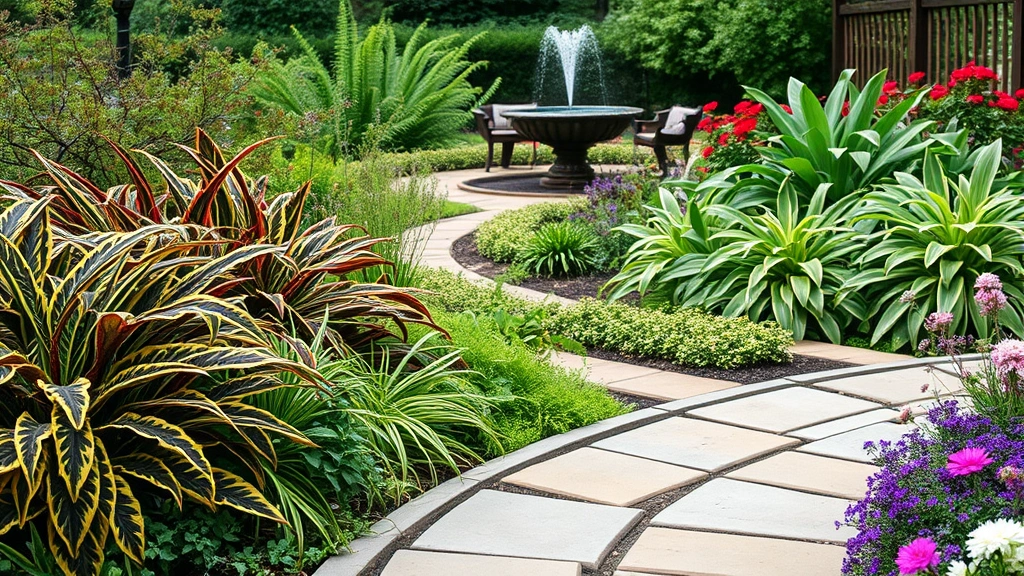
Water features serve as powerful focal points in hidden gardens, drawing visitors deeper into the space while providing sensory richness. Fountains and water basins create auditory interest—the gentle sound of flowing water masks external noise and adds peaceful ambiance. Recirculating fountains require minimal water and can operate efficiently with proper pump systems. Position water features where they’re discovered gradually rather than immediately visible, enhancing the sense of revelation.
Ponds and water gardens transform hidden spaces into wildlife habitats while providing reflective surfaces that enhance light and create visual depth. Even small ponds (four by six feet) support aquatic plants, frogs, and beneficial insects. The reflective quality of water multiplies the visual impact of surrounding plantings, making spaces feel larger and more complex.
Beyond water features, focal points might include sculpture, seating areas, or specimen plants. A single well-placed piece of garden art draws visitors toward it, creating natural circulation patterns. Seating areas positioned at journey’s end reward exploration and encourage lingering. Choose seating that complements your garden style—rustic benches for woodland gardens, modern chairs for contemporary designs, or ornate seats for formal spaces.
Specimen plants serve as living focal points, commanding attention through size, form, or unique characteristics. A mature Japanese maple, a multi-stemmed birch, or a dramatically colored shrub naturally draws the eye and becomes a destination point. These specimens benefit from proper garden shears maintenance to maintain their sculptural forms.
Seasonal Considerations and Maintenance
Hidden gardens require thoughtful seasonal planning to maintain year-round appeal and minimize maintenance demands. Winter structure becomes critical in regions with deciduous dominant plantings. Evergreen hedges, ornamental grasses, and plants with interesting bark (birch, dogwood, paperbark maple) provide winter interest when deciduous plants lose their leaves.
Spring maintenance involves deadheading early bloomers, pruning winter-damaged growth, and applying appropriate fertilizers to support new growth. This period also offers opportunities to add new plantings before summer heat arrives. Summer demands regular watering, especially for newly established plants, and ongoing deadheading to encourage continued flowering.
Autumn requires preparation for winter dormancy. Apply mulch to protect root systems, deadhead spent flowers, and prune diseased or overgrown branches. Fall planting of spring bulbs ensures spring interest, while autumn-blooming plants extend the season. Consider adding a rain garden system to manage autumn rainfall while supporting plant health.
Maintenance frequency and intensity should match your available time and resources. Low-maintenance hidden gardens rely on hardy plants requiring minimal pruning, drought-tolerant species reducing watering needs, and mulched beds suppressing weeds. Choose plants suited to your climate zone rather than fighting environmental conditions.
Regular pathway maintenance ensures safety and accessibility. Sweep gravel paths to redistribute material, repair pavers as needed, and trim vegetation encroaching on walkways. Seasonal hedge trimming (typically twice yearly for deciduous varieties, once for evergreens) maintains privacy and prevents overgrowth.
For larger properties, using a garden calculator helps estimate plant quantities, mulch requirements, and maintenance time investments. This planning tool prevents over-purchasing while ensuring adequate coverage. If your property includes powered equipment, understanding garden tractor battery maintenance extends equipment lifespan and ensures reliable operation during growing season.
FAQ
What size property do I need for a hidden garden?
Hidden gardens work at virtually any scale, from small urban courtyards (200-300 square feet) to sprawling estates. The key lies in creating distinct zones and controlling sightlines rather than total acreage. Even a 20-by-30-foot space can feel like multiple destinations with thoughtful design.
How quickly can I create a hidden garden?
Instant screening requires mature plants or hardscape structures, but these come at premium cost. Budget-conscious approaches involve planting fast-growing species like willows or bamboo (with proper containment) that provide screening within two to three years. Most hidden gardens evolve over five to seven years as plants mature and design intentions fully manifest.
Can I create a hidden garden in shade?
Absolutely. Shade actually enhances the sense of enclosure and mystery. Shade-tolerant plants like hostas, hellebores, ferns, and Japanese maples thrive in woodland-style hidden gardens. Shade reduces water requirements and heat stress, potentially lowering maintenance demands compared to sunny gardens.
What’s the best time to start a hidden garden project?
Spring and fall offer ideal planting windows with moderate temperatures and adequate moisture. Spring allows plants to establish before summer heat, while fall provides recovery time before winter dormancy. Avoid planting during extreme heat or cold. Begin design planning during winter when you can visualize bare branches and winter structures.
How do I maintain privacy without appearing unfriendly?
Hidden gardens emphasize personal sanctuary rather than exclusion. Design open gateways and welcoming entry points that invite visitors into your space. Use living walls that feel organic rather than fortress-like. Consider sight lines that block views from adjacent properties while maintaining openness within your garden boundaries.