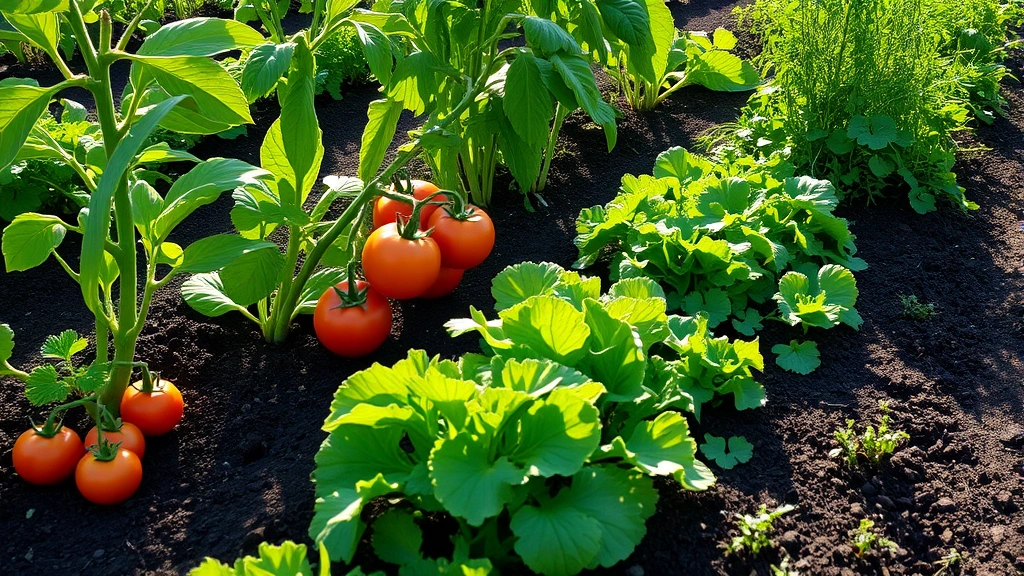
How to Grow a Garden: Expert Insights for Beginners and Seasoned Gardeners
Growing a garden is one of the most rewarding activities you can undertake, whether you’re cultivating vegetables, flowers, herbs, or ornamental plants. It connects you directly to nature, provides fresh produce, and creates a peaceful sanctuary in your own backyard. However, many aspiring gardeners feel overwhelmed by the prospect of starting from scratch. The good news is that with proper planning, the right tools, and practical knowledge, anyone can successfully grow a garden regardless of their experience level or available space.
This comprehensive guide draws on expert horticultural insights to walk you through every essential step of garden creation and maintenance. From selecting the perfect location to harvesting your first crops, we’ll cover the fundamental principles that separate thriving gardens from struggling ones. Whether you’re interested in raised garden beds or traditional in-ground planting, you’ll find practical advice tailored to your needs.
Choosing Your Garden Location and Site Preparation
The foundation of a successful garden begins with location selection. Sunlight is perhaps the most critical factor—most vegetables and flowering plants require at least six to eight hours of direct sunlight daily. Observe your yard throughout the day to identify areas that receive adequate light. Consider the path of the sun across your property, accounting for seasonal changes and potential shade from trees, buildings, or structures.
Beyond sunlight, evaluate water drainage, accessibility, and proximity to your home. A well-draining location prevents waterlogging and root rot, while easy access encourages regular maintenance and harvesting. You’ll want your garden close enough that you can water it conveniently and check on plants frequently. Avoid low-lying areas where water collects after rain, and stay away from tree roots that compete for nutrients and moisture.
Site preparation involves clearing the area of weeds, grass, and debris. If you’re starting with an existing lawn, you have several options: remove the sod manually, use a sod cutter, or employ the no-dig method by layering cardboard and organic materials directly over the grass. Many gardeners prefer galvanised iron raised garden beds for superior soil control and easier access, particularly for those with mobility concerns.
Understanding Soil Quality and Composition
Healthy soil is the lifeblood of any thriving garden. Soil consists of mineral particles (sand, silt, clay), organic matter, water, and air. The ideal garden soil, often called loam, contains a balanced mixture of these components—typically 40% sand, 40% silt, and 20% clay. This composition provides excellent drainage while retaining adequate moisture and nutrients.
Test your soil before planting to determine its pH level, nutrient content, and texture. Most vegetables prefer slightly acidic soil with a pH between 6.0 and 7.0. You can conduct a simple jar test at home by filling a container with soil, water, and dish soap, then observing how layers settle to estimate your soil’s composition. For comprehensive analysis, contact your local cooperative extension service, which typically offers affordable soil testing.
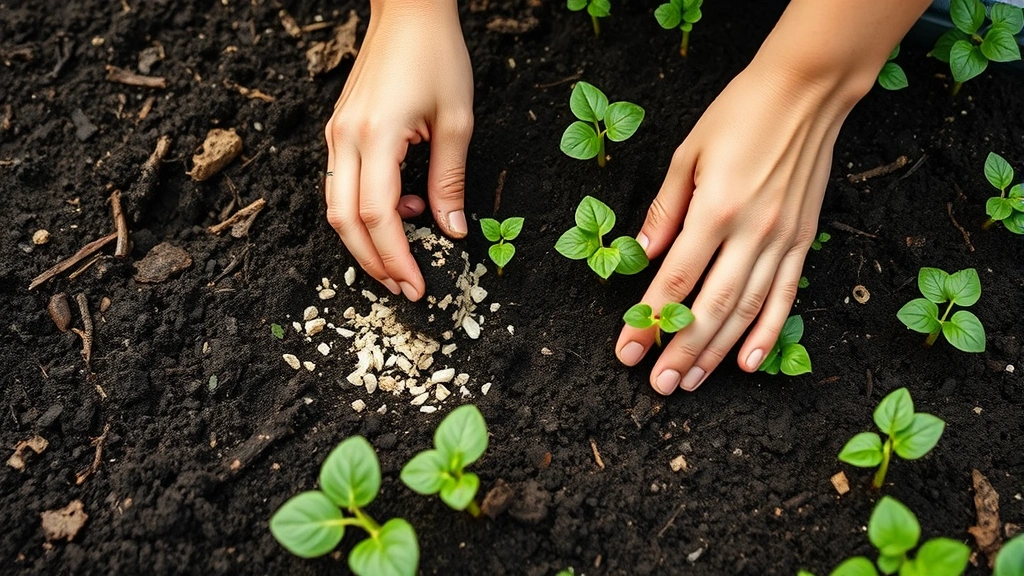
Improve soil quality by incorporating organic matter such as compost, aged manure, peat moss, or coconut coir. These materials enhance water retention in sandy soils, improve drainage in clay-heavy soils, and provide essential nutrients as they decompose. Work organic matter into the top 8-12 inches of soil before planting. For ongoing soil health, apply a 2-3 inch mulch layer annually and consider rotating crop families to prevent nutrient depletion and disease buildup.
Selecting Plants for Your Growing Conditions
Successful gardening requires matching plants to your specific environment. Consider your hardiness zone, determined by average minimum winter temperatures. The USDA Plant Hardiness Zone Map provides detailed zone information for your location, essential for selecting perennials and woody plants that will survive your winters.
Beyond climate zones, evaluate your growing conditions: sunlight availability, moisture levels, and wind exposure. Shade-tolerant plants like hostas, ferns, and hellebores thrive under trees and on north-facing walls, while sun-loving plants such as tomatoes, zucchini, and roses demand full sun exposure. Drought-tolerant species including sedums, lavender, and Russian sage perform well in dry locations with minimal irrigation.
For vegetable gardens, choose varieties suited to your season length and local growing conditions. Early-season crops like lettuce, spinach, and peas tolerate cool temperatures, while warm-season crops including tomatoes, peppers, and cucumbers require soil temperatures above 60°F. Succession planting—sowing seeds every two to three weeks—provides continuous harvests throughout the season rather than a single overwhelming crop.
Setting Up Garden Infrastructure
Proper infrastructure makes gardening more efficient and enjoyable. Begin with quality tools: a spade for digging, a hoe for weeding, a rake for leveling, and a hand trowel for planting. Ergonomic tools with comfortable handles reduce strain during extended gardening sessions. Store tools in a dedicated shed or covered area to extend their lifespan.
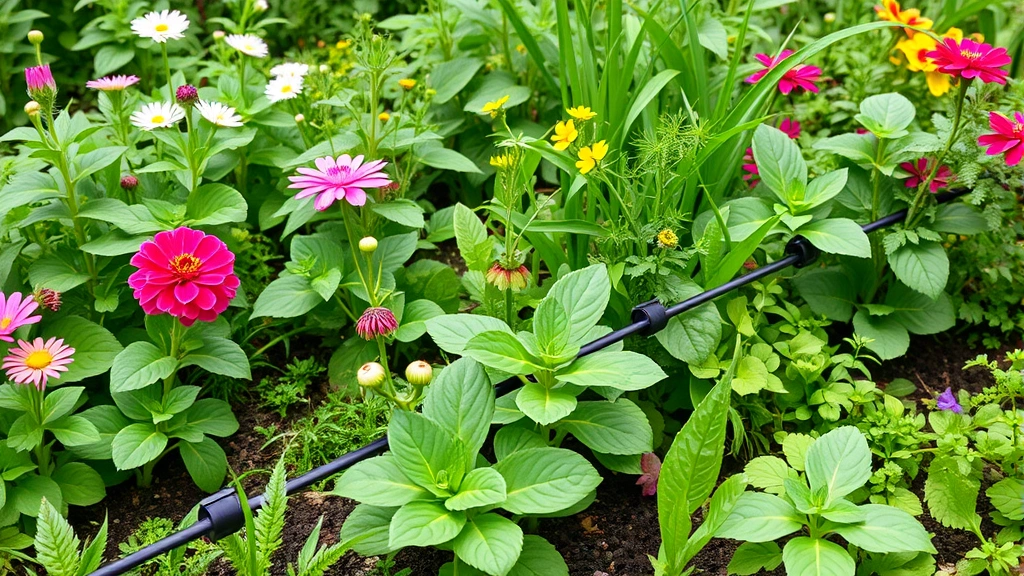
Irrigation infrastructure is crucial for consistent plant growth. While a basic watering can works for small gardens, larger spaces benefit from drip irrigation systems or soaker hoses that deliver water directly to plant roots, reducing waste and minimizing disease. Consider installing a best garden hose with an adjustable nozzle for flexibility in different watering scenarios. Timer-controlled systems allow you to water consistently even during busy periods or vacations.
Create pathways using mulch, stepping stones, or gravel to prevent soil compaction and provide convenient access to plants. Install trellises, stakes, or cages for climbing or vining plants like tomatoes, beans, and cucumbers. These structures optimize space usage, improve air circulation, and make harvesting easier. Garden decorations and structural elements also add visual interest while serving practical purposes.
Planting Techniques and Spacing
Proper planting technique significantly impacts plant survival and growth. When transplanting seedlings, harden them off by gradually exposing them to outdoor conditions over 7-10 days. This process reduces transplant shock and strengthens plants before permanent planting. Dig holes slightly larger than the root ball, position plants at the same depth they grew in containers (except tomatoes, which can be planted deeper), and gently firm soil around the base.
Spacing prevents competition for nutrients, water, and light while improving air circulation to reduce disease pressure. Refer to seed packet instructions or plant labels for specific spacing requirements. As a general rule, space small plants 6-12 inches apart, medium plants 12-18 inches apart, and large plants 24+ inches apart. Crowded plants struggle to thrive and become more susceptible to fungal diseases and pest infestations.
Direct seeding works well for root vegetables, beans, peas, and squash. Plant seeds at depths specified on seed packets—typically two to three times the seed’s width. Keep soil consistently moist until seedlings emerge. Thin seedlings to proper spacing once they develop true leaves, removing weaker plants to allow stronger ones to flourish. This process seems wasteful initially but produces superior results compared to leaving overcrowded seedlings.
Watering Systems and Irrigation
Consistent moisture is essential for healthy plant growth, though requirements vary by plant type and growth stage. Most vegetables need 1-2 inches of water weekly, either from rainfall or supplemental irrigation. Water deeply and less frequently rather than shallow, frequent watering to encourage deep root development and drought resilience.
Water early in the morning to minimize disease pressure and allow foliage to dry before evening. Wet leaves promote fungal diseases, particularly in humid climates. Direct water to soil level rather than wetting foliage whenever possible. Drip irrigation and soaker hoses excel at this task, delivering water precisely where needed while reducing waste.
Mulching conserves soil moisture, moderates temperature fluctuations, and suppresses weeds. Apply 2-3 inches of organic mulch around plants, keeping it a few inches away from stems to prevent rot. As mulch decomposes, it enriches soil with organic matter. Refresh mulch annually or as it breaks down, maintaining consistent coverage throughout the growing season.
Pest Management and Garden Protection
Healthy gardens experience fewer pest and disease problems than stressed plants, making proper cultivation practices your first line of defense. Adequate spacing, proper watering, and appropriate sunlight exposure strengthen plants’ natural defenses. Monitor plants regularly for early signs of problems, addressing issues before they become widespread infestations.
Physical barriers protect vulnerable plants from pests. Row covers shield young plants from insects while allowing light and water penetration. Netting prevents birds from eating berries and seeds. Hand-picking larger pests like hornworms and beetles, while labor-intensive, effectively controls populations without chemicals. Encourage beneficial insects like ladybugs, lacewings, and parasitic wasps by planting flowers such as yarrow, dill, and coriander nearby.
When intervention becomes necessary, start with the least toxic option. Insecticidal soap and neem oil address many common pests organically. For serious infestations, contact your local cooperative extension office for identification and management recommendations. Implement strategies to keep squirrels and other wildlife out of garden spaces to protect your investment.
Seasonal Garden Maintenance
Spring is the season of preparation and renewal. As soil becomes workable, incorporate compost and aged manure. Start seeds indoors 6-8 weeks before your last frost date, or direct seed after frost danger passes. Prune winter-damaged branches from shrubs and trees. Begin regular watering schedules as plants emerge from dormancy and temperatures rise.
Summer demands consistent maintenance as plants grow vigorously. Water regularly, particularly during hot, dry periods. Deadhead flowers to encourage continuous blooming. Harvest vegetables frequently to promote ongoing production. Monitor for pests and diseases, addressing problems promptly. Continue succession planting of fast-growing crops for continuous harvests through fall.
Fall is harvest season and a time for garden renewal. Continue harvesting vegetables until frost arrives. Plant spring-flowering bulbs and cool-season vegetables like lettuce and broccoli. Clean up spent plant material to reduce disease pressure and pest overwintering sites. Rake fallen leaves and use them as mulch or compost material. Plant perennials and shrubs in fall when cooler temperatures reduce transplant stress.
Winter offers rest and planning time. In cold climates, cover garden beds with mulch or plant cover crops to prevent erosion and maintain soil structure. Review the past season’s successes and challenges, planning improvements for next year. Maintain tools, clean and sharpen them for next season’s work. Order seeds early for the best selection of varieties. In mild climates, continue harvesting cool-season crops and planting spring bloomers.
FAQ
What’s the best time to start a garden?
Spring is ideal for most gardeners, but timing depends on your climate. In warm regions, fall offers excellent growing conditions with cooler temperatures and adequate moisture. Start planning in winter, prepare soil in early spring, and plant after your last frost date. Consult your local cooperative extension for specific frost dates in your area.
How much space do I need to grow a garden?
Even small spaces work for gardening. A 4×8 foot raised bed produces substantial vegetables for a small family. Container gardening works on patios and balconies. Vertical gardening on trellises maximizes space efficiency. Start small, learn the fundamentals, then expand as your confidence and experience grow.
Can I garden without prior experience?
Absolutely. Begin with easy-to-grow plants like tomatoes, zucchini, lettuce, and herbs. Follow seed packet and plant label instructions carefully. Connect with local master gardener programs through your cooperative extension office for personalized guidance. Most experienced gardeners are happy to share knowledge with beginners.
How often should I fertilize my garden?
Soil rich in organic matter requires minimal additional fertilizer. Apply compost annually and use balanced fertilizer monthly during the growing season. Vegetables benefit from mid-season nitrogen application, while flowering plants prefer lower-nitrogen, higher-phosphorus formulations. Avoid over-fertilizing, which produces excessive foliage at the expense of flowers and fruits.
What should I do about garden pests naturally?
Prevention through healthy plant cultivation is most effective. Use row covers for young plants, hand-pick larger pests, and encourage beneficial insects. Neem oil and insecticidal soap address many common pests organically. Remove affected plant material promptly and rotate crops annually to break pest cycles.
How do I know if my plants need water?
Check soil moisture 2-3 inches deep—if it feels dry, water thoroughly. Most plants prefer soil that’s consistently moist but not waterlogged. Wilting leaves indicate drought stress, while yellowing leaves may indicate overwatering. Mulch helps maintain consistent moisture levels, reducing watering frequency.
Growing a successful garden combines science, practical skill, and patience. Start with fundamentals, observe your plants closely, and adjust practices based on results. Visit a local botanical garden for inspiration and to see plants performing well in your region. Connect with fellow gardeners through horticultural societies to share experiences and learn from others. Check out local garden markets for quality plants and supplies. With dedication and these expert insights, you’ll cultivate a thriving garden that provides beauty, food, and joy for years to come.


