How to Grow a Garden: Pro Tips for Beginners
Starting your first garden can feel overwhelming, but with the right guidance, you’ll be cultivating thriving plants in no time. Whether you dream of fresh vegetables on your dinner table, vibrant flowers brightening your landscape, or a peaceful green sanctuary for relaxation, growing a garden is an achievable goal for anyone willing to learn. This comprehensive guide will walk you through every essential step, from planning and soil preparation to planting and maintenance, ensuring your gardening journey becomes a rewarding success story.
The beauty of gardening lies in its flexibility and accessibility. You don’t need acres of land or expensive equipment to get started—a small raised bed, a few containers, or even a windowsill can become your garden space. What matters most is understanding the fundamentals: soil quality, proper watering, sunlight requirements, and seasonal timing. By mastering these core principles, you’ll develop the confidence to tackle any gardening challenge that comes your way.
Choose Your Garden Location and Type
Before you dig a single hole, spend time observing your property throughout the day. Notice where sunlight falls, where water naturally collects after rain, and which areas stay shaded. These observations will determine your garden’s success more than any other factor. Most vegetables and flowering plants need at least six hours of direct sunlight daily, though some shade-tolerant plants thrive with less.
Consider your available space realistically. If you have limited room, fairy garden ideas or container gardening offers wonderful solutions for apartment dwellers or those with small yards. Raised beds provide excellent drainage and easier access, making them ideal for beginners. In-ground gardens work beautifully if you have space and good soil. cut flower gardens present another exciting option if you want to create stunning bouquets from your own landscape. Each approach has distinct advantages—choose based on your lifestyle, physical abilities, and gardening goals.
Think about what you want to grow. Vegetable gardens demand more attention to watering and pest management but reward you with fresh produce. Ornamental gardens focusing on flowers and foliage require less intensive care once established. Herb gardens offer culinary benefits and occupy minimal space. Many successful beginners start with a combination approach, mixing easy vegetables like tomatoes and zucchini with reliable flowers and herbs.
Prepare Your Soil for Success
Healthy soil is the foundation of every thriving garden. Before planting anything, invest time in understanding and improving your soil. Most plants prefer soil with balanced pH levels (typically 6.0 to 7.0) and good organic matter content. You can purchase an inexpensive soil test kit from your local cooperative extension or send samples to a professional lab for detailed analysis.
Work organic matter into your garden bed generously—aim for three to four inches of compost, aged manure, or leaf mold mixed into the top eight to twelve inches of existing soil. This amendment improves drainage in clay soils, increases water-holding capacity in sandy soils, and feeds beneficial microorganisms that support plant health. If starting in containers, use high-quality potting mix rather than garden soil, which compacts too easily in confined spaces.
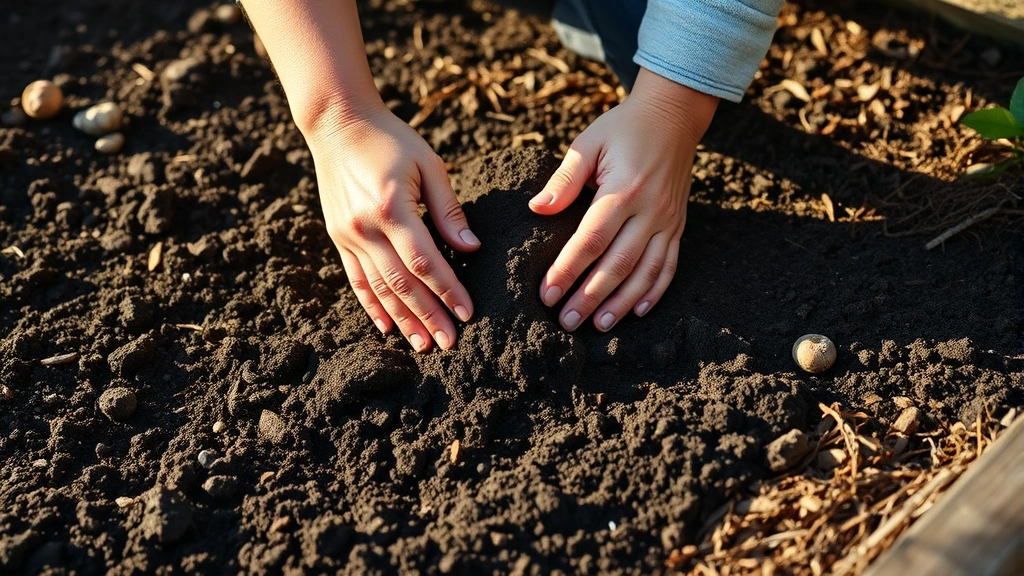
Texture matters significantly. Squeeze a handful of moist soil—it should crumble easily rather than form a tight ball. If your soil tends toward clay, add sand and organic matter. If it’s too sandy and drains too quickly, increase organic matter content. This foundational work prevents countless problems down the road and sets the stage for abundant growth.
Select Plants Based on Your Climate
Understanding your USDA hardiness zone is crucial for selecting appropriate plants. Visit the USDA Plant Hardiness Zone Map to identify your specific zone, which indicates the minimum winter temperatures your region experiences. This information guides decisions about perennials and trees that will survive winter in your area.
Beyond hardiness zones, consider your local growing season length. Cool-climate gardeners should choose short-season vegetables and frost-tolerant plants, while warm-climate gardeners can experiment with heat-loving crops throughout extended seasons. Research which plants thrive in your specific conditions—native plants adapted to your region naturally perform better, require less maintenance, and support local wildlife. Visit your local native plant society or botanical garden for region-specific recommendations.
Start with proven performers before experimenting with challenging varieties. Reliable beginner plants include tomatoes, lettuce, beans, zucchini, marigolds, zinnias, coneflowers, and daylilies. These forgiving plants tolerate minor mistakes and reward beginners with visible success. As your confidence grows, gradually introduce more specialized or finicky varieties. garden mums offer reliable fall color, while pruning hydrangea bushes properly ensures years of stunning blooms.
Master the Art of Watering
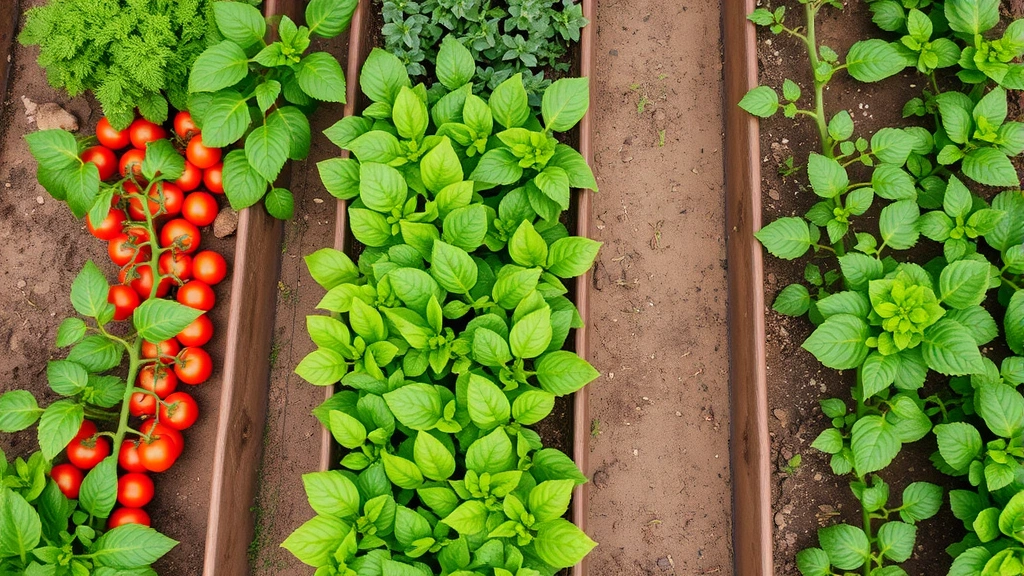
Proper watering represents one of the most critical yet misunderstood aspects of gardening. Rather than following rigid schedules, learn to read your plants and soil. Check soil moisture by inserting your finger two inches deep—if it feels dry at that depth, watering is needed. Most plants prefer consistently moist but not waterlogged soil.
Water deeply and less frequently rather than shallow daily watering. This encourages deep root development and creates more resilient plants. Early morning watering is ideal, allowing foliage to dry quickly and reducing disease pressure. Water at soil level rather than overhead when possible to minimize fungal issues. A garden watering system with drip irrigation or soaker hoses delivers water directly to roots where it’s needed, reducing waste and improving plant health.
Container plants dry out faster than in-ground gardens and typically need daily watering during hot weather. Mulching around plants conserves soil moisture, moderates temperature, and suppresses weeds—apply two to three inches of organic mulch around plants, keeping it several inches away from plant stems to prevent rot. Different plants have different water needs; succulents and drought-tolerant plants require infrequent watering, while vegetables and annual flowers typically need consistent moisture during growing season.
Understand Sunlight Requirements
Sunlight drives photosynthesis and plant growth, making it non-negotiable for most plants. Full sun typically means six or more hours of direct sunlight daily. Partial shade indicates three to six hours of sunlight, often dappled or afternoon shade. Full shade means less than three hours of direct sun, though these areas receive bright indirect light.
Observe your garden throughout seasons, as sunlight patterns shift. A location receiving full sun in summer might receive afternoon shade in winter. Morning sun is gentler than intense afternoon western sun, particularly in hot climates. If your garden lacks adequate sunlight, focus on shade-tolerant plants like hostas, ferns, coral bells, and shade-loving groundcovers. Conversely, if you have abundant sun, embrace heat-loving plants like Russian sage, butterfly weed, and sedums.
Reflected heat from walls or pavement can intensify sun exposure, potentially requiring more water or shade cloth in extremely hot regions. Consider vertical gardening or trellises to maximize light in confined spaces while creating microclimates that benefit shade-sensitive plants beneath taller structures.
Plant at the Right Time
Timing is everything in gardening. Cool-season crops like lettuce, broccoli, and peas tolerate frost and should be planted in early spring or late summer for fall harvest. Warm-season crops including tomatoes, peppers, and squash need soil temperatures above 60°F and cannot tolerate frost. Wait until after your last spring frost date to plant tender annuals and vegetables. Your local cooperative extension can provide specific frost dates for your region.
Perennials and shrubs can be planted in spring or fall when temperatures are moderate and soil moisture is adequate. Spring planting gives plants the entire growing season to establish roots before winter. Fall planting, typically done six weeks before first frost, allows root development during cool months with less transplant stress. Container-grown plants can be planted throughout the growing season if watered carefully.
Succession planting extends harvests and maintains continuous blooms. Rather than planting all lettuce seeds at once, sow small quantities every two weeks for continuous supply. Similarly, planting new annual flowers as early ones fade maintains colorful displays. This strategy keeps gardening interesting and productive throughout seasons.
Maintain Your Garden Throughout Seasons
Once established, regular maintenance keeps gardens healthy and productive. Deadheading—removing spent flowers—encourages continued blooming on many annual and perennial flowers. Pinching back young plants creates bushier, fuller specimens. Staking tall plants prevents wind damage and improves air circulation. Proper pruning techniques for shrubs like hydrangeas maintain shape and encourage abundant flowering.
Weeding prevents competition for water and nutrients. Regular weeding when soil is moist makes the job easier and more complete. Mulch suppresses many weeds before they germinate. Fertilizing replenishes nutrients, especially important for heavy feeders like tomatoes and roses. Organic fertilizers like compost, fish emulsion, or balanced granular fertilizers provide slow-release nutrition that builds soil health over time. Synthetic fertilizers work quickly but don’t improve soil structure.
Monitor for pests and diseases regularly. Catching problems early prevents major damage. Many pest issues resolve through simple practices: removing affected leaves, improving air circulation, or hand-picking insects. Encourage beneficial insects like ladybugs and lacewings by planting diverse flowers and avoiding broad-spectrum pesticides. Healthy plants in appropriate growing conditions resist pests and diseases naturally.
Troubleshoot Common Problems
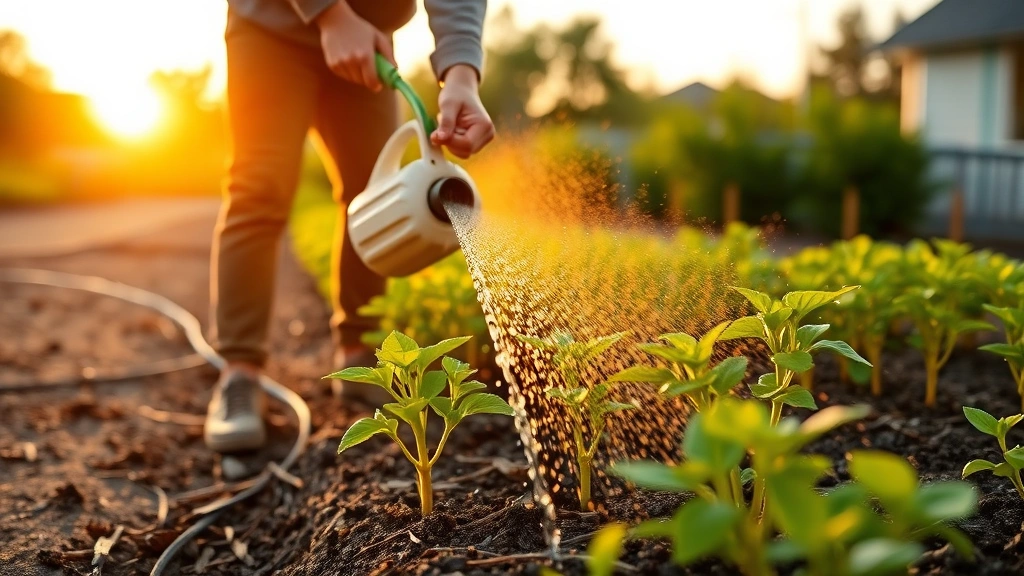
Even experienced gardeners face challenges. Yellow leaves often indicate overwatering or nutrient deficiency. Check soil moisture and adjust watering accordingly. If soil is moist and plants still yellow, apply balanced fertilizer. Wilting despite moist soil suggests root rot from poor drainage—improve drainage by adding organic matter or switching to raised beds.
Powdery white coating on leaves indicates powdery mildew, common in humid conditions with poor air circulation. Improve air flow by spacing plants appropriately and pruning dense growth. Spray affected plants with fungicide if needed. Brown leaf tips suggest either underwatering, low humidity, or excessive fertilizer salts. Adjust watering practices and flush soil with water to leach excess salts.
Pest damage varies by region and plant type. Inspect plants regularly for holes, discoloration, or visible insects. Remove affected leaves and spray insecticidal soap for soft-bodied insects like aphids and spider mites. For harder problems, consult your local cooperative extension service or garden club, which offer free expert advice specific to your region.
Nutrient deficiencies display characteristic patterns: nitrogen deficiency causes overall yellowing, phosphorus deficiency creates purple-tinged leaves, and potassium deficiency shows brown leaf edges. Soil testing identifies specific deficiencies, allowing targeted correction rather than guessing.
FAQ
What’s the easiest vegetable to grow for beginners?
Zucchini is exceptionally forgiving and productive. Plant seeds directly in warm soil after frost danger passes, provide consistent water, and harvest regularly. A single plant produces abundant squash throughout summer with minimal care. Tomatoes and beans are equally beginner-friendly and offer delicious rewards.
How often should I water my garden?
Rather than fixed schedules, check soil moisture before watering. Most plants need water when soil is dry two inches deep. During hot weather, this might mean daily watering for containers but only twice weekly for in-ground gardens. Mulching reduces watering frequency significantly.
Can I garden in containers if I don’t have yard space?
Absolutely! Container gardening works wonderfully for apartments, balconies, and patios. Use large containers (at least twelve inches deep and wide) with drainage holes, fill with quality potting mix, and select appropriate plants. Containers dry faster than ground gardens, requiring more frequent watering, but offer flexibility and mobility.
When should I start a garden if I’m a complete beginner?
Spring after your last frost date is ideal for starting gardens. You’ll have the entire growing season to learn and adjust. Fall gardening works too, particularly for cool-season vegetables and perennials. Starting small with just a few plants prevents overwhelm and builds confidence quickly.
Do I need to spend money on expensive fertilizers?
No. Quality compost and aged manure provide excellent nutrition and improve soil structure simultaneously. Kitchen scraps and yard waste transform into free compost through simple composting methods. Once you build healthy soil rich in organic matter, plants thrive with minimal additional fertilization.
How do I know if my garden has enough sunlight?
Observe your garden throughout the day, noting which areas receive direct sun and for how long. Most vegetables and flowering plants need six hours minimum. If your space lacks adequate sun, choose shade-tolerant plants or use reflective surfaces to bounce light toward shaded areas.


