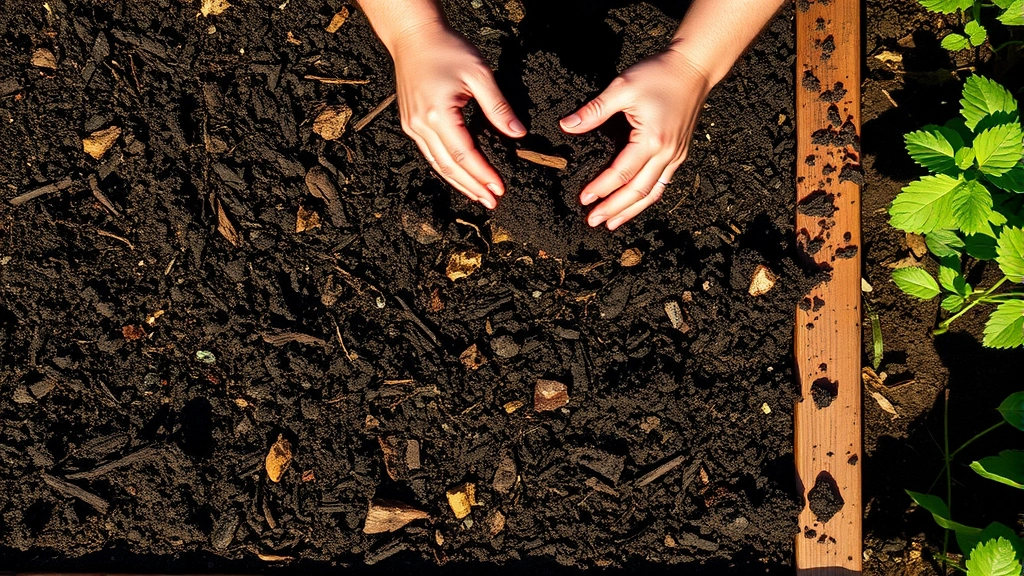
How to Start a Garden: Beginner’s Guide
Starting a garden can feel overwhelming, but with the right approach and knowledge, anyone can grow a thriving space filled with vegetables, flowers, or herbs. Whether you have a sprawling backyard, a small patio, or just a sunny windowsill, gardening is an accessible hobby that connects you to nature and provides fresh produce or beautiful blooms. This comprehensive guide will walk you through every step of beginning your gardening journey, from planning and soil preparation to planting and maintenance.
The beauty of gardening lies in its flexibility and scalability. You don’t need expensive equipment or years of experience to start seeing results. What you do need is patience, curiosity, and a willingness to learn from both successes and setbacks. By following this beginner’s guide, you’ll understand the fundamentals of garden design, soil health, plant selection, and seasonal care that form the foundation of any successful garden.
Assess Your Space and Sunlight
Before you dig a single hole or purchase any plants, spend time observing your available space. The amount of sunlight your garden receives is the most critical factor determining what you can grow successfully. Most vegetables and flowering plants require at least 6-8 hours of direct sunlight daily, though some shade-tolerant plants can thrive with 3-4 hours of morning sun.
Walk around your property at different times of day and note which areas receive full sun, partial shade, and full shade. Pay attention to shadows cast by buildings, fences, and trees. Morning sun is generally preferable to afternoon sun in hot climates, as it helps dry dew and reduces disease risk while providing gentler heat. In cooler climates, afternoon sun exposure becomes more valuable for ripening fruits and vegetables.
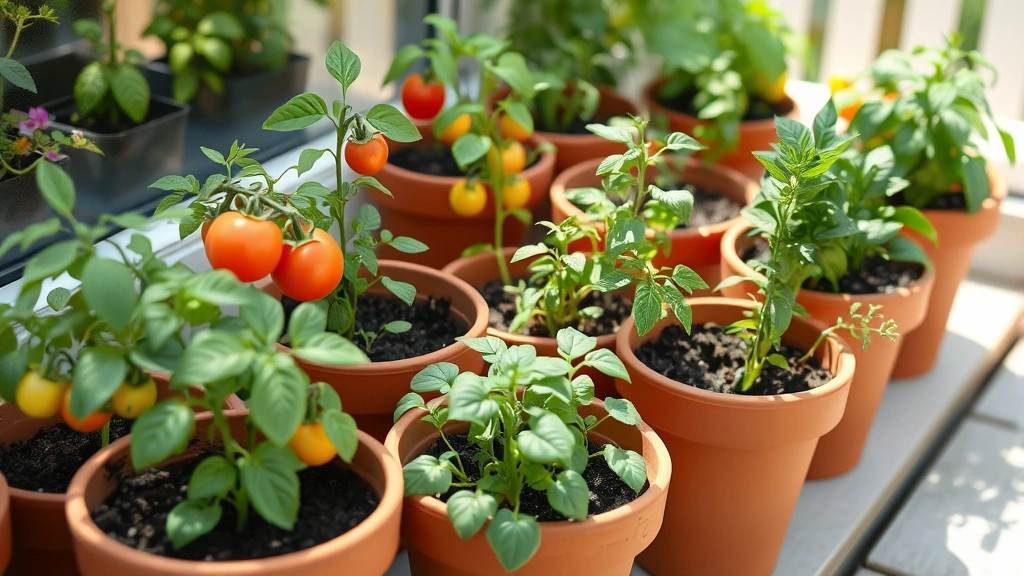
Consider your space realistically. Do you have a backyard, front yard, patio, balcony, or only indoor windowsills? Small spaces are perfectly suitable for container gardening. Even apartment dwellers can grow herbs, lettuce, and compact vegetables on a sunny windowsill or balcony. Larger spaces offer more flexibility but also require more planning and maintenance effort.
Water access is another practical consideration. Your garden should be reasonably close to a water source or a place where you can easily run a retractable garden hose. Hauling water repeatedly becomes tedious and discourages consistent watering, which is essential for plant health.
Choose Your Garden Type
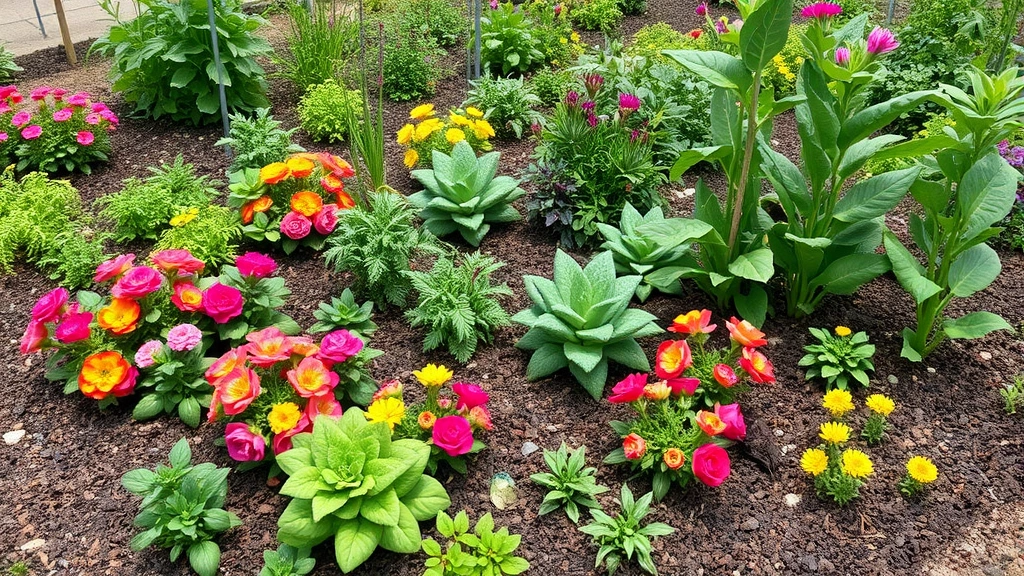
Once you’ve assessed your space, decide which garden style suits your situation and interests. Each type has distinct advantages and considerations for beginners.
In-Ground Gardens are traditional gardens planted directly into existing soil. This option requires the least initial investment but demands more soil preparation and amendment. You’ll need to assess your native soil quality and improve it significantly in most cases.
Raised Garden Beds offer excellent drainage, easier access, and better soil control. The best soil for raised garden beds is a mixture of compost, peat moss or coconut coir, and perlite. You can construct raised beds using wood, composite materials, or even cinder block garden bed systems. Raised beds warm up faster in spring and are ideal for vegetables and herbs.
Container Gardens provide maximum flexibility and are perfect for patios, balconies, and small spaces. Use quality potting mix rather than garden soil, ensure containers have drainage holes, and select plants suited to container life. A Vegeta raised garden bed or similar prefabricated system offers a middle ground between traditional raised beds and containers.
Vertical Gardens maximize limited space by growing plants on walls, trellises, or hanging systems. These work beautifully for climbing vegetables like tomatoes, cucumbers, and beans, as well as trailing herbs and flowers.
Prepare Your Soil
Healthy soil is the foundation of a thriving garden. Rather than viewing soil as inert dirt, think of it as a living ecosystem teeming with microorganisms, fungi, and beneficial insects that support plant growth.
Begin by testing your soil if possible. Many cooperative extension services offer inexpensive soil testing that reveals pH levels, nutrient content, and organic matter percentage. This information guides your amendment strategy. Ideal garden soil has a pH between 6.0 and 7.0 for most vegetables, though some plants prefer slightly acidic or alkaline conditions.
Most garden soils benefit from generous amounts of organic matter. Work in compost, aged manure, or leaf mold to improve soil structure, water retention, and nutrient content. If you’re interested in sustainable practices, incorporate coffee grounds in garden beds for nitrogen boost and improved texture. Aim to add 2-4 inches of compost and work it into the top 8-10 inches of existing soil.
For raised beds, fill them with a quality mix specifically formulated for gardening rather than using native soil. This eliminates many problems associated with poor soil structure and contamination. Well-draining soil is crucial; waterlogged conditions lead to root rot and fungal diseases.
Mulching after planting conserves moisture, regulates soil temperature, and suppresses weeds. Use 2-3 inches of organic mulch like wood chips, straw, or shredded leaves, keeping it a few inches away from plant stems to prevent rot.
Select Your Plants
Choosing what to grow is one of gardening’s most enjoyable aspects. Beginners should select plants that are forgiving, grow quickly, and thrive in their climate zone.
Easy Vegetables for Beginners: Tomatoes, zucchini, lettuce, beans, peas, carrots, radishes, and summer squash are reliable choices that produce abundantly. Herbs like basil, parsley, and mint are nearly impossible to kill and reward you with fresh flavors. Peppers and eggplants require more warmth but offer long harvests. Root vegetables like beets and turnips are satisfying to grow and store well.
Flowers for Beginners: Sunflowers, marigolds, zinnias, cosmos, and nasturtiums brighten gardens with minimal fuss. Perennial flowers like coneflowers, black-eyed Susans, and daylilies return year after year, reducing replanting work. Wildflower mixes offer instant color and support pollinators.
Check your USDA hardiness zone and select plants suited to your region. Seeds and nursery plants typically include zone information. Start with varieties recommended as reliable performers in your area. As you gain experience, experiment with more challenging varieties.
Consider your actual needs and preferences. Growing ten tomato plants when you only eat two per week creates overwhelming abundance. Be honest about how much you’ll realistically harvest and preserve. Quality over quantity makes gardening more enjoyable and less wasteful.
Purchase seeds from reputable seed companies or nursery transplants from local garden centers. Locally-grown transplants are often better adapted to your region’s conditions than those shipped from distant nurseries.
Essential Tools and Supplies
You don’t need expensive equipment to garden successfully. Start with basic hand tools and add specialized equipment as your garden grows.
Essential Hand Tools: A quality spade or garden fork, hand trowel, hand cultivator, pruning shears, and a garden knife handle most tasks. Invest in sturdy, ergonomic tools that fit your hand size comfortably, as poor-fitting tools cause fatigue and frustration.
Watering Equipment: A watering can works for small gardens, but a garden hose with a spray nozzle is more practical for larger spaces. A retractable garden hose saves space and storage hassles. Soaker hoses or drip irrigation systems deliver water efficiently directly to plant roots, reducing waste and disease problems.
Support and Structures: Tomato cages, stakes, trellises, and garden twine support climbing and tall plants. These prevent damage from wind and improve air circulation.
Protective Gear: Gardening gloves, sunscreen, a wide-brimmed hat, and knee pads make work more comfortable. Protective equipment reduces blisters, sunburn, and joint strain.
Soil Amendments: Keep compost, mulch, fertilizer, and lime or sulfur on hand for soil adjustments. Organic fertilizers like fish emulsion or bone meal provide nutrients without harsh chemicals.
Planting and Spacing
Proper spacing prevents disease, reduces pest problems, and ensures each plant receives adequate light and nutrients. Crowded plants compete for resources and create humid conditions favoring fungal diseases.
Follow spacing recommendations on seed packets and plant labels precisely. These guidelines reflect decades of horticultural research. Spacing distances account for mature plant size, not the tiny seedling you’re planting. It feels wrong planting so far apart, but trust the recommendations.
Timing matters significantly. Plant cool-season crops like lettuce, peas, and broccoli in spring and fall when temperatures stay below 70°F. Warm-season crops like tomatoes, peppers, and squash go in after the last frost date when soil has warmed. Starting seeds indoors 6-8 weeks before your last frost date gives transplants a head start for summer crops.
Succession planting extends your harvest throughout the season. Every two weeks, plant another small batch of fast-growing crops like lettuce and beans. This provides continuous harvests rather than one overwhelming glut.
Plant at appropriate depths. Seeds should be planted at depths roughly three times their diameter. Transplants should sit at the same depth they occupied in their nursery container, except tomatoes which can be planted deeper to develop stronger roots.
Watering and Maintenance
Consistent watering is crucial, especially for young plants and during dry spells. Most gardens need about 1-2 inches of water weekly, including rainfall. Water deeply and infrequently rather than shallow daily watering, which encourages shallow roots and weak plants.
Water early in the morning to reduce disease pressure and allow foliage to dry quickly. Avoid wetting leaves if possible, as wet foliage promotes fungal diseases. Drip irrigation and soaker hoses deliver water directly to soil, minimizing leaf wetness.
Monitor soil moisture by inserting your finger 2-3 inches into the soil. If it feels dry at that depth, water thoroughly. Container plants dry faster and need more frequent watering than in-ground gardens.
Weeding prevents competition for water, nutrients, and light. Remove weeds when they’re small before they flower and spread seeds. Mulching dramatically reduces weeding work by blocking light from weed seeds.
Pests and diseases inevitably appear, but often don’t require intervention. Many insect visitors are beneficial predators. Hand-pick larger pests like tomato hornworms and beetles. Insecticidal soap and neem oil address soft-bodied insects and mites. Remove diseased leaves promptly and improve air circulation to prevent fungal problems.
Fertilize every 2-4 weeks during the growing season with balanced fertilizer for vegetables, or low-nitrogen fertilizer for flowers to encourage blooming. Organic options like compost tea, fish emulsion, and seaweed extract provide nutrients gradually without burning plants.
Common Beginner Mistakes
Planting Too Early: Eager gardeners often plant warm-season crops before the last frost date, killing seedlings. Check your local frost dates and wait patiently for soil to warm.
Overcrowding: Beginners frequently plant too densely, thinking empty space is wasted. Mature plants need room for air circulation and light penetration. Trust spacing guidelines.
Poor Soil Preparation: Starting with inadequate soil leads to struggling plants and disappointing harvests. Invest time and resources in soil improvement before planting.
Inconsistent Watering: Erratic watering stresses plants and causes problems like blossom-end rot in tomatoes and splitting in fruits. Establish a regular watering schedule.
Wrong Plant Selection: Growing plants unsuited to your climate, sunlight, or soil conditions guarantees frustration. Research before purchasing and stick with proven performers initially.
Ignoring Pest Monitoring: Small pest problems become infestations when ignored. Check plants regularly for early signs of trouble and address issues promptly.
Overcomplicating: Gardening doesn’t require expensive fertilizers, specialized equipment, or complex techniques. Start simple and add complexity as you gain confidence and knowledge.
FAQ
When should I start my garden?
Timing depends on your climate and what you want to grow. Cool-season crops can go in as soon as soil is workable in spring, typically 2-4 weeks before the last frost. Warm-season crops wait until after the last frost date when soil has warmed to at least 60°F. Fall gardens start in mid-to-late summer for cool-season crops. Check your local USDA Plant Hardiness Zone map for specific guidance.
How much space do I need?
You can garden successfully in containers on a small balcony, or with a sprawling backyard garden. Start small—a 4×8 foot raised bed or several large containers provides plenty of fresh produce for a household. Expand gradually as you build skills and confidence.
Do I need to use chemicals?
No. Organic gardening methods using compost, mulch, companion planting, and hand-removal of pests work effectively for most home gardens. Chemical pesticides and fertilizers aren’t necessary and can harm beneficial insects and soil life.
How often should I fertilize?
With proper soil preparation using plenty of compost, many gardens need minimal additional fertilizer. During the growing season, apply balanced organic fertilizer every 2-4 weeks, or follow specific recommendations for the plants you’re growing. Vegetables and flowers have different nutritional needs.
What should I do with garden waste?
Composting plant trimmings, leaves, and vegetable scraps creates valuable compost that improves soil. Even without formal composting, you can layer these materials directly in garden beds where they decompose and enrich soil. Avoid composting diseased plants or weeds with mature seeds.
How do I deal with garden pests?
Prevention through healthy soil, proper spacing, and diverse plantings is most effective. Monitor plants regularly for early pest detection. Hand-pick larger insects, prune affected leaves, and use targeted organic treatments like insecticidal soap for persistent problems. Beneficial insects often control pests naturally if you let them.
Can I garden in shade?
Most vegetables require 6-8 hours of direct sun, but many herbs, salad greens, and shade-tolerant plants thrive in partial shade. Morning sun is preferable to afternoon shade. Evaluate your specific shade situation and choose plants accordingly.
How do I know if my soil is healthy?
Healthy soil is dark, crumbly, and smells earthy. It holds moisture without becoming waterlogged and drains well after heavy rain. Earthworms, beetles, and other soil life indicate good health. Soil testing through your local cooperative extension provides specific nutrient and pH information.
When should I harvest my vegetables?
Harvest timing varies by crop. Most vegetables taste best when picked young and tender rather than fully mature. Regular harvesting encourages continued production. Check specific harvest guidelines for each plant, but generally pick when vegetables are firm, properly colored, and at desired size.
Should I grow from seeds or transplants?
For beginners, transplants offer faster results and higher success rates, especially for warm-season crops. Seeds are more economical for large quantities and cool-season crops. Many gardeners use a combination: transplants for tomatoes and peppers, seeds for beans and squash. Both approaches work perfectly.


