Garden Window Ideas: Expert Design Tips for Your Home
A garden window transforms your kitchen or dining area into a lush, productive growing space that brings nature indoors while maximizing natural light. These charming architectural features extend outward from your home’s exterior wall, creating a sunlit sanctuary for herbs, vegetables, and ornamental plants. Whether you’re a seasoned gardener or a beginner looking to start small, a well-designed garden window offers practical benefits and aesthetic appeal that few other home features can match.
Garden windows have become increasingly popular among homeowners who want fresh herbs within arm’s reach, year-round plant cultivation, or simply a beautiful focal point in their kitchen. The sloped glass panels and deep interior shelf create ideal growing conditions while allowing you to enjoy your plants from multiple angles. This guide explores expert design tips, plant selection strategies, and maintenance practices to help you create the perfect garden window for your home and lifestyle.
Understanding Garden Window Basics
A garden window is a specialized window structure that projects outward from your home’s wall, typically featuring three or more glass panels that form a greenhouse-like box. Unlike traditional bay windows, garden windows have a shallower depth and are specifically engineered to maximize sunlight exposure and create ideal growing conditions for plants. The angled roof panels allow light to penetrate from multiple directions, while the deep shelf provides ample space for containers, planters, and growing systems.
The primary advantage of a garden window lies in its ability to extend your growing season year-round, regardless of outdoor climate conditions. Inside this microclimate, you can cultivate herbs for your herb garden, start seedlings for spring transplanting, or maintain tender perennials through winter. The elevated position and projection create a natural focal point that enhances your home’s interior design while serving a functional purpose. Many homeowners find that the visual appeal of a thriving garden window adds both character and value to their living spaces.
Garden windows come in various sizes and configurations, from compact models suitable for apartment kitchens to expansive installations that span entire wall sections. Standard dimensions typically range from 24 to 48 inches in width and 24 to 36 inches in height, though custom options are available. The interior shelf depth usually ranges from 10 to 16 inches, providing adequate space for multiple plant tiers and growing containers.

Choosing the Right Location and Orientation
Location selection is critical to your garden window’s success and should consider both horticultural requirements and practical accessibility. The ideal position places your window on a south-facing or west-facing wall, where it receives maximum sunlight throughout the day. South-facing exposures provide consistent, balanced light that suits most herbs and vegetables, while west-facing windows offer afternoon warmth that benefits heat-loving plants. North-facing windows require shade-tolerant species and supplemental lighting, making them less ideal for productive gardening.
Proximity to your kitchen is another essential consideration, especially if you plan to cultivate culinary herbs for regular harvesting. A conveniently located garden window encourages daily interaction with your plants, making maintenance easier and harvesting more practical. Consider the view from both inside and outside your home—a well-planted garden window becomes an attractive architectural feature visible from your yard and neighboring properties.
Environmental factors beyond light direction influence plant success in garden windows. Check for drafts near exterior doors or windows, as temperature fluctuations stress plants and increase water loss. Avoid locations directly above heating vents or radiators that create dry, unstable growing conditions. If your home has significant wind exposure, consider the structural integrity and potential stress on plants from vibrations or temperature swings. These microclimatic considerations often make the difference between thriving plants and struggling specimens.
When planning your garden window installation, evaluate whether the location supports the weight and water demands of your garden. A window above a sink provides convenient water access and contains spills, making maintenance significantly easier. If your preferred location is away from plumbing, you’ll need to establish a water management system with absorbent mats or drainage trays to protect your home’s interior.
Design and Installation Considerations
Proper installation ensures your garden window functions correctly and provides years of reliable performance. Professional installation is strongly recommended, as improper sealing and framing can lead to water infiltration, thermal inefficiency, and structural issues. The window frame must be properly integrated into your home’s exterior wall, with appropriate weatherproofing, insulation, and flashing to prevent moisture problems. Building codes and permits vary by location, so consult local regulations before beginning installation.
Material selection affects both durability and maintenance requirements. Modern garden windows typically feature vinyl or aluminum frames with insulated glass panels. Vinyl frames offer excellent insulation and low maintenance, while aluminum frames provide superior strength and a more contemporary aesthetic. Glazing options range from standard double-pane glass to low-emissivity (Low-E) coatings that improve thermal efficiency and reduce UV exposure for sensitive plants.
Interior design integration transforms your garden window from a purely functional feature into an attractive home element. Consider shelving solutions that maximize vertical growing space while maintaining aesthetic appeal. Tiered shelf systems allow multiple plant levels without blocking light from lower specimens. Matching your window trim and shelf materials to existing kitchen cabinetry creates visual cohesion, while contrasting colors can make your garden window a striking focal point.
Ventilation is crucial for plant health and preventing humidity buildup that encourages fungal diseases. Most quality garden windows include operable vents or louvers that allow air circulation. These should be opened on warm days to provide fresh air and prevent excessive moisture accumulation. Automatic vent openers that respond to temperature changes offer convenient climate control without requiring manual adjustment.
When considering raised bed gardening techniques, you can apply similar principles to garden window design by creating tiered growing systems. Vertical growing solutions maximize your limited space while creating visual interest and improving light distribution among plants at different heights.
Best Plants for Garden Windows
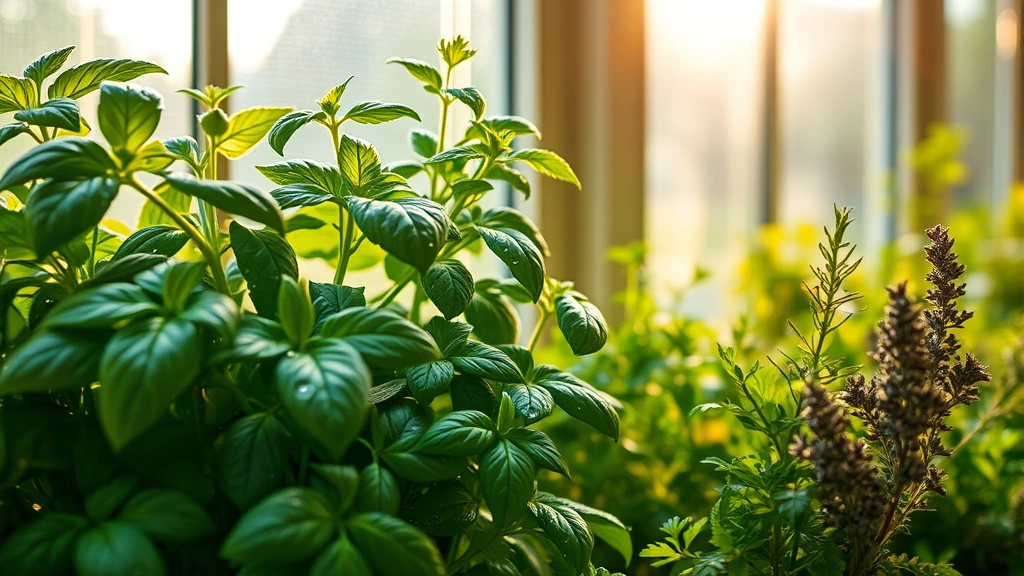
Your plant selection should balance your personal preferences with the specific light and temperature conditions your garden window provides. Culinary herbs represent the most popular choice, offering fresh flavors for cooking while providing attractive foliage. Basil, parsley, chives, oregano, thyme, and rosemary all thrive in bright, well-ventilated garden windows. These herbs benefit from regular harvesting, which encourages bushy growth and extends their productivity throughout the year.
When starting a flower garden within your garden window, prioritize compact varieties that won’t outgrow your limited space. Dwarf marigolds, petunias, violas, and pansies add color while tolerating the somewhat variable conditions of indoor-outdoor transition spaces. These flowering plants attract beneficial insects when windows are opened and provide visual appeal beyond their practical value.
Vegetables suitable for garden windows include lettuce, spinach, microgreens, and cherry tomatoes. Compact varieties bred for container growing perform best in these conditions. Leafy greens particularly excel in garden windows, requiring minimal root depth while producing abundant harvests throughout cooler seasons. Microgreens offer exceptional nutritional density and fast growth, making them ideal for gardeners seeking quick results and frequent harvests.
Tender perennials and tropical plants that require protection from outdoor winter conditions find ideal refuge in garden windows. Passionflower, citrus seedlings, and tender succulents maintain vigor in your protected microclimate while adding exotic visual interest. These plants demonstrate how garden windows extend gardening possibilities beyond traditional seasonal limitations.
Avoid aggressive growers and species with extensive root systems that quickly outgrow available space. Large-leafed plants like monstera or philodendron may shade smaller specimens and create maintenance challenges. Similarly, plants with aggressive root systems or significant water requirements can overwhelm the limited container space available in most garden windows.
Layering your plantings creates visual depth and maximizes productivity. Position taller plants toward the back where they receive direct light, while positioning shorter species toward the front. Trailing varieties can cascade from elevated shelves, creating a lush, multi-dimensional garden effect. This arrangement ensures all plants receive adequate light while creating an attractive display visible from your kitchen.
Lighting and Temperature Control
Natural light represents the primary advantage of garden windows, but supplemental lighting often becomes necessary during winter months or in northern climates. LED grow lights positioned above or between plant tiers provide spectrum-optimized illumination that supports robust growth. Modern LED technology consumes minimal energy while producing minimal heat, making it ideal for indoor gardening. Position lights 6-12 inches above foliage and run them 12-14 hours daily for most herbs and vegetables.
Temperature management significantly impacts plant health and productivity in garden windows. Most herbs and vegetables thrive between 60-75°F, with nighttime temperatures 10-15°F cooler than daytime. Garden windows can experience dramatic temperature fluctuations, especially near exterior glass during winter nights. Thermal curtains or cellular shades help insulate your plants during cold periods while providing shade on excessively hot days. Automatic vent openers prevent overheating during sunny spring and fall days when interior temperatures spike rapidly.
Humidity levels require careful monitoring, as garden windows can become excessively humid or dangerously dry depending on ventilation and watering practices. Excellent air circulation prevents fungal diseases while maintaining plant vigor. Run a small oscillating fan on low speed to promote air movement without creating harsh drying conditions. Monitor humidity levels with an inexpensive hygrometer, aiming for 40-60% relative humidity in most cases.
Cold drafts from poorly sealed windows damage tender plants and increase water loss through transpiration. Check weatherstripping regularly and replace it if you notice cold air movement during winter. Some gardeners use temporary plastic sheeting on the interior side of their garden windows during extreme cold periods, creating an additional insulating layer that protects plants from temperature stress.
Maintenance and Care Tips
Regular maintenance keeps your garden window functioning optimally and prevents common problems. Clean glass panels monthly to maximize light penetration—a surprisingly significant factor in plant performance. Interior and exterior surfaces accumulate dust, pollen, and mineral deposits that reduce light transmission. Use appropriate glass cleaner and soft cloths to avoid scratching the glass or damaging seals.
Watering requires careful attention in garden windows, as the sheltered environment reduces evaporation compared to outdoor gardens. Check soil moisture before watering by inserting your finger 1-2 inches into the potting medium. Most container plants prefer drying slightly between waterings rather than remaining constantly wet. Overwatering represents the leading cause of plant failure in garden windows, particularly during cooler seasons when growth slows and water loss decreases.
Drainage is essential for preventing water damage to your home’s interior while maintaining plant health. Use containers with drainage holes and place them on absorbent mats or trays that catch excess water. Alternatively, install a drainage system specifically designed for garden windows that channels water away from your home’s interior and exterior walls. This investment protects your home while allowing you to water freely without concern for spills.
Pest management becomes important in the protected environment of garden windows, where pests can reproduce rapidly without natural predators. Inspect new plants thoroughly before bringing them inside, and quarantine suspicious specimens for two weeks. Watch for common indoor pests like spider mites, mealybugs, and scale insects. Organic pest control methods including insecticidal soap, neem oil, and manual removal work well for most indoor gardening situations.
Seasonal rotation keeps your garden window productive year-round. Cool-season crops like lettuce and spinach thrive in fall and winter, while warm-season herbs dominate spring and summer. This rotation system ensures continuous productivity while preventing soil depletion. Replace potting soil annually or more frequently if you notice declining plant vigor or salt accumulation on the soil surface.
Your garden window pairs beautifully with other gardening elements. Consider complementary garden decor that enhances your space, and ensure you have appropriate garden tools for maintenance tasks. These additions create a cohesive gardening environment that inspires regular interaction and care.
FAQ
What is the ideal temperature range for garden windows?
Most herbs and vegetables thrive between 60-75°F during the day and 50-65°F at night. These temperatures support active growth while preventing stress from excessive heat or cold. Use thermal curtains and automatic vent openers to maintain these ranges throughout the year.
How often should I water plants in a garden window?
Water frequency depends on plant type, season, light intensity, and humidity levels. Check soil moisture before watering by inserting your finger 1-2 inches into the potting medium. Most plants prefer drying slightly between waterings. During winter, reduce watering frequency as growth slows and evaporation decreases.
Do garden windows require supplemental lighting?
Most south-facing garden windows provide adequate light for herbs and vegetables during spring and summer. Winter months, especially in northern climates, typically require supplemental LED grow lights. Position lights 6-12 inches above foliage and run them 12-14 hours daily for optimal growth.
What plants grow best in garden windows?
Culinary herbs like basil, parsley, and thyme excel in garden windows. Leafy greens including lettuce and spinach produce abundant harvests. Compact vegetable varieties and dwarf flowering plants also perform well. Avoid aggressive growers and large-leafed plants that shade smaller specimens.
How do I prevent humidity problems in my garden window?
Proper ventilation is essential for managing humidity. Open operable vents on warm days, use automatic vent openers for temperature-based control, and run a small oscillating fan to promote air circulation. Monitor humidity with an inexpensive hygrometer, aiming for 40-60% relative humidity.
Can I install a garden window myself?
Professional installation is strongly recommended, as improper installation leads to water infiltration, thermal inefficiency, and structural issues. Building codes and permits vary by location, so consult local regulations before beginning. Proper sealing, flashing, and integration with your home’s exterior wall require specialized knowledge and equipment.