Best Garden Trowels? Top Picks Reviewed
A quality garden trowel is one of the most essential tools every gardener should own. Whether you’re planting seedlings, transplanting perennials, or digging small holes for bulbs, a reliable trowel makes the work faster, easier, and more enjoyable. After years of gardening, you’ll quickly realize that not all trowels are created equal—some bend under pressure, others develop loose handles, and many simply don’t feel right in your hand. Finding the best garden trowel for your specific needs requires understanding what separates quality tools from mediocre ones.
In this comprehensive review, we’ve tested and evaluated the top garden trowels on the market to help you make an informed decision. We’ll examine blade materials, handle construction, ergonomics, durability, and value to ensure you invest in a tool that will serve you well for years to come. Whether you’re working in raised bed gardening projects or traditional in-ground beds, the right trowel can make a significant difference in your gardening experience and efficiency.
What Makes a Quality Garden Trowel
When shopping for a garden tool like a trowel, several key factors determine whether you’re getting a quality product. The first consideration is blade material—premium trowels feature stainless steel or forged steel blades that resist rust and maintain their sharpness through repeated use. A quality blade should feel substantial without being unnecessarily heavy, and it should have a slight curve or scoop to help move soil efficiently.
The handle is equally important as the blade. A well-designed handle distributes pressure evenly across your palm and fingers, reducing hand fatigue during extended gardening sessions. Look for handles made from hardwood, fiberglass, or ergonomic plastic that won’t splinter or crack with regular use. The connection between blade and handle should be solid—either riveted, welded, or seamlessly molded as one piece.
Durability matters tremendously when investing in garden equipment. A quality trowel should withstand the pressure of breaking up compacted soil, digging through clay, and repeated striking against rocks without bending or breaking. Weight distribution is another crucial factor; the tool should feel balanced in your hand rather than tip-heavy or blade-light. Finally, consider the warranty and manufacturer reputation—companies standing behind their products with multi-year guarantees typically manufacture superior tools.
Top Garden Trowel Picks for 2024
Radius Garden Pro Ergonomic Trowel consistently ranks at the top of expert reviews. This American-made trowel features a unique curved handle that fits naturally in your hand, reducing wrist strain significantly. The stainless steel blade is reinforced with a steel core running up the handle, creating exceptional strength without excessive weight. Gardeners working on flower garden ideas particularly appreciate the precise control this trowel offers when planting delicate specimens.
Fiskars Stainless Steel Trowel offers excellent value for budget-conscious gardeners. The blade is made from solid stainless steel that won’t rust, and the polypropylene handle is comfortable and durable. While not quite as premium as higher-priced options, Fiskars delivers reliable performance for general digging, planting, and soil mixing tasks. The lightweight design makes it suitable for all-day use without causing hand fatigue.
Draper Expert Stainless Steel Trowel represents premium British engineering. The one-piece forged steel construction means there are no rivets to loosen or welds to fail. The handle features a wooden grip that’s comfortable and traditional in feel. This trowel is particularly well-suited for clay soils and demanding digging tasks where blade strength is paramount.
Felco Ergonomic Trowel combines Swiss precision with ergonomic design. The blade is angled slightly upward, making it easier to lift soil without twisting your wrist. The handle is crafted from ash wood with a comfortable grip that accommodates various hand sizes. Felco’s reputation for quality extends to this tool, and it comes with a generous warranty.
Burgon & Ball Carbon Steel Trowel appeals to gardeners who appreciate traditional design with modern materials. The carbon steel blade is sharper than stainless steel options and easier to maintain. The handle is made from sustainably sourced ash wood, and the overall design feels substantial and professional-grade. This is an excellent choice for serious gardeners managing larger plots.
Blade Materials and Construction
Understanding blade materials helps you choose a trowel suited to your specific soil conditions and gardening style. Stainless steel is the most popular choice because it resists rust and requires minimal maintenance. However, stainless steel is slightly softer than other options, which means it can bend under extreme pressure. This matters less for typical gardening tasks but becomes relevant if you’re frequently working in very hard, compacted soil.
Carbon steel and forged steel blades are harder and hold an edge better than stainless steel. They require more maintenance—you’ll need to dry them promptly after use and occasionally oil them to prevent rust—but they’re superior for demanding tasks like breaking up clay or digging through rocky soil. Many experienced gardeners prefer carbon steel despite the extra care required.
Tempered steel blades offer a middle ground, providing good strength and some rust resistance. Some manufacturers reinforce the blade with a steel core running up into the handle, creating additional strength at the stress point where blade meets handle. This reinforcement is particularly valuable if you use your trowel for heavy-duty work.
The blade shape varies among quality trowels. Square-edged blades are excellent for precise planting and transplanting work, providing clean edges when digging holes. Curved or scooped blades move soil more efficiently and are better for general digging and soil mixing. Some premium trowels feature serrated edges that help cut through tough root systems and hard soil. Consider your primary gardening tasks when choosing blade shape—a square blade is perfect for community garden work with prepared beds, while a curved blade excels in heavy cultivation.
Handle Types and Ergonomics
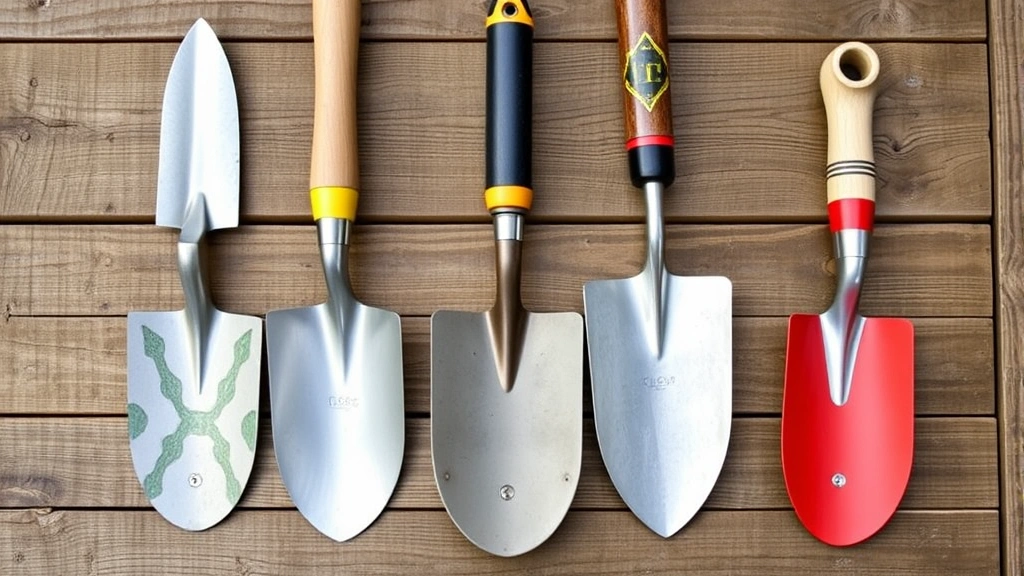
The handle is where the trowel meets your hand for extended periods, making ergonomic design critically important for comfort and injury prevention. Wooden handles, typically made from ash or oak, provide traditional appeal and a natural feel that many gardeners prefer. Quality wooden handles are smooth and splinter-free, warming slightly in your hand during use. They require occasional care—light sanding if splinters develop and occasional oiling to maintain finish.
Fiberglass handles are durable, lightweight, and require virtually no maintenance. They don’t absorb water like wood and won’t rot or splinter. Fiberglass is ideal for gardeners who prefer low-maintenance tools, though some find it less comfortable than wood for extended use. The best fiberglass handles feature cushioning or textured grips for improved comfort.
Ergonomic plastic handles are engineered specifically to reduce hand strain. These handles are typically contoured to fit the natural shape of your hand, with thicker sections where you grip and thinner sections elsewhere. Premium ergonomic designs distribute pressure evenly, reducing fatigue significantly during long gardening sessions. If you have arthritis or hand sensitivity, an ergonomic trowel can make gardening more enjoyable.
Handle length matters more than many gardeners realize. Standard trowels have handles around 9-10 inches long, suitable for most gardeners. Longer handles (12+ inches) provide more leverage for heavy digging but can feel awkward for precise planting work. Some gardeners prefer shorter handles (7-8 inches) for detailed transplanting and close work. Consider your hand size and the tasks you’ll perform most frequently.
The connection between blade and handle deserves attention. Riveted connections are traditional and generally reliable, though rivets can loosen over time with heavy use. Welded connections are stronger and more permanent but can be difficult to repair if the blade damages. One-piece construction, where blade and handle are forged or molded as a single unit, eliminates connection failure entirely—this is the strongest option for demanding use.
Size and Weight Considerations
Garden trowels range from lightweight models weighing just 8-10 ounces to heavy-duty versions approaching 2 pounds. Lighter trowels reduce hand fatigue and are ideal for extended planting sessions, transplanting seedlings, and detailed work. They’re particularly valuable for gardeners managing large fairy garden supplies or working with delicate plants requiring careful handling.
Heavier trowels provide more striking force and leverage, making them better for breaking up compacted soil and digging through clay. The added weight means you’re using the tool’s momentum rather than pure muscle, which can actually reduce fatigue when doing heavy digging. However, the extra weight becomes fatiguing during lighter tasks like transplanting.
Most experienced gardeners find that a medium-weight trowel (12-16 ounces) offers the best compromise. This weight provides adequate striking power for most soil conditions while remaining light enough for extended use without excessive fatigue. The best choice ultimately depends on your physical strength, the primary tasks you’ll perform, and your soil type.
Blade width is another important consideration. Standard trowels have blades approximately 4-4.5 inches wide, suitable for most gardening tasks. Narrow trowels (2-3 inches wide) are excellent for precise work, transplanting in tight spaces, and container gardening. Wide trowels (5+ inches) move more soil per scoop, making them better for bulk soil movement and large-scale digging projects. If you manage a garden tower or container garden, a narrow trowel is often more practical than a standard-width model.
Best Uses for Different Trowel Styles
General-purpose trowels with standard blade size and medium weight work well for most gardening tasks. They’re suitable for digging planting holes, transplanting seedlings, mixing soil amendments, and general cultivation. If you only own one trowel, a quality general-purpose model is the best investment.
Narrow trowels excel at precision work where space is limited. Use them for transplanting delicate seedlings, working in crowded flower beds, planting in containers, and any task requiring careful placement. The narrow blade allows you to dig precise holes without disturbing surrounding plants.
Wide-blade trowels are superior for moving bulk soil, filling raised beds, and general cultivation in open areas. The wider blade moves more soil per scoop, making work faster when dealing with large quantities. They’re also better for breaking up compacted soil where the extra width provides additional leverage.
Serrated-edge trowels are specialized tools for cutting through roots and tough soil. If you’re working in areas with heavy root systems or very hard clay, a serrated edge helps you cut through obstacles that would slow a standard trowel. However, serrated edges require more frequent sharpening than smooth blades.
Curved-blade trowels are excellent for soil movement and general digging. The curve naturally scoops soil, making them more efficient than flat blades for moving bulk material. They’re particularly valuable when filling containers or mixing soil amendments.
Maintenance and Care Tips
Proper maintenance extends your trowel’s lifespan significantly. After each use, rinse soil off the blade and handle with clean water. Dry the blade thoroughly, especially if you have a stainless steel or carbon steel model. Moisture left on the blade can promote rust, particularly on carbon steel.
Store your trowel in a dry location. Hanging it on a pegboard or storing it in a shed keeps it accessible while protecting it from moisture. Avoid leaving it in damp conditions or exposed to weather for extended periods. If you notice rust developing on a carbon steel blade, scrub it with a wire brush and apply a light coat of oil.
Wooden handles benefit from occasional conditioning. If the wood becomes dry or splintered, lightly sand the affected area with fine-grit sandpaper and apply a natural wood oil or finish. This prevents splinters and maintains the handle’s appearance and feel. Check wooden handles periodically for signs of rot or damage, particularly if your trowel gets wet frequently.
If your trowel’s blade becomes dull, you can sharpen it using a whetstone or file. A slightly sharp edge makes digging easier and cleaner. Some gardeners prefer a slightly dull edge for safety reasons, so sharpen to your preference. Riveted connections may loosen over time—if you notice movement between blade and handle, you can have a professional re-rivet the connection or replace the rivets yourself if you’re handy.
Consider keeping multiple trowels if you have a large garden. Having a specialized narrow trowel for transplanting alongside a standard model for general work allows you to use the right tool for each task. This also means you can dedicate one trowel to heavy digging work while keeping another pristine for delicate planting tasks.
FAQ
What’s the difference between a garden trowel and a spade?
A trowel is a small, handheld tool with a blade typically 4-5 inches wide, designed for detail work, planting, and small-scale digging. A spade is a larger tool with a wider blade (often 8+ inches) mounted on a long handle, used for major excavation and moving bulk soil. Trowels are ideal for precision work while spades handle heavier jobs.
How much should I spend on a quality garden trowel?
Quality trowels range from $15-$80 depending on materials and brand. Budget-friendly options ($15-$25) from reputable manufacturers like Fiskars work well for casual gardeners. Mid-range trowels ($30-$50) offer better durability and ergonomics. Premium trowels ($50-$80+) from specialty manufacturers provide superior materials and design. Your investment should match your gardening intensity and budget.
Are stainless steel trowels better than carbon steel?
Both have advantages. Stainless steel requires minimal maintenance and won’t rust, making it ideal for gardeners who prefer low-maintenance tools. Carbon steel is harder and holds an edge better, making it superior for heavy-duty work, but requires more care to prevent rust. Choose based on your soil conditions and maintenance preferences.
Can I use a trowel for heavy digging tasks?
Trowels are designed for detail work and lighter digging rather than heavy excavation. Using a trowel for tasks like breaking up clay or digging large holes repeatedly can bend or break the blade. For heavy work, use a spade or shovel. Reserve your trowel for planting, transplanting, and general cultivation.
What size trowel should I buy?
Standard 4-4.5 inch wide trowels work for most gardeners. Choose a narrow trowel (2-3 inches) if you do detailed work, container gardening, or transplanting. Select a wider trowel (5+ inches) if you frequently move bulk soil or fill raised beds. Consider your hand size and primary tasks when selecting blade width.
How often should I sharpen my trowel blade?
Most gardeners sharpen their trowels annually or when they notice the blade becoming dull. How often depends on your soil type and use intensity. Heavy clay soils dull blades faster than sandy soils. A slightly sharp edge makes work easier, so sharpen when you notice digging becoming more difficult.
Is a one-piece trowel better than a riveted design?
One-piece construction (forged or molded as single unit) is stronger and more durable than riveted designs, as there’s no connection point to fail. However, quality riveted trowels are perfectly adequate for most gardening. One-piece construction is worth the extra cost if you do heavy-duty work or want maximum longevity.
Can left-handed gardeners use standard trowels?
Most trowels work equally well for left and right-handed users since the blade isn’t directional. However, ergonomic trowels designed specifically for right-handed use may feel awkward in a left hand. Check product reviews or try before buying if you’re left-handed and considering an ergonomic model.
What external resources help with gardening tool selection?
The National Gardening Association provides comprehensive tool guides. Your local Master Gardener Program offers personalized tool recommendations. The USDA Forest Service shares gardening resources, and The Tool Shed specializes in garden equipment reviews. Many botanical gardens offer workshops on tool selection and use.


