
Best Garden Tomato Supports? Expert Recommendations
Growing tomatoes successfully depends on more than just soil quality and sunlight—the right support system can make the difference between a bountiful harvest and a frustrating season of broken stems and damaged fruit. Whether you’re cultivating heirloom varieties in a small backyard garden or managing multiple rows of determinate tomatoes, choosing appropriate garden tomato supports is essential for plant health, disease prevention, and maximum productivity.
Tomato plants, especially indeterminate varieties that grow continuously throughout the season, require sturdy support structures to handle the weight of developing fruit and foliage. Without proper support, plants become prone to diseases, fruit touching soil leads to rot, and harvesting becomes unnecessarily difficult. This comprehensive guide explores the most effective tomato support options, installation techniques, and expert recommendations to help you select the perfect system for your garden.
Understanding Tomato Plant Types and Support Needs
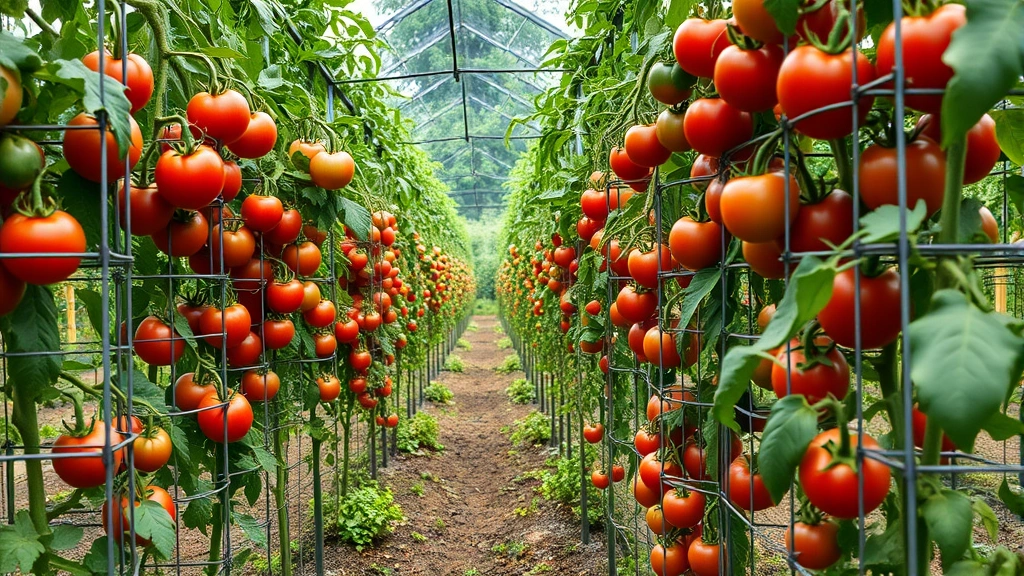
Before selecting a support system, you must understand the two primary tomato growth habits. Determinate varieties, also called bush tomatoes, grow to a fixed height (typically 3-4 feet) and produce fruit in concentrated periods. These compact plants require minimal support, often needing only a single stake or small cage. Indeterminate varieties, conversely, grow continuously throughout the season, reaching 6-12 feet or more, and require robust support systems that accommodate ongoing vertical growth.
The weight-bearing capacity of your chosen support system depends on several factors: mature plant height, fruit size and quantity, local wind conditions, and your regional rainfall patterns. A single large beefsteak tomato can weigh one pound or more, and a productive plant might support 20-50 fruits simultaneously. When combined with foliage and water content after rain, an indeterminate tomato plant can weigh 50+ pounds at peak season.
Proper support also improves air circulation around foliage, reducing fungal diseases like early blight and late blight—common problems in humid climates. Elevated fruit prevents soil-borne pathogens from splashing onto lower leaves and fruit. Additionally, supported plants are easier to prune, monitor for pests, and harvest efficiently.
Wooden Stakes: The Classic Choice
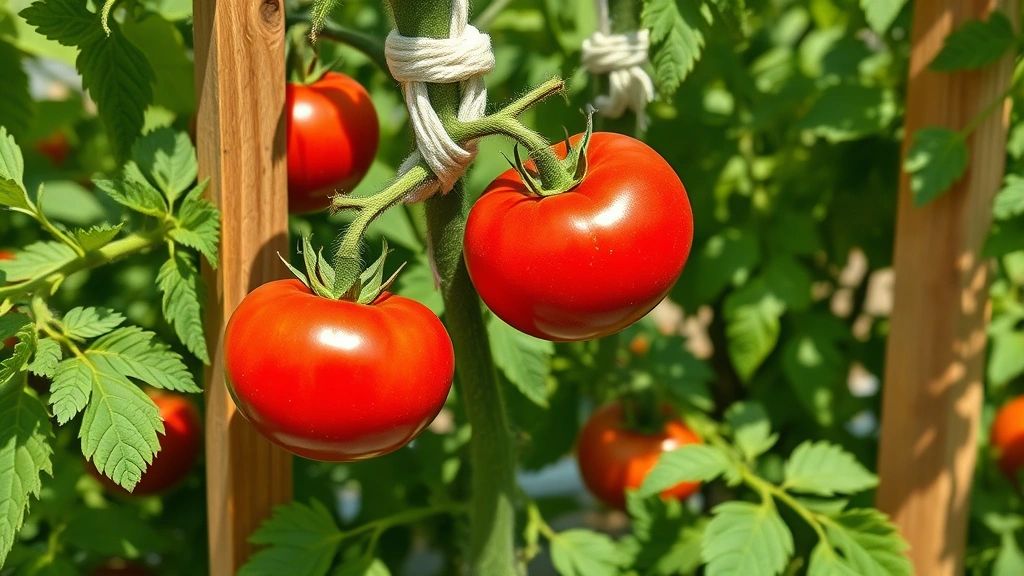
Wooden stakes represent the most affordable and straightforward tomato support method, making them popular among experienced gardeners and beginners alike. The traditional approach uses 6-8 foot bamboo or wooden stakes driven 12-18 inches into the ground, leaving 4-6 feet above soil level for plant support.
Advantages of wooden stakes include:
- Low initial cost, with bamboo stakes available at most garden centers
- Easy installation requiring only a hammer or mallet
- Minimal storage space needed during off-season
- Excellent visibility of plant structure and fruit development
- Compatible with any pruning method or training style
- Biodegradable options available for environmentally conscious gardeners
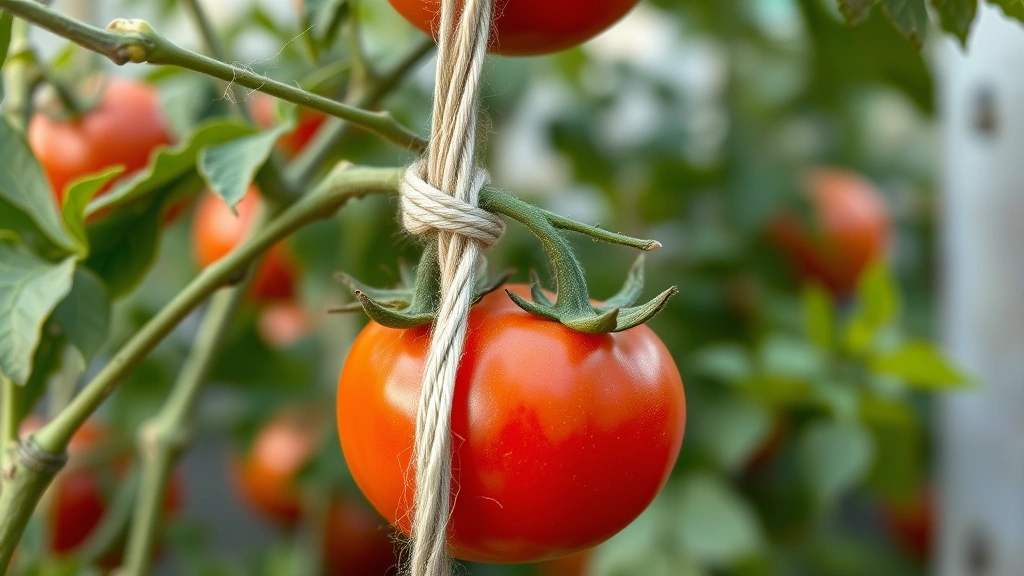
To use wooden stakes effectively, begin by driving the stake firmly into the ground at planting time, positioning it 4-6 inches from the young tomato plant. As the plant grows, secure it to the stake using soft ties—strips of cloth, nursery tape, or specialized plant ties work well. Avoid tying too tightly; leave a half-inch of give to allow stem expansion. Tie at multiple points along the stem, typically every 8-12 inches, creating a gentle support rather than a rigid constraint.
The Florida weave method combines wooden stakes with twine for economical support of multiple plants in rows. Drive stakes at each plant location and at intervals along the row, then weave twine horizontally between stakes, supporting plants as they grow taller. This method reduces material costs while providing adequate support for determinate and semi-determinate varieties.
Wooden stakes require seasonal replacement—bamboo typically lasts 2-3 seasons before deteriorating, while treated wooden stakes may last 5-7 years. Cedar and locust wood naturally resist decay better than pine or fir, justifying their higher initial cost for long-term use. Before reusing stakes, inspect them for disease pathogens and clean with a 10% bleach solution to prevent spreading fungal infections between seasons.
Cages and Spiral Supports
Wire cages and spiral supports offer convenient, reusable alternatives to staking and tying. Standard tomato cages measure 5-6 feet tall and feature sturdy wire construction designed to encircle plants, providing three-dimensional support as plants grow within the cage structure.
Benefits of cage systems:
- Minimal training required—simply install at planting and let plant grow through
- Reusable for 10+ years with proper storage and maintenance
- Durable galvanized or powder-coated finishes resist rust
- Portable for garden rearrangement or relocation
- Suitable for determinate and compact indeterminate varieties
However, standard wire cages present limitations for vigorous indeterminate varieties. Most commercial cages stand only 5-6 feet tall, inadequate for plants reaching 8-10 feet. Additionally, wire cage construction creates difficulty when pruning and harvesting fruit from inside the cage structure. Plants can also outgrow cages, with stems eventually towering above the support structure.
Heavy-duty reinforced cages address some limitations, featuring thicker gauge wire and greater height. Some gardeners stack two standard cages to accommodate taller varieties, though this requires careful alignment and additional labor. Spiral tomato supports, featuring a helical coil design that plants wind through as they grow, provide continuous support without tying. These work well for determinate varieties and smaller indeterminate plants but may be challenging for very vigorous growers.
When installing cages, drive them deep into the ground—at least 12 inches—to prevent tipping under the weight of mature plants, especially in windy locations. Position cages at planting time rather than after plants are established, as inserting cages into existing foliage causes branch breakage. Consider upgrading to commercial-grade cages for production gardens; the extra investment pays dividends in durability and longevity.
String and Twine Training Methods
Professional greenhouse tomato growers favor string and twine support systems, which offer maximum flexibility, excellent crop visibility, and efficient space utilization. The basic method involves suspending horizontal support lines or twine from an overhead structure, then wrapping or tying plants to the twine as they grow.
The indeterminate pruning and training method works best with string support. Maintain plants as single stems by removing all suckers (side shoots), then spiral the main stem around vertical twine anchored above and below. This creates a controlled, productive plant with excellent fruit visibility and air circulation. Professional growers achieve yields of 40+ pounds per plant using this intensive training method.
For home gardeners, a simpler string approach uses vertical twine attached to an overhead wire or frame. As plants grow, loosely wrap stems around the twine, securing with clips or additional twine every 12-18 inches. This method requires more attention than cages but provides superior results with vigorous indeterminate varieties.
String and twine systems work particularly well when combined with raised beds and properly prepared garden soil that promotes strong root development. Strong roots anchor plants effectively, allowing them to support greater fruit loads through string-based systems.
Trellising and Wall Systems
For gardeners with limited space or aesthetic preferences, integrating tomato supports into garden arch trellis systems creates functional and attractive growing environments. Sturdy trellises, espalier frameworks, and wall-mounted support systems guide tomato growth vertically while maximizing sunlight exposure and air circulation.
Wall and fence-mounted systems utilize existing garden structures, reducing material costs while creating living walls of productive tomato plants. Install sturdy horizontal wires or lattice panels at 12-18 inch intervals, then tie or clip tomato stems to the support structure as they grow. This approach works excellently for determinate varieties and compact indeterminate types, creating dramatic visual interest while producing abundant fruit.
Trellis systems designed for climbing plants can accommodate tomatoes effectively. Choose sturdy trellis designs constructed from wood or metal with adequate spacing for plant growth and harvesting access. Avoid narrow lattice work that makes harvesting difficult or restricts air circulation.
Container-grown tomatoes benefit from integrated support cages or stakes designed specifically for pots. These compact supports provide adequate height for determinate varieties while fitting proportionally with container dimensions. For large containers housing indeterminate varieties, install sturdy wooden stakes or string supports anchored securely to prevent tipping.
Installation Best Practices
Successful tomato support begins with proper installation timing and technique. Install all support structures at planting time, before plants develop extensive root systems that could be damaged during installation. For transplants, position stakes or cages immediately upon planting, ensuring supports are in place before plants grow large enough to require tying.
Installation checklist:
- Choose support type based on tomato variety, mature height, and expected fruit load
- Prepare supports before planting by cleaning with bleach solution if reused
- Drive stakes at least 12 inches into ground for stability
- Position supports 4-6 inches from plant stems to avoid root damage
- Ensure supports extend adequately above anticipated plant height
- Use soft materials for ties—cloth strips, nursery tape, or specialized plant ties
- Leave quarter-inch gap between tie and stem for growth expansion
- Check ties weekly during active growth, loosening as needed
- Inspect support structures weekly for damage or weakness
For windy locations, reinforce support systems by securing overhead structures to ground anchors or fence posts. Guy-wires or additional bracing prevent cage or stake movement that stresses plants and damages stems. In regions with heavy rainfall, ensure support systems won’t become waterlogged or create pooling areas that promote disease.
When installing garden netting for additional support or protection, integrate it carefully with primary support structures to avoid entanglement or restriction of plant growth.
Seasonal Maintenance Tips
Tomato support systems require ongoing attention throughout the growing season. As plants grow, adjust ties regularly to accommodate stem expansion and maintain secure support without restricting nutrient flow. Weekly inspections catch problems early—broken ties, damaged support structures, or plants beginning to outgrow supports.
Prune indeterminate varieties strategically to manage plant size and support requirements. Removing lower leaves improves air circulation and disease management, while removing some upper suckers prevents excessive vegetative growth that strains support systems. Balance productivity against support capacity; aggressive pruning reduces fruit load but also reduces plant weight and support demands.
As plants mature and fruit develops, monitor support integrity closely. Heavy fruit loads stress support systems, particularly during and after rain when foliage and fruit retain moisture. Reinforce weakening supports before failure occurs—adding additional ties, bracing, or secondary supports prevents fruit loss from broken stems.
Late-season management becomes critical as plants reach maximum size and fruit load. Reduce watering slightly in late season to minimize plant weight, though avoid drought stress that reduces fruit quality. Provide shade cloth in extremely hot regions to prevent fruit scalding while maintaining adequate air circulation through supports.
Post-harvest cleanup protects next season’s garden. Remove support structures after plants complete production, cleaning them thoroughly before storage. For wooden stakes, inspect for disease signs and treat or discard infected materials. Store cages and reusable supports in dry locations protected from rust and deterioration. Proper off-season care extends equipment life and prevents disease carryover to next season’s plants.
FAQ
What is the best support system for indeterminate tomatoes?
String and twine systems or heavy-duty stakes provide optimal support for vigorous indeterminate varieties. These allow continuous vertical growth and accommodate the 50+ pound weight of mature plants. String systems offer superior flexibility and visibility, while staking provides simplicity and affordability. Choose based on your space, budget, and management preferences.
Can I use regular garden stakes for tomatoes?
Bamboo and wooden stakes designed for gardens work well for tomatoes when properly installed. Ensure stakes are at least 6 feet tall for indeterminate varieties, driven 12+ inches deep for stability. Avoid thin, flimsy stakes that won’t support plant weight. Inspect stakes annually for deterioration and replace as needed.
How do I prevent my tomato support from tipping over?
Drive stakes at least 12 inches into firm soil, angling slightly outward for additional stability. For cages, ensure they’re pushed deeply into ground at planting time. In windy locations, use guy-wires or additional bracing to secure supports to fence posts or ground anchors. Reduce plant height through pruning if wind damage remains problematic.
Should I remove lower tomato leaves for better support?
Removing lower leaves improves air circulation and reduces disease pressure, but avoid removing so many leaves that fruit becomes exposed to sunscald. Generally, remove leaves below the first fruit cluster and any diseased foliage. This improves support effectiveness by reducing plant weight and improving airflow around stems.
What’s the Florida weave method and is it effective?
The Florida weave uses stakes positioned at intervals along tomato rows with horizontal twine woven between stakes, supporting plants as they grow. It’s an economical method suitable for determinate and compact varieties, requiring minimal materials while providing adequate support. It works best for small gardens or when space is limited.
How often should I adjust tomato ties?
Check ties weekly during active growth periods. Loosen ties as stems expand, leaving quarter-inch clearance between tie and stem. Adjust more frequently during rapid growth phases in mid-season. Properly adjusted ties prevent nutrient restriction while maintaining secure support without damaging plant tissue.