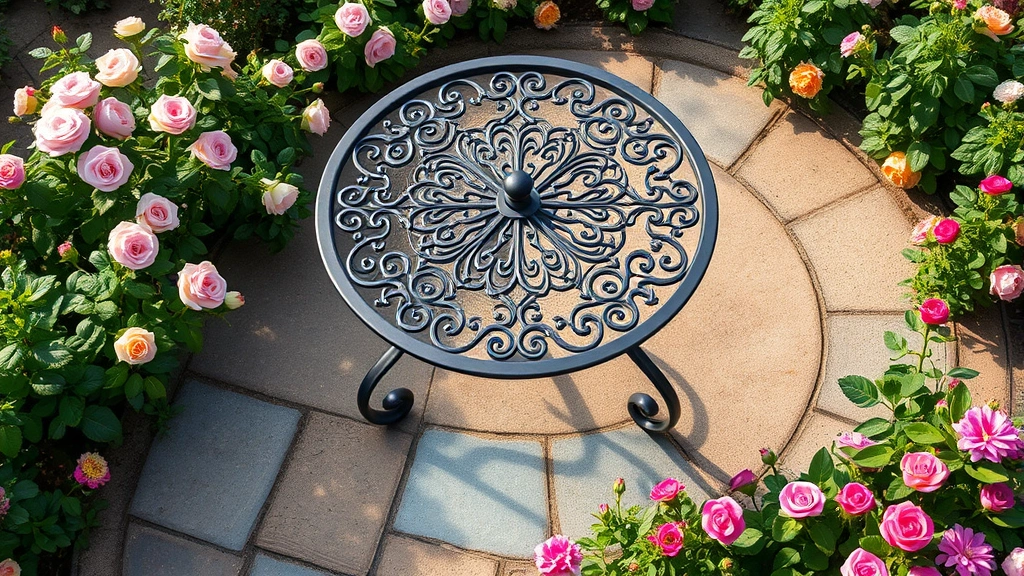
A wrought iron garden table stands as one of the most elegant and enduring choices for outdoor dining spaces. Whether you’re cultivating a Mediterranean-inspired retreat, a classic Victorian garden, or a contemporary outdoor living area, wrought iron furniture brings timeless sophistication and practical durability to any landscape. Unlike modern aluminum or plastic alternatives, genuine wrought iron develops character with age, creating a patina that deepens its visual appeal while maintaining structural integrity for decades.
Garden design experts consistently recommend wrought iron tables for homeowners seeking investment-quality outdoor furniture. The material’s inherent strength allows for intricate designs—scrollwork, decorative legs, and ornamental details—that simply cannot be achieved with lighter materials. Beyond aesthetics, wrought iron tables provide the perfect foundation for creating functional outdoor dining experiences, whether you’re hosting elaborate garden parties or enjoying quiet morning coffee surrounded by your herb garden plantings.
This comprehensive guide explores what makes wrought iron garden tables exceptional choices, how to select the perfect design for your space, maintenance strategies, and styling tips to integrate these statement pieces seamlessly into your outdoor garden environment.
Why Wrought Iron Garden Tables Excel
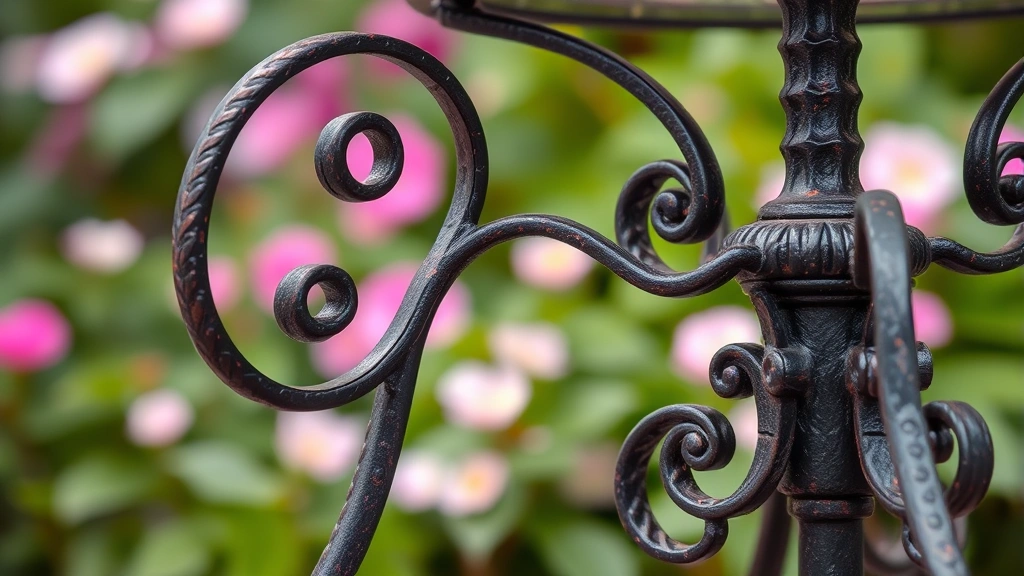
Wrought iron represents one of gardening’s best-kept secrets regarding outdoor furniture investment. Unlike modern composite materials that degrade under UV exposure or aluminum that can warp in extreme temperatures, wrought iron actually improves with age. The material’s exceptional weight provides stability that prevents tipping even in windy conditions—a critical safety consideration when dining outdoors with family.
The structural integrity of wrought iron allows designers to create tables with minimal support legs while maintaining maximum stability. This open design philosophy means less visual clutter around your garden space, allowing sightlines to extend toward prized plantings like your pumpkin plants or decorative container gardens. The iron’s thermal properties also make it ideal for warm climates—while it does absorb heat, it dissipates it evenly rather than becoming uncomfortably hot to touch like some metal alternatives.
Wrought iron tables seamlessly accommodate various tabletop materials. Whether you prefer glass tops that showcase the intricate ironwork beneath, marble surfaces for formal entertaining, or traditional wood tops for rustic charm, the iron frame provides a versatile foundation. This flexibility allows you to update the table’s appearance without replacing the entire piece—simply swap the tabletop to refresh your garden aesthetic seasonally.
Design Styles and Aesthetic Options
Design diversity represents one of wrought iron’s greatest advantages. Garden design professionals recognize that wrought iron accommodates virtually every stylistic preference. Victorian designs feature ornate scrollwork and decorative finials that evoke classic English garden aesthetics. Mediterranean styles showcase simpler geometric patterns inspired by European countryside estates. Contemporary designs strip away ornamentation, emphasizing clean lines and minimalist frames that suit modern landscape architecture.
For gardeners pursuing raised bed gardening layouts with structured outdoor spaces, rectangular wrought iron tables with angular designs create visual continuity. Round tables work beautifully for intimate garden nooks, promoting conversation while consuming less space than rectangular alternatives. Oval tables offer a compromise, providing ample surface area without the aggressive footprint of rectangular designs.
Decorative options extend to leg designs, which range from simple tapered styles to elaborate cabriole legs with claw feet. Some tables feature stretchers—horizontal supports between legs—that add visual interest while increasing structural rigidity. Tabletop edge treatments vary from simple flat edges to ornamental gallery rails that prevent items from sliding off.
Selecting the Right Size and Shape
Proper sizing ensures your wrought iron table functions beautifully within your garden space without overwhelming the area. Standard dining tables range from 36 to 42 inches wide and 48 to 72 inches long, though custom sizes accommodate unique spaces. For intimate garden settings, 36-inch round tables comfortably seat four adults. Larger rectangular tables—60 inches long—accommodate six to eight diners with comfortable spacing.
Consider how many people you typically entertain and how frequently you’ll use the table. A small round table suits gardeners who enjoy quiet morning contemplation or intimate dinners for two. Larger rectangular tables serve families with children or those who host regular gatherings. Remember that wrought iron’s weight means you’ll want a permanent location—moving a substantial table repeatedly becomes impractical.
Proportional relationships matter significantly. A delicate wrought iron table with ornate legs appears diminished on expansive patios, while massive tables overwhelm small courtyard gardens. Evaluate your space’s visual boundaries, considering nearby plantings, hardscape elements, and structures. A table should occupy roughly 25-30% of a patio’s total area to maintain balanced proportions.
Material Quality and Construction Considerations
Not all wrought iron tables offer equal quality. Genuine wrought iron—hand-forged metal worked by skilled craftspeople—represents premium investment pieces that appreciate in value. Mass-produced cast iron alternatives cost less but lack the refinement and longevity of authentic wrought iron. Understanding these distinctions prevents disappointment and ensures your purchase delivers lasting satisfaction.
Examine construction details carefully. Quality wrought iron features seamless joints where pieces connect—no visible gaps or rough welds. Decorative elements should feel substantial, not thin or flimsy. Test the table’s stability by gently pushing on corners; excessive wobbling indicates poor construction or uneven legs. The iron should feel smooth to touch, without sharp burrs or rough edges that could cause splinters or injuries.
Finish quality significantly impacts longevity. Premium tables receive multiple protective coatings—primer, paint or powder coating, and clear sealant—that defend against rust and UV damage. Budget options may feature single-coat finishes that deteriorate quickly. Black remains the traditional choice, but modern manufacturers offer bronze, verdigris, white, and custom colors. Matte finishes hide fingerprints better than glossy alternatives.
When considering materials for surface tops, glass provides an elegant option showcasing the ironwork, though it requires regular cleaning and can be slippery when wet. Marble offers luxury and durability but demands careful maintenance. Wood tops—typically teak or cedar—bring warmth and integrate beautifully with garden plantings. Tile inserts create rustic Mediterranean aesthetics.
Installation and Placement Strategy
Location profoundly influences your wrought iron table’s functionality and visual impact. Position tables where natural shade from mature trees provides afternoon protection during hot months. If you’re growing heat-sensitive vegetables like cucumbers in pots, positioning your dining table nearby allows you to monitor plants while entertaining. Avoid locations directly beneath trees that shed leaves excessively or produce sticky sap.
Ensure your chosen spot offers level ground. Even slight slopes cause tables to sit unevenly, creating wobbling that compromises both safety and comfort. Use a level to verify ground flatness, adjusting soil or adding shims beneath legs if necessary. Consider proximity to your kitchen or service area—tables positioned near outdoor kitchens or serving stations improve functionality for entertaining.
Evaluate wind exposure carefully. Wrought iron’s weight provides stability, but exposed hilltop locations or areas between buildings that create wind tunnels can still affect dining comfort. Natural windbreaks like hedges, fences, or structures provide protection while maintaining aesthetic appeal. If your garden features ornamental features like bonsai trees nearby, ensure the table’s placement doesn’t cast excessive shade on light-sensitive plantings.
Drainage considerations matter, particularly in regions with heavy rainfall. Position tables on permeable surfaces or ensure adequate slope to prevent water pooling around legs. Poor drainage accelerates rust development and creates muddy conditions that invite insects.
Maintenance and Seasonal Care
Wrought iron durability depends on consistent maintenance. Begin with protective finishes—if your table lacks adequate coating, apply rust-inhibiting primer followed by outdoor-grade paint or powder coating. This foundational step prevents rust development that compromises both appearance and structural integrity.
Seasonal cleaning prevents dirt and organic debris accumulation that traps moisture against the iron. Use mild soap and soft brushes to clean decorative elements; avoid abrasive scrubbing that damages protective finishes. Rinse thoroughly with clean water and dry completely to prevent water spotting. For stubborn stains, specialized metal cleaners designed for outdoor furniture provide effective solutions without harsh chemicals.
Monitor for rust development, especially along joints and crevices where moisture collects. Superficial surface rust—light orange discoloration—can be addressed with steel wool or specialized rust converters. Deep rust pitting requires professional restoration or table replacement. In humid climates, apply protective wax coatings annually to provide additional moisture barriers.
Winter storage depends on your climate. In mild regions, tables remain outdoors year-round with regular maintenance. Harsh winter climates benefit from protective covers or seasonal storage in covered spaces. If storing indoors, ensure adequate ventilation to prevent condensation. Check tables periodically during storage, addressing any rust development immediately.
Tabletop maintenance varies by material. Glass requires regular cleaning to prevent mineral deposits and fingerprints. Marble benefits from annual sealing and prompt cleanup of acidic substances like citrus or wine. Wood tops need regular sealing and occasional sanding to maintain appearance and protect against moisture infiltration.
Styling Your Table with Garden Elements
Integrating your wrought iron table into the broader garden landscape transforms it from functional furniture into a design focal point. Surround tables with complementary plantings—climbing roses, clematis, or jasmine grown on nearby trellises create romantic backdrops. Perennial borders featuring ornamental grasses, sedums, and flowering shrubs add color and texture without requiring constant maintenance.
Container gardening around tables provides flexibility and seasonal interest. Group potted plants featuring blueberries in containers, ornamental foliage, and cascading flowers to create living walls. This approach allows you to refresh the display seasonally, introducing spring bulbs, summer annuals, and fall mums without permanent planting commitments.
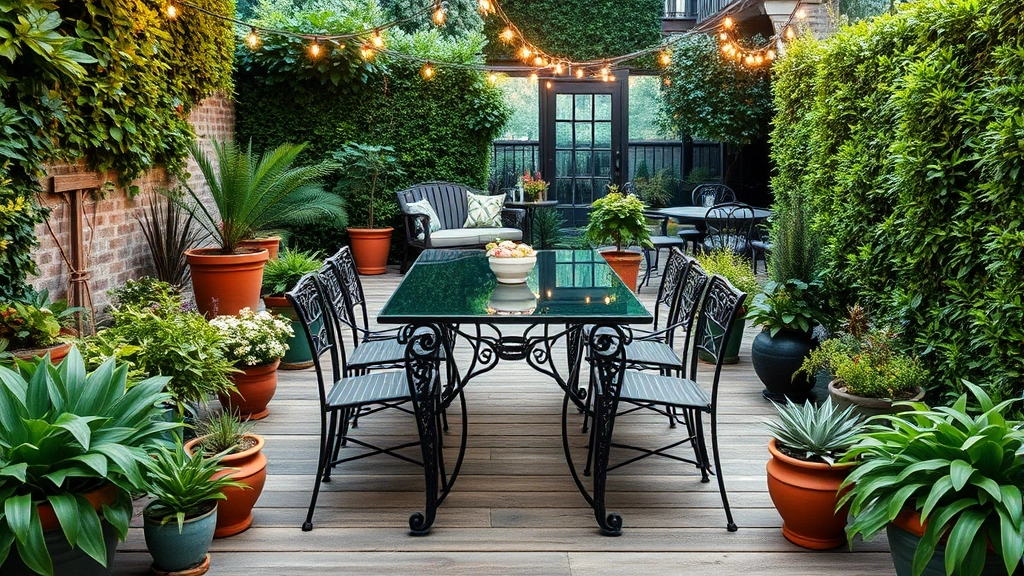
Lighting transforms wrought iron tables into evening gathering spots. String lights overhead create intimate ambiance while highlighting the table’s decorative ironwork. Solar-powered path lights positioned around the table base provide functional illumination and safety. Candles in glass hurricanes or lanterns add warmth without the maintenance of permanent fixtures.
Accessorizing thoughtfully enhances the table’s visual appeal. Quality outdoor tablecloths in natural fabrics complement iron’s weight and formality. Cushioned chairs in coordinating colors add comfort while protecting diners from iron’s temperature fluctuations. Weather-resistant table runners, centerpieces featuring fresh flowers or ornamental foliage, and properly scaled outdoor dinnerware complete the aesthetic.
Consider the table’s relationship to hardscape elements. Positioning tables on decorative paving or within defined patio spaces grounds them visually while creating distinct entertaining zones. Arbors or pergolas overhead add architectural interest while providing shade and weather protection. Water features like fountains nearby create soothing ambient soundscapes that enhance outdoor dining experiences.
FAQ
How much does a quality wrought iron garden table cost?
Authentic wrought iron tables range from $800 to $5,000+ depending on size, design complexity, and craftsmanship. Hand-forged pieces command premium prices, while mass-produced cast iron alternatives cost $400-1,500. Investment in quality ensures decades of reliable service and aesthetic appreciation.
Can wrought iron tables remain outdoors year-round?
Yes, with proper maintenance. Tables with quality protective finishes withstand outdoor exposure indefinitely in most climates. Harsh winters or salt-air environments require additional protective measures like annual waxing or seasonal covers. Regular inspection prevents rust development before it becomes problematic.
What’s the difference between wrought iron and cast iron tables?
Wrought iron is hand-forged, creating stronger, more refined pieces with seamless joints. Cast iron is mass-produced through molding, resulting in less detailed designs and visible seams. Wrought iron costs more but offers superior longevity and aesthetic refinement.
Are wrought iron tables suitable for small gardens?
Absolutely. Smaller round tables (30-36 inches) fit comfortably in compact spaces while maintaining the elegance wrought iron provides. Consider proportions carefully to ensure the table complements rather than overwhelms your garden.
How do I repair rust on my wrought iron table?
Surface rust can be addressed with steel wool or specialized rust converters, followed by protective coating application. Deep pitting requires professional restoration or replacement. Regular maintenance prevents rust development.
What tabletop materials work best with wrought iron frames?
Glass showcases decorative ironwork while providing easy cleaning. Marble offers luxury and durability. Wood—particularly teak—adds warmth and natural beauty. Tile creates rustic Mediterranean aesthetics. Choose based on your climate, maintenance preferences, and design vision.
Do wrought iron tables require cushions for comfort?
While iron itself is comfortable, cushioned chairs significantly enhance dining experiences by providing back support and temperature buffering. Quality outdoor cushions in weather-resistant fabrics add comfort without compromising the table’s elegant aesthetic.


