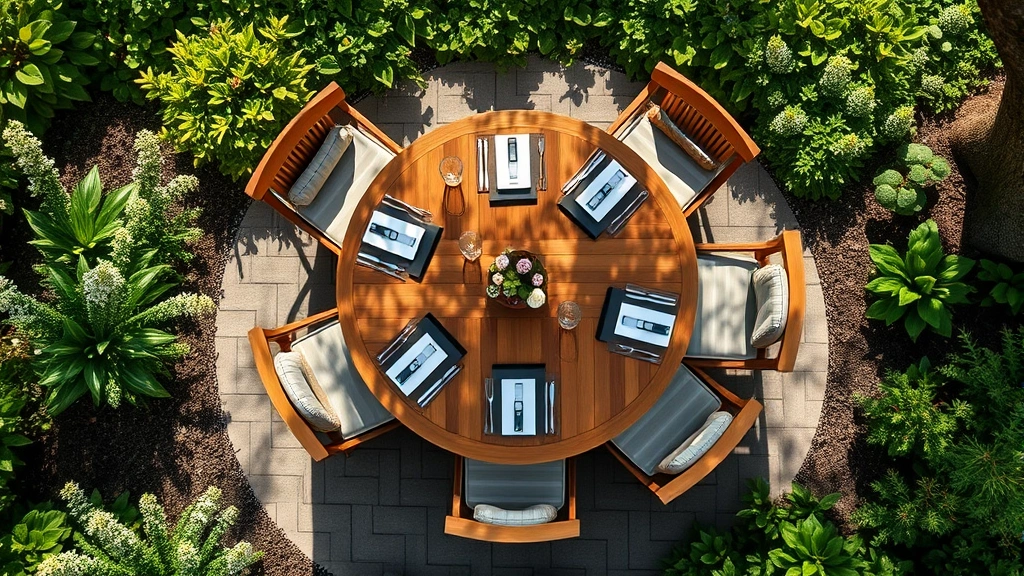
Selecting the right garden table and chairs round setup transforms your outdoor space into an inviting gathering area where family and friends can enjoy meals, conversations, and quality time surrounded by nature. Round garden furniture offers unique advantages over rectangular designs—it promotes better conversation flow, maximizes space efficiency in smaller gardens, and creates a more welcoming aesthetic that complements both formal and casual landscaping styles.
Whether you’re designing a cozy corner near your flower garden or creating a central gathering space in your backyard, round dining sets serve as functional focal points that encourage social interaction. The circular shape eliminates sharp corners, making round furniture safer for families with children and pets while providing 360-degree sightlines that make everyone feel equally included in conversations.
This comprehensive guide explores designer-approved strategies for selecting, positioning, and styling round garden furniture to create an outdoor living space that’s both aesthetically pleasing and practically functional year-round.
Why Round Garden Tables Excel in Outdoor Design
Round garden tables have dominated landscape design for centuries because they naturally facilitate conversation and create intimate social spaces. Unlike rectangular tables that establish a hierarchical seating arrangement with heads and tails, circular designs democratize the dining experience—no one sits in a secondary position, and everyone enjoys equal access to the table’s surface.
From a practical gardening perspective, round tables occupy less perimeter space than their rectangular counterparts, making them ideal for smaller gardens or raised garden bed arrangements. The circular footprint also allows for more flexible placement within garden layouts, adapting easily to curved pathways, circular patio designs, or gardens organized around central features like fountains or specimen plants.
Aesthetically, round furniture softens the angular nature of most residential properties. If your garden features succulent garden beds or geometric raised planters, a round table provides visual balance and prevents the entire outdoor space from feeling too rigid or structured. The gentle curves echo natural landscape forms and create a more harmonious relationship between your hardscape and plantings.
Round tables also photograph beautifully from overhead perspectives, making them popular for social media and creating memorable backyard aesthetics. Designers appreciate how circular furniture draws the eye toward the center of the space, naturally creating focal points that can be enhanced with garden fountain centerpieces, potted plants, or decorative parasols.
Sizing Your Round Garden Table and Chairs
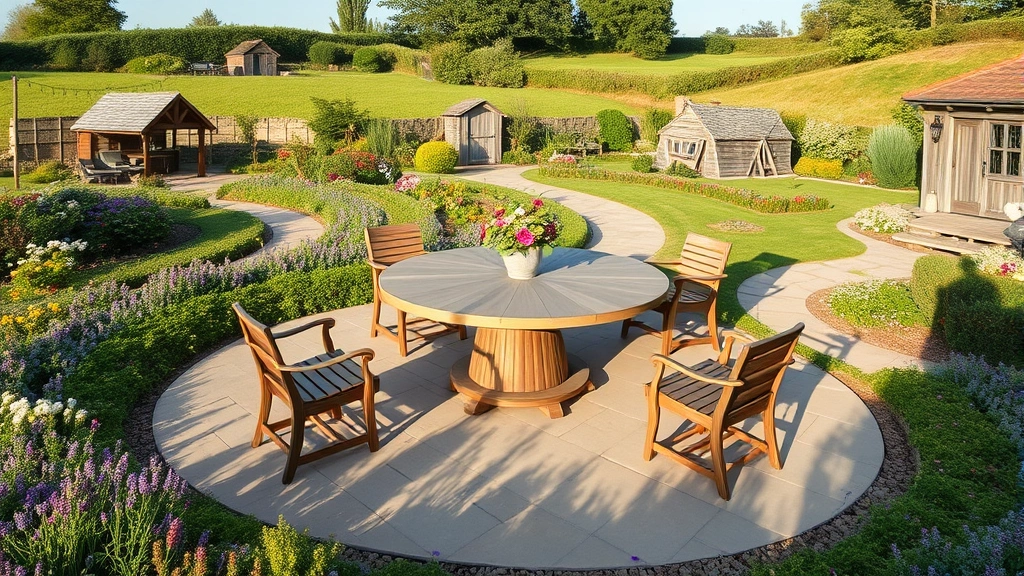
Proper sizing ensures your round garden table accommodates guests comfortably while leaving adequate circulation space around your seating area. The most common residential sizes range from 36 inches (seats 2-3 people) to 60 inches (seats 8-10 people), with 48-inch tables representing the popular middle ground for typical family gatherings.
Clearance Space Calculations: Design professionals recommend maintaining at least 36 inches of clearance between your table edge and surrounding landscape elements, pathways, or garden beds. This space allows chairs to be pulled back comfortably without guests scraping their legs on nearby plantings or structures. For high-traffic areas, increase clearance to 48 inches to prevent bottlenecks during entertaining.
When measuring your available space, account for the full sweep radius of chair movement. Imagine each dining chair pulled fully away from the table—the back legs should clear any nearby obstacles by at least 12 inches. This prevents guests from feeling cramped and allows natural movement without constant repositioning.
Chair-to-Table Proportions: Standard dining chairs measure 16-18 inches wide and 18-24 inches deep (from seat to backrest). For a 48-inch round table, you can comfortably seat six people using standard dining chairs. A 60-inch table accommodates eight chairs with adequate elbow room. Never exceed this ratio, as crowding reduces comfort and creates an awkward dining experience.
Consider the table height relative to chair seat height. Standard dining tables measure 28-30 inches tall, while chairs typically have 16-18 inch seat heights, creating approximately 10-12 inches of legroom. Verify these measurements when purchasing, as variations between manufacturers can affect comfort significantly.
Material Selection for Durability and Style
Round garden furniture materials profoundly impact longevity, maintenance requirements, and aesthetic compatibility with your landscape design. Each material offers distinct advantages and requires different care protocols.
Teak and Hardwoods: Premium hardwoods like teak naturally resist rot, insects, and weather damage due to their high oil content. Teak furniture develops an attractive silver-gray patina over time if left untreated, or maintains warm honey tones with annual oiling. These materials suit formal garden designs and complement natural landscape features beautifully. However, quality teak commands premium prices—expect to invest $2,000-$5,000 for a complete round dining set. Maintenance involves occasional cleaning and optional oiling every 12-18 months.
Aluminum and Metal Frames: Lightweight aluminum furniture resists rust and requires minimal maintenance, making it ideal for humid climates or gardens near water features. Modern aluminum designs often feature powder-coated finishes in various colors, providing flexibility for coordinating with garden art installations or architectural elements. Aluminum frames typically cost $800-$2,500 and pair beautifully with cushioned seats for added comfort. The lightweight nature makes rearranging furniture easy when redesigning garden layouts.
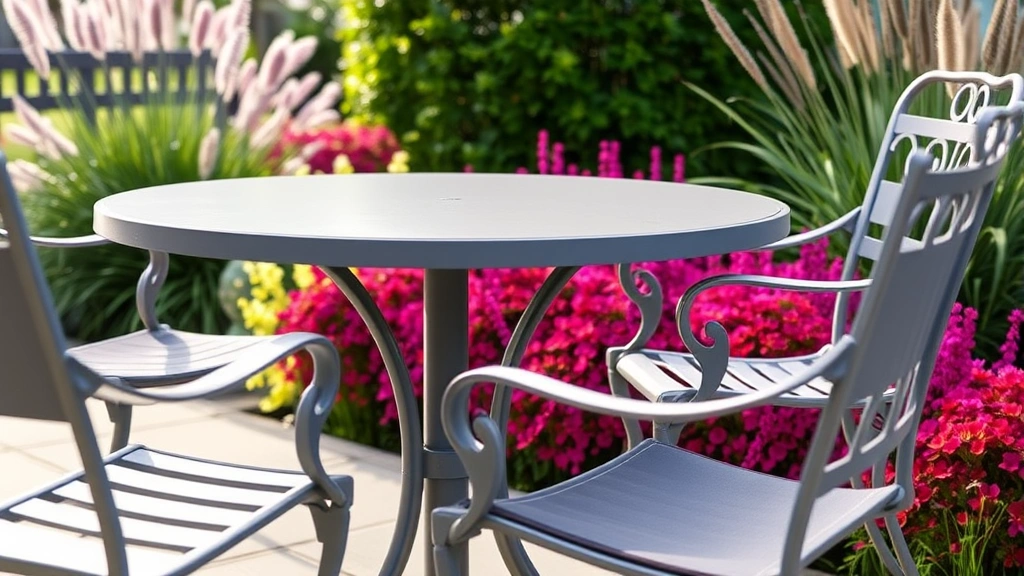
Wrought Iron and Steel: Traditional wrought iron conveys elegance and timeless appeal, particularly in cottage gardens or classical landscape designs. Iron withstands decades of use but requires rust prevention through regular painting or protective coatings. Modern powder-coated steel offers similar aesthetics with improved durability and lower maintenance. These materials suit gardens featuring ornamental elements or formal design schemes.
Plastic and Resin Composites: Budget-friendly plastic furniture resists weather damage and requires only occasional washing. Modern composite materials mimic wood grain or stone appearances while offering superior durability. These options work well for families with young children or casual garden settings. Quality varies considerably—invest in UV-stabilized composites rated for outdoor use to prevent fading and degradation.
Wicker and Rattan: Natural wicker creates casual, relaxed aesthetics and works wonderfully in cottage gardens or bohemian-style outdoor spaces. Synthetic wicker resists moisture and fading better than natural materials while maintaining authentic appearance. These materials require protection from extreme weather and benefit from seasonal storage in harsh climates.
Placement Strategies for Maximum Impact
Strategic furniture placement transforms round garden tables from simple functional items into design anchors that define outdoor spaces and enhance overall landscape aesthetics.
Creating Central Focal Points: Position your round dining set at the heart of your garden to establish a natural gathering space. This central placement encourages exploration of surrounding plantings and creates a sense of purposeful outdoor design. Designers often use round furniture as anchors in radial garden layouts, with pathways and planting beds extending outward in all directions.
Shade Considerations: Install your round table where it receives dappled afternoon shade, either from mature trees or a pergola structure. Direct sun exposure during peak hours (11 AM-4 PM) makes dining uncomfortable and accelerates furniture deterioration. If natural shade isn’t available, consider installing a shade sail or planting fast-growing vines on nearby trellises to develop shade gradually.
Sightline Enhancement: Position furniture to frame attractive garden views or landscape features. If you’ve invested in creating beautiful fairy ideas for the garden or specimen plantings, orient your seating to showcase these elements. Avoid positioning tables where views are blocked by fences, utility areas, or unattractive neighboring properties.
Wind Protection: Place round dining sets in locations sheltered from prevailing winds. Strong breezes make dining uncomfortable, scatter table settings, and can damage delicate plants or decorative elements. Hedgerows, fences, or strategically positioned plant groupings provide natural windbreaks that enhance comfort without requiring permanent structures.
Accessibility and Traffic Flow: Ensure pathways to your round dining area remain clear and well-maintained. Position furniture where guests can reach it without navigating through narrow passages or climbing steps. Consider sight lines from your home’s main entrances—visible seating areas create psychological invitations for outdoor entertaining.
Design Coordination with Garden Elements
Successful round garden furniture placement considers how the dining set interacts with broader landscape design themes and architectural elements.
Style Cohesion: Match furniture materials and finishes to complementary garden elements. Formal gardens with geometric planting beds suit wrought iron or teak furniture with clean lines. Cottage gardens benefit from wicker or painted metal pieces that echo the informal aesthetic. Mediterranean designs pair beautifully with terra cotta-colored cushions and rustic metal frames.
Scale and Proportion: Verify that your round table’s dimensions align appropriately with surrounding space. An oversized 60-inch table in a small urban garden creates an unbalanced, crowded feeling. Conversely, a tiny 36-inch table disappears visually in expansive landscapes. The furniture should occupy roughly 15-20% of your patio or gathering area for optimal visual balance.
Color Coordination: Select cushion colors and finishes that complement your garden’s color scheme. Neutral tones (grays, taupes, whites) provide versatility and allow vibrant plantings to remain the focus. Jewel tones (deep blues, emerald greens) create sophisticated atmospheres and coordinate beautifully with flowering plants. Consider seasonal color changes by investing in removable cushion covers.
Layered Lighting: Enhance evening entertaining by incorporating lighting around your round dining area. String lights overhead create ambiance, while subtle ground-level lighting illuminates pathways and prevents guests from tripping on uneven surfaces. Solar-powered options provide eco-friendly solutions without electrical installation complexity.
Seasonal Maintenance and Protection
Proper seasonal maintenance extends furniture lifespan significantly and preserves aesthetic appeal through changing weather conditions.
Spring Preparation: As growing season begins, inspect furniture for winter damage. Check for loose joints, cracked finishes, or accumulated debris. Clean surfaces thoroughly—use mild soap and water for most materials, avoiding harsh chemicals that may damage finishes. Apply protective coatings to wood surfaces before warm weather arrives, allowing ample drying time.
Summer Care: During peak use season, regularly wipe down surfaces to prevent pollen and dust accumulation. Inspect cushions for moisture or mold development, particularly in humid climates. Reposition furniture occasionally to prevent uneven fading from sun exposure. Monitor nearby plantings for overgrowth that might shade the area excessively or create moisture problems.
Fall Maintenance: As entertaining season winds down, perform deeper cleaning before storing seasonal items. Address any damage discovered during summer use. If your climate experiences harsh winters, apply additional protective coatings to wood and metal surfaces. Consider storing cushions indoors to prevent weather damage.
Winter Storage: In cold climates, protect furniture from snow, ice, and freeze-thaw cycles. Store cushions and removable components indoors. If furniture remains outdoors, cover it with breathable protective covers that prevent moisture accumulation while allowing air circulation. For valuable pieces, consider temporary relocation to sheltered storage areas.
Budget-Conscious Options Without Sacrificing Quality
Creating an attractive outdoor dining space doesn’t require premium prices—strategic shopping and smart material choices deliver excellent results within various budgets.
Mid-Range Solutions: Aluminum furniture with quality cushions ($1,200-$2,000) offers excellent durability and modern aesthetics without premium hardwood pricing. These sets typically include 4-6 chairs and a round table, providing complete dining functionality. Powder-coated finishes resist rust and require minimal maintenance compared to wood alternatives.
Outlet and Seasonal Sales: Purchase furniture during end-of-season sales (late August through September) when retailers discount outdoor pieces significantly. Off-season purchasing (November through March) often yields 30-50% savings on quality items. Sign up for retailer newsletters to receive advance notice of sales events.
Mixed Material Approaches: Combine budget-friendly bases with quality cushions and accessories. A moderately-priced aluminum or plastic table paired with premium outdoor fabric cushions creates an upscale appearance while controlling overall costs. Invest in high-quality elements guests directly interact with (seating comfort) rather than visible structural components.
Online Retailers: Direct-to-consumer furniture companies eliminate middleman markups, offering comparable quality at 20-40% below traditional retail prices. Research thoroughly—read customer reviews, verify warranty coverage, and confirm return policies before purchasing. Many reputable online retailers now offer white-glove delivery and assembly services.
Refinishing Existing Pieces: If you’ve inherited or purchased used round furniture, refinishing projects can restore appeal at minimal cost. Repainting metal frames, sanding and re-staining wood surfaces, or recovering cushions breathes new life into dated pieces while maintaining budget consciousness.
FAQ
What size round garden table fits six people comfortably?
A 48-inch round table accommodates six people with standard dining chairs (16-18 inches wide). This size provides adequate elbow room and allows servers to reach the center easily. Verify that your available space includes at least 36 inches of clearance around the table perimeter for comfortable chair movement.
Can round garden furniture work in small urban gardens?
Yes, smaller round tables (36-42 inches) work excellently in compact spaces. Their circular footprint requires less perimeter clearance than rectangular alternatives, and the design creates a defined gathering area without overwhelming limited square footage. Position tables against walls or fence lines to maximize usable garden space.
How often should I treat wood garden furniture?
Apply protective oil to untreated hardwood furniture every 12-18 months to maintain appearance and water resistance. If your furniture has been painted or sealed, inspect finishes annually and touch up damaged areas promptly. In harsh climates (salt air, extreme humidity), increase treatment frequency to twice annually.
What’s the best material for humid or coastal climates?
Aluminum and synthetic wicker resist salt spray corrosion better than wood or traditional metals. Teak also performs well in coastal environments due to its natural oils and rot resistance. Avoid untreated iron or steel in these conditions, as they require frequent maintenance to prevent rust development.
Should round garden furniture stay outdoors year-round?
In mild climates (USDA zones 9-11), quality outdoor furniture withstands year-round exposure. In colder regions, store cushions indoors and consider covering furniture during winter months. Freeze-thaw cycles can damage finishes and loosen joints, particularly on wooden pieces.
How do I prevent cushion mildew in humid climates?
Remove cushions during rainy periods and store them indoors. Ensure adequate airflow around furniture to prevent moisture accumulation. Use mildew-resistant outdoor fabric when purchasing new cushions. If mildew appears, clean with a solution of one part white vinegar to three parts water, then allow thorough air drying.
Can I leave my round garden table outside during winter?
This depends on your climate and furniture material. Quality teak and aluminum withstand winter conditions well. Wood furniture with painted finishes requires protective covering. In areas with heavy snow, remove tables to prevent structural damage from accumulated weight. Always use breathable covers that allow moisture to escape.


