Best Shade Cloth for Gardens? Expert Insights
Protecting your plants from excessive sunlight is one of the most critical decisions gardeners face, especially in hot climates or during intense growing seasons. Garden shade cloth has become an indispensable tool for maintaining optimal growing conditions, preventing sunscald, reducing heat stress, and extending the productive life of heat-sensitive plants. Whether you’re managing a vegetable garden, flower beds, or delicate perennials, choosing the right shade cloth can dramatically improve your harvest and plant health.
Shade cloth isn’t simply about blocking light—it’s about creating the perfect balance between protection and photosynthesis. Different plants require different levels of light filtration, and understanding these requirements is essential for successful gardening. This comprehensive guide will walk you through everything you need to know about selecting, installing, and maintaining the best shade cloth for your specific gardening needs.
Understanding Shade Cloth Percentages
The most critical specification when selecting garden shade cloth is its shade percentage, which indicates how much sunlight is blocked from reaching your plants. Shade cloth typically ranges from 30% to 90% density, with each percentage serving different purposes and plant types. Understanding these percentages is fundamental to making an informed purchase decision.
30-50% shade cloth is ideal for plants that still require substantial direct sunlight but benefit from afternoon protection during peak summer heat. This range works exceptionally well for flower gardens containing sun-loving perennials, herbs like basil and oregano, and many fruiting vegetables. The cloth filters harsh rays while maintaining the light intensity necessary for robust photosynthesis and fruit development.
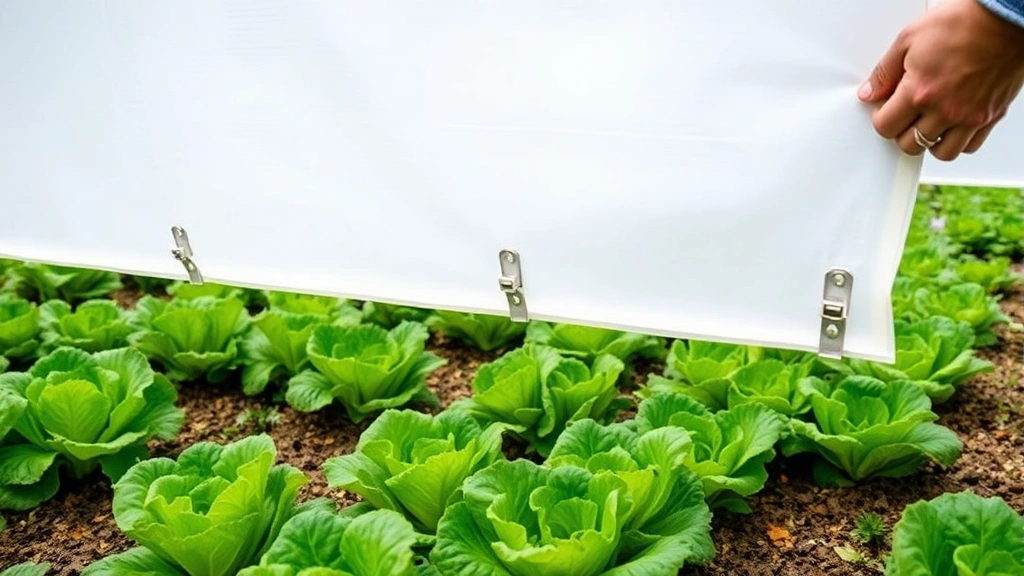
50-70% shade cloth represents the middle ground and is perhaps the most versatile option for home gardeners. This density suits leafy greens, partial-shade vegetables like lettuce and spinach, and ornamental plants that prefer dappled light conditions. Many experienced gardeners recommend this range as a safe starting point for experimental shade cloth use.
70-90% shade cloth is reserved for shade-loving plants and extreme heat protection scenarios. Hostas, ferns, impatiens, and other woodland plants thrive under this density. Additionally, nurseries and propagation areas frequently use 90% cloth to protect sensitive seedlings and newly transplanted specimens during their establishment period.
The percentage rating also affects temperature reduction. Studies from UC Davis demonstrate that properly installed shade cloth can reduce ambient temperatures by 5-15 degrees Fahrenheit, significantly impacting plant stress levels during heat waves.
Types of Shade Cloth Materials
Modern shade cloth manufacturing has evolved considerably, offering gardeners multiple material options with distinct advantages and disadvantages. Selecting the right material affects durability, light diffusion quality, water permeability, and long-term value.
Knitted polypropylene is the most common and affordable shade cloth material. It’s lightweight, UV-resistant, and available in virtually every shade percentage. This material allows water and air circulation while effectively filtering sunlight. Knitted cloth typically lasts 3-5 years before degradation, making it economical for gardeners on budget constraints. The open weave structure provides even light diffusion and reduces wind stress on plants.
Woven polyethylene offers superior durability compared to knitted alternatives, often lasting 5-8 years with proper care. The tighter weave provides more precise light filtration and better wind resistance. While slightly more expensive initially, woven cloth delivers better value over extended periods. This material is particularly suitable for permanent installations or high-wind areas.
Shade sails and mesh screens represent specialized alternatives to traditional cloth rolls. These pre-formed structures combine functionality with aesthetic appeal, often serving dual purposes as both shade providers and garden design elements. Shade sails work particularly well for vegetable garden layouts where you want to create defined growing zones with integrated protection.
Aluminized shade cloth incorporates reflective properties that bounce excess heat away from plants while filtering light. This premium option costs significantly more but provides superior heat reduction—often lowering temperatures by an additional 5-8 degrees compared to standard cloth. Aluminized cloth is ideal for extreme climates or high-value plant collections.
Each material responds differently to environmental factors. Polypropylene becomes brittle in extreme cold, while polyethylene maintains flexibility across wider temperature ranges. Humidity levels, UV exposure duration, and chemical treatments in your region all influence material longevity and performance.
Seasonal Considerations for Shade Protection
Strategic shade cloth deployment varies dramatically by season and geographic location. Understanding these seasonal patterns allows you to maximize plant health while minimizing unnecessary shade during periods when plants require full light exposure.
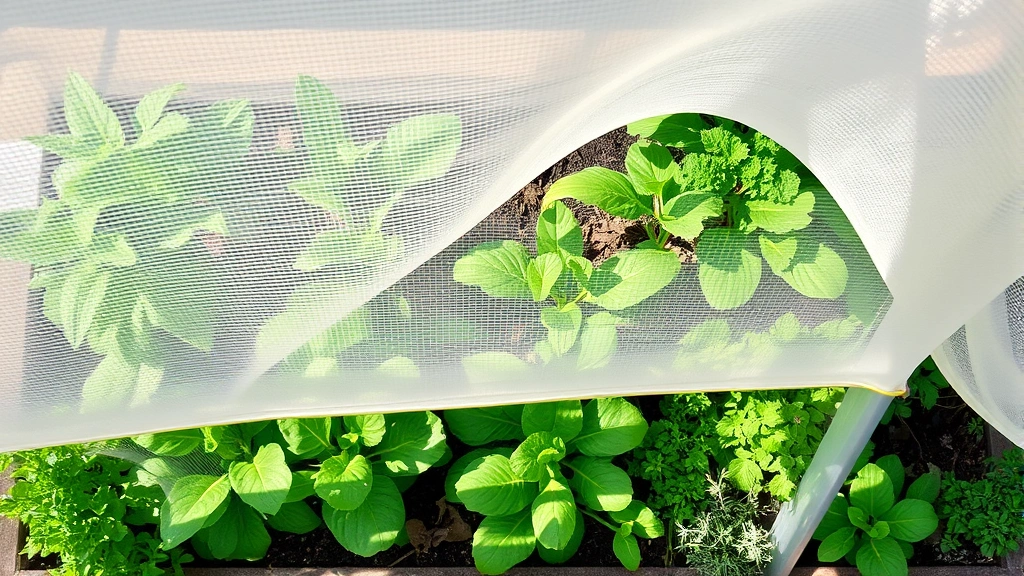
Spring deployment should begin cautiously as temperatures warm. Tender seedlings and newly transplanted specimens benefit from 30-50% cloth during their first 2-3 weeks of establishment. As plants acclimate and temperatures stabilize, gradually reduce shade cloth coverage or remove it entirely for sun-loving varieties. Monitor weather forecasts for unexpected late frosts—shade cloth can also provide frost protection by trapping heat and reducing radiation losses on clear nights.
Summer shade cloth is when most gardeners deploy their heaviest protection. As temperatures exceed 85-90°F, plants experience heat stress that reduces photosynthesis efficiency and increases water requirements. This is the critical period when proper shade cloth selection pays dividends. In regions with intense afternoon sun, deploying cloth by mid-morning and removing it before sunset optimizes light exposure while minimizing heat damage during peak hours.
Fall management requires reducing shade cloth as temperatures cool and the sun’s angle decreases. Many gardeners remove cloth entirely by late September in temperate zones, allowing plants to capture the lower-angle autumn light essential for ripening fruit and preparing for dormancy. Premature fall shade cloth removal allows plants to harden off properly before winter.
Winter considerations vary by climate. In frost-prone regions, shade cloth offers minimal benefit and should be removed to maximize available light during short days. However, in mild winter climates where cool-season crops thrive, lighter shade cloth (30%) can extend growing seasons for leafy greens by moderating temperature fluctuations.
Consider implementing proper shade management alongside other seasonal practices. Coordinating shade cloth deployment with raised garden construction or maintenance schedules streamlines your gardening workflow.
Installation Methods and Best Practices
Proper installation is absolutely critical to shade cloth effectiveness and longevity. Poor installation leads to uneven light filtration, wind damage, and premature material degradation. Several proven methods accommodate different garden structures and budgets.
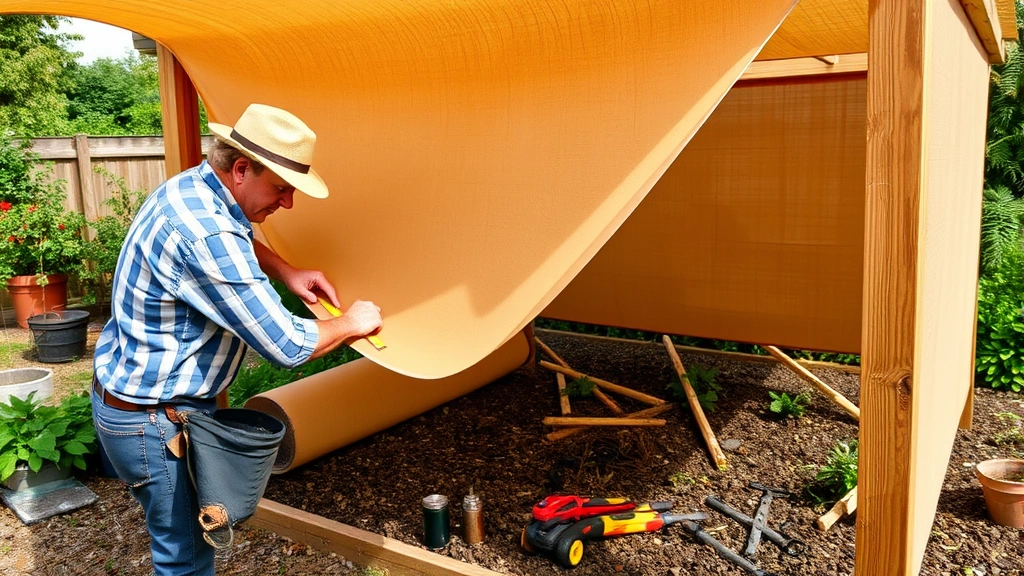
Frame-based installation using PVC pipes, wood frames, or metal structures provides maximum stability and allows for easy adjustment or removal. Construct a rectangular or arch-shaped frame sized appropriately for your garden beds. Attach shade cloth using clips, zip ties, or Velcro strips that permit seasonal removal without permanent alterations. This method works exceptionally well for vegetable garden layouts where you need flexibility in managing different planting zones.
Direct attachment methods involve securing cloth directly to existing structures like trellises, fences, or greenhouse frames. Use rust-resistant hardware, stainless steel clips, or UV-resistant zip ties to prevent material degradation. Leave adequate slack in the cloth—approximately 5-10% extra material—to accommodate wind movement and thermal expansion without creating stress points.
Shade sail installation requires tensioning hardware and anchor points capable of withstanding significant wind loads. Professional installation is often recommended for permanent shade sails, particularly in high-wind regions. Ensure proper slope (typically 20-30 degrees) for water drainage and optimal light diffusion.
Critical installation principles include ensuring at least 6-12 inches of clearance between cloth and plant foliage to promote air circulation. Stagnant air under shade cloth creates conditions favorable for fungal diseases and pest infestations. Proper spacing also prevents excessive heat accumulation and allows beneficial air movement that strengthens plant stems.
Install shade cloth with attention to wind exposure. In windy locations, lower shade percentages (30-50%) create less wind resistance than dense cloth. Alternatively, use specially designed wind-resistant weaves or install additional bracing to prevent cloth flutter that stresses plants and tears material.
When installing over raised garden beds, ensure the frame can support cloth weight plus wind loads. Test structural integrity before full deployment, particularly in regions prone to severe weather.
Choosing for Specific Plants
Different plant categories have distinct shade cloth requirements based on their light preferences, heat tolerance, and growth stage. Matching cloth density to specific plants ensures optimal growth rates and quality outcomes.
Vegetable shade cloth selection depends on the specific crop. Heat-sensitive crops like lettuce, spinach, and chard thrive under 50-70% cloth in hot climates, maintaining tenderness and preventing bolting. Tomatoes, peppers, and eggplants benefit from 30-50% cloth during extreme heat periods while retaining adequate light for fruit development. Root vegetables like carrots and beets tolerate higher shade percentages (60-70%) without yield reduction.
Flower garden protection varies by species. Impatiens, begonias, and hostas require 60-80% shade cloth year-round in most climates. Shade-tolerant perennials like astilbe and coral bells thrive under 50-70% cloth. Sun-loving flowers such as zinnias, marigolds, and sunflowers typically need shade cloth only during extreme heat events—50% cloth deployed during the hottest 4-6 weeks of summer.
Seedling and transplant protection requires temporary 70-90% shade cloth during the establishment phase. Newly transplanted specimens experience transplant shock that increases their heat and light sensitivity. Gradually reduce shade cloth coverage over 2-3 weeks as plants acclimate to outdoor conditions. This hardening-off process strengthens stems and develops the waxy cuticle that protects against environmental stress.
Herb shade requirements vary considerably. Mediterranean herbs like rosemary, thyme, and oregano are sun-loving and rarely need shade cloth. Basil and cilantro benefit from 30-40% cloth in extremely hot climates, maintaining leaf tenderness and delaying bolting. Shade-tolerant herbs like mint and parsley thrive under 50-60% cloth.
Tree and shrub establishment often benefits from temporary shade cloth. Young trees planted in full sun benefit from 30-40% cloth during their first 1-2 growing seasons, reducing transplant stress and promoting root establishment. Remove cloth as trees mature and develop sufficient canopy to self-shade lower portions.
Consult resources from Garden Myths and your local Master Gardener program for region-specific recommendations. Extension services provide invaluable guidance on shade cloth use for local climate conditions and specific plant varieties adapted to your area.
Maintenance and Longevity
Proper maintenance significantly extends shade cloth lifespan and maintains consistent light filtration quality. Neglected cloth degrades rapidly and loses effectiveness over time.
Seasonal cleaning removes accumulated dust, pollen, and debris that reduces light transmission. Gentle rinsing with a soft-bristled brush and low-pressure water spray removes contaminants without damaging material. Avoid high-pressure washers that can tear or fray edges. Spring and fall cleaning sessions—before deployment and after removal—maintain optimal light filtration.
UV protection strategies slow material degradation. Many shade cloths include UV stabilizers, but additional protection extends lifespan. Store cloth indoors during off-season months rather than leaving it exposed to intense UV radiation. When installed year-round, consider applying UV protectant sprays specifically formulated for synthetic materials.
Tear and damage repair should be addressed immediately to prevent expansion. Small tears (less than 2 inches) can be patched using shade cloth repair kits available from garden suppliers. Larger damage typically requires section replacement or full cloth replacement if the damage is extensive or structural integrity is compromised.
Hardware inspection prevents catastrophic failures. Check clips, zip ties, attachment points, and frame components monthly for corrosion, loosening, or wear. Replace corroded hardware with stainless steel or zinc-plated alternatives that resist rust. Tighten loose fasteners before they create stress points that tear cloth.
Storage considerations dramatically impact cloth longevity. Store removed cloth in a cool, dry location protected from direct sunlight, extreme temperatures, and moisture. Roll cloth loosely rather than folding tightly—tight folds create permanent creases that weaken fibers. Store in breathable containers (not sealed plastic) to prevent moisture accumulation and mildew growth.
Most quality shade cloth remains effective for 5-8 years with proper maintenance. Budget for replacement every 7-10 years as a standard practice, even if cloth appears functional. Older cloth gradually loses light transmission clarity and UV stabilizer effectiveness, reducing performance even if visible damage is absent.
FAQ
What shade cloth percentage should I use for my vegetable garden?
Most vegetable gardens benefit from 30-70% shade cloth depending on the specific crop and your climate. Heat-sensitive leafy greens thrive under 50-70%, while sun-loving fruiting vegetables like tomatoes need only 30-50% during extreme heat. Start with 50% cloth as a safe middle-ground option, then adjust based on plant response.
Can shade cloth protect against frost?
Yes, shade cloth provides modest frost protection by trapping radiant heat and reducing radiation losses on clear nights. However, frost protection typically requires heavier cloth (70%+) and proper installation to trap warm air. For serious frost protection, use dedicated frost cloth or row covers designed specifically for this purpose rather than relying on shade cloth.
How do I install shade cloth over raised garden beds?
Build a simple frame using PVC pipes or wood that sits above the raised bed, or attach cloth directly to the raised bed walls using clips or Velcro strips. Ensure adequate clearance between cloth and plants for air circulation. For temporary installation, use removable clips that allow quick deployment and removal as needed.
What’s the difference between shade cloth and shade sails?
Shade cloth refers to roll material attached to frames or structures, while shade sails are pre-formed tensioned structures. Shade sails offer aesthetic appeal and permanent installation capability, while cloth rolls provide flexibility and easier seasonal adjustment. Both provide similar light filtration when properly installed.
How much does quality shade cloth cost?
Budget approximately $0.30-0.75 per square foot for knitted polypropylene cloth, $0.50-1.00 per square foot for woven polyethylene, and $1.00-2.00+ per square foot for premium aluminized cloth. Prices vary by shade percentage, brand, and supplier. Installation hardware costs additional $50-300 depending on installation method and garden size.
Should I use shade cloth indoors or only outdoors?
Shade cloth is designed for outdoor use and provides no benefit indoors. For indoor light reduction, use shade blinds, curtains, or interior shading systems designed for interior environments. Outdoor shade cloth is manufactured with UV stabilizers unnecessary indoors and won’t perform optimally in interior conditions.
Can I leave shade cloth up year-round?
While physically possible, year-round shade cloth typically reduces winter light availability when plants need maximum light during short days. Remove cloth during winter months in most climates to allow plants to capture available sunlight. In mild winter climates where cool-season crops grow, lighter cloth percentages (30-40%) may benefit winter gardens.
How often should I water plants under shade cloth?
Shade cloth reduces evaporation, so plants typically require less frequent watering than unshaded plants. Monitor soil moisture carefully and adjust watering frequency based on actual soil conditions rather than assumptions. The reduced light also slightly decreases transpiration rates, further reducing water requirements.


