
Best Garden Seeder? Expert Recommendations for Every Gardener
Choosing the right garden seeder can transform your planting experience from tedious and error-prone to efficient and enjoyable. Whether you’re starting a small vegetable patch or maintaining a sprawling landscape, the tool you select makes an enormous difference in seed placement accuracy, spacing consistency, and overall garden success. A quality seeder saves time, reduces seed waste, and helps you achieve the uniform plant spacing that leads to healthier, more productive gardens.
This comprehensive guide explores the best garden seeders available today, breaking down different types, key features to consider, and expert recommendations based on garden size and planting style. We’ll help you make an informed decision so you can spend less time wrestling with seeds and more time enjoying your thriving garden.
Types of Garden Seeders Explained
Understanding the different categories of garden seeders is essential before making a purchase decision. Each type serves specific purposes and works best with particular garden configurations and seed types. The main categories include hand-held seeders, precision row seeders, and broadcast seeders, each with distinct advantages and limitations.
Hand-held seeders are perfect for gardeners with easy to grow vegetables for beginners or small-scale operations. These lightweight tools fit easily in your palm and allow you to place seeds individually with precision. They’re ideal for planting in containers, small beds, or when you need exact seed placement for starting expensive heirloom varieties.
Precision row seeders, sometimes called seed drills, are mechanical devices designed to plant seeds in straight lines at consistent depths and spacing. These tools are invaluable for traditional vegetable gardens where you’re planting multiple rows of crops like beans, carrots, lettuce, and peas. Many serious gardeners consider a quality row seeder the cornerstone of their tool collection because it dramatically increases planting speed while maintaining perfect spacing.
Broadcast seeders scatter seeds across a wide area, making them perfect for establishing lawns, cover crops, or wildflower meadows. These seeders work by spreading seeds across a broad swath as you walk, creating a random distribution pattern that works well for grass and flowers but less so for vegetables requiring precise spacing.
Hand-Held Seeders for Small Gardens
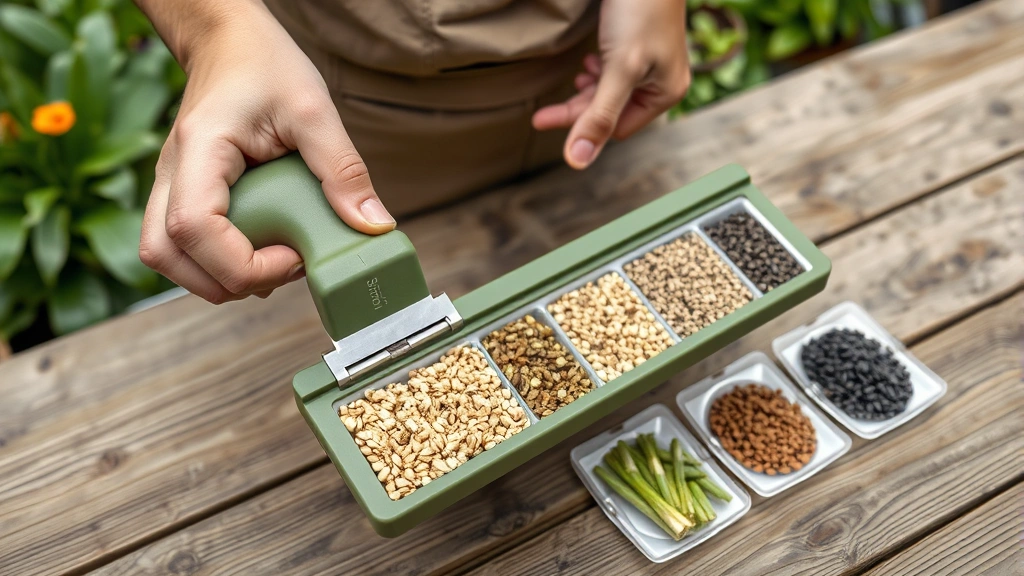
Hand-held seeders represent the most accessible entry point for gardeners seeking to improve their planting precision. These compact tools use various mechanisms—from finger-triggered designs to rotating cylinders—to dispense seeds one at a time or in small groups. The best hand-held seeders combine ergonomic design with reliable seed delivery mechanisms.
Finger Seeders (Pinch-Type) are the simplest and most affordable option. You manually pick up seeds and place them in a small hopper, then use your finger to trigger release of individual seeds. While primitive, they work excellently for large seeds like beans, corn, and peas. The main limitation is speed—you can only plant as fast as your fingers allow.
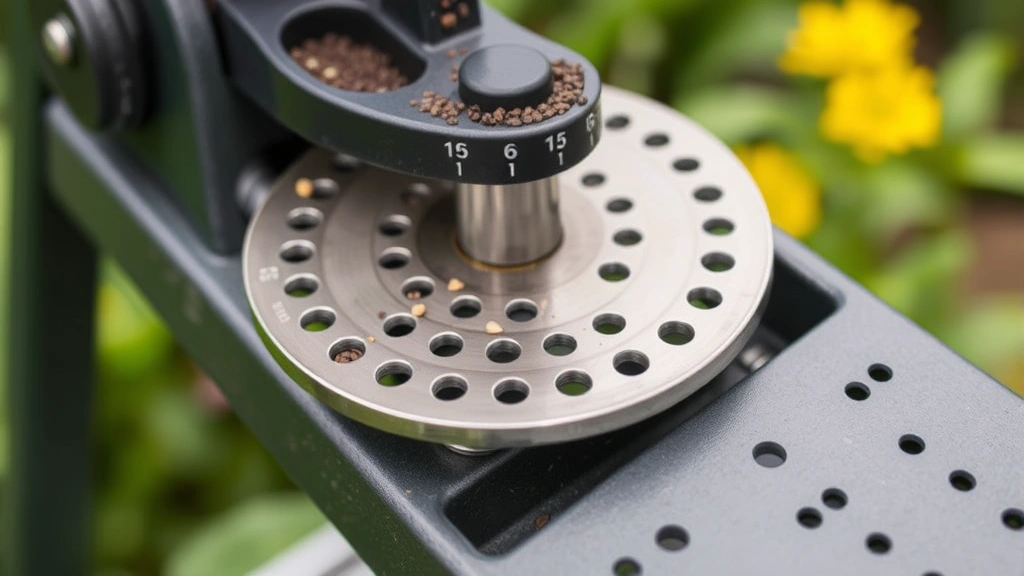
Rotating Cylinder Seeders feature a cylindrical chamber with varying sized holes. As you rotate the cylinder, different sized holes align with your seed reservoir, dispensing the appropriate quantity for your seed type. These seeders handle smaller seeds much better than finger-operated versions and work well for carrots, beets, and lettuce. They’re particularly valuable when you’re planting in galvanized steel raised garden beds where precision matters.
Dibber Seeders combine a pointed planting tool with a seed chamber. You push the point into soil to create a hole, then release a seed from the chamber above. These work wonderfully for medium-sized seeds and are particularly useful for transplant spacing and individual seed placement in ornamental gardens.
Hand seeders typically cost between $15 and $50, making them an excellent investment for small-space gardeners. They require minimal maintenance, take up almost no storage space, and provide years of reliable service. Many experienced gardeners keep several different hand seeders on hand for different seed types.
Precision Seeders for Row Gardens
For gardeners with traditional vegetable gardens or community garden near me plots, precision row seeders represent the gold standard. These mechanical devices mount on a single or double wheel and feature adjustable depth settings, seed spacing controls, and soil-covering mechanisms all in one unit.
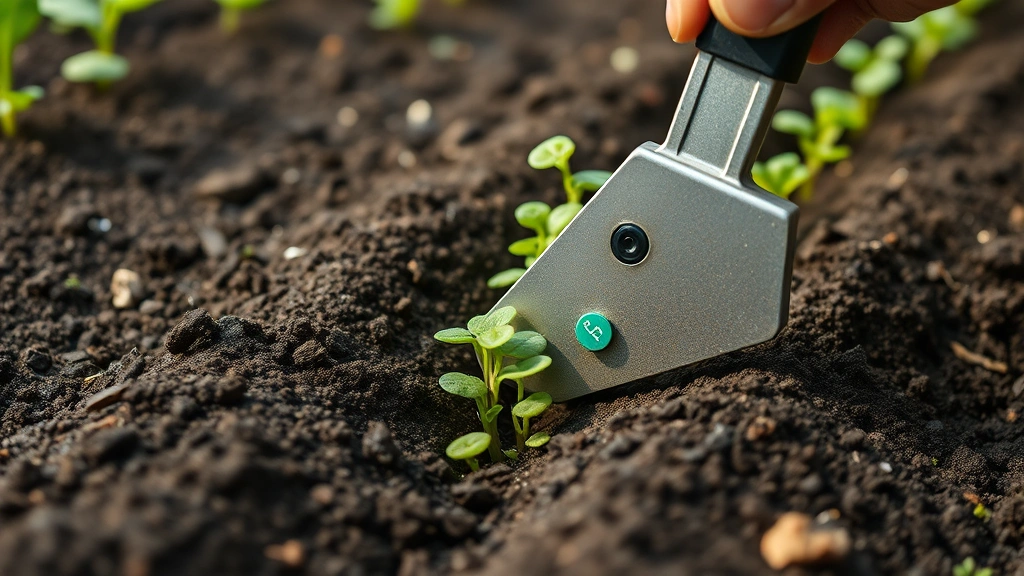
Single-Wheel Seeders are the most popular choice for home gardeners. You push the wheeled seeder along your prepared row, and it simultaneously creates a furrow, deposits seeds at precise intervals, covers them with soil, and firms the soil. The best models allow you to adjust seed spacing (typically 4 to 12 inches apart), planting depth (½ inch to 2 inches), and seed rate based on what you’re planting.
The Burpee brand seeders are legendary among home gardeners for reliability and ease of use. Their models feature interchangeable seed plates, allowing you to quickly switch between planting small seeds like carrots and larger seeds like beans. Most quality seeders include multiple seed plates in the package.
Double-Wheel Seeders feature two wheels with the seed mechanism between them. This design provides superior stability on uneven ground and allows for wider coverage. These seeders are excellent for large gardens or commercial operations but represent a significant investment ($200-400).
Key advantages of precision row seeders include:
- Perfect seed spacing eliminates thinning requirements
- Consistent planting depth ensures uniform germination
- Dramatically faster planting than hand methods
- Reduced seed waste through accurate placement
- Creates ideal soil-to-seed contact for reliable sprouting
The learning curve for precision seeders is minimal—most gardeners master them after one or two uses. However, you must properly prepare your garden bed beforehand, removing clods and creating a level surface for best results.
Broadcast Seeders for Large Areas
When you need to cover large areas quickly—whether establishing a lawn, planting a cover crop, or creating a wildflower meadow—broadcast seeders excel. These tools distribute seeds randomly across a wide area, eliminating the need for precise row planting.
Hand-Crank Broadcast Seeders feature a hopper and spinning disk mechanism. As you turn the crank, the spinning disk flings seeds outward in a spreading pattern, typically covering 4 to 8 feet in width. These seeders work wonderfully for grass seed, clover, and wildflower mixes. The main limitation is consistency—wind and terrain affect distribution patterns.
Push Broadcast Seeders mount on a wheeled frame and dispense seeds as you walk. These are excellent for larger properties and commercial applications. They’re particularly popular for establishing lawn areas and are often available for rent from garden centers if you only need one occasionally.
Shoulder-Slung Broadcast Seeders hang from your shoulder like a bag, with a hand crank mechanism. These portable options are perfect for medium-sized areas and provide excellent control over seed distribution. They’re lightweight and easy to manage, making them ideal for hillsides or irregular terrain where wheeled seeders struggle.
Broadcast seeders typically range from $30 to $150, depending on capacity and mechanism type. For most home gardeners, a basic hand-crank model provides excellent value and performance.
” alt=”Close-up of precision seeder planting vegetable seeds in prepared garden row with soil”>
Key Features to Look For
Regardless of which seeder type you choose, certain features consistently separate quality tools from mediocre ones. Understanding what makes a great garden seeder helps you evaluate options and make a confident purchase decision.
Seed Plate Compatibility: The best seeders include multiple interchangeable seed plates or offer easy access to additional plates. Different seed types have different sizes, so you need appropriate plates for carrots, beans, lettuce, and other crops. Check whether replacement plates are readily available and reasonably priced.
Adjustable Depth Settings: Seeds require different planting depths. Lettuce needs shallow planting (¼ inch), while beans require deeper placement (1½ inches). Quality seeders allow you to easily adjust depth without tools. Look for clear, easy-to-read depth markings.
Spacing Control: The ability to adjust seed spacing is crucial. You might want carrots 2 inches apart but beans 6 inches apart. The best seeders offer multiple spacing options, either through different seed plates or adjustable mechanisms. This flexibility is essential for growing diverse crops.
Ergonomic Design: You’ll be pushing or carrying your seeder repeatedly during planting season. Handles should be comfortable, appropriately angled, and positioned for your height. Test-drive seeders if possible, or carefully review customer feedback about comfort during extended use.
Durability and Materials: Quality seeders use stainless steel or powder-coated metal that resists rust and corrosion. Plastic components should be heavy-duty and reinforced. Check that wheels are sturdy and bearings are sealed against moisture.
Soil Coverage Capability: Many precision seeders include a soil-covering mechanism that closes the furrow after seed placement. This is incredibly valuable because it ensures proper seed-to-soil contact and protects seeds from birds. Some models allow you to disable this feature for crops where you want seeds on the surface.
Seed Hopper Capacity: Larger hoppers mean fewer refills but heavier seeders. For small gardens, a 1 to 2-pound capacity suffices. Larger operations benefit from 5 to 10-pound hoppers that reduce refilling frequency.
Comparing Top Brands and Models
Earthway 1001-B Precision Garden Seeder is consistently rated among the best precision seeders available. This single-wheel model features excellent build quality, smooth operation, and reliable seed delivery. It includes eight seed plates covering most common vegetables and costs around $100. Users praise its durability and ease of adjustment.
Sutton Seeds Professional Seeder offers premium construction and exceptional precision. While more expensive ($150-180), it features superior seed plates, smoother operation, and excellent warranty support. This seeder is ideal for serious gardeners and small-scale commercial operations.
Dramm ColorStorm Broadcast Seeder is the go-to choice for lawn and large-area seeding. This hand-crank model distributes seed evenly, handles various seed types, and costs only $40-50. Its simplicity and reliability make it a perennial bestseller.
Hoss Tools Seeder represents excellent value for precision row seeding. This newer brand focuses on quality construction and farmer-friendly design. Their seeders cost $80-120 and include innovative features like sealed bearings and premium seed plates.
When comparing seeders, consider your garden size, primary crops, and budget. Small gardens (under 500 square feet) usually don’t justify expensive precision seeders—hand-held options provide better value. Medium gardens (500-2000 square feet) benefit enormously from precision row seeders. Large gardens and garden fresh farmers market operations should invest in quality equipment that will serve for years.
Maintenance and Care Tips
Proper maintenance extends your seeder’s lifespan and maintains consistent performance season after season. A well-maintained seeder works reliably for 10+ years, making proper care an excellent investment.
Post-Season Cleaning: After planting season ends, thoroughly clean your seeder. Remove all seed residue from the hopper and seed plates—dried seeds can cause jamming next season. Use a soft brush and compressed air to remove soil and debris from moving parts. Never use water or solvents on seed plates, as they can cause rust.
Storage Conditions: Store seeders in a dry location protected from moisture. Hang them on a wall or store in a shed to prevent rust development. If storing for extended periods, apply a light coat of oil to metal parts. Keep seed plates organized in labeled containers so you can quickly locate them when needed.
Seasonal Inspection: Before planting season begins, inspect your seeder thoroughly. Check wheels for damage, ensure all moving parts operate smoothly, and verify that depth and spacing adjustments work properly. Lubricate wheel bearings and any pivot points with light machine oil.
Seed Plate Care: Seed plates are precision components that require gentle handling. Never force seeds through plates—if jamming occurs, clear the obstruction gently. Store plates separately to prevent warping or damage. Replace plates that develop cracks or bent holes, as they’ll cause inconsistent seed delivery.
Wheel Maintenance: Clean wheels after each use to remove soil buildup. Check that wheels spin freely and don’t wobble. Replace wheels if they become cracked or severely worn, as this affects planting depth consistency.
Adjustment Mechanisms: All adjustment screws and levers should move smoothly. If they become stiff, apply a small amount of penetrating oil and work the adjustment back and forth gently. Tighten any loose fasteners before storing for the season.
” alt=”Gardener holding hand-held seeder with various seed types arranged on wooden garden table”>
FAQ
What’s the difference between a seeder and a planter?
Seeders dispense small seeds at precise intervals for direct sowing into garden beds. Planters are typically larger machines designed to plant seed potatoes, transplants, or other larger items. For most home gardeners planting vegetables and flowers from seed, a seeder is the appropriate tool.
Can I use one seeder for all my seeds?
Most quality seeders work with multiple seed types through interchangeable seed plates. However, very small seeds (like petunia or begonia) and very large seeds (like pumpkins) may require specialized plates. Check what plates come with your seeder and what’s available separately.
How do I know what depth to plant my seeds?
A general rule is planting seeds at a depth equal to twice their thickness. The seed packet always includes recommended planting depth. Most seeders offer 6-8 depth settings covering the range needed for common vegetables.
Are expensive seeders worth the investment?
For small gardens, probably not—hand seeders provide better value. For medium to large gardens, investing in a quality precision seeder saves time, reduces seed waste, and improves germination. Consider it a 10-year investment that pays dividends through improved planting efficiency.
Can I plant in raised beds with a seeder?
Yes, but precision seeders work best in raised beds with at least 10-12 inches of depth. Hand seeders and small hand-crank broadcast seeders are often more practical for smaller raised beds. Check our guide on galvanized steel raised garden beds for more information about optimizing bed design for seeding.
What should I do if my seeder jams?
Stop immediately and investigate. Usually, dried seed residue or a bent seed plate causes jamming. Clear any visible obstructions gently. Check that your seeds aren’t too moist (moisture causes clumping). Ensure you’re using the correct seed plate for your seed type and size.
How do I choose between hand-held and precision row seeders?
Hand-held seeders are ideal for small gardens, containers, and situations requiring precise individual seed placement. Precision row seeders excel for traditional vegetable gardens with multiple rows. If you’re planting easy to grow vegetables for beginners in rows, a precision seeder dramatically improves the experience.
Can seeders handle germination-sensitive seeds?
Yes, quality seeders place seeds at consistent depths and create excellent soil-to-seed contact, both essential for germination. The main advantage of using a seeder for sensitive seeds is precision—you place each seed exactly where needed, reducing waste of expensive or rare seed varieties.
Where should I buy a garden seeder?
Local garden centers allow you to handle tools before purchasing. Online retailers offer wider selection and often better pricing. Consider checking Gardeners’ Supply, Johnny’s Selected Seeds, or USDA NRCS resources for recommendations and quality options.
Selecting the right garden seeder transforms your planting process from frustrating to efficient. Whether you choose a simple hand-held option, invest in a precision row seeder, or use a broadcast seeder for large areas, you’ll immediately appreciate how the right tool improves your gardening experience. Start with your garden size and primary crops, then choose accordingly. Your future self—less bent over, planting fewer seeds manually, enjoying more consistent germination—will thank you for making this investment in your gardening success.