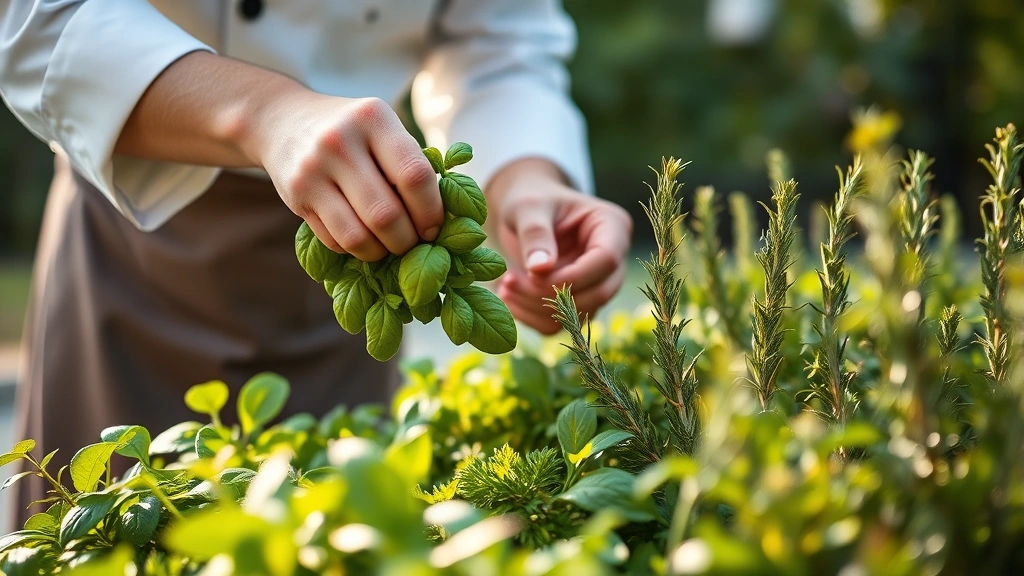
Garden Restaurant Ideas: Chef’s Top Picks for Growing Your Own Culinary Garden
Creating a garden restaurant experience at home begins with understanding that the finest dining starts in the soil. Professional chefs have long recognized that the freshest ingredients elevate every dish, and growing your own culinary garden transforms how you cook and eat. Whether you’re designing a dedicated space for edible plants or integrating herbs and vegetables into existing landscapes, this comprehensive guide explores expert-approved techniques for establishing a productive garden that supplies your kitchen with restaurant-quality ingredients year-round.
The concept of farm-to-table dining has revolutionized how home cooks approach meal preparation. By cultivating your own garden restaurant space, you gain complete control over growing methods, harvest timing, and ingredient selection—advantages that professional chefs cherish. This guide reveals the strategies, plant selections, and design principles that transform ordinary gardens into sources of exceptional culinary inspiration.
Essential Herbs for Your Chef’s Garden
Culinary herbs represent the foundation of any garden restaurant concept. These aromatic plants provide concentrated flavors that elevate simple ingredients into sophisticated dishes. Professional chefs prioritize herbs because they offer immediate gratification—fresh basil, parsley, and thyme deliver flavor profiles that dried alternatives cannot replicate.
Basil stands as the most versatile culinary herb for home gardeners. Sweet basil thrives in warm conditions and produces abundant foliage throughout summer months. Plant basil in full sunlight with well-draining soil, spacing plants 12 inches apart. Regular pinching of flower buds encourages bushier growth and extends the productive season. Thai basil and lemon basil provide alternative flavor profiles for adventurous cooks seeking complexity in their cuisine.
Parsley, both flat-leaf and curly varieties, offers nutritional benefits alongside culinary applications. This biennial herb tolerates partial shade better than most culinary plants, making it ideal for gardens with limited sunny space. Harvest parsley from the outside of the plant, working inward, to encourage continuous growth throughout the season. Chefs appreciate parsley’s mild flavor that complements rather than dominates dishes.
Thyme encompasses dozens of varieties, each with distinct flavor characteristics. English thyme provides reliable performance in most climates, while lemon thyme adds bright citrus notes to seafood and poultry dishes. Thyme requires excellent drainage and minimal fertilizer—excessive nutrients reduce the essential oil concentration that creates its distinctive flavor. These hardy perennials establish quickly and provide harvests for years with minimal maintenance.
Rosemary brings woodsy depth to Mediterranean-inspired cooking. This drought-tolerant perennial thrives in containers or garden beds with sandy, well-draining soil. Rosemary’s needle-like foliage and impressive longevity make it a permanent fixture in serious culinary gardens. Upright varieties suit hedging applications, while spreading types work beautifully in containers positioned near kitchen entrances.
Oregano and marjoram deliver authentic Mediterranean flavors essential to countless cuisines. These spreading perennials establish quickly and tolerate dry conditions once established. Greek oregano offers superior flavor to common varieties, making it worth sourcing from specialty nurseries. Harvest herbs in morning hours when essential oil concentrations peak, just after dew dries but before intense afternoon heat.
Vegetable Selection for Year-Round Cooking
Successful garden restaurants feature vegetables selected for culinary versatility and growing reliability in your specific climate zone. Rather than growing everything, focus on crops that deliver superior flavor when homegrown and that your household actually consumes regularly.
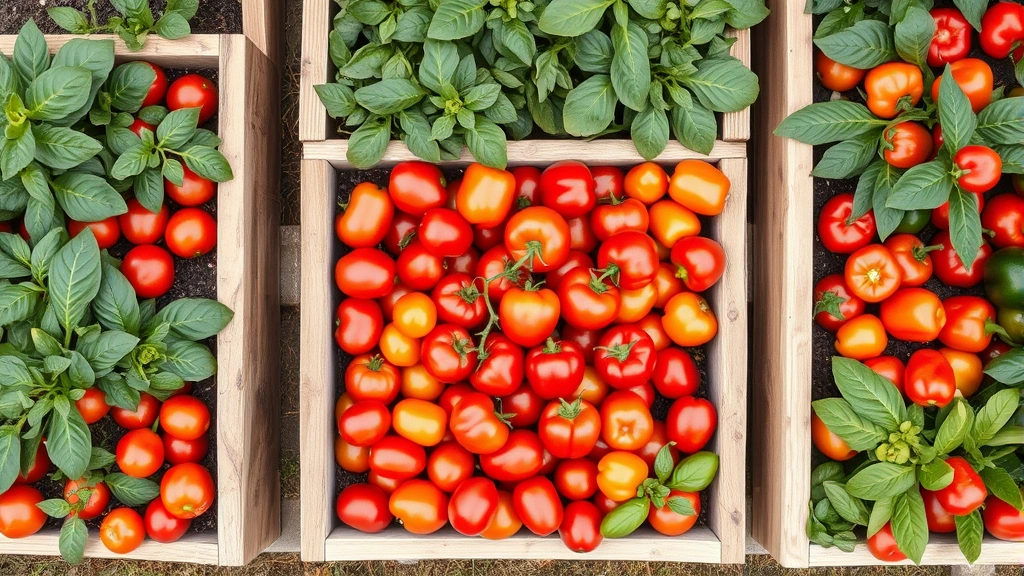
Tomatoes represent the quintessential garden restaurant vegetable. Heirloom varieties offer complex flavor profiles unavailable in commercial produce, though they require longer growing seasons and more attentive care. Cherry tomatoes provide reliable productivity and concentrated sweetness. Determinate varieties suit container growing, while indeterminate types demand sturdy support systems but produce continuously until frost. Start from transplants in most climates, positioning plants in full sunlight with consistent moisture and balanced fertilization.
Leafy greens extend the productive season beyond summer months. Lettuce, arugula, spinach, and kale tolerate cooler temperatures and even light frosts. Spring and fall plantings often produce superior flavor to summer crops, as cooler temperatures reduce bitter compounds. Gardening tips for beginners emphasize that succession planting—sowing small quantities every two weeks—ensures continuous harvests rather than overwhelming gluts.
Peppers, both sweet and hot varieties, thrive in warm climates and containers. These long-season crops require patience but reward gardeners with months of productive harvests. Start seeds indoors 8-10 weeks before the final spring frost. Peppers tolerate partial shade better than tomatoes, making them suitable for gardens with afternoon shade. Chefs value fresh peppers for their crisp texture and sweet flavor unavailable in stored produce.
Root vegetables like carrots, beets, and parsnips provide depth to culinary preparations. These crops establish easily from seeds and store well for extended use. Succession planting ensures continuous harvest maturity. Radishes mature in just 25-30 days, offering quick gratification for impatient gardeners. Preparing garden soil properly proves especially critical for root crops, as compacted or rocky soil produces twisted, forked, or stunted roots unsuitable for restaurant-quality presentation.
Cruciferous vegetables including broccoli, cauliflower, and cabbage deliver nutritional density alongside culinary interest. These cool-season crops thrive in spring and fall gardens. Broccoli produces a central head followed by smaller side shoots, extending harvest periods. Succession planting ensures continuous availability throughout cooler months when these crops achieve peak flavor.
Designing Your Culinary Garden Layout
The most productive garden restaurants feature thoughtful spatial organization that facilitates both cultivation and harvesting. Location, orientation, and layout directly influence your success and satisfaction with the growing experience.
Position your culinary garden in full sunlight—ideally 6-8 hours of direct daily exposure. Most vegetable crops and culinary herbs demand intense light for optimal productivity and flavor development. Morning sun exposure dries dew quickly, reducing fungal disease pressure. Afternoon shade in hot climates prevents heat stress on sensitive crops like lettuce and spinach during peak summer months.
Water access significantly impacts gardening success. Positioning beds near spigots or irrigation systems reduces time spent hauling water and enables consistent moisture management. Drip irrigation systems deliver water directly to soil, minimizing disease pressure and water waste compared to overhead watering.
Proximity to your kitchen streamlines the harvest-to-table workflow. A window-view herb garden or raised bed positioned near kitchen doors encourages spontaneous harvesting and recipe inspiration. The convenience of stepping outside to snip fresh basil for pasta or rosemary for roasted potatoes elevates the entire cooking experience.
Starting a flower garden alongside culinary crops creates visual interest while attracting beneficial pollinators. Nasturtiums, calendula, and borage attract beneficial insects while providing edible flowers for restaurant-quality garnishes. This integrated approach maximizes space efficiency while supporting pest management through natural predator attraction.
Raised garden beds offer exceptional advantages for culinary gardens. These elevated systems warm faster in spring, drain more effectively, and allow soil customization for optimal growing conditions. The defined boundaries create visual organization while reducing weeding burden. Raised beds also accommodate gardeners with mobility limitations, bringing growing space to comfortable working heights.
Seasonal Planting Strategies
Professional chefs understand that seasonal eating highlights ingredients at peak flavor and nutritional value. Organizing your garden restaurant around seasonal cycles ensures continuous supply of exceptional produce while respecting natural growing patterns.
Spring gardens feature cool-season crops that tolerate light frosts and variable temperatures. Peas, asparagus, and early greens establish quickly as soil warms. Transplant warm-season crops like tomatoes and peppers after all frost danger passes. Spring represents ideal timing for perennial herb establishment, allowing full seasons of growth before winter dormancy.
Summer gardens peak with heat-loving crops. Tomatoes, peppers, eggplant, basil, and squash reach maximum productivity during long days and warm nights. Succession planting of beans, corn, and greens ensures continuous harvests rather than brief gluts. Afternoon shade cloth protects sensitive crops from extreme heat stress in regions exceeding 95°F regularly.
Fall gardens showcase the extended growing season available in most climates. Transplanting cool-season crops in late summer ensures maturation before winter freezes. Kale, spinach, arugula, and root vegetables thrive during autumn months when pests diminish and disease pressure decreases. Fall crops often exceed spring and summer harvests in both quantity and flavor quality.
Winter gardens vary dramatically by climate zone. In mild regions, leafy greens and root crops continue producing. Colder climates shift focus to cold frames, row covers, and hardy perennial herbs. Planning winter production requires site-specific knowledge of your local frost dates and temperature patterns. The Farmer’s Almanac provides frost date calculators essential for timing plantings accurately.
Maximizing Harvest and Flavor
The difference between adequate gardens and exceptional ones often centers on harvest timing and post-harvest handling. Chefs recognize that flavor peaks at specific maturity stages, and harvesting at precisely the right moment transforms ordinary produce into culinary excellence.
Harvest herbs in morning hours after dew dries but before intense heat stresses plants. Essential oils—the compounds responsible for flavor and aroma—concentrate highest during early morning hours. Pinch or cut herbs just above leaf nodes to encourage branching and bushier growth. Regular harvesting stimulates more prolific production compared to occasional harvesting of mature plants.
Harvest vegetables at peak ripeness rather than waiting for maximum size. Smaller vegetables often deliver superior flavor and texture. Cherry tomatoes harvested when fully colored but still slightly firm offer better flavor than overripe specimens. Peppers harvested at green stage differ in flavor from fully ripened red specimens—both have culinary value depending on intended applications.
Leafy greens achieve optimal texture and flavor when harvested during cool parts of the day. Morning harvesting provides crispness and hydration unavailable in afternoon-harvested leaves. Store harvested greens in the refrigerator immediately to preserve quality.
Root vegetables develop flavor over time, unlike aboveground crops. Carrots and beets actually improve in flavor after frost exposure, as starches convert to sugars. Extend harvest seasons by leaving mature roots in ground and harvesting as needed rather than all at once.
Proper soil management ensures superior flavor development. Cottage garden traditions emphasize balanced fertility without excess nitrogen, which produces leafy growth but dilutes flavor compounds. Compost-amended soil provides steady nutrient release and builds soil structure supporting deep root development.
Container Gardening Solutions
Limited space need not prevent garden restaurant success. Container gardening delivers exceptional productivity when executed with attention to soil quality, container selection, and watering discipline.
Select containers sized appropriately for mature plant dimensions. Herbs and greens thrive in containers as small as 6-8 inches diameter, while tomatoes and peppers demand 12-18 inch minimum depth. Ensure all containers feature drainage holes—waterlogged roots rapidly deteriorate regardless of other growing conditions.
Use high-quality potting mix specifically formulated for containers rather than garden soil. Commercial potting mixes provide proper drainage while retaining adequate moisture. Add slow-release organic fertilizer to potting mix before planting, as containers lack the nutrient reserves of in-ground gardens.
Position containers in full sunlight, rotating positions periodically to ensure balanced light exposure. Container plants require more frequent watering than ground-planted specimens, particularly during hot weather. Check soil moisture daily, watering when the top inch becomes dry. Self-watering containers reduce watering frequency but require initial calibration to prevent overwatering.
Small evergreen plants provide year-round interest and productivity in containers. Rosemary, thyme, and sage establish beautifully in pots, offering harvests while providing attractive visual elements to patios and decks.
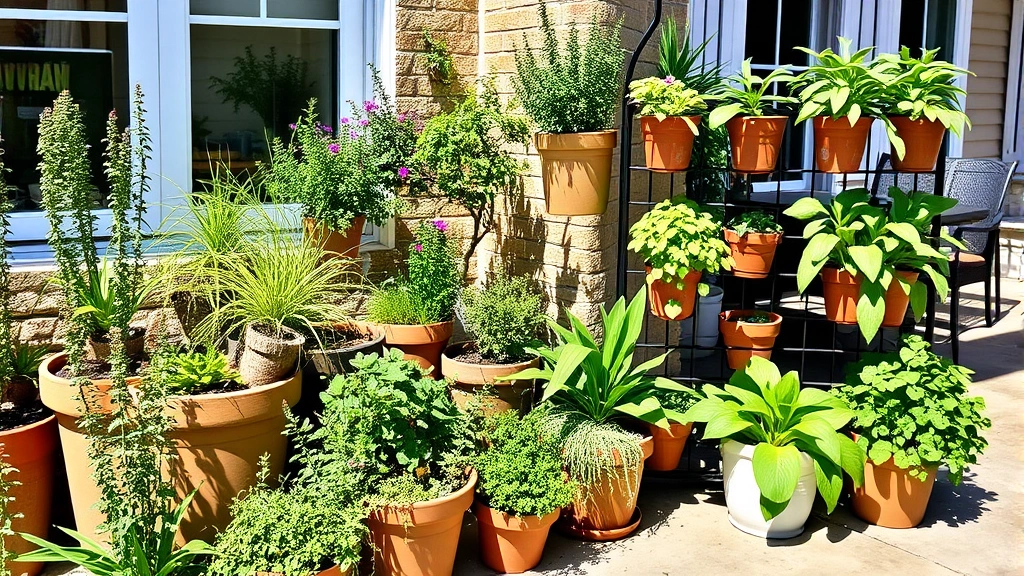
Vertical container systems maximize productivity in constrained spaces. Wall-mounted planters, hanging baskets, and tiered stands convert vertical surfaces into productive growing areas. Trailing herbs like oregano and creeping thyme cascade beautifully from elevated containers while remaining easily accessible for harvesting.
Container gardens integrate seamlessly with outdoor dining spaces, bringing culinary production directly adjacent to eating areas. Positioning herb containers near seating areas creates fragrant ambiance while providing convenient access for spontaneous harvesting during meal preparation.
FAQ
What vegetables produce the highest yields in small spaces?
Tomatoes (particularly cherry varieties), peppers, beans, and leafy greens deliver exceptional productivity relative to space consumed. Succession planting of fast-maturing crops like radishes, lettuce, and beans ensures continuous harvests rather than brief peaks. Vertical growing systems maximize production in limited areas.
How do I prevent common garden pests without chemicals?
Integrated pest management combines multiple strategies: encouraging beneficial insects through diverse plantings, removing pests manually, using row covers on young plants, and deploying insecticidal soap for severe infestations. Healthy soil and proper plant spacing reduce disease and pest pressure naturally.
When should I start seeds indoors versus direct sowing?
Long-season crops like tomatoes, peppers, and eggplant benefit from indoor starting 6-10 weeks before transplanting. Quick-maturing crops like beans, carrots, and radishes establish better from direct sowing. Cool-season crops sown in fall directly into prepared beds germinate and establish rapidly.
Can I garden year-round in cold climates?
Yes, through season extension techniques including cold frames, row covers, and hardy perennial herbs. Fall and spring gardens often exceed summer productivity. Leafy greens, root vegetables, and hardy herbs continue producing through winter in properly managed systems.
What’s the best way to improve garden soil for better flavor?
Build soil through annual compost additions, which improve structure and provide steady nutrient release. Avoid excessive nitrogen fertilization, which promotes leafy growth but dilutes flavor compounds. Balanced fertility with adequate potassium and phosphorus encourages flavor development in vegetables and herbs.
How often should I harvest herbs to encourage growth?
Regular harvesting stimulates bushier growth and more prolific production. Remove approximately one-third of plant material at each harvest, cutting just above leaf nodes. Pinch flower buds to redirect energy into foliage production. Consistent harvesting maintains plant vigor better than occasional heavy harvests.


