Top Garden Ornaments: Designer Picks Inside
Garden ornaments are the jewelry of outdoor spaces, transforming ordinary landscapes into curated sanctuaries that reflect personal style and horticultural passion. Whether you’re cultivating a cottage garden aesthetic or designing a contemporary outdoor room, the right ornamental pieces elevate both visual interest and practical functionality. Professional landscape designers consistently recommend investing in quality garden ornaments that complement your plant selections and hardscape elements while withstanding seasonal weather variations.
The distinction between merely decorative garden pieces and truly exceptional ornaments lies in their ability to create focal points, enhance plant displays, and establish visual rhythm throughout your garden design. From classical stone statuary to modern sculptural installations, garden ornaments serve as anchors that draw the eye, create shade for delicate plants, and provide structural interest during dormant seasons. This comprehensive guide explores the designer-approved selections that transform gardens into outdoor masterpieces while maintaining aesthetic integrity and practical value.
Classical Stone Statuary and Sculptures
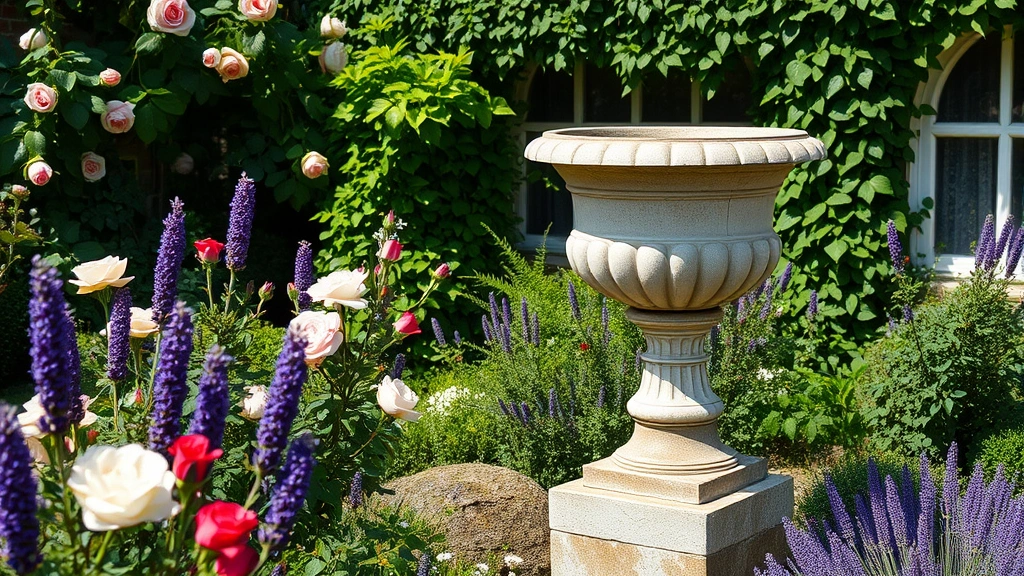
Stone ornaments represent the timeless foundation of garden design, offering durability and elegance that appreciates with age. Limestone, granite, and marble pieces create permanent focal points that anchor garden beds and provide visual stability to landscape compositions. Classical designs including urns, pedestals, and figurative sculptures establish formal garden traditions while weathering gracefully through decades of seasonal exposure.
Designer-preferred stone ornaments typically feature clean proportions and quality craftsmanship that justifies their investment value. Reconstituted stone offers a budget-conscious alternative to quarried materials while maintaining aesthetic authenticity and weather resistance. When positioning stone ornaments, consider sight lines from primary viewing areas and ensure placement complements surrounding plantings, particularly when creating small garden ideas where every element requires careful consideration.
Weathering patterns on aged stone create character that new pieces cannot replicate. Lichen growth, moss colonization, and patina development enhance authenticity and integrate ornaments seamlessly into established landscapes. Many designers intentionally select stone pieces with existing weathering to avoid the stark appearance of newly installed ornaments that require years to achieve natural integration.
Stone urns positioned at garden entries or atop raised garden beds create visual punctuation marks that guide visitor movement through garden spaces. Pairing classical statuary with contemporary plantings, including flowering perennials and ornamental grasses, balances traditional and modern aesthetics for sophisticated garden compositions.
Water Features and Fountains
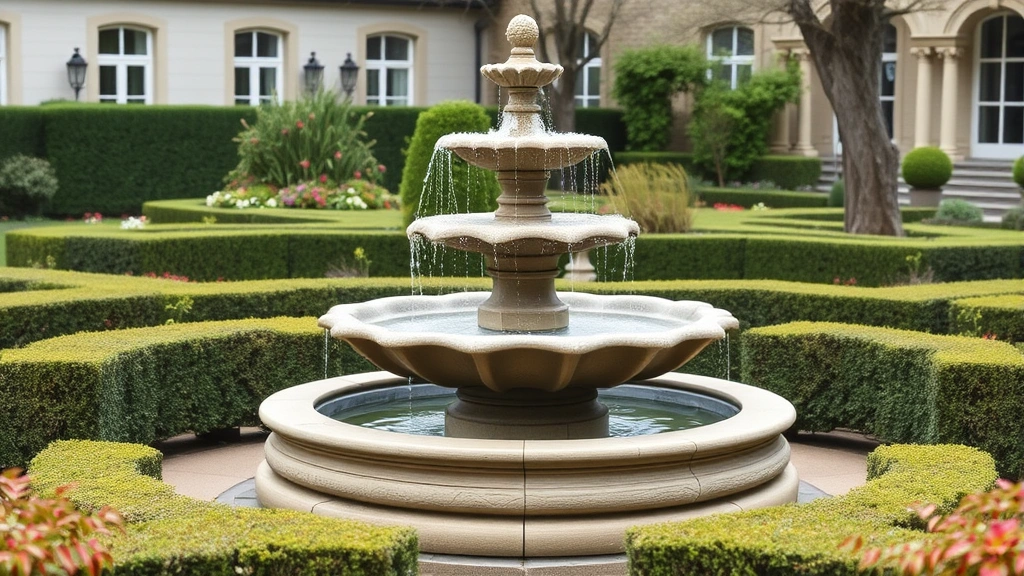
Water ornaments introduce sensory dimensions beyond visual appeal, incorporating soothing auditory elements and supporting beneficial wildlife. Fountains range from modest tabletop designs to elaborate sculptural installations, with designer preferences varying based on garden scale, maintenance capacity, and aesthetic objectives. Recirculating fountain systems operate efficiently with minimal water consumption while creating dynamic focal points that attract attention and encourage extended garden visits.
Tiered fountains work exceptionally well in formal gardens where symmetry and architectural precision dominate design schemes. Central placement within enclosed garden rooms creates psychological anchoring that organizes surrounding plantings and hardscape elements. Naturalistic water features including stone basins and shallow pools appeal to designers creating wildlife-friendly gardens that support bird bathing and insect hydration throughout growing seasons.
Maintenance considerations influence fountain selection significantly. Stagnant water invites mosquito breeding, requiring regular circulation and occasional chemical treatment. Designers recommend positioning fountains near electrical access points and protecting mechanisms during winter months in cold climates. Ceramic and fiberglass fountains offer durability advantages over porous materials that absorb water and crack during freeze-thaw cycles.
Integrating fountains with raised concrete block garden beds creates multi-level water features that provide visual interest and practical watering solutions. Surrounding moisture-loving plants including hostas, ferns, and astilbe near water features enhances the naturalistic aesthetic while benefiting from elevated humidity levels that fountains generate.
Metal Garden Ornaments
Metal ornaments including iron, copper, and steel sculptures offer versatile design options that complement diverse garden styles. Wrought iron pieces provide traditional elegance with intricate detailing that catches light dynamically throughout the day. Modern welded steel sculptures introduce contemporary aesthetics while maintaining structural integrity through seasonal weather fluctuations and temperature extremes.
Copper ornaments develop distinctive patina over time, transitioning from warm metallic tones to rich verdigris finishes that add character and depth to garden spaces. Designers appreciate copper’s malleability for creating custom pieces while valuing its antimicrobial properties that reduce algae growth on water feature components. Protective coatings preserve original finishes for those preferring consistency, though natural weathering appeals to designers embracing organic aesthetic evolution.
Rusted steel ornaments embrace industrial aesthetic trends while providing sculptural interest that complements contemporary garden designs. Weathering steel develops protective oxide layers that stabilize further corrosion, ensuring longevity without requiring constant maintenance. Positioning rusted metal pieces against contrasting plant backdrops, particularly evergreen shrubs and ornamental grasses, maximizes visual impact and creates striking compositional balance.
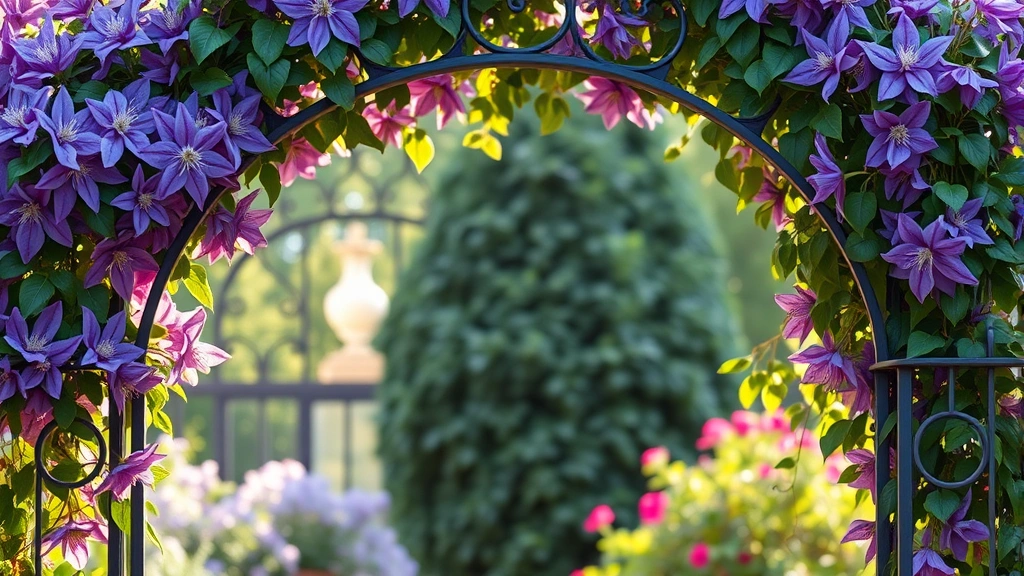
Metal trellises and obelisks serve functional purposes while providing ornamental value, supporting climbing plants including clematis, honeysuckle, and ornamental beans. Decorative plant supports transform utilitarian structures into sculptural elements that enhance garden aesthetics while organizing vertical growing space efficiently.
Birdbaths and Wildlife Ornaments
Birdbaths combine ornamental function with ecological benefit, providing essential water sources for avian visitors while creating focal points that animate gardens with wildlife activity. Pedestal designs elevate water bowls above ground vegetation, protecting bathing birds from ground predators while maintaining clear sightlines for observer engagement. Shallow basin depths of 2-3 inches accommodate diverse bird species while preventing drowning risks for smaller visitors.
Designers increasingly specify wildlife-friendly ornaments that support ecosystem functions beyond aesthetic contribution. Butterfly gardens benefit from shallow water dishes positioned near butterfly garden plants that provide nectar and host plant resources. Bee-friendly ornaments including rock piles and shallow water basins support pollinator populations essential for vegetable gardens and flowering displays.
Material selection influences wildlife adoption rates significantly. Rough-textured surfaces provide secure footing for small creatures, while smooth glazed finishes may challenge birds seeking stable bathing positions. Designers recommend ceramic and stone birdbaths over plastic alternatives that deteriorate under UV exposure and lack the visual permanence that established garden ornaments provide.
Positioning birdbaths within sightlines from primary garden viewing areas encourages observer engagement with wildlife interactions. Proximity to shelter vegetation including shrubs and small trees ensures safe refuge for birds between bathing activities while maintaining clear approach paths that reduce predation vulnerability.
Contemporary and Modern Pieces
Modern garden ornaments embrace minimalist aesthetics and unconventional materials that challenge traditional design conventions while creating distinctive garden identities. Stainless steel sculptures, concrete geometric forms, and abstract installations appeal to designers cultivating contemporary landscapes that reject ornamental nostalgia. Sculptural functionality blends art with practical purpose, as seen in kinetic pieces that respond to wind or water features that incorporate lighting elements.
Concrete ornaments offer unlimited customization potential, allowing designers to create bespoke pieces that reflect specific aesthetic visions. Pigmented concrete develops rich color palettes impossible with traditional stone, while textured surfaces add visual depth and tactile interest. Modular concrete components stack and arrange flexibly, enabling dynamic compositions that evolve seasonally or respond to changing landscape needs.
Lighting integration transforms ornaments into evening focal points that extend garden enjoyment beyond daylight hours. LED-equipped sculptures, illuminated water features, and uplighting techniques highlight ornamental details while creating atmospheric garden ambiance. Solar-powered options eliminate electrical infrastructure requirements, enabling flexible placement and sustainable operation aligned with contemporary environmental consciousness.
Incorporating contemporary ornaments requires thoughtful integration with plant selections to avoid aesthetic discord. Pairing modern sculptures with architectural plants including ornamental grasses, spiky yuccas, and structural evergreens creates cohesive compositions that balance innovation with horticultural tradition.
Ornamental Structures and Arbors
Architectural garden ornaments including garden arches, pergolas, and pavilions define spaces while providing functional shade and structural support for climbing vegetation. These substantial ornaments establish garden rooms and create visual progression that guides visitor movement through landscape sequences. Designer preferences emphasize proportional relationships between structures and surrounding plantings, ensuring ornaments enhance rather than overwhelm garden scales.
Wooden arbors and pergolas introduce warmth and natural material authenticity that metal or concrete structures cannot replicate. Decay resistance becomes critical for long-term durability, with designers specifying cedar, redwood, or pressure-treated lumber that withstands decades of weather exposure. Finishing treatments including stains and sealers protect wood while allowing natural grain patterns to develop patina reflecting seasonal changes and aging characteristics.
Metal arbor structures offer maintenance advantages while providing sculptural forms that complement contemporary gardens. Powder-coated finishes protect against corrosion while offering color customization aligned with garden palettes. Ornamental details including scrollwork and decorative finials elevate functional structures into genuine design focal points worthy of prominent placement.
Positioning arbors and pergolas creates purposeful garden destinations that encourage exploration and extended outdoor time. Placement over seating areas provides shade while framing views toward significant landscape features or garden vistas. Climbing plants including roses, clematis, and wisteria transform structural ornaments into living sculptures that evolve seasonally.
Seasonal Styling with Ornaments
Master designers leverage ornaments as seasonal display platforms that shift aesthetic focus throughout the year. Spring ornamentation emphasizes renewal through fresh plantings surrounding statuary and water feature installations. Summer styling incorporates lush foliage that frames ornaments while providing cooling shade and textural contrast. Autumn arrangements highlight structural ornaments as deciduous plants shed foliage, revealing architectural forms and allowing ornamental pieces to command visual prominence.
Winter gardens benefit significantly from ornamental elements that maintain visual interest when plant activity ceases. Stone sculptures, metal structures, and architectural ornaments provide essential focal points during dormant seasons when evergreen plantings alone cannot sustain garden aesthetics. Frost and snow enhance ornamental appreciation, creating ethereal displays where frozen moisture highlights sculptural details and surface textures.
Seasonal containerized plantings surrounding ornaments extend horticultural interest while maintaining ornamental prominence. Spring bulb displays in decorative urns, summer annual plantings in classical containers, and autumn mum arrangements refresh ornamental settings seasonally without requiring permanent planting modifications. This styling approach proves particularly valuable in Houston garden centers where climate variations demand flexible planting strategies that accommodate temperature extremes.
Holiday ornamentation transforms garden ornaments into festive focal points. Subtle lighting enhancements, seasonal plantings, and tasteful decorative additions celebrate occasions while maintaining year-round garden aesthetics. Restraint prevents gardens from becoming cluttered with temporary decorations that compromise design integrity, with professional designers recommending selective ornamentation that complements existing structures rather than overwhelming established compositions.
FAQ
What are the best materials for garden ornaments that withstand weather?
Stone, cast concrete, and powder-coated metal offer superior weather resistance. Natural stone develops character through aging, while reconstituted stone provides affordability with comparable durability. Metals should feature protective coatings or naturally weathering properties like rusted steel that stabilize over time. Avoid untreated wood and unprotected ceramics in freeze-thaw climates.
How should I position garden ornaments for maximum visual impact?
Place ornaments at focal points visible from primary viewing areas, particularly near seating locations or garden entries. Avoid centering ornaments in open lawn spaces where they appear isolated; instead, position them within or adjacent to plantings that provide visual context. Consider sightlines from interior windows to extend garden appreciation into living spaces.
Can I mix ornament styles in a single garden?
Yes, but maintain cohesion through material or color consistency. Classical and contemporary pieces coexist successfully when separated by distinct garden zones or connected through shared materials like stone or metal. Avoid chaotic mixing where multiple styles compete for attention without unifying design elements.
What maintenance do garden ornaments require?
Stone ornaments need occasional cleaning and moss removal. Metal pieces benefit from protective coatings refreshed periodically. Water features require regular cleaning and winter protection in cold climates. Wooden structures need periodic sealing or staining. Establish seasonal maintenance routines that preserve ornament conditions and extend functional lifespans.
How much should I invest in garden ornaments?
Quality ornaments justify investment through durability and aesthetic appreciation. Budget 5-10% of total landscape costs for ornamental elements. Prioritize focal point pieces over numerous smaller items, as substantial quality ornaments create stronger design impact than collections of mediocre alternatives.
Are there eco-friendly ornament options?
Recycled materials including reclaimed stone, salvaged metal, and repurposed architectural elements offer sustainable ornament sources. Locally quarried stone reduces transportation impacts while supporting regional businesses. Solar-powered water features eliminate electrical consumption, and natural weathering processes eliminate chemical treatments required by protective coatings.


