Garden Nails: Expert Tips for Durable Manicures While Gardening
Maintaining beautiful, healthy nails while spending time in the garden presents a unique challenge for enthusiasts who refuse to choose between their passion for plants and polished hands. Garden nails—those carefully manicured fingertips that withstand soil, water, and constant handling of tools—require a specialized approach to nail care that combines protective strategies with practical maintenance routines. Whether you’re building a raised garden bed, tending to butterfly garden plants, or working with your garden trowel, understanding how to protect your nails transforms your gardening experience from frustrating to enjoyable.
The intersection of gardening and nail health might seem contradictory at first glance. Gardening exposes nails to moisture, dirt, chemicals, and physical stress that traditionally damage manicures within hours. However, with the right knowledge, products, and techniques, you can maintain durable, attractive nails that enhance your appearance while you cultivate your outdoor space. This comprehensive guide reveals professional secrets that nail technicians and experienced gardeners use to keep their manicures pristine throughout the growing season.
Understanding Nail Damage in Garden Environments
Garden environments create perfect conditions for nail deterioration. Moisture from watering, rain, and humidity penetrates the nail plate, causing swelling and weakening. Soil contains minerals and microorganisms that can stain nails and compromise their structural integrity. The constant friction from gripping tools, digging, and planting activities creates stress on the nail beds, leading to breakage, peeling, and separation from the nail plate.
Nail polish and artificial manicures face particular challenges in garden settings. Water seeping under polish edges causes lifting and chipping. Exposure to fertilizers, pesticides, and organic matter accelerates deterioration. UV rays from sunlight bleach polish colors and degrade the protective coating. Understanding these specific damage mechanisms helps you implement targeted prevention strategies that keep your garden nails looking fresh and strong.
The nail’s structure itself becomes vulnerable when exposed to constant environmental stress. The keratin proteins that form your nails absorb water like a sponge, expanding and contracting with moisture exposure. This repeated swelling and shrinking weakens bonds between nail layers, creating the peeling and splitting that frustrates gardeners. Chemical exposure from soil amendments and plant treatments further compromises the protective cuticle layer that shields nails from damage.
Protective Strategies Before Gardening
Barrier Protection Through Gloves
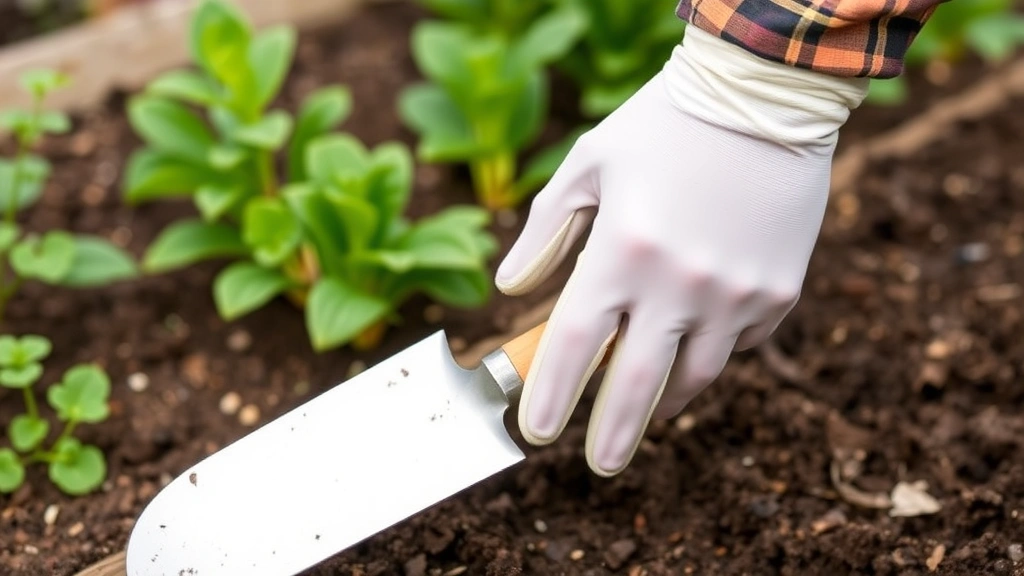
The most effective defense for garden nails involves creating a physical barrier between your hands and the garden environment. High-quality gardening gloves provide the first line of protection, but selection matters significantly. Look for gloves with reinforced fingertips that prevent soil and moisture from reaching your nails directly. Nitrile-coated or rubber gloves offer superior water resistance compared to cotton options, though they may feel less breathable during extended gardening sessions.
Layering gloves provides enhanced protection for serious gardeners. Start with thin latex or nitrile gloves underneath, then add cotton or canvas gloves on top. This combination prevents moisture from reaching your skin and nails while maintaining reasonable dexterity for precise planting tasks. Replace inner gloves when they tear or become damp, as compromised barriers allow water and soil to penetrate directly to your nails.
Pre-Gardening Nail Preparation
Before heading outside, prepare your nails with a protective base coat that extends beyond standard polish application. Nail hardeners containing nylon fibers create a tough, flexible shield that resists chipping and peeling. Apply these products to clean, dry nails and allow adequate drying time before putting on gloves. The hardener fills micro-ridges in the nail surface, preventing water penetration that leads to swelling and weakness.
Seal your nail edges with extra care, as this is where water infiltration typically begins. Gaps between polish and the nail edge allow moisture to seep underneath, causing lifting and separation. Use a thin brush to apply polish carefully along the free edge, ensuring complete coverage. Some gardeners apply a hydrophobic sealant specifically designed for nails, creating an additional water-resistant layer that protects during extended moisture exposure.
Moisturizing and Conditioning
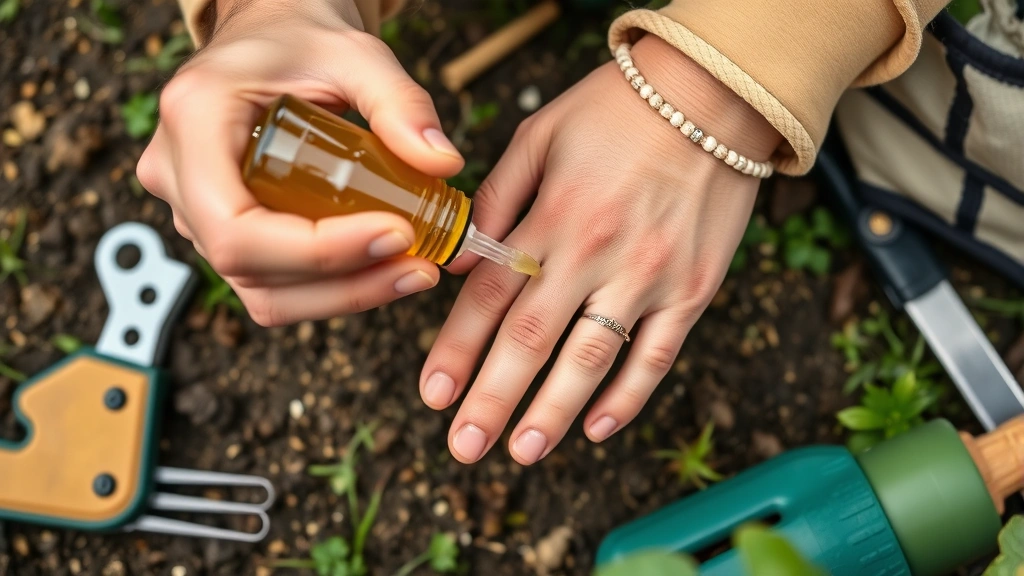
Paradoxically, keeping nails properly hydrated prevents water damage during gardening. Well-moisturized nails are more flexible and resilient, resisting the brittle cracking that occurs in dry nails. Apply nail oil or cuticle cream before gardening to condition the nail plate and surrounding skin. These products contain emollients that reduce water absorption while maintaining the natural flexibility nails need to withstand physical stress.
Choosing the Right Manicure Style for Gardeners
Length Considerations for Garden Work
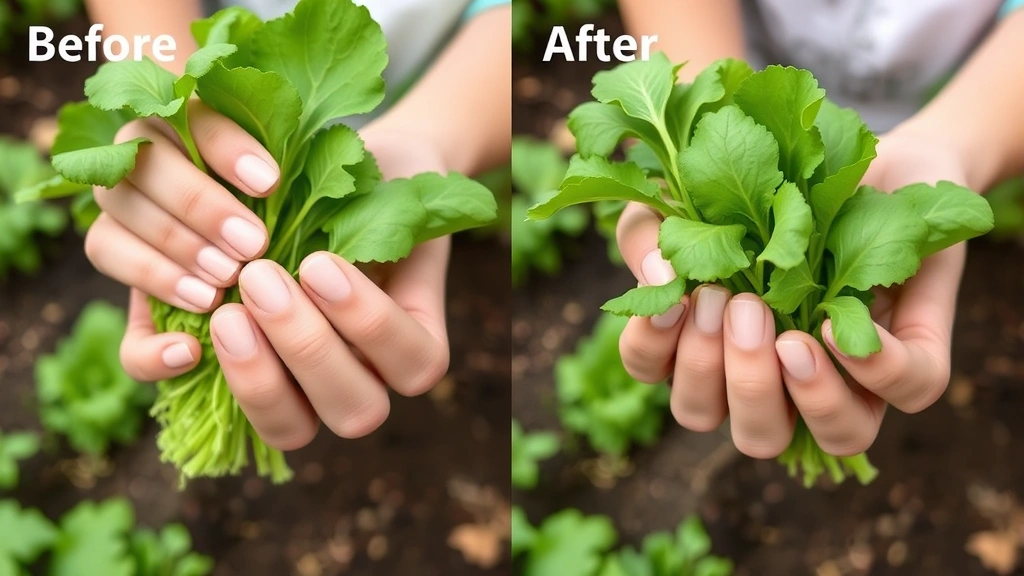
Nail length significantly impacts both durability and functionality in gardening contexts. Shorter nails naturally resist breaking and chipping better than longer styles, offering practical advantages for gardeners who work with tools regularly. However, you don’t need to abandon length entirely—medium-length nails (extending about 2-3mm past the fingertip) provide a good balance between aesthetic appeal and practical durability.
Shorter nails also prevent soil from accumulating underneath the free edge, reducing the need for constant cleaning throughout the day. This practical benefit extends your manicure’s lifespan by preventing the buildup that leads to staining and bacterial growth. If you prefer longer nails for appearance, consider keeping them longer on non-dominant hands while maintaining shorter styles on your primary working hand.
Shape Selection for Durability
Nail shape dramatically affects how well manicures withstand gardening activities. Rounded or oval shapes distribute stress more evenly across the nail plate, reducing breakage at stress points. Squared-off edges and almond shapes concentrate stress at the corners, making them more prone to chipping and splitting during gardening work. If you love the look of angular shapes, consider having your nail technician file edges with slightly rounded corners that provide both aesthetic appeal and practical durability.
Polish and Coating Options
Gel manicures offer superior durability compared to traditional polish for gardeners, though they require more careful application and maintenance. Gel polish bonds more tightly to the nail plate, resisting lifting and peeling even with frequent water exposure. However, gel application can weaken nails if not removed properly, so prioritize technicians who use proper removal techniques involving soaking and gentle scraping rather than aggressive filing.
Hybrid formulas combining gel and traditional polish elements provide a middle ground, offering better durability than regular polish while being gentler on nails than full gel systems. These semi-permanent options last 2-3 weeks and resist chipping better during gardening activities. Matte finishes also perform better than glossy options in garden environments, as they hide dirt and soil better while showing less wear from handling tools and soil.
Daily Nail Care Routines
Cleaning and Drying Protocols
After gardening sessions, proper cleaning prevents staining and bacterial growth that compromise nail health. Use a soft brush under running water to gently remove soil from beneath nails and around the cuticle area. Avoid aggressive scrubbing that damages the protective nail surface and cuticle layer. Pat nails completely dry with a soft cloth, as lingering moisture encourages fungal growth and polish degradation.
Dry your hands thoroughly before applying gloves for the next gardening session. Trapped moisture between skin and gloves creates an ideal environment for fungal infections and accelerates polish deterioration. Keep a designated towel specifically for post-gardening hand drying, and wash it frequently to prevent bacterial and fungal contamination.
Moisturizing Between Sessions
Daily moisturizing becomes essential when gardening regularly. Apply cuticle oil or hand cream multiple times daily, focusing on nails and surrounding skin. This replenishes moisture lost through exposure to soil, sun, and repeated hand washing. Nighttime moisturizing proves particularly effective, as products can absorb into nails without interference from gloves or gardening activities. Consider wearing cotton gloves overnight to help products penetrate more deeply into the nail plate.
Managing Common Garden Nail Issues
Staining from soil and plant matter requires prompt treatment to prevent permanent discoloration. For light stains, soak nails in a solution of equal parts white vinegar and water for 10-15 minutes, then gently scrub with a soft brush. For stubborn stains, make a paste from baking soda and hydrogen peroxide, applying it to affected areas and allowing it to sit for 10 minutes before rinsing. These gentle treatments remove discoloration without damaging the nail plate or polish.
White spots appearing on nails often result from air bubbles trapped under polish rather than calcium deficiency. These typically disappear naturally as nails grow out. However, if spots persist or multiply, consult a dermatologist to rule out fungal infection or other underlying conditions. Preventing spots involves ensuring proper polish application with smooth, even coverage and adequate drying time before exposing nails to moisture.
Repair and Maintenance Between Appointments
Even with excellent preventive care, garden nails occasionally need repair between professional manicure appointments. Keep a portable nail maintenance kit containing a nail file, buffer, small scissors, and emergency polish in your gardening supplies. This allows quick touch-ups that prevent small chips from becoming major breaks.
For minor chips in polish, clean the affected area and apply a small amount of matching polish with a thin brush. Allow complete drying before exposing nails to water. For structural damage to the nail itself, resist the urge to pick or peel away broken portions. Instead, file the damaged area smooth and allow the nail to grow out naturally. Applying a nail hardener to the damaged area strengthens it as it grows, preventing further splitting.
If a nail breaks below the quick, wrap the broken portion with a silk or fiberglass wrap and secure with nail glue, then apply polish over the repair. This temporary fix allows you to continue gardening while the nail grows out. Once the nail has grown past the break line, you can remove the wrap and file to your preferred shape. This method prevents the break from catching on gloves or garden equipment and causing further damage.
Managing Hangnails and Cuticle Issues
Gardening environments promote hangnails and cuticle damage through constant moisture exposure and friction. Never cut hangnails with scissors, as this can lead to infection and damage to the nail matrix. Instead, soak the affected area in warm water to soften the skin, then gently push the hangnail back into place. Apply antibiotic ointment and cuticle oil to prevent infection and promote healing.
Maintain your shade garden of nail health by keeping cuticles moisturized and pushed back gently. Never use metal cuticle pushers that can scratch the delicate nail plate. Instead, invest in wooden or plastic tools that protect nails while effectively moving back cuticles. Weekly cuticle maintenance prevents the buildup that leads to hangnails and infections common in gardeners.
Seasonal Considerations for Garden Nails
Spring and Summer Intensive Gardening
Peak gardening seasons require heightened nail protection strategies. Spring planting and summer maintenance involve more frequent water exposure, tool handling, and physical stress on nails. Schedule manicure appointments closer together during these seasons—every 2-3 weeks rather than monthly—to maintain polish integrity and address emerging issues promptly. Consider applying fresh base coats every few days during intensive gardening periods, as this reinforces protection without requiring full manicure redos.
Increase moisturizing frequency during hot, dry summer months when sun exposure accelerates nail drying. UV rays bleach polish colors and degrade protective coatings, so apply sunscreen to your hands when gardening during peak sun hours. Many gardeners find that wearing UV-protective gloves during summer gardening preserves their manicures better than any polish treatment.
Fall Preparation and Winter Protection
Fall garden cleanup involves composting, leaf removal, and soil preparation that expose nails to decomposing organic matter. This seasonal work requires extra-careful glove use and post-gardening cleaning. As temperatures drop and humidity decreases, increase moisturizing frequency to compensate for environmental drying. Winter indoor gardening or community garden participation may reduce overall gardening time, allowing nails to recover from seasonal stress.
Off-Season Nail Rejuvenation
Use slower gardening seasons to give nails a complete rejuvenation. Take a 2-3 week break from polish, allowing nails to breathe and recover from seasonal stress. During this time, apply nail hardeners and moisturizers daily to rebuild nail strength. This recovery period prevents the brittleness and weakness that accumulate from continuous polish application and environmental exposure. When you resume polishing after this break, your nails will be stronger and more resistant to garden-related damage.
Consider scheduling professional treatments during off-season periods. Nail spas offer strengthening treatments and intensive moisturizing therapies that restore nails compromised by heavy gardening seasons. These professional services provide benefits that at-home care cannot replicate, investing in your nails’ long-term health and appearance.
FAQ
Can I keep long nails while gardening regularly?
Yes, though it requires more careful technique and protection. Keep nails at medium length (2-3mm past fingertip), use reinforced gloves consistently, and schedule manicures every 2-3 weeks. Rounded or oval shapes resist breaking better than pointed styles. Focus on strengthening treatments and moisturizing to support longer nails under gardening stress.
What’s the best nail polish for gardeners?
Gel manicures offer superior durability for gardeners, lasting 3-4 weeks with proper care. Gel-hybrid formulas provide a balance between durability and nail health. If using traditional polish, choose darker shades and matte finishes that hide dirt better. Always apply a protective base coat and seal edges carefully to prevent water infiltration.
How do I remove garden stains from nails?
Soak nails in equal parts white vinegar and water for 10-15 minutes, then gently scrub with a soft brush. For stubborn stains, apply a paste of baking soda and hydrogen peroxide for 10 minutes before rinsing. These gentle methods remove discoloration without damaging nails. Prevent staining by cleaning nails immediately after gardening sessions.
Should I use artificial nails for gardening?
Artificial nails offer protection to natural nails underneath but require careful maintenance in garden environments. Water infiltration under artificial nails promotes fungal growth. If using artificial nails, ensure proper application and removal by experienced technicians. Many gardeners prefer maintaining strong natural nails with hardeners instead, as these prove less problematic in wet, dirty conditions.
How often should I moisturize my nails while gardening?
Apply cuticle oil or hand cream at least twice daily during active gardening seasons—once after gardening sessions and again before bed. During intensive gardening periods, apply moisturizer 3-4 times daily. Nighttime moisturizing proves particularly effective, as products absorb without interference from gloves or activities. Proper hydration prevents the brittleness that leads to breaking and peeling.
Can gardening cause permanent nail damage?
Occasional garden-related nail damage typically resolves as nails grow out. However, consistent neglect of nail care, fungal infections, or harsh chemical exposure can cause permanent damage to the nail matrix. Protect nails proactively through proper glove use, moisturizing, and prompt treatment of issues. If you notice persistent discoloration, thickening, or crumbling, consult a dermatologist to rule out fungal infection or other conditions.
What glove type works best for maintaining manicures?
Nitrile-coated or rubber gloves offer superior water resistance compared to cotton. Consider layering thin latex gloves underneath canvas gloves for enhanced protection. Choose gloves with reinforced fingertips that prevent soil and moisture from reaching nails directly. Replace gloves when they tear or become damp, as compromised barriers allow water infiltration that damages manicures. Keep multiple pairs available for frequent changing during long gardening sessions.


