
Top Garden Wedding Spots: Event Planner Picks for Stunning Outdoor Ceremonies
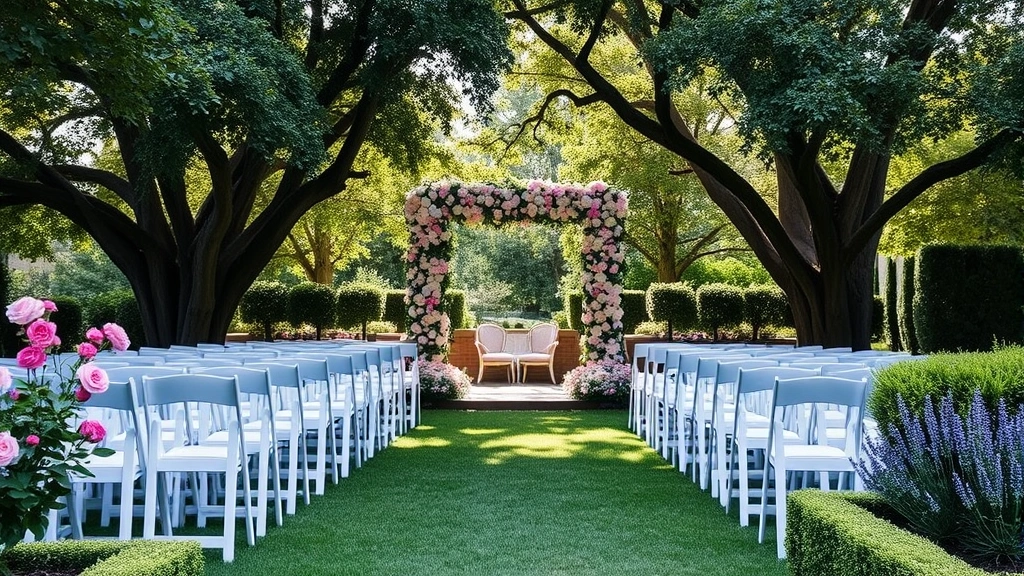
Garden weddings have become the gold standard for couples seeking romantic, naturally beautiful venues that require minimal additional decoration. A well-maintained garden provides an enchanting backdrop where blooming flowers, manicured landscapes, and mature trees create an atmosphere of elegance without the sterile feel of traditional banquet halls. Event planners consistently recommend garden locations because they offer flexibility, inherent beauty, and the opportunity to incorporate seasonal florals that reflect the couple’s vision.
Whether you’re planning an intimate gathering or a grand celebration, selecting the right garden wedding venue requires understanding what makes certain locations stand out. The best garden wedding spots balance accessibility, weather protection, aesthetic appeal, and practical amenities. This guide explores the top garden locations that event planners recommend, along with insider tips for maximizing your garden venue’s potential.
What Makes an Ideal Garden Wedding Venue
Event planners identify several key characteristics that distinguish exceptional garden wedding venues from ordinary outdoor spaces. The foundation of any great garden wedding location includes well-maintained landscaping, adequate shade structures, and natural focal points like mature trees, water features, or architectural elements.
The best garden venues provide multiple functional areas for different parts of your celebration. You’ll want a ceremony space with clear sightlines, a cocktail area where guests can mingle comfortably, and a dinner space protected from elements. Successful garden weddings incorporate both open sunny areas and shaded zones, allowing guests flexibility throughout the event.
Accessibility matters significantly when selecting garden locations for weddings. Consider parking availability, pathways that accommodate elderly guests and those with mobility challenges, and restroom facilities. Professional event planners always evaluate whether the venue can accommodate necessary infrastructure like tent rentals, catering stations, and electrical connections without compromising the garden’s aesthetic.
Botanical Gardens and Public Spaces
Botanical gardens represent some of the most stunning and reliable garden wedding spots available. These professionally maintained spaces offer diverse backdrops—rose gardens, Japanese gardens, Mediterranean landscapes—allowing couples to select settings that match their vision. Many botanical gardens employ expert horticulturists who maintain plant health and appearance year-round, ensuring your venue looks spectacular regardless of season.
Major advantages of botanical garden venues include professional staffing, established infrastructure, and carefully curated plant collections. Event planners appreciate that these spaces handle maintenance concerns automatically, reducing coordination responsibilities. Many botanical gardens offer in-house catering, preferred vendor lists, and event coordination services that streamline planning.
When selecting botanical gardens, inquire about seasonal blooming schedules. Spring gardens burst with tulips and cherry blossoms, while summer gardens showcase roses and perennials. If you’re planning a fall wedding, confirm that deciduous trees and shrubs maintain their visual appeal in your selected garden areas. Consider how guest count affects garden preservation—some botanical gardens restrict wedding size to protect delicate plantings.
The American Association of Botanical Gardens and Arboreta maintains a directory of member institutions that often host weddings. These accredited facilities meet professional standards for maintenance and guest services.
Private Estate Gardens
Private estate gardens offer exclusivity and personalization that public venues cannot match. These properties typically feature mature landscaping, private grounds, and distinctive architectural elements that create memorable backdrops. Event planners favor private estates because they provide complete control over guest experience and allow couples to customize every detail.
Historic estates with established gardens often feature specimen trees, formal hedge layouts, and water features that have developed character over decades. The advantage of mature gardens is that they require less decoration—the landscape itself provides structure and beauty. When planning a wedding at a private estate, work with the property owner to understand seasonal changes affecting specific garden areas.
Private estates require more detailed logistical planning than established wedding venues. You’ll need to arrange for parking, restroom facilities, catering infrastructure, and waste management independently. However, this flexibility allows creative event planners to design unique celebrations that reflect the couple’s personality and vision more completely than standardized venues.
Consider how weather impacts private estate gardens. Unlike botanical gardens with established tent systems and contingency plans, private properties may require you to arrange weather protection independently. Discuss with the property owner what structures already exist and what you’ll need to rent or install.
Vineyard and Orchard Settings
Vineyard and orchard gardens offer rustic charm and natural beauty that appeals to couples seeking less formal, more relaxed celebrations. These agricultural settings provide rolling landscapes, mature trees, and distinctive seasonal changes that create authentic, photogenic environments. Event planners recommend vineyard venues for their romantic appeal and natural visual hierarchy.
Working with orchards or vineyards requires understanding agricultural seasons. Spring brings blossoms and fresh growth, summer offers lush green canopies, fall provides harvest atmosphere and warm lighting, and winter reveals structure and bare branches. Each season presents different aesthetic opportunities and challenges. Late summer and early fall typically offer optimal conditions—mature foliage, warm evening light, and comfortable temperatures.
These venues often provide farm tables, barrel-based décor, and rustic infrastructure that complements the setting naturally. Many vineyards and orchards have on-site tasting rooms or production facilities that can be incorporated into your celebration. Event planners appreciate that these venues often include wine or cider service, adding a distinctive element to the reception.
Agricultural properties may have limited restroom facilities and parking, so infrastructure planning becomes crucial. Discuss with venue management what permanent structures exist and what you’ll need to arrange. Many couples choose to enhance rustic settings with elegant touches like string lights, linen tablecloths, and floral arrangements that bridge the gap between agricultural authenticity and refined celebration.
Urban Rooftop and Courtyard Gardens
Urban garden wedding spots have gained popularity as cities develop rooftop gardens and courtyard spaces. These venues offer the intimacy of garden settings within accessible city locations, appealing to couples with urban lifestyles and guest bases concentrated in metropolitan areas. Event planners favor urban gardens for their convenience and distinctive skyline backdrops.
Rooftop gardens in cities often feature container plantings, raised beds, and carefully designed landscapes that maximize limited space. These gardens showcase what’s possible with proper design—your venue demonstrates that stunning gardens can exist anywhere. Urban courtyards frequently feature water features, mature trees in large containers, and architectural elements that create sophisticated garden atmospheres.
When selecting urban garden venues, evaluate wind exposure on rooftops and ensure adequate sun for any photosynthetic requirements. Container-grown plants require more frequent watering and monitoring than in-ground plantings, so confirm the venue maintains these areas properly. Ask about backup indoor spaces—urban venues should have contingency plans for weather.
Urban gardens often have strict noise ordinances and time restrictions. Confirm permitted event hours and any sound limitations before booking. These venues typically offer superior parking facilities and accessibility compared to rural gardens, making them practical for guests with mobility considerations.
Seasonal Considerations for Garden Weddings
Seasonal timing dramatically affects garden wedding success. Spring gardens explode with color but may feel crowded during peak blooming season when many couples schedule events. Summer gardens offer reliable weather and extended daylight for photography, though heat can be challenging for guests and flowers. Fall provides stunning foliage colors, comfortable temperatures, and dramatic evening light, though deciduous trees lose leaves progressively. Winter gardens offer bare branches and evergreen contrast, with careful attention required to ensure sufficient visual interest.
Understanding plant phenology helps you select timing that maximizes your chosen garden’s beauty. If your venue features hydrangea bushes, summer and early fall offer peak bloom. If the property includes an herb garden with fragrant plantings, late spring and summer provide optimal aromatic qualities. Discuss seasonal blooming calendars with venue managers to understand what plants will look their best on your selected date.
Event planners recommend visiting venues during the same season as your planned wedding to see exactly what the space will look like. A spring visit to a summer wedding venue won’t show you the mature growth and full bloom you’ll experience. Request photos from previous events held during your target season.
Consider how seasonal changes affect guest comfort. Spring gardens may feature mud after rain, summer heat requires shade and cooling strategies, fall gardens demand leaf cleanup, and winter gardens necessitate heating solutions. Work with your venue to address seasonal challenges proactively.
Designing Your Garden Wedding Layout
Strategic layout design maximizes garden wedding venues’ natural beauty while ensuring functional event flow. Professional event planners typically position ceremony spaces to take advantage of natural focal points—a mature tree, water feature, or architectural element serves as the backdrop for vows. This approach requires minimal decoration while creating powerful visual impact.
Cocktail areas should utilize partially shaded zones where guests can gather comfortably. If your garden includes raised garden beds or specimen plantings, position cocktail areas nearby so guests can appreciate the horticultural features. These details create conversation starters and demonstrate thoughtfulness in venue selection.
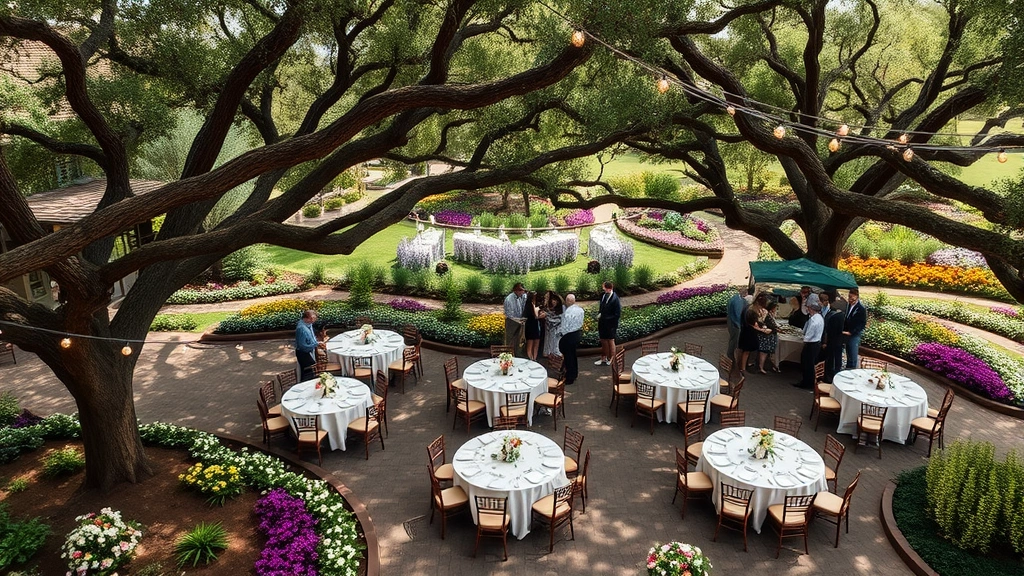
Dining areas benefit from overhead protection—mature tree canopies, pergolas, or tent structures. Event planners recommend positioning tables to face interesting garden views rather than blank walls or parking areas. If your venue features multiple garden rooms or distinct landscape zones, use these naturally to create intimate gathering spaces that feel less crowded than one large reception area.
Incorporate existing plantings into your décor plan rather than fighting against them. If your garden features vibrant roses, complement them with coordinating linens and flowers rather than competing with contrasting colors. This integrated approach looks intentional and sophisticated while reducing the need for extensive floral arrangements.
Lighting becomes crucial as evening approaches. Uplighting on mature trees creates drama and extends the event into night hours beautifully. String lights and lanterns add warmth without overwhelming natural features. Professional event planners work with lighting designers to ensure outdoor spaces remain functional and attractive after sunset.
Practical Logistics and Planning
Successful garden weddings require meticulous attention to logistical details that established venues handle automatically. Confirm water access for catering, restroom facilities, electrical connections, and waste management systems. Many garden venues lack infrastructure that banquet halls provide as standard, necessitating rental arrangements.
Insurance requirements often differ for garden venues compared to traditional wedding facilities. Discuss liability coverage with your venue and event planner—some garden locations require additional event insurance. Understand weather contingency plans and cancellation policies specific to outdoor spaces.
Vendor coordination becomes more complex at garden venues. Caterers need confirmed kitchen access or permission to set up temporary food service areas. Garden hose repair kits and water access points should be identified before the event. Photographers need clear sightlines and adequate lighting in various garden areas. Florists require information about existing plantings to avoid redundancy or clashing arrangements.
Create detailed site maps showing parking, guest flow, vendor access, and emergency exits. Share these with all vendors and key participants well before the event. Professional event planners conduct site visits during similar weather and lighting conditions as your planned event to anticipate challenges.
Guest comfort should guide every planning decision. Provide adequate seating, shade, and weather protection. Communicate clearly about dress code and footwear recommendations for garden venues. Consider providing bug spray, sunscreen, or hand fans depending on season and climate.
Coordinate with your venue about plant protection during setup and event execution. Confirm which areas guests can access, whether pathways accommodate heel shoes, and how to minimize damage to delicate plantings. Professional venues have established protocols; private estates require explicit discussion about what’s acceptable.
The International Wedding Professionals Association offers resources and vendor directories for coordinating complex outdoor events. Their member event planners specialize in navigating garden venue logistics.
FAQ
What’s the best season for garden weddings?
Late spring through early fall typically offers optimal conditions for garden weddings. Spring provides fresh blooms but unpredictable weather; summer guarantees daylight and warmth but may be hot; fall offers comfortable temperatures and dramatic lighting; winter requires careful planning but provides elegant, minimalist aesthetics. Your specific garden’s seasonal appearance should guide timing.
How far in advance should I book a garden wedding venue?
Popular garden venues often book 12-18 months ahead, particularly for peak seasons. Less popular venues or off-season dates may require only 6-8 months advance notice. Contact venues immediately upon identifying potential locations to understand their booking timelines and availability.
What happens if weather disrupts an outdoor garden wedding?
Professional garden venues have established contingency plans, typically involving tent rentals or indoor backup spaces. Confirm what weather protections the venue provides before booking. Event planners recommend purchasing event insurance that covers weather-related cancellations or relocations.
Can I bring decorations to botanical gardens?
Most botanical gardens restrict decorations to protect plantings and maintain aesthetic integrity. Confirm specific policies with your venue—some allow limited floral arrangements while prohibiting other decorative elements. Work with venue florists who understand these restrictions and can suggest alternatives.
How do I ensure adequate restroom facilities at private garden venues?
Confirm existing facilities with property owners, then arrange portable restroom rentals if needed. Professional event planners recommend one restroom per 50 guests as a baseline standard. Ensure restrooms are clearly marked and easily accessible from ceremony and reception areas.
What should guests wear to garden weddings?
Clearly communicate dress code and footwear recommendations. Suggest flat shoes or low heels for uneven garden paths. Encourage weather-appropriate clothing—hats and sunscreen for sunny gardens, wraps for cool evenings. Formal garden weddings may require traditional attire; casual garden celebrations allow more relaxed dress codes.
How much does a garden wedding venue cost?
Garden wedding venue costs vary dramatically by location, season, and reputation. Public botanical gardens typically charge $500-$3,000 for venue rental. Private estates may range from $2,000-$10,000+. Vineyard and orchard venues often include catering minimums. Urban rooftop gardens in major cities can exceed $5,000-$15,000. Request detailed pricing from multiple venues to compare value.