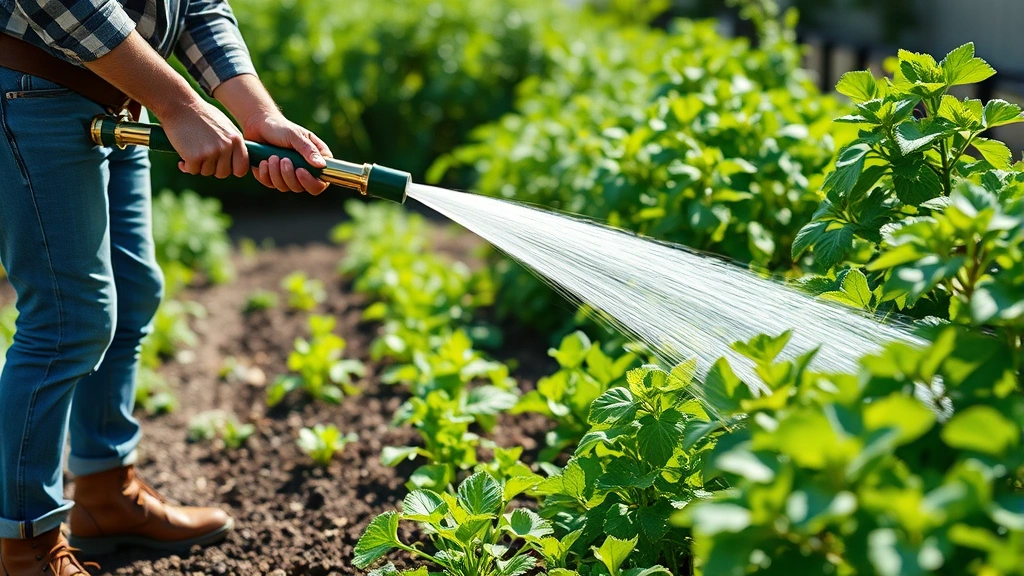
Best Garden Hose 100ft? Top Picks Reviewed
Finding the right garden hose 100 ft can transform your watering routine from frustrating to efficient. Whether you’re tending to a sprawling vegetable garden, maintaining ornamental beds, or keeping your lawn hydrated, a quality 100-foot hose provides the reach you need without constant repositioning. The market offers countless options, each with different materials, pressure ratings, and durability features that significantly impact performance and longevity.
A 100-foot garden hose strikes an ideal balance between coverage and manageability. Unlike shorter hoses that require frequent moving, or longer ones that become unwieldy and heavy, this length covers most residential properties while remaining practical to store and handle. In this comprehensive review, we’ll examine top-performing models, discuss essential features to consider, and help you select the best hose for your specific gardening needs.
Understanding Garden Hose Materials and Construction
Garden hoses are manufactured from various materials, each offering distinct advantages and drawbacks. The most common construction types include vinyl, rubber, and reinforced blends that combine multiple materials for enhanced durability.
Vinyl hoses represent the most affordable option, typically costing $15-$30 for a 100-foot length. They’re lightweight, easy to handle, and suitable for light-duty watering tasks. However, vinyl hoses tend to crack in cold weather, become brittle under intense UV exposure, and may leach chemicals if left filled with standing water. They generally last 1-2 seasons before requiring replacement, making them best suited for gardeners on tight budgets or those with minimal watering needs.
Rubber hoses deliver superior durability and flexibility compared to vinyl alternatives. Made from natural or synthetic rubber, these hoses withstand temperature extremes, resist UV damage, and maintain flexibility even in freezing conditions. A quality rubber 100-foot hose typically costs $40-$80 but can last 5-10 years with proper care. Rubber hoses are heavier than vinyl, which some gardeners find challenging when dragging them across large properties, but the longevity justifies the investment for serious gardeners.
Reinforced blend hoses combine rubber or vinyl with fabric or mesh reinforcement to prevent kinking and bursting. These hoses offer excellent pressure ratings (often 300+ PSI) and resist abrasion from sharp objects. They’re particularly valuable if you’re watering near garden beds with rough edges, pulling the hose along stone pathways, or using high-pressure attachments. Expect to invest $50-$100 for a premium reinforced 100-foot hose.
When selecting a hose material, consider your climate. Cold-weather gardeners should avoid vinyl, while those in extremely hot climates benefit from UV-resistant rubber formulations. If you’ll be storing the hose outside year-round, invest in durable materials that won’t degrade rapidly.
Top 100-Foot Garden Hose Models
The Flexzilla Premium Reinforced Hose consistently earns praise from gardeners seeking durability and performance. This hose features a hybrid polymer construction that resists kinking while maintaining excellent flexibility. It’s rated for 150 PSI, making it suitable for most household water pressure. The bright yellow color improves visibility, reducing trip hazards. At approximately $70 for 100 feet, it represents excellent mid-range value. Users report this hose lasts 5+ years even with daily use, and it coils neatly for storage without permanent kinking.
The Craftsman Premium Rubber Hose delivers professional-grade performance at reasonable cost. Made from durable synthetic rubber, this hose maintains flexibility in cold weather and resists UV degradation. It features brass fittings rather than plastic, which prevents corrosion and ensures reliable connections. The 100-foot length costs around $60-$75, and many gardeners report 7+ year lifespans. The slightly heavier weight is offset by superior durability and the satisfaction of owning a hose that truly lasts.
The Gilmour Teknor Apex Hose offers exceptional kink resistance through its spiral construction. This feature proves invaluable when you need to water around corners and obstacles. It’s rated for 200 PSI, providing ample margin for high-pressure nozzles and spray attachments. At approximately $45-$55 for 100 feet, it delivers solid value without excessive premium pricing. The hose maintains flexibility in moderate cold and resists splitting during freeze-thaw cycles.
The Irwin Gilmour Premium Rubber Hose stands out for professional landscapers and serious gardeners. This 100% rubber construction weighs more than hybrid options but provides unmatched durability. The brass couplings prevent water leakage at connection points, a common problem with plastic fittings. Budget $80-$100 for this premium option, but expect 10+ years of reliable service.
When watering easy to grow vegetables for beginners, even an economical vinyl hose suffices initially. However, as your gardening passion grows and you expand your planting areas, upgrading to a quality rubber or reinforced hose becomes worthwhile.
Key Features to Consider Before Buying
Pressure Rating indicates the maximum PSI (pounds per square inch) your hose can safely handle. Most residential water sources deliver 40-80 PSI, so a hose rated for 150+ PSI provides comfortable safety margin. If you plan using a pressure washer or high-pressure spray nozzles, ensure your hose rating exceeds 200 PSI. Undersized pressure ratings cause hose failure, leaks, and potential injury from sudden ruptures.
Diameter affects water flow rate. Standard garden hoses measure 5/8 inch internal diameter, providing adequate flow for most residential applications. Some manufacturers offer 3/4-inch hoses that deliver increased water volume, benefiting those with large properties or multiple simultaneous watering zones. However, larger diameter hoses weigh more and require more storage space. For most home gardeners, 5/8 inch remains the practical standard.
Kink Resistance dramatically improves usability. Hoses that kink restrict water flow and eventually crack at stress points. Reinforced construction, spiral design, and premium materials all enhance kink resistance. If your property features numerous corners, tight spaces, or obstacles requiring frequent direction changes, prioritize kink-resistant models.
Connection Fittings determine durability and leak prevention. Brass fittings outlast plastic alternatives by years, resisting corrosion and maintaining watertight seals. If your hose includes plastic fittings, they’ll likely fail before the hose itself requires replacement. When possible, choose models with reinforced brass couplings at both ends.
Temperature Range matters significantly if you live in climates with harsh winters. Vinyl hoses become brittle below 50°F, while quality rubber hoses remain flexible down to -20°F. Check manufacturer specifications for temperature ratings, particularly if you garden in northern regions or plan year-round watering.
UV Resistance prevents degradation when hoses remain exposed to sunlight. Premium hoses incorporate UV-blocking additives that preserve flexibility and prevent cracking during extended outdoor storage. If you lack a dedicated hose storage area, UV resistance becomes essential for longevity.
Weight and Handling affect daily usability. A 100-foot hose can weigh 8-20 pounds depending on materials. If you’re physically smaller or have mobility concerns, lighter vinyl or hybrid options may suit you better than heavy rubber hoses, even if they require more frequent replacement.
Proper plant propagation requires consistent moisture delivery, making hose quality particularly important during the delicate early growth stages when young plants cannot tolerate dry conditions.
Maintenance and Storage Tips
Seasonal Preparation extends hose lifespan considerably. Before winter arrives, drain your hose completely by disconnecting it from the water source and hanging it vertically to allow residual water to drain. Never store hoses with standing water inside, as freezing can cause internal damage and permanent kinking. In fall, inspect the entire length for cracks, leaks, or soft spots that indicate degradation.
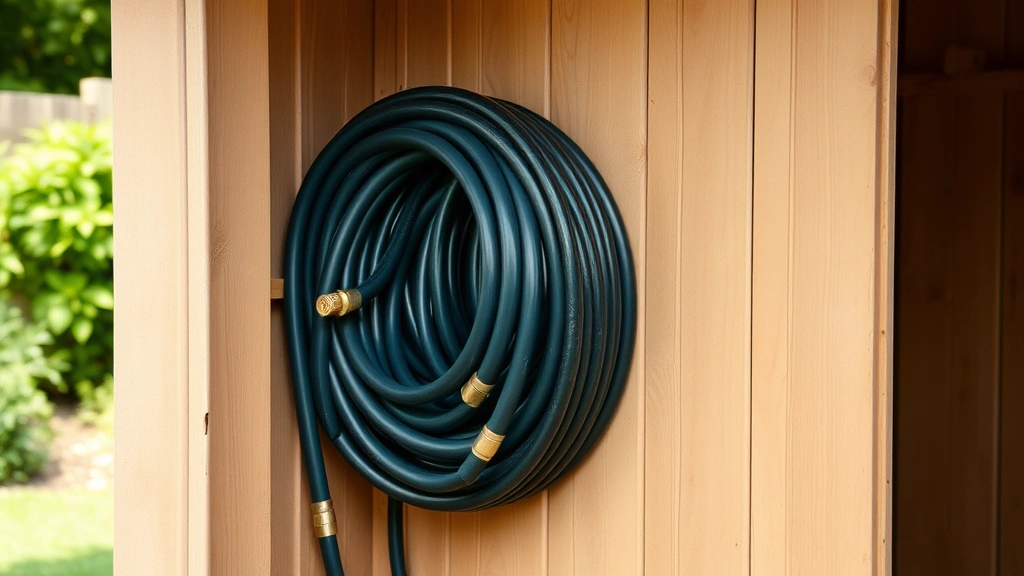
Storage Solutions protect hoses from environmental damage. Dedicated hose reels keep hoses organized and coiled properly without creating permanent kinks. Wall-mounted hose hangers work well for smaller properties, while ground-level reel systems suit larger gardens. Whatever storage method you choose, store hoses away from direct sunlight when not in use. A shaded shed or garage significantly extends hose life compared to outdoor exposure.
Connection Care prevents leaks and maintains water pressure. Check fittings regularly for corrosion, mineral deposits, or visible damage. If leaks develop at connection points, remove the fitting and inspect the hose end. Sometimes simply reseating the fitting stops leaks. If the hose end appears damaged or flattened, you may need to install a replacement fitting or trim and reattach the connector.
Cleaning and Inspection should occur monthly during active gardening season. Rinse the exterior to remove dirt and debris. Check the interior by running water through the hose to ensure consistent flow without spurting or weakening. If water pressure seems reduced, mineral deposits may be restricting flow. Flushing with a mixture of equal parts white vinegar and water can sometimes clear deposits, though severely clogged hoses may require replacement.
Repair Options can extend hose life when minor damage occurs. Small punctures or pinhole leaks can be sealed with patch kits similar to bicycle repair supplies. Hose menders—short connector pieces—can bypass small damaged sections, though this reduces total length. For significant damage affecting more than a few feet, replacement often proves more practical than repairs.
When maintaining garden infrastructure like hoses, remember that proper pruning of hydrangea bushes also requires reliable water delivery to support healthy regrowth after cutting.
Comparing Price vs. Quality
Budget-conscious gardeners often question whether premium hoses justify their higher costs. The analysis becomes clearer when calculating total cost of ownership over multiple seasons. A $20 vinyl hose lasting one season costs $20 annually. A $70 rubber hose lasting seven years costs approximately $10 annually. Over a decade, the premium hose delivers superior value despite higher initial investment.
Warranty Considerations provide insight into manufacturer confidence. Quality hoses typically include 3-10 year warranties, while budget options offer minimal or no coverage. A strong warranty indicates the manufacturer stands behind their product and expects reliable performance. Read warranty details carefully—some cover only manufacturing defects, not damage from improper storage or use.
Brand Reputation matters when selecting garden equipment. Established brands like Craftsman, Gilmour, and Flexzilla have earned customer trust through consistent quality and responsive customer service. While lesser-known brands occasionally offer bargains, you risk purchasing products with hidden defects or poor customer support if issues arise.
Seasonal Sales provide opportunities for quality purchases at reduced prices. Early spring and late summer typically see hose sales as retailers clear inventory. Purchasing premium hoses during sales can reduce effective cost while maintaining quality expectations. Sign up for retailer alerts to catch significant discounts on top-rated models.
Matching Hose to Needs prevents overspending on unnecessary features. A small ornamental garden with minimal watering needs doesn’t justify premium rubber hoses—a mid-range vinyl option suffices. Conversely, large vegetable gardens, landscape installations, or commercial applications demand durability that justifies premium pricing. Honestly assess your gardening scale and watering frequency to guide investment decisions.
Quality garden shears work optimally when paired with reliable watering systems, emphasizing how garden hose quality impacts overall gardening success and efficiency.
For those planning major landscape projects, consulting resources like the Cooperative Extension System can provide region-specific guidance on equipment selection and watering practices. The American Horticultural Society also offers excellent resources for tool selection and maintenance. Your local Master Gardener program can connect you with experienced gardeners who’ve tested various hoses in your specific climate.
Consider exploring Lowes garden soil options when establishing new beds that will require consistent watering throughout the season. Pairing quality soil with a reliable hose system ensures your plants receive optimal growing conditions.
The USDA Plant Hardiness Zone Map helps determine which hose materials will perform best in your region, while the American Society of Horticultural Science provides technical specifications for evaluating hose performance standards.
Installing raised beds with quality garden stepping stones creates organized planting zones that benefit tremendously from efficient 100-foot hose coverage, allowing you to water multiple areas without repositioning equipment.
FAQ
What length garden hose is best for most residential properties?
A 100-foot hose covers most residential properties while remaining manageable and practical. Smaller lots may suffice with 50 feet, while larger estates might benefit from 150 feet. Consider your property dimensions and water source location when selecting length.
Can I connect two hoses together instead of buying a longer single hose?
Connecting hoses is possible but generally inadvisable. Each connection point creates potential leak sources and reduces water pressure. Multiple connections also increase kinking risk and complicate storage. A single quality 100-foot hose outperforms connected shorter segments.
How often should I replace my garden hose?
Vinyl hoses typically last 1-2 years, while quality rubber or reinforced hoses last 5-10 years. Replace hoses when you notice cracks, persistent leaks, or significantly reduced water pressure. Proper storage and maintenance extend hose lifespan considerably.
Are expensive garden hoses worth the investment?
Premium hoses justify their cost through extended lifespan and superior performance. When calculating cost per year of use, quality hoses often cost less than repeatedly replacing budget options. Premium hoses also provide better water pressure, reduced kinking, and more reliable connections.
What’s the difference between reinforced and non-reinforced hoses?
Reinforced hoses include fabric, mesh, or steel-wire reinforcement that prevents kinking and increases burst pressure rating. They’re more durable but slightly heavier than non-reinforced options. Reinforced hoses suit properties with obstacles or rough terrain where hoses encounter sharp objects.
Should I drain my hose during winter?
Yes, always drain hoses completely before winter. Standing water inside hoses freezes and causes permanent damage, cracks, and kinking. Hang drained hoses vertically to ensure complete drainage, then store in a protected location away from freezing temperatures.
What water pressure rating do I need?
Most residential water systems deliver 40-80 PSI. A hose rated for 150+ PSI provides safe margin above typical household pressure. If using pressure washers or high-pressure nozzles, ensure your hose rating exceeds 200 PSI to prevent rupture.


