Choosing the Right Garden Hoe: Expert Advice
A garden hoe is one of the most versatile and essential tools in any gardener’s arsenal. Whether you’re cultivating vegetable beds, maintaining flower borders, or managing weeds across larger landscapes, selecting the right hoe can dramatically improve your efficiency and reduce physical strain. Unlike generic tools that claim to do everything, the best garden hoe is specifically matched to your gardening style, soil type, and the tasks you perform most frequently. This comprehensive guide will help you navigate the various options available and make an informed decision that transforms your gardening experience.
The humble garden hoe has evolved significantly over centuries of agricultural practice. Modern versions come in diverse designs, each engineered for specific purposes and soil conditions. Understanding these distinctions isn’t just about having a pretty tool shed—it’s about working smarter, protecting your joints and back, and actually enjoying the time you spend cultivating your plants. When you use the right tool for the job, you’ll notice improvements in your weeding efficiency, soil preparation, and overall garden health within your first season.
Understanding Garden Hoe Types and Designs
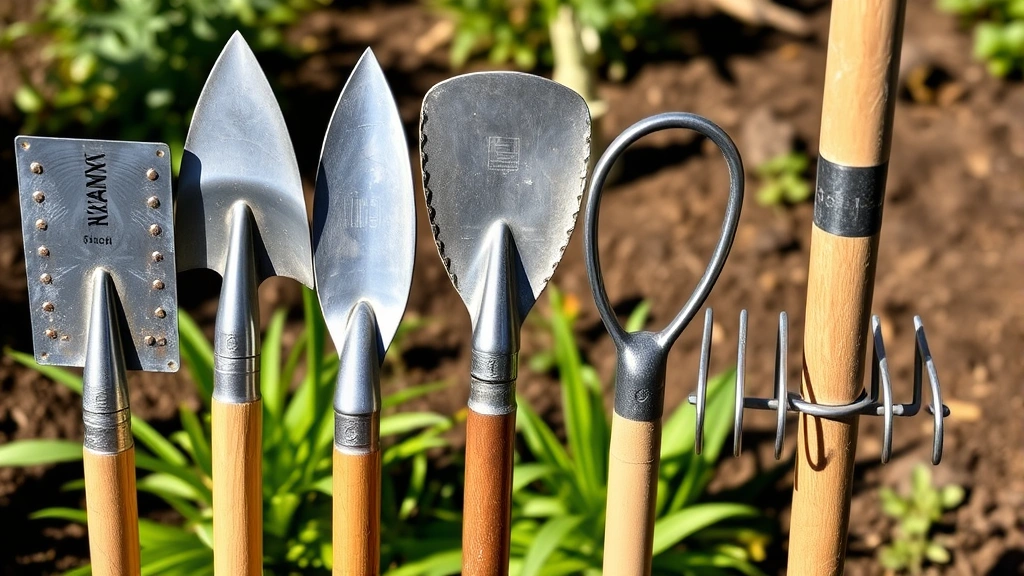
The garden hoe comes in several distinct varieties, each with specialized purposes. The standard rectangular hoe remains the most popular choice for general-purpose gardening. This classic design features a flat, rectangular blade perpendicular to the handle, making it ideal for breaking up soil clumps and removing shallow-rooted weeds. If you’re just starting your gardening journey as a beginner, a standard hoe is an excellent first investment.
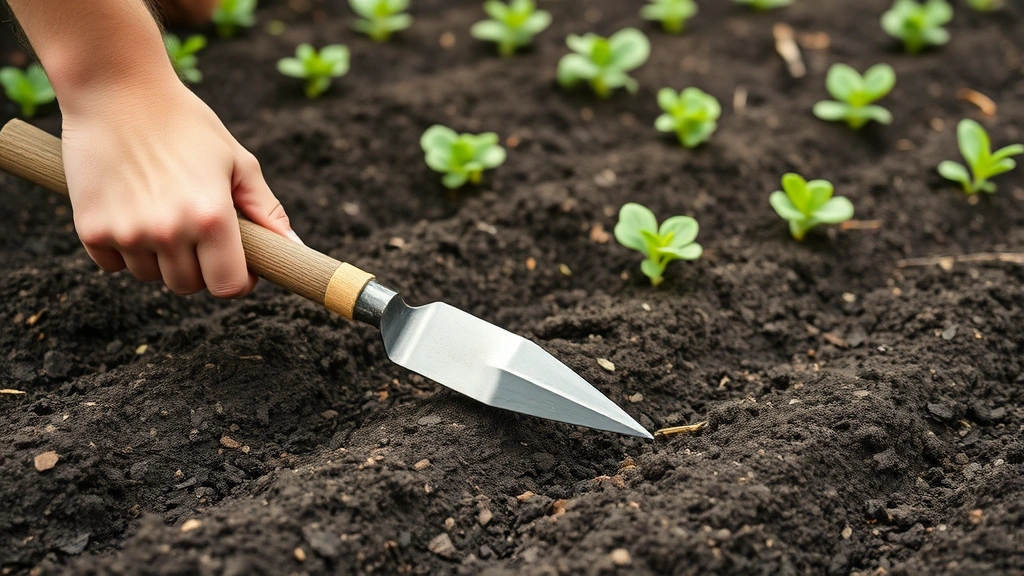
The warren or pointed hoe has a triangular or heart-shaped blade that tapers to a point. This design excels at creating furrows for seed planting and working in tight spaces between established plants. The pointed configuration allows you to dig deeper into soil with less effort, making it particularly valuable when growing vegetables that require specific planting depths. The concentrated point penetrates compacted earth more effectively than flat designs.
Stirrup hoes, also called scuffle hoes or loop hoes, feature a flat blade in a loop configuration that cuts weeds just below the soil surface. These hoes work on both the push and pull strokes, doubling your efficiency. They’re particularly effective for removing young weeds before they establish deep root systems. The shallow cutting action minimizes soil disturbance, which is beneficial when you want to preserve beneficial soil microorganisms.
The warren hoe’s cousin, the grub hoe, features a thicker, heavier blade designed for breaking through hard, compacted soil. If your garden has clay-heavy soil or you’re preparing virgin ground, a grub hoe’s substantial weight does much of the work for you. However, this tool requires more physical strength and isn’t ideal for delicate weeding around established plants.
Warren hoes and cultivating hoes with multiple tines offer different benefits than single-blade designs. These spread-tine varieties are excellent for breaking up soil clumps and aerating beds. They’re less effective at removing established weeds but superior for preparing garden soil for planting and creating an ideal seedbed texture.
Soil Type Considerations for Hoe Selection
Your soil composition should heavily influence your hoe selection. Sandy soils, which drain quickly and remain relatively loose, work well with standard rectangular hoes and stirrup hoes. These lighter designs provide adequate control without excessive weight, and the shallow cutting action prevents unnecessary soil compaction. Sandy soil rarely presents the resistance that heavier tools are designed to overcome.
Clay soils present entirely different challenges. Heavy, dense clay requires tools that can break through surface crusting and penetrate deep layers. A grub hoe or a heavier warren hoe becomes invaluable in clay-dominant gardens. The weight and blade design work with gravity to fracture compacted layers, reducing the physical effort required from the gardener. When working in clay, you’ll find that pointed designs cut through resistance more effectively than flat blades.
Loamy soils—the ideal balance of sand, silt, and clay—offer flexibility in tool selection. Most gardeners with loamy soil can successfully use standard rectangular hoes for general maintenance and stirrup hoes for weeding. This soil type responds well to most hoe designs, giving you freedom to choose based on your specific tasks rather than soil limitations.
Rocky or stony soil requires careful consideration. A grub hoe’s weight and durability make it the best choice for rocky terrain, as it can handle impact with stones without blade damage. Avoid lighter designs in very rocky soil, as the blade may bend or crack when struck by hidden rocks during hoeing. The investment in a quality grub hoe pays dividends when working in challenging soil conditions.
For gardeners with raised bed gardens, the soil is typically loosened and amended, so lighter hoes and stirrup hoes work beautifully. The controlled environment of raised beds means you rarely encounter the resistance that would justify heavier tools. This is one advantage raised beds offer—reduced tool demands and less physical strain.
Handle Length and Material Matters
Handle length dramatically affects both comfort and effectiveness. Standard hoe handles measure 48 to 60 inches, with 54 inches being the most common length. Taller gardeners—over 5’10″—should consider 60-inch handles to maintain proper posture and reduce strain on the lower back. Shorter gardeners may find 48-inch handles more comfortable and easier to control. Always test a hoe before purchasing if possible, as comfort varies significantly between individuals.
Handle material influences durability, weight, and feel. Wooden handles, traditionally made from ash or hickory, offer excellent balance and warmth in your hands. Quality wood handles absorb vibration naturally, reducing joint stress during extended hoeing sessions. However, wood requires maintenance—occasional sanding and occasional oiling to prevent splitting and cracking. Wooden handles may also rot if stored in damp conditions.
Fiberglass handles provide durability with minimal maintenance. They resist splitting, rotting, and weathering, making them ideal for gardeners who prefer low-maintenance tools. Fiberglass handles are lighter than wood but don’t absorb vibration as effectively. They can feel slightly plastic-like in your hands, though many gardeners adapt quickly to this sensation.
Aluminum handles offer the lightest weight option, beneficial for gardeners with arthritis or limited upper body strength. However, aluminum transmits vibration more directly to your hands and arms, potentially causing fatigue during extended use. Aluminum handles are durable and won’t rot or split, but they can bend if struck forcefully against rocks or hard obstacles.
Ergonomic handle designs with cushioned grips reduce hand fatigue and blistering during long gardening sessions. Some modern hoes feature curved or angled handles that promote more natural wrist positioning. If you spend several hours hoeing weekly, investing in ergonomic design can prevent repetitive strain injuries and increase your enjoyment of garden work.
Blade Width and Weight Specifications
Blade width ranges from 4 inches for narrow, precise work to 10 inches or more for broad cultivation. Wider blades cover more ground with each stroke, making them efficient for clearing large areas of young weeds. However, wider blades require more physical force to manipulate and can be cumbersome in tight spaces between plants. A 6 to 7-inch blade represents a good compromise for most gardeners—wide enough for efficiency but maneuverable enough for detailed work.
Narrow 4 to 5-inch blades excel at working between established plants without disturbing their roots. These designs are perfect for maintaining flower beds and ornamental gardens where precision matters. If you’re starting a flower garden, a narrower hoe prevents accidental damage to desirable plants while removing competing weeds.
Weight considerations extend beyond mere comfort. Lighter hoes (under 3 pounds) suit gardeners with limited strength and work well for delicate weeding and soil cultivation in established beds. Heavier hoes (4 to 6 pounds) excel at breaking compacted soil and removing established weeds with deep roots. The weight does work for you, but only if you have the strength to control it effectively. A hoe that’s too heavy becomes a liability rather than an asset.
The blade’s thickness and material affect durability and performance. High-carbon steel blades hold an edge longer and resist bending better than stamped steel alternatives. If you work in rocky soil or frequently strike hard obstacles, investing in high-carbon steel prevents frustration and blade damage. Stamped steel blades work adequately in most conditions but may require sharpening more frequently.
Maintenance and Care Tips
Proper maintenance extends your garden hoe’s lifespan significantly. After each use, clean soil and plant debris from the blade. Dried soil becomes increasingly difficult to remove, so a quick rinse or scraping immediately after use prevents stubborn buildup. For serious clay accumulation, soak the blade in water for 15 minutes before scrubbing.
Sharpen your hoe blade regularly. A sharp blade cuts weeds cleanly and penetrates soil more easily, requiring less physical effort. Dull blades crush rather than cut, potentially damaging plant tissues and making weeding considerably more difficult. Use a metal file or whetstone at a 45-degree angle, maintaining the blade’s original edge profile. Most gardeners sharpen their hoes every season or every 20-30 hours of use.
Inspect the handle regularly for cracks, splinters, or signs of rot. Wooden handles may develop cracks in dry conditions—sand these smooth and apply linseed oil to prevent expansion. If rot develops in wooden handles, replacement may be necessary. Most quality hoe heads fit standard replacement handles, making repairs economical.
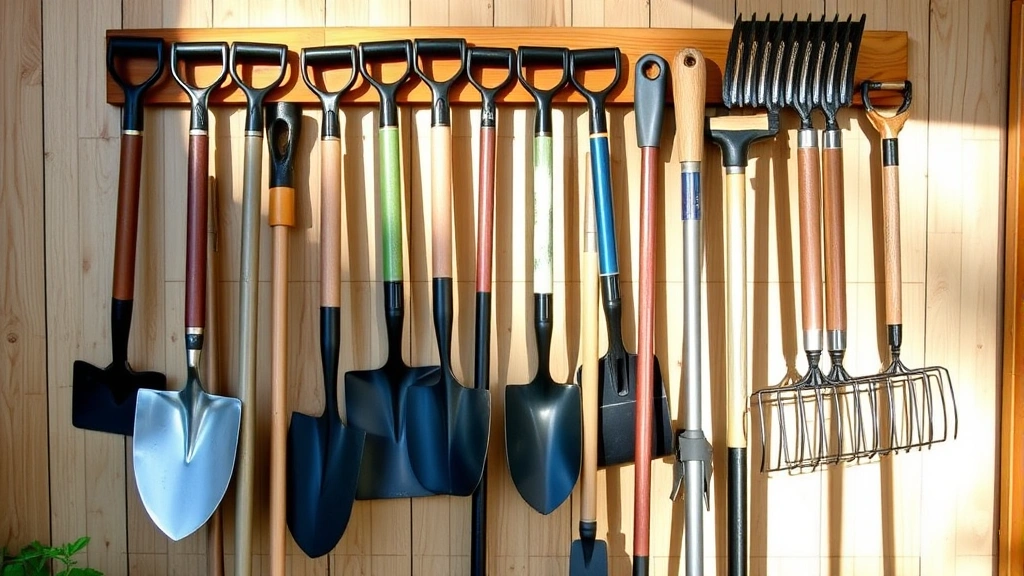
Store your hoe in a dry location, preferably hanging on a wall or tool rack rather than leaning in a corner. Proper storage prevents handle warping and reduces rust development on metal components. In humid climates, occasional light oiling of metal parts prevents rust formation.
Replace the blade if it becomes severely damaged or bent. Most quality hoe heads can be replaced on existing handles at a fraction of the cost of purchasing a new tool. This repairability is one advantage of investing in quality hoes with replaceable components.
Budget-Friendly Options Without Compromise
Quality garden hoes don’t require premium prices. Reputable manufacturers offer excellent mid-range options between $25 and $50 that outperform expensive boutique brands. Look for hoes with high-carbon steel blades and solid attachment methods rather than cheap stamped steel and weak rivets.
Consider purchasing from extension services or cooperative garden centers, where staff can provide hands-on demonstrations. Many university extension services maintain tool libraries where members can borrow quality tools before purchasing. This approach lets you test different hoe styles without investment.
Vintage and antique hoes often represent exceptional value. Many older tools feature superior craftsmanship and materials compared to modern budget options. Estate sales and antique shops frequently offer quality hoes for $10-20. Vintage tools may require blade sharpening and handle refinishing, but the underlying quality often justifies the effort.
Online retailers frequently offer sales on quality hoe brands. Comparing prices across several vendors often reveals significant discounts. However, ensure you’re purchasing from authorized retailers to guarantee warranty coverage and authentic products.
When gardening with native plants or managing larger landscapes, you might consider investing in multiple hoe styles. Rather than one expensive multi-purpose tool, purchasing two or three mid-range hoes optimized for specific tasks often provides better value and performance than one premium all-purpose design.
FAQ
What’s the difference between a hoe and a cultivator?
Hoes have single or double blades designed for weeding and breaking soil, while cultivators feature multiple tines or teeth for aerating and breaking clumps. Hoes work better for removing weeds; cultivators excel at soil preparation. Many gardeners benefit from owning both tools for different tasks.
Can I use a garden hoe in wet soil?
Hoeing in wet soil is generally not recommended. Wet soil clumps on the blade, making work difficult and potentially compacting soil structure. Wait until soil is barely moist but not soggy—typically a day or two after rain or watering—for optimal hoeing conditions.
How do I prevent blisters when hoeing?
Wear quality gardening gloves that provide grip and protection. Start with shorter hoeing sessions to build calluses gradually. Ensure your handle has a comfortable grip and proper ergonomic design. If blisters develop, apply bandages and take a break rather than pushing through pain.
What’s the proper hoeing technique?
Stand with feet shoulder-width apart, knees slightly bent. Keep your back straight and let your arms do the work rather than bending at the waist. Use smooth, controlled strokes rather than aggressive chopping. The hoe should slide through soil smoothly; if you’re struggling, the blade may be dull or the soil too compacted.
Can I use a hoe in container gardens?
Yes, but small narrow hoes work better in containers. Standard-sized hoes are too large for most pots. Consider a hand hoe or small cultivator for container gardening instead. These compact tools provide adequate control in limited spaces.
How often should I sharpen my hoe blade?
Sharpen your hoe every season or every 20-30 hours of use. If you notice the blade crushing weeds rather than cutting them cleanly, it’s time to sharpen. A sharp blade significantly reduces the physical effort required for hoeing.
What’s the best hoe for removing dandelions and deep-rooted weeds?
A warren or pointed hoe works best for deep-rooted weeds. The pointed design penetrates deeply and can extract tap roots. For maximum effectiveness, hoe when soil is slightly moist to allow roots to pull free more easily than in dry, compacted earth.


