Garden Gun Ideas? Expert Safety Tips Inside
A garden gun, also called a watering wand or spray gun, is one of the most versatile tools you can add to your gardening arsenal. Whether you’re tending to delicate seedlings, misting foliage, or delivering targeted watering to thirsty plants, understanding how to safely and effectively use a garden gun transforms your watering routine. This comprehensive guide covers everything from selecting the right model to mastering proper techniques that protect both your plants and yourself.
The term “garden gun” encompasses several spray and watering devices designed to deliver water with precision and control. From pistol-grip spray nozzles attached to your best garden hose to handheld pressure sprayers, these tools offer adjustable water flow patterns that make plant care more efficient and enjoyable. Learning proper safety protocols ensures you’ll use your garden gun responsibly for years to come.
Understanding Different Garden Gun Types
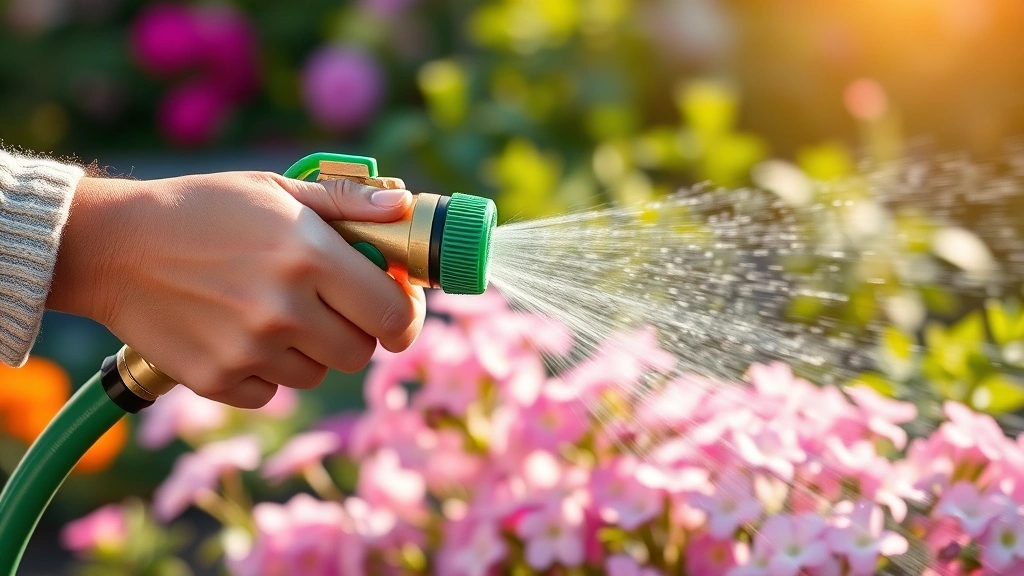
Garden guns come in several varieties, each designed for specific watering needs and plant types. The most common type is the trigger-style spray nozzle, which attaches to standard garden hoses and offers multiple spray patterns ranging from mist to stream. These are perfect for watering everything from garden phlox to container plants.
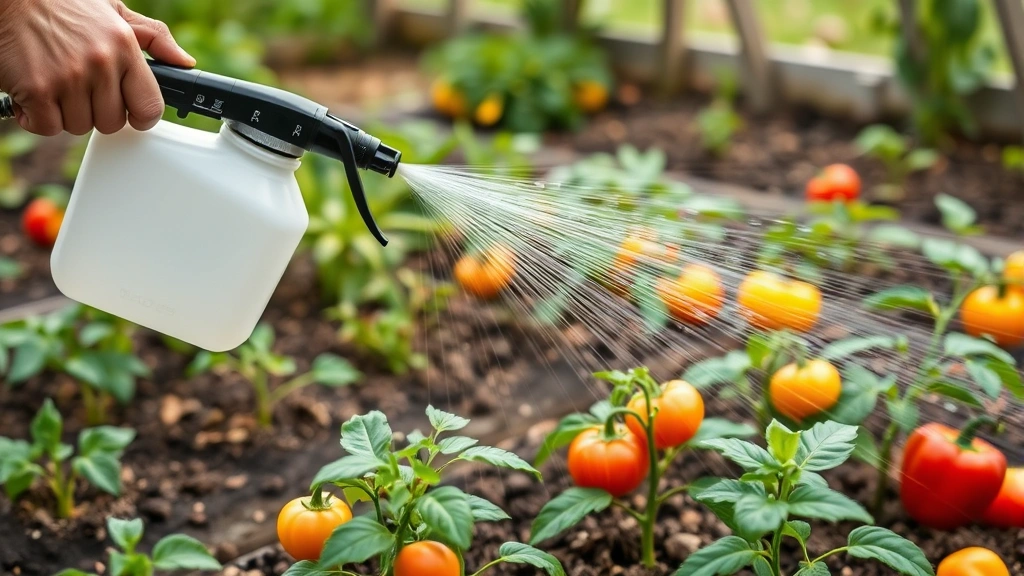
Handheld pressure sprayers, sometimes called pump sprayers, hold water or diluted solutions in a tank and use manual pumping action to build pressure. These are excellent for applying fertilizers, pesticides, or fungicides with precision. Hose-end sprayers automatically mix chemicals with water as it flows through, making them convenient for consistent applications.
Foam cannons and adjustable spray guns offer wider coverage and are ideal for larger areas. Some gardeners prefer the simplicity of a basic watering can with a rose attachment, which provides gentle flow perfect for newly planted seedlings. Understanding which type suits your garden layout and plant needs is the first step toward safe operation.
Pressure-operated garden guns vary significantly in output force. Low-pressure models (under 40 PSI) work well for most ornamental plants and vegetables. Medium-pressure models (40-80 PSI) handle tougher cleaning tasks and deeper watering. High-pressure models exceed 80 PSI and should only be used for specific applications like driveway cleaning, never on delicate plant foliage.
Essential Safety Guidelines for Garden Gun Use
Safety should be your primary concern whenever you pick up a garden gun. Always wear protective eyewear when operating any pressurized watering device, especially if you’re applying chemical solutions. Water pressure can cause splashback that might irritate your eyes or face. Additionally, consider wearing gloves to protect your hands from chemicals, sharp nozzle edges, or unexpected pressure surges.
Before each use, inspect your garden gun for cracks, loose connections, or deteriorated seals. A damaged nozzle or hose can fail unpredictably, potentially causing injury or wasting water. Check that all connections are tight and secure. If you notice any damage, repair or replace the component immediately rather than risking malfunction during use.
Never point a pressurized garden gun at yourself, other people, or pets. Even seemingly gentle mist settings can cause injury at close range. Always be aware of your surroundings and ensure no one is in the spray path. This is especially critical when working with chemical solutions, where accidental contact could cause serious harm.
When applying any chemicals through your garden gun, always read and follow the manufacturer’s instructions completely. Wear appropriate protective equipment including gloves, long sleeves, and eye protection. Never spray chemicals on windy days when drift could affect neighboring properties or unintended plants. Apply solutions during early morning or evening hours when beneficial insects are less active.
Store your garden gun in a secure location away from children and pets. If it contains chemical residue, ensure it’s properly cleaned and labeled. Never leave a pressurized garden gun unattended while connected to a water source, as pressure can build unexpectedly or hoses can rupture without warning.
Familiarize yourself with local regulations regarding pesticide and fertilizer application. Many areas have specific guidelines about timing, quantities, and application methods. Your local cooperative extension service can provide region-specific guidance on safe chemical use in gardens.
Proper Technique and Best Practices
Mastering proper garden gun technique ensures effective watering while minimizing plant stress and water waste. Start by selecting the appropriate spray pattern for your target plants. Delicate flowers and newly planted seedlings benefit from mist settings, while established perennials and shrubs can handle stream or jet settings. For shade garden plants that prefer consistent moisture, use gentler spray patterns to avoid soil compaction.
Hold the garden gun at a 45-degree angle when possible, which helps water penetrate soil more effectively than vertical application. Keep the nozzle 12-18 inches from plant foliage to prevent damage from excessive pressure. When watering container plants, direct water toward the soil surface rather than spraying foliage, which reduces disease risk and minimizes water runoff.
Water deeply but less frequently to encourage strong root development. Rather than daily light misting, provide thorough soaking sessions that allow water to penetrate several inches into the soil. This approach is particularly important for vegetables and rain garden plants that need substantial moisture reserves.
Timing matters significantly for garden gun use. Water early in the morning when temperatures are cool and evaporation is minimal. This timing also allows foliage to dry before nightfall, reducing fungal disease risk. Avoid watering during peak heat hours when water loss to evaporation is greatest and plants may experience stress.
For large garden areas, consider using a soaker hose attachment or drip irrigation system alongside your garden gun. These methods deliver water directly to root zones with minimal waste. Your garden gun works best for supplemental watering, targeted applications, and spot treatments rather than as your primary irrigation system.
When using your garden gun on newly planted areas, start with the gentlest setting and gradually increase pressure as soil becomes established. This prevents soil erosion and protects delicate root systems. For mature plants, you can use stronger spray patterns to dislodge dust, pollen, and light pest infestations.
Maintenance and Storage Safety
Proper maintenance extends your garden gun’s lifespan and ensures safe operation throughout the growing season. After each use, flush your garden gun thoroughly with clean water, especially if you’ve applied any chemicals. Residual solution can corrode internal components and create safety hazards during subsequent use. Disconnect the gun from the hose and allow all water to drain completely.
Inspect spray nozzles regularly for mineral buildup or clogs, which reduce pressure consistency and spray pattern effectiveness. For hard water areas, soak nozzles in white vinegar overnight to dissolve mineral deposits. Use a soft brush or cloth to clean external surfaces, avoiding abrasive materials that could damage seals and gaskets.
Store your garden gun in a cool, dry location protected from direct sunlight. Extreme temperature fluctuations can degrade rubber and plastic components. During winter months, drain all water from hoses and spray guns to prevent freeze damage. If your region experiences freezing temperatures, store equipment indoors rather than leaving it exposed to the elements.
Check trigger mechanisms regularly to ensure they operate smoothly without sticking. Lubricate moving parts with a light silicone spray, following the manufacturer’s recommendations. Never use oil-based lubricants on food-contact plants or in areas where you’ll apply pesticides, as these can create hazardous chemical reactions.
Replace worn washers and seals promptly to prevent leaks and maintain consistent pressure. Many garden gun components are inexpensive and readily available as replacement parts. Addressing small maintenance issues immediately prevents them from becoming major problems that render your tool unusable.
Keep your garden gun away from extreme temperatures and direct sunlight when not in use. UV exposure can degrade plastic components over time, while heat can cause pressure buildup in sealed tanks. A shaded storage location like a garage, shed, or garden shed is ideal.
Protecting Your Plants While Using Garden Guns
While garden guns are valuable tools, they can damage plants if used improperly. High-pressure spray can strip protective coatings from leaves, expose tender plant tissues, and cause physical damage to delicate flowers and stems. Always match spray intensity to plant fragility and maturity.
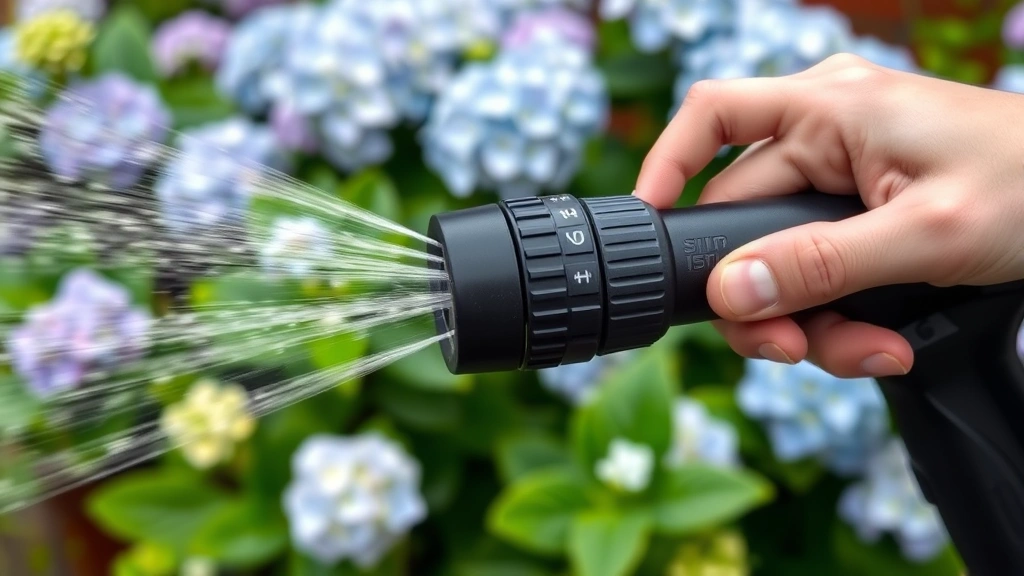
When watering ornamental plants like those in your hydrangea bushes, use gentle mist settings and avoid spraying during the hottest parts of the day. Wet foliage combined with intense sunlight can cause leaf burn and stress. Instead, water soil directly at the base of the plant.
For young seedlings and transplants, use the gentlest available spray pattern or switch to hand-watering with a traditional watering can. These young plants have delicate root systems and tender growth that excessive water pressure can damage. As plants mature and develop stronger stems, you can gradually increase spray intensity.
Certain plant types require extra care with garden gun watering. Fuzzy-leaved plants like African violets and lamb’s ear prefer water on soil only, never on foliage. Succulents and drought-tolerant plants need less frequent watering overall and may develop rot if sprayed heavily. Always consider individual plant water preferences when selecting spray patterns.
Apply garden shears to remove any damaged foliage after aggressive watering. This prevents disease entry points and encourages healthy new growth. However, minimize such damage by using appropriate pressure settings from the start.
During flowering periods, avoid spraying flowers directly, as this can damage delicate petals and reduce bloom longevity. Instead, water at soil level to keep roots hydrated while preserving flower appearance. This technique is especially important for cut flowers or plants you’re showcasing in your landscape.
Common Mistakes to Avoid
Many gardeners inadvertently damage their plants or compromise safety by making common garden gun mistakes. Overwatering is perhaps the most frequent error, leading to waterlogged soil, root rot, and fungal diseases. Remember that most plants need less water than gardeners assume. Allow soil to dry slightly between waterings.
Using maximum pressure on all plants regardless of type causes unnecessary damage. Tender annuals, seedlings, and delicate perennials need gentle treatment. Reserve high-pressure settings for cleaning tasks or sturdy shrubs only. Start with lower settings and increase gradually as needed.
Spraying during midday heat compounds plant stress from temperature extremes and increases water loss to evaporation. Adjust your watering schedule to early morning or evening hours for optimal plant health and water efficiency. This simple timing change dramatically improves results.
Neglecting to clean your garden gun after chemical applications leaves residue that can cause problems during subsequent uses. Cross-contamination between different chemicals can create dangerous reactions or harm unintended plants. Always rinse thoroughly with clean water after applying any solution.
Ignoring safety equipment needs puts you at risk of injury. Pressure from even modest garden guns can cause eye injury, skin irritation, or chemical exposure. Wearing appropriate protective gear takes minimal time but provides essential protection.
Failing to check hose and nozzle connections before use can result in sudden disconnections, flooding, or pressure failures. A quick visual inspection takes seconds and prevents frustrating or dangerous situations. Make connection checks part of your routine setup procedure.
Storing garden guns improperly with chemical residue inside creates safety hazards and equipment damage. Always empty tanks completely and rinse all components thoroughly before storage. Label any equipment that previously contained chemicals to prevent accidental misuse.
FAQ
What’s the difference between a garden gun and a regular watering can?
A garden gun delivers water under pressure through a nozzle with adjustable spray patterns, offering more control and faster watering for larger areas. A watering can relies on gravity and manual pouring, making it gentler for delicate plants but slower for extensive watering. Most gardeners benefit from having both tools available.
Can I use my garden gun to apply pesticides safely?
Yes, but only if it’s specifically designed for chemical application and you follow all safety guidelines. Wear protective equipment, read product instructions carefully, apply during appropriate times, and never spray on windy days. Consider consulting your local extension service for application guidance specific to your region.
How often should I water with a garden gun?
Frequency depends on plant type, soil conditions, weather, and season. Most established plants benefit from deep watering once or twice weekly rather than daily light misting. Check soil moisture 2-3 inches deep; water when this depth feels dry. Adjust frequency based on rainfall and temperature changes.
Is pressure washing my garden with a garden gun safe for plants?
Only for sturdy, mature plants and only with low to medium pressure settings. Never use high-pressure spray on delicate ornamentals, flowers, or young plants. Pressure washing can strip protective coatings, cause physical damage, and stress plants unnecessarily. Reserve pressure washing for hardscaping, not plants.
What should I do if my garden gun leaks?
Stop using it immediately and identify the leak source. Check all connections first—tightening them often solves minor leaks. If leaking continues, inspect seals and washers for damage. Replace worn components with manufacturer-approved parts. If you can’t locate the problem, consult the manufacturer or visit a garden center for professional assessment.
Can I leave my garden gun connected to the hose during winter?
No. Drain all water from your garden gun, hose, and any attached equipment before winter arrives. Freezing water expands and can crack hoses, nozzles, and connections, rendering them unusable. Store equipment indoors in a climate-controlled space to prevent damage from temperature extremes.
How do I prevent mineral buildup in my garden gun nozzle?
In hard water areas, mineral deposits accumulate inside nozzles and restrict flow. Soak nozzles weekly in white vinegar to dissolve deposits. Flush with clean water afterward. Consider installing a water softener or filter if you have particularly hard water, which benefits your entire garden system.


