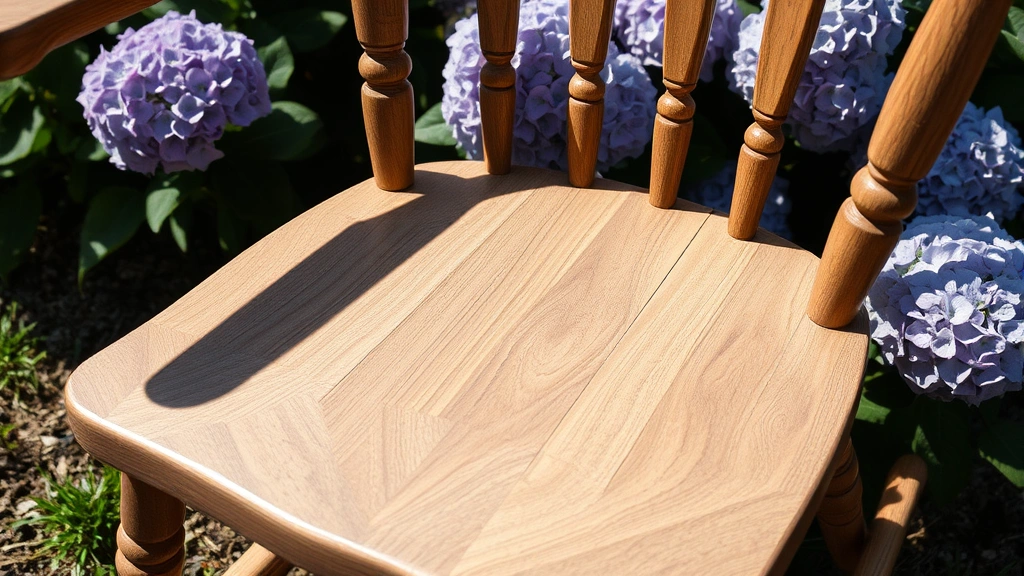
Rocking Chair Care: Expert Gardener Advice for Outdoor Furniture Longevity
A well-maintained rocking chair transforms your garden space into a serene retreat where you can observe your plants thriving, plan seasonal projects, and simply enjoy the fruits of your labor. Whether you’re relaxing beside elevated garden beds or overlooking your vegetable patch, proper furniture care extends the life of your outdoor pieces and keeps them looking beautiful year after year. Garden furniture, particularly rocking chairs, faces constant exposure to moisture, temperature fluctuations, UV rays, and debris that can compromise their structural integrity and aesthetic appeal.
As an experienced gardener, I’ve learned that protecting your outdoor furniture requires the same dedication you give to your plants. Just as you wouldn’t neglect your garden beds, your rocking chair deserves regular maintenance and seasonal preparation. This comprehensive guide shares professional strategies for keeping your outdoor rocking chair in pristine condition, regardless of climate or material type.
Understanding Your Rocking Chair Material
The foundation of effective furniture care begins with identifying your rocking chair’s material composition. Different materials require distinct maintenance approaches, and applying incorrect techniques can accelerate deterioration. Your gardening lifestyle means your furniture endures unique challenges compared to indoor pieces.
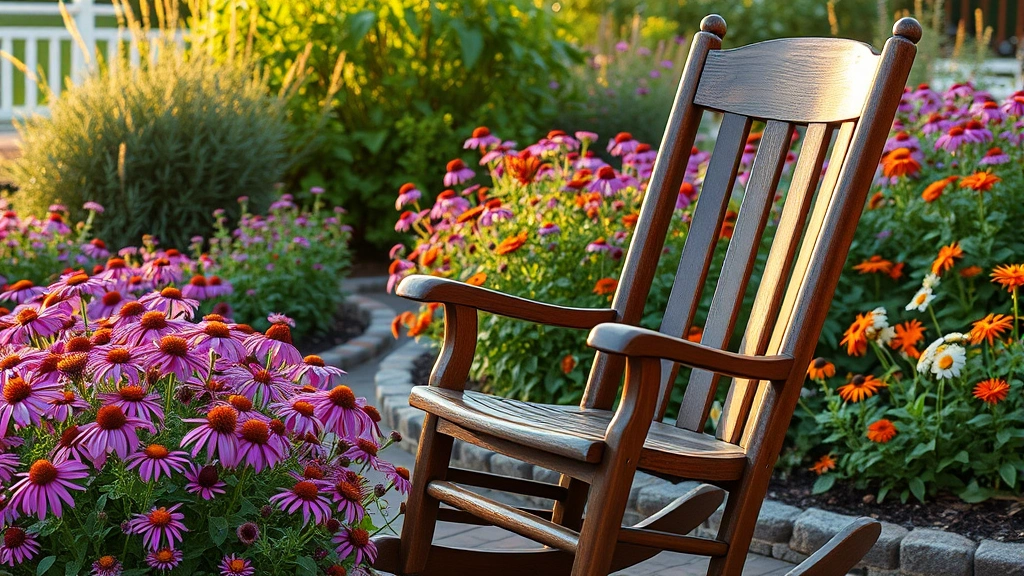
Wood Rocking Chairs remain the most popular choice for garden settings, offering natural beauty and classic appeal. Hardwoods like teak, cedar, and oak provide excellent durability, while softwoods require more vigilant protection. The grain structure in wood absorbs moisture, which causes swelling, warping, and rot if left unprotected. Inspect wooden chairs quarterly for signs of splintering, discoloration, or soft spots indicating water damage. Apply food-grade mineral oil or specialized exterior wood sealers every six months to maintain the protective barrier that keeps moisture at bay.
Metal Rocking Chairs crafted from aluminum, wrought iron, or steel offer lightweight durability but face distinct challenges. Aluminum resists rust naturally, making it an excellent low-maintenance option for humid climates. Steel and wrought iron require rust prevention through protective coatings and regular inspection. Salt air near coastal gardens accelerates corrosion significantly, necessitating more frequent maintenance. Powder-coated finishes provide superior protection compared to paint, but any chips or scratches expose bare metal to oxidation.
Wicker and Rattan Rocking Chairs bring textural warmth to garden spaces but demand consistent care. These natural materials absorb moisture readily, promoting mold growth and fiber deterioration. Synthetic wicker alternatives offer improved weather resistance but still benefit from protective measures. The woven construction creates pockets where debris accumulates, requiring thorough cleaning to prevent decomposition and pest habitation.
Composite and Plastic Materials provide budget-friendly, low-maintenance options gaining popularity among modern gardeners. High-density polyethylene and polypropylene resist moisture and UV damage inherently, though UV exposure causes fading and brittleness over extended periods. Composite materials combining wood fibers with plastic polymers offer aesthetic appeal with reduced maintenance demands, though they’re susceptible to staining and discoloration.
Seasonal Preparation and Storage
Strategic seasonal management significantly extends your rocking chair’s lifespan. As gardeners understand seasonal cycles for plant care, similar rhythms apply to outdoor furniture protection. Your climate zone determines specific timing, but the fundamental principles remain consistent across regions.
Spring Preparation involves emerging from winter storage ready to enjoy your garden. Inspect chairs thoroughly for winter damage, checking for cracks, rust spots, or pest damage before positioning them in your garden sanctuary. Clean accumulated dust and debris using soft brushes and appropriate cleaning solutions for your material type. Test the rocking mechanism to ensure smooth operation, lubricating joints with silicone-based products if needed. This is the ideal time to apply fresh protective coatings to wood or to touch up any paint chips on metal frames before summer weather intensifies.
Summer Maintenance focuses on UV protection and moisture management. Position rocking chairs in areas receiving partial shade when possible, as unrelenting direct sunlight accelerates fading and material degradation. Arrange your raised bed gardening layout to provide natural shade for sitting areas. Water your garden wisely to avoid splashing furniture with mineral-laden irrigation water that leaves deposits. After rainfall, dry wooden chairs to prevent moisture entrapment that promotes rot and mold.
Fall Preparation requires proactive protection before winter arrives. Clean chairs thoroughly, removing accumulated pollen, dust, and organic debris that retains moisture. Apply fresh protective sealers to wood surfaces before temperature drops and humidity increases. Check for any summer damage requiring repair before storage season begins. Remove cushions and store them indoors where temperature and humidity remain stable. Inspect all hardware for corrosion and treat with rust-preventative products as needed.
Winter Storage protects furniture during harsh weather months. In cold climates, moving chairs indoors to climate-controlled spaces provides optimal protection. If outdoor storage is necessary, position furniture on elevated surfaces using weather-resistant supports that promote drainage underneath. Cover chairs with breathable fabric tarps that prevent moisture accumulation while allowing air circulation. Avoid plastic coverings that trap condensation and create mold-promoting environments. In mild climates, consistent cleaning and protective applications maintain chairs throughout winter months.
Cleaning Techniques for Different Surfaces
Regular cleaning prevents debris accumulation that harbors moisture and promotes material degradation. Your gardening enthusiasm means soil, plant matter, and organic residue naturally accumulate on outdoor furniture. Establishing a cleaning routine prevents these materials from causing permanent damage.
Wood Surface Cleaning requires gentle techniques preserving the protective finish. Begin with soft-bristled brush removal of loose debris and dust. Mix mild dish soap with warm water, using a soft cloth or sponge to clean surfaces gently. Avoid high-pressure water sprays that force moisture into wood grain and damage finishes. For stubborn stains, specialized wood cleaners formulated for exterior furniture provide safe, effective results. Rinse thoroughly with clean water and dry completely before applying any protective treatments. Never use harsh chemicals, bleach, or abrasive scrubbers that strip finishes and damage wood fibers.
Metal Cleaning Approaches depend on material type and finish condition. Aluminum responds well to mild soap and water solutions applied with soft cloths. For oxidized aluminum displaying white powdery residue, specialized aluminum cleaners restore appearance effectively. Wrought iron and steel require rust prevention through protective coatings. If surface rust appears, remove it using fine steel wool or specialized rust-removal products before reapplying protective paint or sealant. Prevent future corrosion by drying metal thoroughly after rain or cleaning and maintaining protective coatings consistently.
Wicker and Rattan Maintenance demands moisture control and regular inspection. Vacuum woven surfaces using upholstery attachments to remove trapped debris. Wash with diluted mild soap solutions using soft brushes that clean without damaging fibers. Dry thoroughly in sunlight when possible, as UV rays help prevent mold growth. For mold or mildew spots, apply solutions of equal parts white vinegar and water, scrubbing gently and drying completely. Treat wicker periodically with protective sprays formulated for natural fibers, creating water-repellent barriers without compromising breathability.
Composite and Plastic Cleaning utilizes straightforward approaches. Wash with mild soap and water, using soft brushes for textured surfaces where dirt accumulates. Most composite materials resist staining, though organic matter should be removed promptly to prevent permanent discoloration. Avoid abrasive cleaners that scratch surfaces. For stubborn stains, specialized composite cleaners provide safe, effective results. Rinse thoroughly and allow complete drying before use.
” alt=”Close-up of weathered wooden rocking chair seat showing natural grain texture and protective finish application, positioned in dappled garden shade near blooming hydrangeas”/>
Weather Protection Strategies
Environmental factors represent the primary threat to outdoor furniture longevity. Understanding how weather affects your specific materials enables strategic protection planning. Your garden’s microclimate influences protection needs significantly—chairs near irrigation systems face different challenges than those in dry microclimates.
UV Protection prevents fading and material degradation caused by intense sunlight exposure. Apply UV-protective sealers to wood surfaces, creating barriers against solar radiation. For metal furniture, select powder-coated finishes offering superior UV resistance compared to standard paint. Arrange garden features to provide partial shade, positioning rocking chairs where trees, pergolas, or structures cast afternoon shadows. Consider movable shade solutions like umbrellas or shade cloth during peak summer months when UV intensity peaks. Rotate furniture positioning periodically to ensure even fading if complete shade isn’t available.
Moisture Management prevents rot, rust, and mold development. Ensure furniture sits on well-draining surfaces rather than directly on soil or low-lying areas where water pools. Elevate chairs slightly using small platforms or blocks that allow air circulation underneath. After rainfall, wipe furniture dry to prevent moisture entrapment in crevices and joints. In humid climates, increase drying time by positioning fans nearby or placing chairs in sunlit areas. Store cushions indoors where humidity remains controlled, preventing mold development that damages fabric and foam.
Wind Protection prevents physical damage and accelerates moisture evaporation. Position rocking chairs in sheltered locations protected from strong prevailing winds. In exposed gardens, consider windbreak plantings or structures that reduce wind velocity without creating stagnant, moisture-trapping environments. Secure lightweight furniture in areas prone to wind gusts, preventing tipping and damage. After severe weather events, inspect chairs for damage requiring immediate attention.
Temperature Fluctuation Management reduces stress on materials and finishes. Dramatic temperature swings cause expansion and contraction that weakens joints and finishes. In cold climates, moving furniture indoors during winter prevents freeze-thaw cycles that crack finishes and damage wood. If outdoor storage is necessary, position chairs where morning sun provides gradual warming rather than sudden temperature changes. Use breathable covers that moderate temperature extremes without trapping condensation.
Repair and Restoration Guide
Despite excellent maintenance, outdoor furniture eventually requires repairs addressing wear and damage. Early intervention prevents minor issues from becoming structural problems requiring replacement. Your gardening mindset means you already understand that preventive care beats reactive repairs.
Wood Repair Techniques address common deterioration patterns. Splinters require sanding with medium-grit sandpaper followed by fine-grit finishing to restore smooth surfaces. Small cracks benefit from epoxy wood fillers applied with putty knives, sanded smooth once dry, and sealed with matching finishes. Deep cracks or rot indicate more serious damage requiring professional assessment. Loose joints respond to tightening hardware or, if wood has weakened, strategic reinforcement with wooden blocks or metal braces. Replace severely damaged wood components rather than attempting complex repairs that compromise safety.
Metal Restoration addresses rust and corrosion issues. Surface rust responds to wire brushing or fine steel wool, removing oxidized material to expose bare metal. Apply rust-converter products that chemically transform remaining rust into stable compounds, then apply protective paint or sealant. For severe rust penetrating deeply, replacement may be necessary. Prevent future corrosion through consistent protective coatings and prompt attention to any new rust spots. Tighten loose bolts and hardware regularly, as vibration loosens connections allowing moisture infiltration.
Wicker Repair Approaches range from simple to complex. Broken individual strands can be wrapped with matching material or replaced by weaving new fibers through existing patterns. Structural damage affecting multiple strands requires professional restoration. Preventive maintenance through consistent cleaning and protective treatments minimizes severe damage requiring specialized repair.
Finish Restoration revitalizes faded or worn protective coatings. Strip old finishes using appropriate methods for your material—sanding for wood, chemical strippers for painted surfaces, or specialized rust removal for metal. Once bare material is exposed and cleaned, apply fresh protective coatings following manufacturer specifications. Multiple thin coats provide superior protection compared to single thick applications. Allow proper drying time between coats and after final application before exposing furniture to weather.
Long-Term Maintenance Schedule
Consistent, scheduled maintenance prevents crisis repairs while keeping furniture beautiful. Treat furniture care like tending your garden vegetables—regular attention yields excellent results while neglect creates problems.
Monthly Tasks during active use seasons include visual inspections for damage, debris removal using soft brushes, and spot cleaning addressing stains or accumulated dirt. Wipe metal surfaces dry after rain to prevent rust development. Check hardware tightness, securing any loose bolts or screws before they cause structural issues. These brief tasks require minimal time but prevent minor issues from escalating.
Quarterly Reviews assess overall condition more thoroughly. Inspect wood for splintering, discoloration, or soft spots indicating moisture damage. Check metal surfaces for rust spots or coating damage. Examine wicker for broken strands or mold development. Test rocking mechanisms for smooth operation, addressing squeaks or resistance with appropriate lubricants. Clean cushions and storage covers, ensuring they remain dry and mold-free. Document any damage requiring future repair.
Semi-Annual Deep Cleaning before season transitions removes accumulated debris and prepares furniture for upcoming weather challenges. Thoroughly clean all surfaces using appropriate methods for your materials. Inspect all joints, crevices, and hardware for corrosion or deterioration. Address any identified damage promptly before seasonal weather intensifies. Apply fresh protective coatings to wood or touch up paint chips on metal. This comprehensive approach maintains optimal protection throughout the year.
Annual Major Maintenance before winter storage involves complete restoration. Strip and reapply finishes if protective coatings show wear. Replace any damaged components or hardware. Repair loose joints before storage season. Clean and treat all surfaces with protective products formulated for your materials. Store furniture properly in climate-controlled spaces when possible, or under breathable covers in protected outdoor locations. This annual commitment ensures furniture emerges from winter ready for another season of garden enjoyment.
Beyond your individual furniture care, consider exploring fairy garden ideas or visiting community garden spaces where you can observe how other gardeners maintain their outdoor seating areas. These experiences provide inspiration and practical insights for optimizing your own garden furniture arrangement and care practices.
” alt=”Restored wooden rocking chair with rich finish sitting beside mature perennial garden beds bursting with purple coneflowers and black-eyed Susans during golden hour light”/>
FAQ
How often should I apply protective sealant to wooden rocking chairs?
Apply protective sealers every six months for wood furniture in harsh climates or areas with intense sun exposure. In milder climates with moderate weather, annual applications suffice. Monitor finish condition between applications—if water beads on the surface rather than being absorbed, protection remains adequate. When water soaks into wood rather than beading, reapplication becomes necessary regardless of time elapsed.
Can I leave my rocking chair outside year-round?
This depends on your climate and material type. Aluminum and composite materials tolerate year-round outdoor exposure well. Wood and metal require seasonal protection or storage in harsh climates. Even weather-resistant materials benefit from winter storage in regions with freeze-thaw cycles or heavy snow. If year-round outdoor storage is necessary, invest in high-quality breathable covers and increase maintenance frequency significantly.
What’s the best way to remove mold from wicker furniture?
Mix equal parts white vinegar and water in a spray bottle. Apply the solution to affected areas and scrub gently with soft brushes. Allow the solution to sit for 10-15 minutes before rinsing thoroughly with clean water. Dry completely in sunlight when possible, as UV rays prevent mold recurrence. For stubborn mold, apply the solution twice with thorough drying between applications. Prevent future mold by ensuring proper air circulation and moisture management.
Is it worth restoring an old rocking chair or should I replace it?
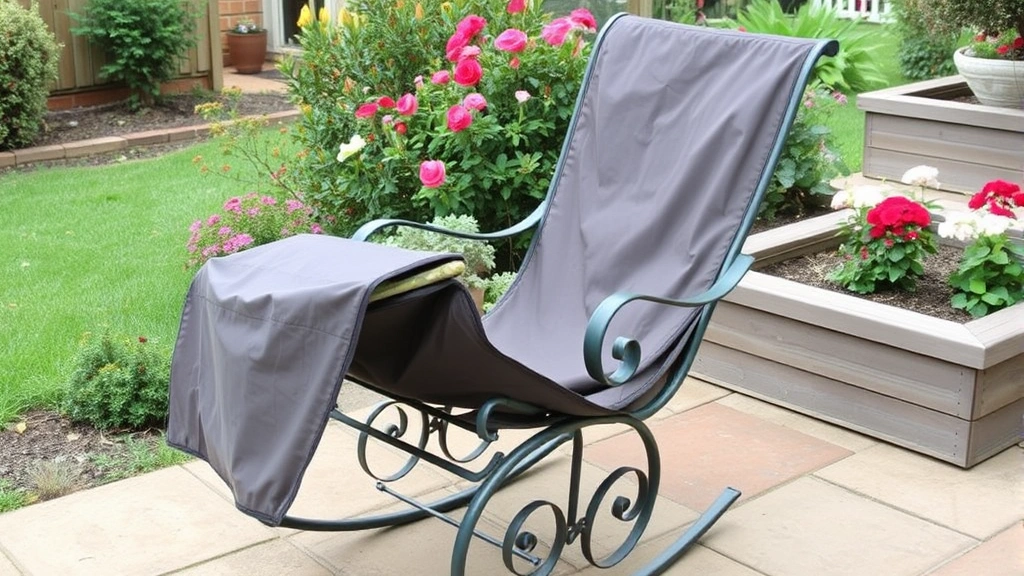
Restoration makes sense for furniture with sentimental value, superior craftsmanship, or unique design elements. Assess repair costs against replacement prices—if restoration costs exceed 50-60% of replacement value, replacement may be more economical. However, well-made vintage pieces often prove more durable than modern alternatives and justify restoration investment. Consult furniture restoration specialists for complex projects requiring professional expertise.
How do I prevent rust on metal rocking chairs in humid climates?
Maintain protective coatings consistently, repainting or resealing before any bare metal becomes exposed. Dry metal surfaces immediately after rain or cleaning, preventing moisture accumulation. Store furniture indoors during humid seasons when possible. Apply rust-preventative products like clear lacquers or specialized metal sealers. Choose aluminum or powder-coated finishes over bare steel when selecting new furniture, as these materials resist corrosion inherently.
Can I use pressure washers to clean outdoor furniture?
Avoid high-pressure washers, as they force water into wood grain, joints, and finishes, causing damage. Use gentle, low-pressure spray settings only on robust materials like composite decking. For furniture, employ soft brushes, cloths, and mild soap solutions instead. Pressure washing damages protective finishes, accelerates weathering, and forces moisture into areas promoting rot and deterioration.


