Garden City SC: Local Planting Secrets Revealed
Garden City, South Carolina, nestled in Horry County along the Atlantic coast, represents a unique growing zone for gardeners seeking to maximize their harvests and create thriving landscapes. With its subtropical climate, sandy loam soils, and proximity to the ocean, this charming community offers distinct advantages and challenges that set it apart from inland gardening regions. Whether you’re a seasoned horticulturist or a curious newcomer, understanding the local planting secrets of Garden City SC can transform your garden into a productive oasis.
The key to successful gardening in Garden City lies in working with nature rather than against it. The region’s USDA hardiness zone 8b climate, combined with its coastal influences, creates a growing season that extends longer than many northern regions while requiring special attention to salt spray, wind exposure, and sandy soil conditions. Local gardeners have developed time-tested strategies that take advantage of these unique environmental factors, allowing them to grow an impressive array of vegetables, fruits, herbs, and ornamentals year-round.
This comprehensive guide reveals the secrets that experienced Garden City gardeners have perfected over generations, offering practical insights into soil preparation, seasonal planting schedules, pest management, and plant selection that will help you succeed in this special corner of South Carolina.
Understanding Garden City’s Climate and Growing Zone
Garden City, South Carolina sits in USDA hardiness zone 8b, characterized by average minimum winter temperatures between 15°F and 20°F. This classification proves crucial for determining which perennials, shrubs, and trees will survive the occasional winter freeze. The coastal location moderates temperatures year-round, creating milder winters and warmer summers compared to inland South Carolina regions.
The growing season in Garden City extends from March through November, providing an impressive nine-month window for productive gardening. However, this extended season comes with unique challenges: the intense summer heat and humidity from June through August can stress plants, while the salt-laden winds from the Atlantic Ocean require careful plant selection and protective measures.
Local gardeners recognize that rainfall patterns heavily influence planting schedules. The region receives approximately 50-55 inches of annual precipitation, with significant rainfall during spring (March-May) and late summer through fall (August-October). Understanding these patterns allows gardeners to time plantings for maximum benefit from natural moisture while preparing irrigation systems for dry periods.
Soil Preparation: The Foundation of Success
The sandy soils prevalent throughout Garden City present both opportunities and challenges. While sandy loam drains exceptionally well—preventing root rot and fungal diseases—it also struggles to retain moisture and nutrients. Local gardeners have developed sophisticated soil amendment strategies to overcome these limitations.
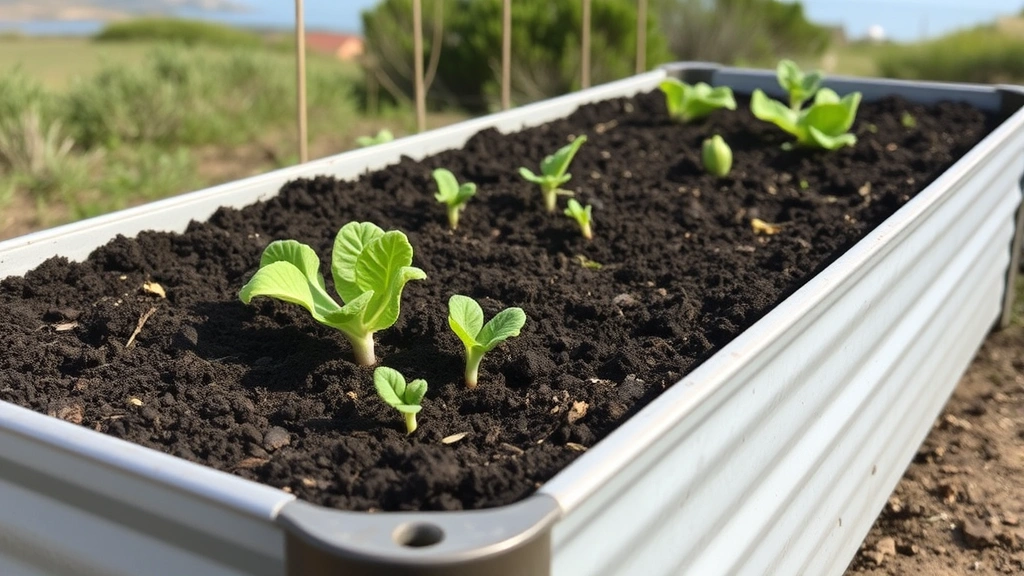
The most effective approach involves incorporating substantial amounts of organic matter into planting beds. Composted pine bark, aged compost, and well-rotted manure should be worked into the top 8-12 inches of soil at rates of 25-40% by volume. This amendment dramatically improves water-holding capacity, nutrient retention, and soil structure. Many Garden City gardeners maintain raised garden beds constructed from galvanized steel to better control soil composition and ensure optimal growing conditions for vegetables and herbs.
Soil testing through Clemson University Extension provides invaluable information about pH levels, nutrient content, and organic matter percentages. Garden City’s sandy soils typically test slightly acidic (pH 5.5-6.5), which suits most vegetables and ornamentals. However, specific plants may require pH adjustment through lime application or sulfur amendments.
Salt accumulation in soils near the coast requires periodic flushing through deep watering or heavy rainfall. Some experienced gardeners incorporate gypsum into their soil amendments to help displace sodium ions and improve soil structure simultaneously.
Spring Planting Secrets for Coastal Gardens
Spring represents the most critical planting season for Garden City gardeners. Beginning in late February, cool-season crops including lettuce, spinach, broccoli, and cabbage should be transplanted into the garden or direct-seeded. These crops thrive in the mild spring weather and typically produce abundantly before summer heat arrives in June.
The last frost date in Garden City typically falls around April 15, marking the transition to warm-season planting. However, local gardeners often wait until late April or early May to plant heat-loving crops like tomatoes, peppers, and squash, allowing soil temperatures to reach a consistent 65-70°F. This patience prevents seed rot and poor germination that can occur when planting too early in cool soil.
Tomato varieties specifically selected for coastal conditions perform best in Garden City gardens. Heirloom varieties like ‘Mortgage Lifter’ and ‘Cherokee Purple’ grow well, but disease-resistant hybrids such as ‘Mountain Fresh’ and ‘Celebrity’ provide superior performance against the fungal diseases that thrive in the region’s humid environment. Staking or caging tomatoes improves air circulation, further reducing disease pressure.
Spring is also the ideal time to establish new perennial beds with native and adapted plants. Local nurseries recommend spring planting for ornamentals and landscape plants, allowing them to develop strong root systems before summer stress arrives.
Summer Growing Strategies and Heat Management
The intense heat and humidity of Garden City summers (June-August) demand specific management strategies. Temperatures regularly exceed 90°F, and humidity levels often reach 80-90%, creating conditions that stress many plants and encourage fungal diseases.
Mulching becomes essential during summer months. A 2-3 inch layer of pine straw or shredded hardwood bark moderates soil temperature, retains moisture, and suppresses weeds. This practice proves particularly valuable in sandy soils that would otherwise dry out rapidly in summer heat.
Afternoon shade structures benefit heat-sensitive crops and ornamentals. Shade cloth rated at 30-50% light reduction protects lettuce, spinach, and other greens from bolting prematurely. Similarly, heat-stressed tomatoes and peppers benefit from partial afternoon shade during peak summer months.
Irrigation management becomes critical during summer. Rather than frequent shallow watering, deep irrigation 2-3 times weekly encourages deeper root development and more drought-tolerant plants. Using a quality garden hose reel system allows gardeners to efficiently water large areas and maintain consistent moisture levels.
Disease prevention intensifies during summer. Powdery mildew, leaf spots, and fungal blights thrive in warm, humid conditions. Improving air circulation through pruning, spacing plants adequately, and watering at soil level (not overhead) significantly reduces disease pressure. Many Garden City gardeners employ organic fungicides like sulfur or neem oil as preventive measures.
Fall and Winter Gardening Opportunities
Fall represents a secondary growing season of immense importance for Garden City gardeners. As temperatures cool in September and October, many of the spring cool-season crops can be replanted for fall and winter harvest. Broccoli, cabbage, kale, and collards thrive in fall conditions, often producing superior quality compared to spring harvests.
The fall transition period (September-October) offers ideal planting conditions for perennials and shrubs. Cooler temperatures and increased rainfall reduce transplant shock and allow plants to establish before winter. Many local gardeners prioritize fall planting for ornamentals, native plants, and landscape specimens.
Garlic planting occurs in October-November in Garden City. Local varieties have been selected for coastal conditions over generations, and planting cloves at the proper depth (2 inches) and spacing (6 inches apart) ensures healthy bulb development before spring harvest. Mulching garlic beds heavily protects cloves from occasional freezing temperatures.
Winter gardening in Garden City differs dramatically from northern regions. While occasional freezes occur, prolonged snow cover is rare. Cool-season crops like spinach, lettuce, and kale can be grown throughout winter using cold frames or row covers for frost protection. Some hardy varieties produce slowly through winter but provide fresh greens during months when northern gardeners have no garden production.
Best Vegetables for Garden City SC
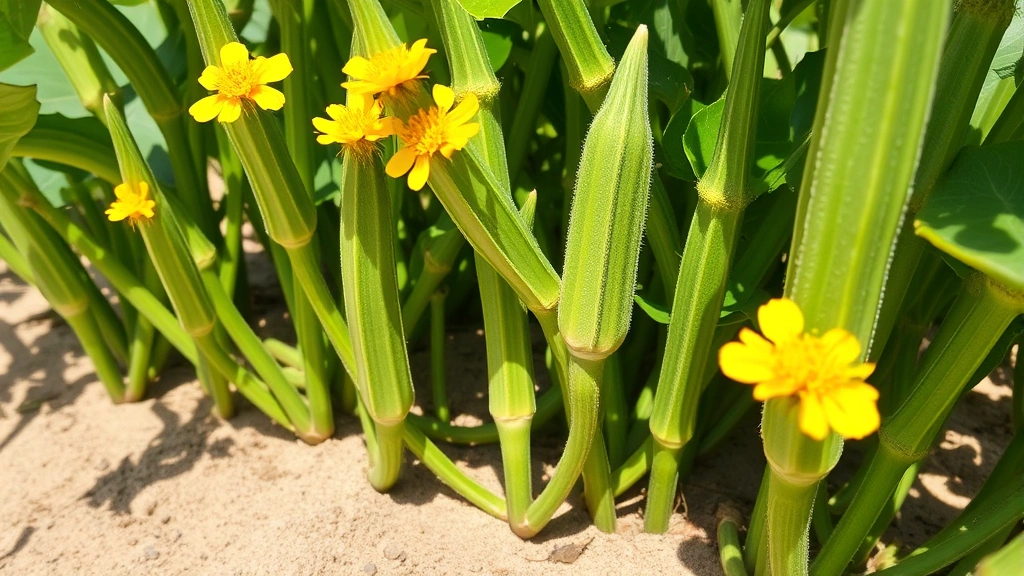
Certain vegetables have proven exceptional performers in Garden City’s unique climate. Okra thrives in summer heat and humidity, producing abundantly from June through September. This heat-loving crop actually performs better in coastal conditions than inland areas, making it a staple in local gardens.
Southern peas—including black-eyed peas, purple hulls, and cream peas—excel in Garden City summers. These nitrogen-fixing legumes not only produce delicious harvests but also improve soil health. Direct seeding in May allows these crops to mature before fall.
Sweet potatoes represent another coastal specialty. Planted from slips in May, these crops thrive in sandy soils and produce impressive yields by fall. Proper curing and storage extends the harvest well into winter months.
Cucumbers, squash, and beans perform well during the extended spring and fall seasons. However, powdery mildew and other fungal diseases can be problematic during humid periods. Selecting disease-resistant varieties and practicing good cultural techniques minimizes these issues.
Root vegetables including carrots, beets, and turnips grow exceptionally well in Garden City’s sandy soils, which allow easy harvesting without root damage. Fall plantings often produce superior quality roots compared to spring plantings.
Peppers—both sweet bell peppers and hot varieties—flourish in Garden City’s warm, long growing season. These heat-loving plants produce continuously from June through November, making them invaluable for fresh eating and preservation.
Coastal-Tolerant Ornamentals and Landscape Plants
Salt spray and wind from the Atlantic Ocean eliminate many ornamental options for Garden City gardens. However, specific plants have evolved or adapted to thrive in coastal conditions. Understanding these salt-tolerant species allows gardeners to create beautiful landscapes despite challenging environmental factors.
Shrubs like yaupon holly, wax myrtle, and southern magnolia withstand salt spray and coastal winds exceptionally well. These native species provide structure, screening, and visual interest while requiring minimal maintenance once established. Adding these plants to landscape designs creates resilient gardens adapted to local conditions.
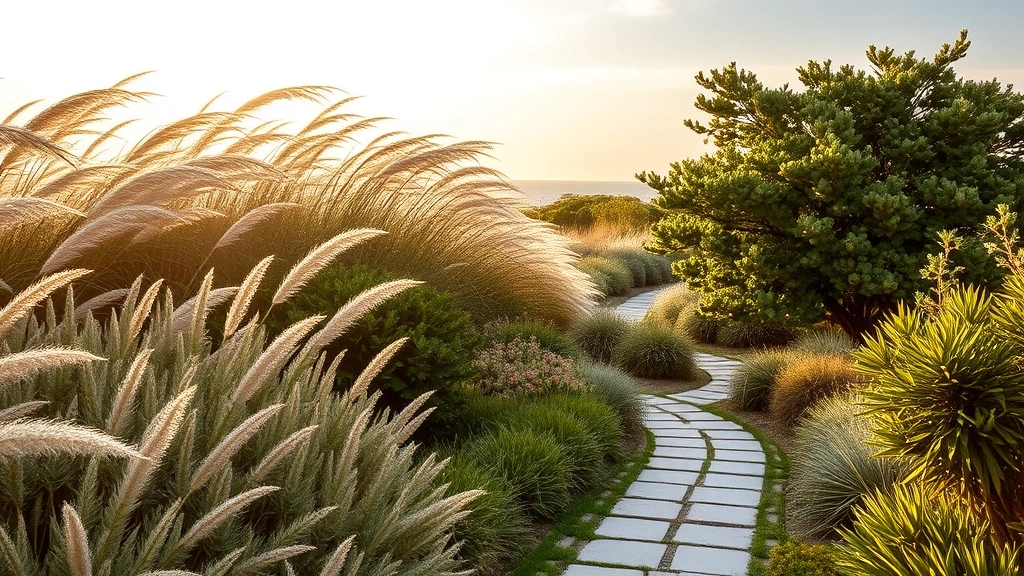
Ornamental grasses including sea oats and muhly grass not only tolerate salt spray but actually enhance coastal aesthetics. Their movement in ocean breezes and seasonal color changes add dynamic interest to gardens.
Perennials such as coreopsis, black-eyed Susan, and daylilies perform admirably in coastal gardens. Once established, these plants require minimal supplemental water and withstand salt spray exposure. Grouping salt-tolerant perennials creates low-maintenance landscape beds that provide season-long color.
Garden decorations and hardscape elements should also be selected with coastal conditions in mind. Salt spray accelerates metal corrosion and wood deterioration, so choosing materials like stainless steel, composite wood, or stone ensures longevity in the coastal environment.
Water Management in Sandy Soils
Sandy soils in Garden City drain rapidly, sometimes too rapidly for optimal plant growth. Without careful water management, sandy soils can become excessively dry even during periods of adequate rainfall. Local gardeners employ specific strategies to maximize water availability while preventing waterlogging.
Drip irrigation systems prove far more efficient than overhead watering in sandy soils. By delivering water directly to plant root zones at slow rates, drip systems allow soil to absorb and retain moisture rather than allowing rapid drainage. Many Garden City gardeners install permanent drip systems in vegetable beds and ornamental plantings.
Mulching dramatically improves water retention in sandy soils. A 3-inch layer of organic mulch reduces evaporation, moderates soil temperature, and gradually decomposes to improve soil structure. Reapplying mulch annually maintains these benefits and continues building soil organic matter.
Soil amendments incorporating peat moss, compost, or coconut coir improve water-holding capacity substantially. While these amendments don’t eliminate the drainage advantages of sandy soils, they create a more balanced growing medium that retains adequate moisture without becoming waterlogged.
Monitoring soil moisture through simple hand testing—squeezing soil to assess moisture content—helps gardeners determine irrigation timing. In sandy soils, watering when the top inch becomes dry typically provides optimal conditions for most plants.
Protecting Your Garden from Salt Spray and Wind
The Atlantic Ocean’s influence on Garden City gardens extends beyond aesthetic considerations. Salt spray carried by coastal winds damages plant foliage, inhibits growth, and can kill sensitive species. Protecting gardens from these harsh conditions requires strategic planning and specific techniques.
Windbreaks created from salt-tolerant plants provide the most effective long-term protection. Strategically placed shrubs and small trees reduce wind velocity and filter salt spray before it reaches sensitive plants. Native species like live oak, wax myrtle, and yaupon holly create effective windbreaks while contributing to landscape aesthetics.
Temporary windbreaks using shade cloth or burlap screens protect newly planted specimens during their establishment period. Once plants develop stronger root systems and established foliage, they typically tolerate coastal conditions more effectively.
Rinsing foliage with fresh water after salt spray events helps remove accumulated salt and prevents damage. This practice proves particularly valuable during winter months when salt-laden winds are most common and plant growth is minimal.
Selecting plants specifically adapted to coastal conditions eliminates ongoing protection requirements. Rather than struggling with sensitive plants requiring constant intervention, choosing naturally salt-tolerant species creates resilient gardens requiring minimal management.
Local Resources and Community Support
Garden City gardeners benefit from exceptional local resources and community support networks. Horry County Extension Service provides master gardener programs, soil testing services, and expert advice tailored to local conditions. Connecting with master gardeners offers invaluable knowledge accumulated through years of local gardening experience.
Local native plant societies and garden clubs organize plant swaps, educational workshops, and field trips to successful local gardens. These community connections provide opportunities to acquire locally-adapted plants and learn directly from experienced gardeners.
South Carolina Department of Natural Resources offers resources about native plants and coastal ecosystem management. Understanding native species appropriate for Garden City landscapes supports both gardening success and environmental stewardship.
Regional botanical gardens and public gardens throughout coastal South Carolina showcase plants and techniques specifically adapted to local conditions. Visiting these institutions provides inspiration and practical knowledge applicable to home gardens.
Organic gardening and sustainable agriculture organizations throughout South Carolina provide resources for chemical-free growing practices well-suited to coastal communities. Learning about integrated pest management, companion planting, and organic soil building creates healthy gardens and protects coastal ecosystems.
Using quality garden tools appropriate for sandy soils improves efficiency and reduces labor. Coastal sand can be abrasive on tools, so selecting stainless steel or powder-coated implements ensures longevity and performance.
For those interested in larger-scale production, USDA resources and local agricultural extension services provide guidance on commercial growing practices adapted to coastal South Carolina conditions.
FAQ
What is the best time to plant vegetables in Garden City SC?
Spring planting begins in late February for cool-season crops, with warm-season planting occurring after mid-April when soil temperatures reach 65-70°F. Fall planting starts in August for cool-season crops. Winter gardening is possible for hardy varieties with frost protection.
How do I improve sandy soil in Garden City?
Incorporate 25-40% organic matter including composted pine bark, aged compost, and rotted manure into the top 8-12 inches. Annual mulching and continued organic matter additions gradually build soil structure and fertility in sandy soils.
Which plants tolerate salt spray in coastal gardens?
Salt-tolerant plants include yaupon holly, wax myrtle, southern magnolia, coreopsis, black-eyed Susan, daylilies, and ornamental grasses. Native species generally perform better than introduced plants in coastal conditions.
How often should I water my Garden City garden?
Sandy soils typically require watering when the top inch becomes dry. During summer, deep watering 2-3 times weekly encourages strong root development. Drip irrigation and mulching reduce watering frequency and improve efficiency.
What is the hardiness zone for Garden City SC?
Garden City is located in USDA hardiness zone 8b, with average minimum winter temperatures between 15°F and 20°F. This allows cultivation of many perennials and shrubs while occasional freezes require protection for tender plants.
Can I grow food year-round in Garden City SC?
Yes, with proper planning. Cool-season crops grow spring and fall/winter, while warm-season crops flourish summer through early fall. Using cold frames or row covers extends the winter growing season significantly.
What vegetables produce best in Garden City’s summer heat?
Okra, southern peas, sweet potatoes, peppers, and cucumbers thrive in summer heat. Most other vegetables benefit from afternoon shade or are better suited to spring and fall growing seasons.
How do I prevent fungal diseases in humid coastal gardens?
Improve air circulation through adequate spacing and pruning, water at soil level only, mulch to prevent soil splash, apply organic fungicides preventively, and select disease-resistant plant varieties.


