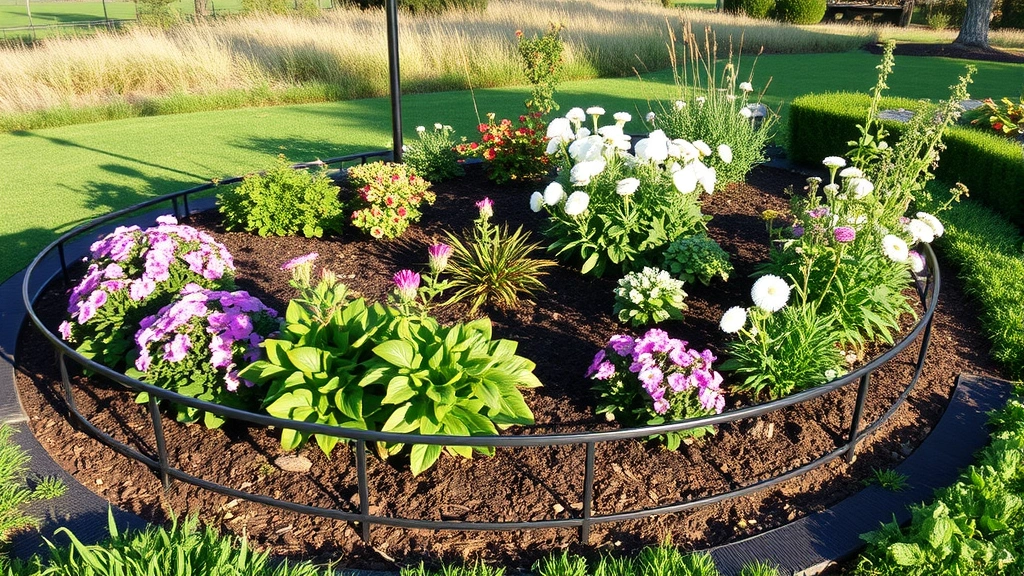
Garden border edging serves as both a practical and aesthetic feature that defines planting beds, pathways, and landscape zones while preventing soil erosion and containing plant growth. Whether you’re designing a cottage garden, modern landscape, or vegetable patch, the right garden border edging can dramatically enhance curb appeal and garden functionality. Expert gardeners recognize that edging choices impact not only visual appeal but also maintenance requirements, durability, and how well plants thrive along borders.
Selecting appropriate garden border edging depends on your garden style, budget, climate, and maintenance preferences. From natural materials like stone and wood to modern alternatives such as metal and composite options, each choice offers distinct advantages. This comprehensive guide explores expert-recommended edging solutions that will help you create polished, well-defined garden spaces while protecting your plantings and simplifying garden upkeep.
Natural Stone Edging Options
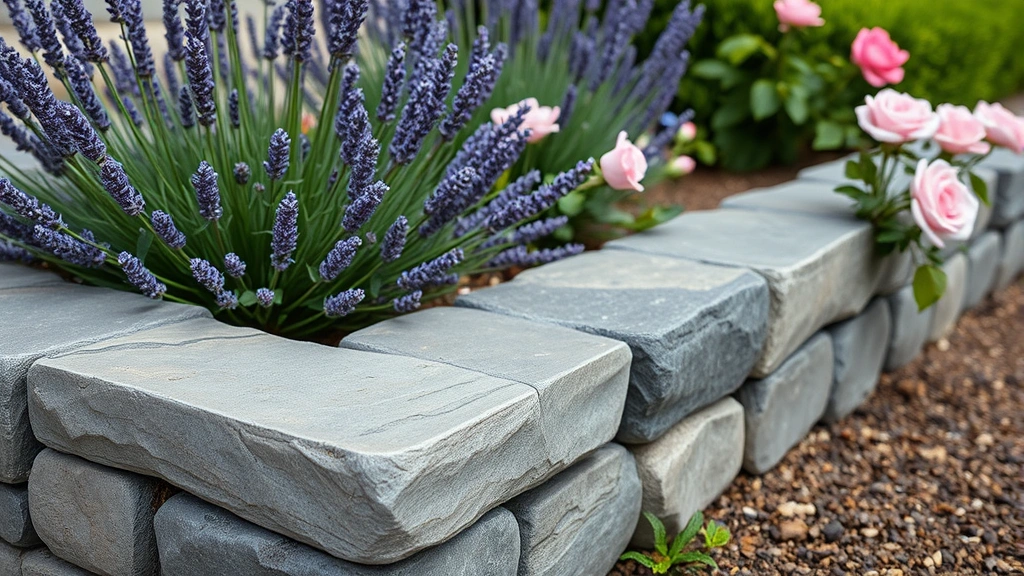
Natural stone represents one of the most durable and timeless garden border edging choices available to homeowners. Granite, limestone, slate, and fieldstone create elegant transitions between garden beds and surrounding landscapes while lasting decades with minimal maintenance. Stone edging complements virtually any garden aesthetic, from formal geometric designs to naturalistic woodland settings.
Slate edging offers a refined appearance with its thin, flat surfaces that stack neatly and create clean lines. This option works exceptionally well for contemporary gardens and modern landscape designs. Flagstone provides larger, more irregular surfaces that suit cottage gardens and rustic landscapes beautifully. For those interested in creating more specialized garden spaces, consider how rain garden plants benefit from stone borders that prevent erosion during heavy water runoff.
Granite blocks and pavers offer superior durability in high-traffic areas and withstand freeze-thaw cycles better than softer stones. Fieldstone, gathered from local sources, provides authentic regional character and environmental benefits through reduced shipping. Bluestone edging creates sophisticated gray-blue tones that coordinate beautifully with perennials and shrubs.
Installation of stone edging requires proper preparation and sometimes professional assistance, particularly for larger projects. Stones should rest on a stable base of compacted soil or sand to prevent settling. Many gardeners prefer mortaring stones for permanent installations, though dry-stacking allows easier adjustments. Stone edging typically costs more upfront but offers exceptional longevity, often lasting 20-30 years or longer without replacement.
Metal and Steel Border Solutions
Metal edging has gained tremendous popularity among contemporary gardeners seeking clean, modern aesthetics combined with practical functionality. Steel borders, particularly Corten steel with its distinctive rust-brown patina, create striking visual statements while providing durability and minimal maintenance requirements. Aluminum edging offers lightweight alternatives suitable for do-it-yourself installations and seasonal adjustments.
Galvanized steel maintains a bright, reflective finish that coordinates with modern architecture and minimalist garden designs. This material resists rust and weathering, making it ideal for wet climates and coastal regions. Powder-coated metal edges come in various colors, allowing coordination with existing landscape elements and personal design preferences.
Corrugated metal edging, often recycled from industrial sources, creates rustic-industrial aesthetics increasingly popular in contemporary landscape design. This option works particularly well when paired with modern plantings and hardscaping. Metal borders typically stand 4-12 inches tall, providing excellent soil containment while remaining visually subtle.
Installation of metal edging is straightforward for most gardeners, requiring only basic tools and minimal physical labor. Most metal edges include pre-drilled holes for securing stakes into the ground. Unlike stone, metal edging can be easily repositioned, making it excellent for experimental gardeners who frequently redesign beds. Metal options cost significantly less than natural stone while offering comparable durability when properly maintained.
Wood Edging for Garden Beds
Wood edging provides warmth, natural beauty, and rustic charm to garden designs while remaining one of the most accessible and affordable options for most gardeners. Pressure-treated lumber, composite wood materials, and naturally rot-resistant hardwoods each offer distinct advantages and considerations. When you’re planning comprehensive garden improvements, grow a garden values often emphasize sustainable material choices that minimize environmental impact.
Pressure-treated wood remains the most economical choice for garden border edging, offering reasonable durability when properly installed and maintained. Modern pressure-treated lumber uses safer chemical treatments than older formulations, though concerns persist among some gardeners. This material typically lasts 10-15 years before requiring replacement, depending on soil moisture and climate conditions.
Naturally rot-resistant woods such as cedar, redwood, and black locust provide superior longevity without chemical treatments. Cedar edging offers pleasant aromatic qualities and attractive coloring that weathers to silver-gray over time. These premium options cost significantly more than pressure-treated alternatives but may prove more economical long-term when considering replacement frequency.
Composite wood-plastic materials combine wood fibers with plastic polymers, creating edging that resists rot, insects, and weathering while maintaining wood-like appearance. Composite options prove particularly valuable in consistently wet environments or for gardeners seeking low-maintenance solutions. Installation requires similar techniques to traditional wood but offers superior longevity, often lasting 25+ years.
Timber log edging, created from rustic branches and small logs, suits woodland gardens and naturalistic landscapes beautifully. This charming option requires more frequent replacement but provides authentic cottage garden aesthetics. Railway sleepers, reclaimed wooden railroad ties, create substantial borders suitable for raised beds and terraced landscapes, though environmental and health concerns regarding creosote treatment warrant consideration.
Composite and Recycled Materials
Environmentally conscious gardeners increasingly choose composite and recycled material edging options that reduce waste while delivering excellent performance. Recycled plastic lumber, rubber edging, and composite materials represent growing segments of the garden edging market, offering sustainable alternatives to traditional materials.
Recycled plastic edging combines post-consumer plastic waste with wood fibers to create durable, rot-resistant borders requiring minimal maintenance. These materials resist fading, splitting, and insect damage while remaining lightweight and easy to install. Color options remain somewhat limited compared to other materials, though availability continues expanding. Performance in extreme temperatures varies, with some plastic composites becoming brittle in harsh cold or soft in intense heat.
Recycled rubber edging, often created from reclaimed tire rubber, provides affordable, durable borders with distinctive appearance. Rubber remains extremely flexible, making it suitable for curved bed designs and creative landscaping. This material resists weathering and requires virtually no maintenance beyond occasional cleaning. Some gardeners object to rubber’s industrial appearance, though color options continue expanding.
Cork edging offers eco-friendly appeal and attractive natural coloring, though durability remains limited compared to other options. This material works best in protected garden areas and mild climates. Cork provides excellent insulation properties, potentially benefiting temperature-sensitive plantings along borders.
Recycled glass edging creates stunning visual effects, particularly when backlit or positioned to catch sunlight. This sustainable option proves ideal for decorative applications and accent borders rather than primary bed definition. Durability depends on glass quality and installation technique, with some products lasting many years while others require periodic replacement.
Living Plant Borders
Living edging, created using carefully selected shrubs and perennials, provides dynamic, ever-changing garden borders that offer ecological benefits while defining spaces beautifully. Low hedging plants serve dual purposes as both borders and design elements, creating sophisticated garden rooms and natural transitions between planting areas.
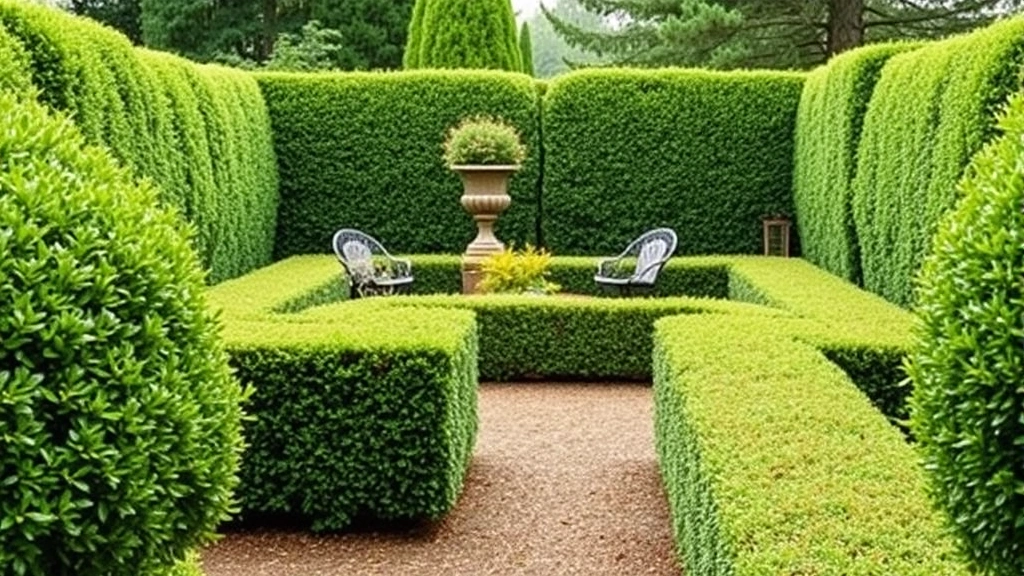
Boxwood hedges represent classic living edging, offering evergreen structure and dense growth that responds well to shaping. Dwarf boxwood varieties maintain compact forms suitable for smaller gardens while larger cultivars create more substantial borders. Regular pruning maintains neat appearances, though boxwood requires consistent attention and remains vulnerable to certain pests and diseases.
Lavender hedging combines functional border definition with aromatic and visual appeal. These drought-tolerant shrubs thrive in sunny locations and attract pollinators while creating fragrant garden experiences. Lavender borders require annual pruning to maintain compact forms and prevent woody, open growth patterns. This living edging proves particularly valuable for gourmet garden designs where edible and ornamental elements merge seamlessly.
Dwarf Japanese holly, privet, and barberry create flexible living borders suitable for various climate zones and growing conditions. These plants respond well to pruning and maintain defined shapes with reasonable maintenance. Living borders take several seasons to mature, requiring patience but rewarding gardeners with increasingly impressive results over time.
Perennial borders using low-growing plants like catmint, germander, and sedums create softer, more naturalistic edging while supporting pollinator populations. These living borders require less rigorous maintenance than woody hedges while offering seasonal color changes and textural interest. Plant selection depends on climate, sun exposure, and soil conditions, making consultation with local horticultural resources valuable.
Installation Best Practices
Proper installation of garden border edging ensures longevity, functionality, and visual appeal while preventing common problems like settling, shifting, or inadequate soil containment. Expert installation techniques vary depending on material choice but follow consistent principles regarding site preparation, leveling, and securing.
Begin by clearly marking border locations using string lines or chalk, ensuring straight edges or smooth curves as desired. Remove existing turf and debris from the designated edging area, creating a clean workspace. For all edging types, establish a level base by compacting soil and removing rocks or roots that might cause uneven settling.
Stone edging installation requires a stable foundation, typically 1-2 inches of sand or pea gravel that allows proper drainage while providing stable support. Lay stones carefully, checking frequently for level and adjusting base material as needed. Mortaring provides permanent installation, while dry-stacking allows repositioning if needed.
Metal edging installation is straightforward, requiring only stakes driven through pre-drilled holes into compacted ground. Ensure stakes penetrate deeply enough for stability while remaining flush with edging material. Stagger stake placement every 18-24 inches for optimal support.
Wood edging requires proper stake placement and secure fastening using stainless steel hardware resistant to rust and corrosion. Install stakes on the outer edge of boards to maximize internal space for plantings. For curved designs, soak boards or choose flexible composite materials. Ensure wood sits level and secure, with stakes driven at least 12 inches into compacted ground.
Living plant borders require proper spacing based on mature plant sizes, typically 12-18 inches apart for most hedge species. Prepare soil thoroughly with compost or organic matter before planting. Young hedges benefit from support and staking until established, typically requiring 1-2 growing seasons.
Seasonal Maintenance Guide
Maintaining garden border edging throughout the year preserves functionality and appearance while extending material lifespan. Seasonal maintenance approaches vary based on material type, climate, and specific garden conditions, though consistent attention prevents most common problems.
Spring maintenance involves inspecting edging for winter damage, checking levels after frost heave, and making necessary repairs or adjustments. Remove accumulated debris, leaves, and sediment from along borders. For living borders, begin spring pruning of hedges and perennials, encouraging vigorous new growth. Top-dress wood edging areas with fresh mulch, which protects borders while improving soil conditions for nearby plantings.
Summer care focuses on monitoring edging stability as soil expands and contracts with moisture changes. Check metal edging for rust or corrosion, addressing issues immediately to prevent deterioration. Living borders require regular watering, particularly during establishment years. When considering enhancements like how to prune hydrangea bushes, remember that well-maintained edging supports specimen plantings beautifully.
Fall preparation involves clearing fallen leaves and debris that accumulate along borders. Inspect stone and metal edging for shifting or damage from summer weather. Cut back perennial borders and prepare living hedges for dormancy. This seasonal maintenance prevents spring problems and ensures edging functions optimally through winter.
Winter considerations include monitoring edging in freeze-thaw cycles that cause heaving and shifting. In snow-heavy climates, avoid placing heavy snow loads directly against wooden edging, which may cause bowing or damage. Living borders enter dormancy but require no active maintenance beyond occasional inspection.
Regular maintenance tasks include keeping edging clean and free of algae or moss accumulation. Pressure washing stone and metal edging annually restores appearance and removes potentially damaging organic growth. For wood edging, sanding rough spots and resealing annually extends lifespan significantly. These simple practices prevent expensive repairs and maintain garden aesthetics.
FAQ
What’s the best garden border edging for budget-conscious gardeners?
Pressure-treated wood and basic metal edging offer excellent value for cost-conscious gardeners. Both materials provide functional borders at reasonable prices, with wood being most economical initially and metal offering better long-term durability. Recycled materials also provide budget-friendly options while supporting environmental values.
How deep should garden border edging be installed?
Most garden border edging should penetrate 4-6 inches below ground level to prevent soil from spilling over and to provide stability against frost heave. Stone borders typically rest on 1-2 inches of base material, while metal edging requires stakes driven 12+ inches deep. Deeper installation ensures longevity and reliable performance.
Can I install garden border edging myself?
Most gardeners can successfully install metal and wood edging with basic tools and reasonable physical effort. Stone edging installation varies in difficulty depending on size and material, with some projects manageable for DIYers while larger installations benefit from professional assistance. Living borders require horticultural knowledge for successful establishment but remain accessible to most gardeners.
Which edging material lasts longest?
Natural stone and quality metal edging typically last 25-30+ years with proper installation and maintenance. Composite materials and premium naturally rot-resistant woods offer comparable longevity. Pressure-treated wood typically requires replacement every 10-15 years, while living borders require ongoing management but persist indefinitely.
How do I prevent weeds along garden borders?
Proper edging installation with deep soil penetration prevents most weed problems by creating physical barriers. Applying landscape fabric beneath mulch along borders further suppresses weeds. For living borders, regular maintenance including pruning and weeding prevents invasive species. Consistent mulching application maintains weed suppression throughout growing seasons.
What edging works best for curved garden beds?
Metal and composite edging flex easily to accommodate curves and flowing designs. Wood edging can be curved when soaked or when using flexible composite materials. Stone edging works for curves but requires careful cutting and fitting. Living borders naturally follow curved lines and create elegant flowing designs when properly shaped during establishment.
Should I use edging for vegetable gardens?
Edging provides excellent value for vegetable gardens, containing soil and preventing grass encroachment while creating organized, professional-appearing spaces. Metal and composite edging offer practical solutions for raised beds. For in-ground vegetable gardens, simple wood or metal borders suffice. When planning gourmet garden installations, edging creates defined growing areas that simplify maintenance and harvesting.