Garden Bed Cover: Expert’s Best Options Explained
Protecting your garden beds is one of the most effective strategies for maintaining soil health, preventing weed growth, and extending your growing season. A quality garden bed cover serves multiple purposes—from insulating roots during winter to suppressing unwanted vegetation during spring and summer. Whether you’re a seasoned gardener or just starting out, understanding your cover options will transform how you approach bed maintenance and plant care.
Garden bed covers, also known as mulches and protective barriers, range from organic materials that decompose and enrich your soil to synthetic options that provide long-lasting protection. The right choice depends on your climate, garden goals, plant types, and budget. In this comprehensive guide, we’ll explore the best garden bed cover options available today, helping you make an informed decision for your specific gardening needs.
Understanding Garden Bed Covers
A garden bed cover is any material placed on top of soil to protect plants and modify growing conditions. These covers regulate soil temperature, retain moisture, suppress weeds, and gradually improve soil composition. The ideal cover should be easy to apply, maintain, and eventually break down or be removed without harming your plants.
When selecting a cover, consider your garden’s specific needs. Do you need year-round protection? Are you growing vegetables, perennials, or shrubs? What’s your local climate like? These questions will guide you toward the best solution. Many experienced gardeners use multiple types of covers throughout the year, rotating seasonal options to maximize benefits.
The primary benefits of using any garden bed cover include moisture conservation (reducing watering needs by up to 50%), temperature regulation (keeping soil cooler in summer and warmer in winter), weed suppression (blocking sunlight from reaching weed seeds), and gradual soil enrichment as organic materials decompose. Understanding these benefits helps explain why professional gardeners rarely leave beds uncovered.
Organic Mulch Options
Organic mulches are materials derived from plants that naturally decompose over time. These options improve soil structure and nutrient content while providing temporary coverage. They’re ideal for vegetable gardens, flower beds, and areas where you want to enhance soil quality.
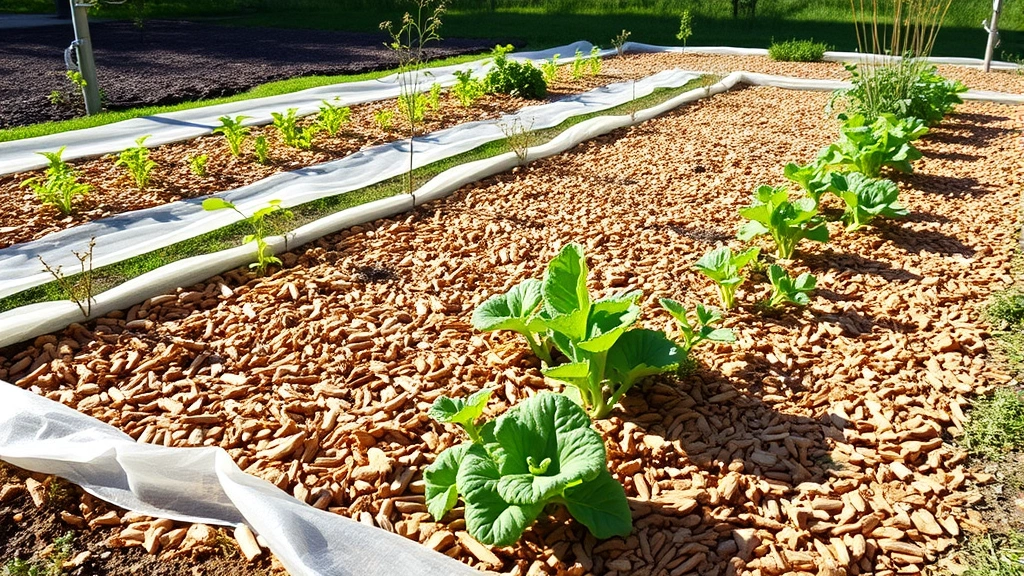
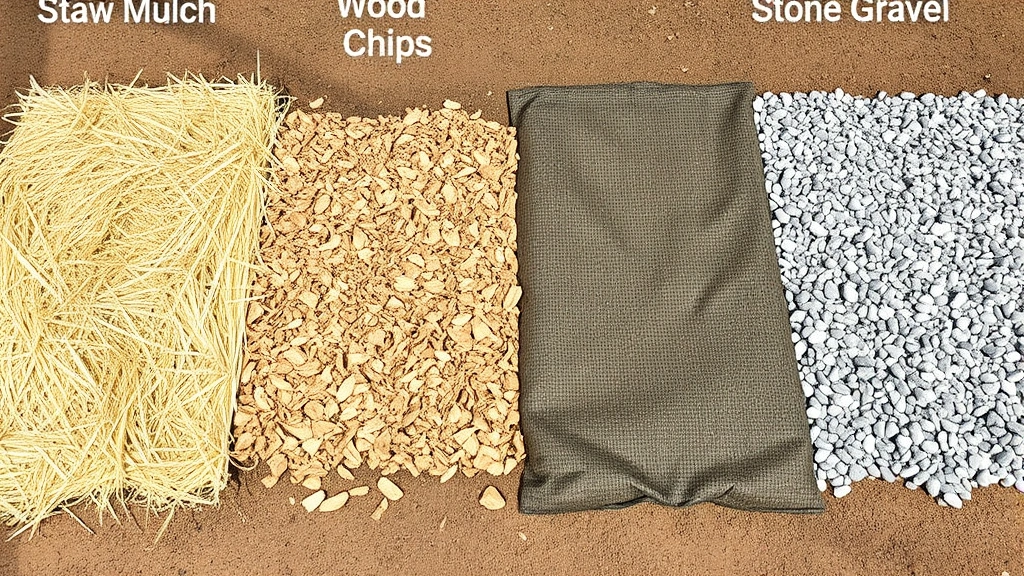
Wood Chips and Bark Mulch remain the most popular organic choice among home gardeners. Hardwood mulch breaks down slowly, providing long-lasting coverage (2-3 years), while softwood chips decompose faster but offer excellent moisture retention. Cedar and redwood chips naturally repel insects, making them ideal for ornamental beds. When applying wood mulch, maintain a 2-4 inch depth around plants, keeping material several inches away from tree trunks to prevent rot.
Straw and Hay provide excellent insulation for vegetable gardens and overwintering beds. Straw (seed-free) offers superior weed control compared to hay, which often contains viable weed seeds. Apply 4-6 inches thick in vegetable beds during growing season. These materials decompose within one season, requiring annual replacement but offering outstanding soil improvement benefits.
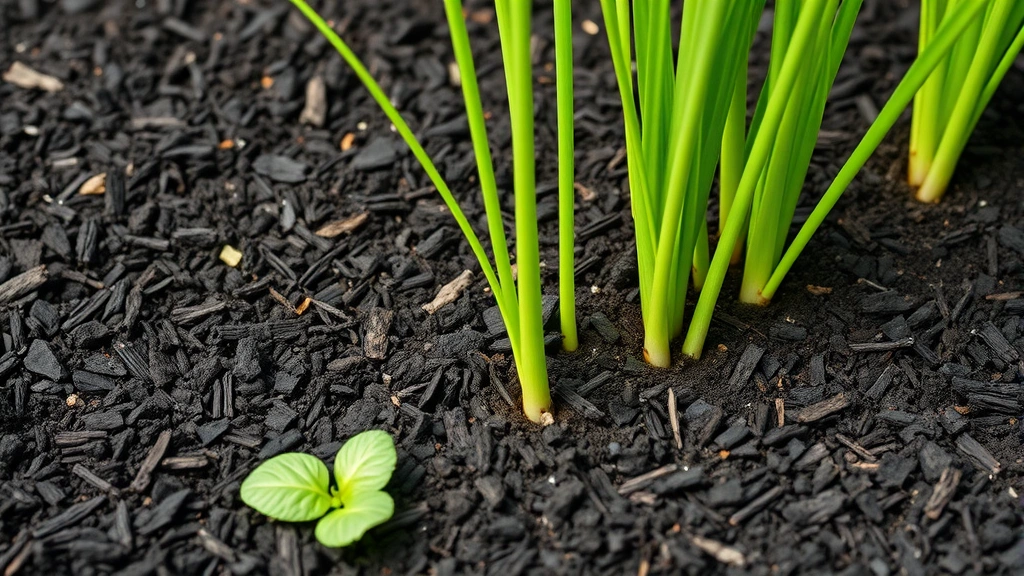
Shredded Leaves are a free, nutrient-rich option available in autumn. Collect fallen leaves, shred them with a lawn mower, and apply 3-4 inches thick to beds. This material breaks down quickly, enriching soil with organic matter and beneficial microorganisms. Many gardeners combine shredded leaves with other mulches for balanced protection.
Compost and Aged Manure serve dual purposes as both cover and soil amendment. Apply 2-3 inches of finished compost over beds to suppress weeds while simultaneously feeding plants. This option works exceptionally well for vegetable gardens where soil enrichment is a priority. Ensure manure is fully aged (at least 6 months) to avoid burning plant roots.
Pine Needles and Coconut Coir offer specialized benefits for acid-loving plants like blueberries and azaleas. Pine needles create acidic conditions while providing excellent drainage. Coconut coir, a sustainable alternative to peat moss, retains moisture exceptionally well and works beautifully in containers and raised beds. Apply 3-4 inches thick for optimal coverage.
When choosing organic mulches, source materials carefully. Avoid mulch from diseased trees, and ensure wood chips come from untreated lumber. Some municipalities offer free or low-cost mulch from tree trimming programs—an excellent sustainable option for budget-conscious gardeners.
Inorganic and Synthetic Covers
Inorganic covers provide semi-permanent protection without decomposing. These options excel in low-maintenance landscapes and areas where long-term coverage is desired. While they don’t improve soil chemistry, they offer unmatched durability and weed suppression.
Landscape Fabric and Weed Barriers create physical barriers preventing weed emergence while allowing water and air penetration. High-quality landscape fabric (6-8 ounce weight) blocks 95%+ of weed growth. Install fabric beneath other mulches for enhanced weed control, or use alone in ornamental beds. Secure edges with landscape staples or pins to prevent shifting.
Rubber Mulch made from recycled tires offers excellent durability (10+ years) and safety benefits in play areas. However, environmental concerns about microplastics and potential tire chemical leaching make this option controversial for vegetable gardens. Use rubber mulch primarily in ornamental beds and children’s play spaces.
Stone and Gravel Covers provide permanent, attractive protection ideal for desert gardens and ornamental landscapes. River rock, pea gravel, and decorative stone improve drainage while suppressing weeds. Apply 2-3 inches over landscape fabric. Stone covers work beautifully in garden accessories and hardscape designs. However, they don’t improve soil and can become compacted over time.
Plastic Sheeting provides temporary, budget-friendly coverage. Clear plastic warms soil in spring (useful for early season crops), while black plastic suppresses weeds and retains moisture. Lay plastic sheets over beds, secure edges, and cut holes for planting. Remove plastic once weather warms to prevent overheating. This option works exceptionally well for extending growing seasons in cooler climates.
Recycled Plastic Lumber Edging combined with synthetic fabric offers low-maintenance bed definition. These materials resist rot and insects while lasting 20+ years. Perfect for creating clean, defined beds that require minimal seasonal maintenance.
Landscape Fabric and Weed Barriers
Understanding landscape fabric specifications helps you select appropriate products for different applications. Fabric weight, measured in ounces per square yard, directly correlates to durability and weed-blocking effectiveness. Lighter fabrics (3-5 ounces) work for temporary coverage, while heavier options (8+ ounces) suit permanent installations.
Proper installation is crucial for landscape fabric effectiveness. Prepare beds by removing existing weeds and debris, then lay fabric smoothly over soil. Overlap seams by 12 inches to prevent weed breakthrough. Secure fabric with landscape staples every 2-3 feet, ensuring edges are firmly anchored. Cover fabric with mulch to protect it from UV degradation and create finished appearance.
Landscape fabric works exceptionally well under pallet raised garden beds, preventing weed emergence from below while allowing proper drainage. In perennial beds, cut appropriate-sized holes for established plants, then fill spaces with mulch. Avoid using fabric in vegetable gardens where you’ll be amending soil frequently, as fabric makes soil management difficult.
Consider permeable landscape fabric over impermeable options. Permeable fabrics allow water infiltration while blocking weed seeds, whereas impermeable plastic can create drainage problems and anaerobic soil conditions. For long-term installations, invest in quality fabric that won’t degrade prematurely.
Seasonal Considerations
Different seasons call for different garden bed cover strategies. Understanding seasonal needs helps you maximize benefits throughout the year.
Spring Preparation involves clearing winter mulch from early-emerging perennials and applying fresh organic mulch once soil warms. In cool climates, use black plastic or landscape fabric to warm soil for heat-loving crops like tomatoes and peppers. Remove covers once nighttime temperatures consistently exceed 50°F.
Summer Protection focuses on moisture retention and temperature regulation. Maintain 3-4 inches of organic mulch throughout vegetable and flower beds. In extremely hot climates, consider light-colored mulches (straw, light wood chips) that reflect heat rather than absorb it. This prevents soil temperatures from exceeding optimal growing ranges.
Fall and Winter Coverage protects soil structure and prepares beds for spring. Apply thick layers of leaves, compost, or aged manure to overwintering beds. These materials insulate roots, suppress winter weeds, and decompose gradually, enriching soil. For perennial beds, leave 2-3 inches of mulch over dormant plants for frost protection.
In mild winter climates, maintain consistent mulch coverage year-round. In harsh climates, consider adding extra protection (pine needles, leaves) before the coldest months. This prevents frost heaving—where frozen soil expands, pushing shallow-rooted plants from the ground.
Installation and Maintenance Tips
Proper garden bed cover installation ensures maximum effectiveness and longevity. Begin by preparing beds thoroughly. Remove weeds, rocks, and debris. Level soil and water lightly if extremely dry. Compact soil gently to create stable surface.
Application Depth Guidelines vary by material. Organic mulches typically require 2-4 inches for optimal weed suppression without smothering plants. Apply thicker layers (4-6 inches) in vegetable beds where weed pressure is high. For inorganic covers, follow manufacturer recommendations, typically 2-3 inches for stone and 3-4 inches for rubber mulch.
Placement Considerations are critical for plant health. Keep mulch 3-6 inches away from tree trunks and woody shrub bases. Mulch piled against trunks creates conditions favoring rot, insect damage, and disease. For herbaceous plants and vegetables, mulch can touch stems, though 1-2 inches clearance prevents rot during wet weather.
Maintenance Routines keep covers effective throughout seasons. Annually replenish organic mulch as it decomposes, typically adding 1-2 inches in spring. Rake and fluff existing mulch to improve appearance and water penetration. Remove debris (fallen branches, leaves) from mulch surface. For landscape fabric, inspect annually for tears or degradation, patching or replacing as needed.
Consider using mulch in garden pots and hanging baskets to maintain consistent moisture levels and regulate root temperatures. This extends watering intervals significantly, especially during hot weather.
Weed Management remains necessary even with excellent covers. Remove persistent perennial weeds before applying mulch. For weeds emerging through covers, pull them when soil is moist, ensuring complete root removal. Hand-pulling is safer than herbicides for established plant beds.
Cost Comparison Guide
Budget considerations significantly influence garden bed cover selection. Understanding cost-per-coverage helps optimize spending while achieving desired protection.
Organic Mulch Costs typically range from $30-80 per cubic yard, with premium options (cedar, specialty mulches) reaching $100+. A 3-inch layer requires approximately 1 cubic yard per 100 square feet. For a 400-square-foot garden, budget $120-320 annually for basic organic mulch, or $40-100 if sourcing free materials like fallen leaves or municipal mulch programs.
Landscape Fabric Pricing ranges from $0.10-0.50 per square foot depending on quality. A 400-square-foot bed requires 40-50 dollars in fabric, offering 5-10 years of protection when properly maintained. Calculate long-term cost per year for budget comparison.
Stone and Gravel Covers cost $40-100+ per cubic yard, with 2-3 inches needed per 100 square feet. Initial investment is higher ($160-400 for 400 square feet), but longevity (20+ years) makes per-year costs competitive with annual organic mulch replacement.
Specialty Materials like coconut coir ($50-80/bale) and rubber mulch ($60-100/cubic yard) offer premium benefits justifying higher initial costs for specific applications. Calculate total installed cost rather than per-unit price when comparing options.
Many gardeners reduce costs by combining materials strategically. Use inexpensive landscape fabric under more costly organic mulch, or layer free leaves beneath purchased premium mulch. This balanced approach optimizes both budget and performance.
Professional landscape installation services handle cover application, typically charging $1-3 per square foot for labor. DIY installation saves significantly while providing satisfying hands-on garden work.
FAQ
What’s the best garden bed cover for vegetable gardens?
For vegetable gardens, organic mulches like straw, shredded leaves, or compost are ideal. These materials suppress weeds, retain moisture, and improve soil as they decompose. Apply 3-4 inches thick, keeping material away from plant stems. Combine organic mulch with landscape fabric underneath for enhanced weed control.
How often should I replace garden bed covers?
Organic mulches require annual replenishment, typically adding 1-2 inches each spring as existing material decomposes. Inorganic covers like landscape fabric last 5-10 years, while stone covers can last 20+ years. Inspect covers seasonally and replace when coverage becomes thin or fabric shows significant degradation.
Can I use garden bed covers in winter?
Absolutely. Winter mulch protects soil structure, insulates plant roots, and suppresses winter weeds. Apply thicker layers (4-6 inches) of leaves or compost in fall, allowing material to decompose gradually through winter and spring. This enriches soil while providing protection.
Do landscape fabric and mulch work together?
Yes, they’re an excellent combination. Install landscape fabric first to block weeds, then cover with organic or inorganic mulch for finished appearance and additional benefits. This layered approach maximizes weed suppression while allowing water and air penetration.
What garden bed cover prevents weeds most effectively?
Landscape fabric (8+ ounces) combined with 3-4 inches of mulch provides superior weed suppression, blocking 95%+ of weed emergence. For organic-only approaches, 4-6 inches of dense material like compost or straw offers excellent results. Consistent coverage with no bare spots is key.
Are there eco-friendly garden bed cover options?
Yes, multiple sustainable options exist. Shredded leaves, grass clippings, and compost are free or low-cost. Coconut coir replaces peat moss sustainably. Recycled plastic mulch uses waste materials productively. Avoid rubber mulch from tires due to microplastic concerns. Source materials from certified sustainable suppliers when possible.
How deep should garden bed covers be?
Organic mulches require 2-4 inches for vegetable beds and 2-3 inches for flower beds. Thicker applications (4-6 inches) provide superior weed control but may trap excess moisture. Keep covers 3-6 inches from tree trunks. Inorganic covers typically require 2-3 inches following manufacturer guidelines.
Can I use garden bed covers in herb gardens?
Yes, covers work excellently in herb garden planters and beds. Use light organic mulches like straw or compost around herbs. Avoid heavy mulches that might promote fungal diseases in Mediterranean herbs (rosemary, lavender). Keep mulch 2 inches from herb stems for disease prevention.