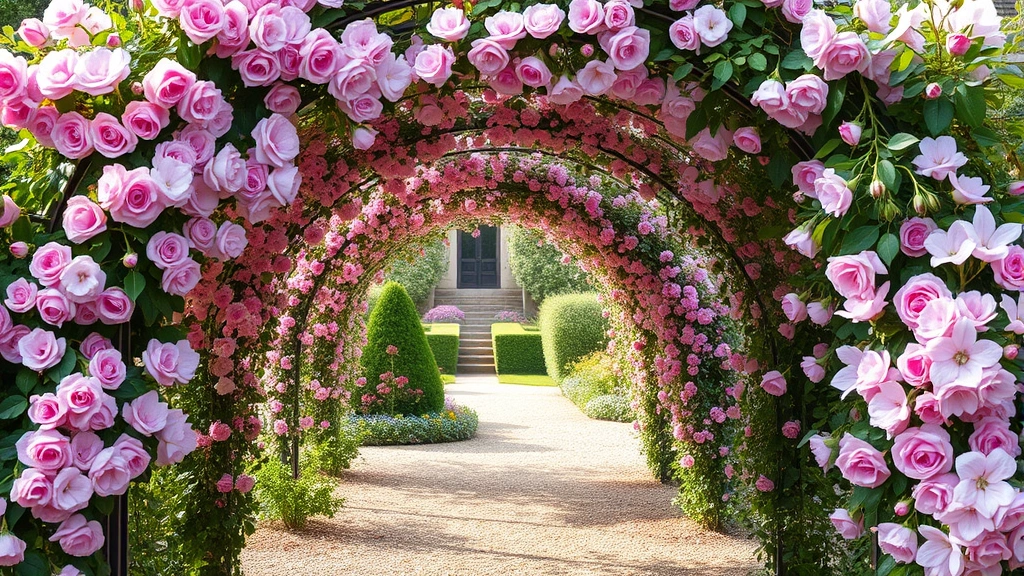
Garden Arches: Landscape Designer Insights
Garden arches represent one of the most transformative elements in landscape design, serving as both functional structures and artistic focal points that elevate any outdoor space. Whether you’re designing a cottage garden, creating defined pathways, or establishing a romantic entryway, garden arches provide vertical dimension and visual interest that ground-level plantings simply cannot achieve. These architectural features have been cherished in gardens for centuries, from Victorian estates to contemporary minimalist landscapes, proving their timeless appeal and versatility.
Professional landscape designers consistently incorporate arches into their projects because they solve multiple design challenges simultaneously. They frame views, define garden rooms, support climbing plants, and create natural transitions between different areas of your landscape. Beyond aesthetics, arches provide practical benefits including improved air circulation around climbing vines, strategic shade placement, and the ability to maximize planting opportunities in limited spaces. Understanding how to select, position, and plant arches will transform your garden into a more sophisticated and cohesive outdoor environment.
Choosing the Right Arch Style for Your Garden
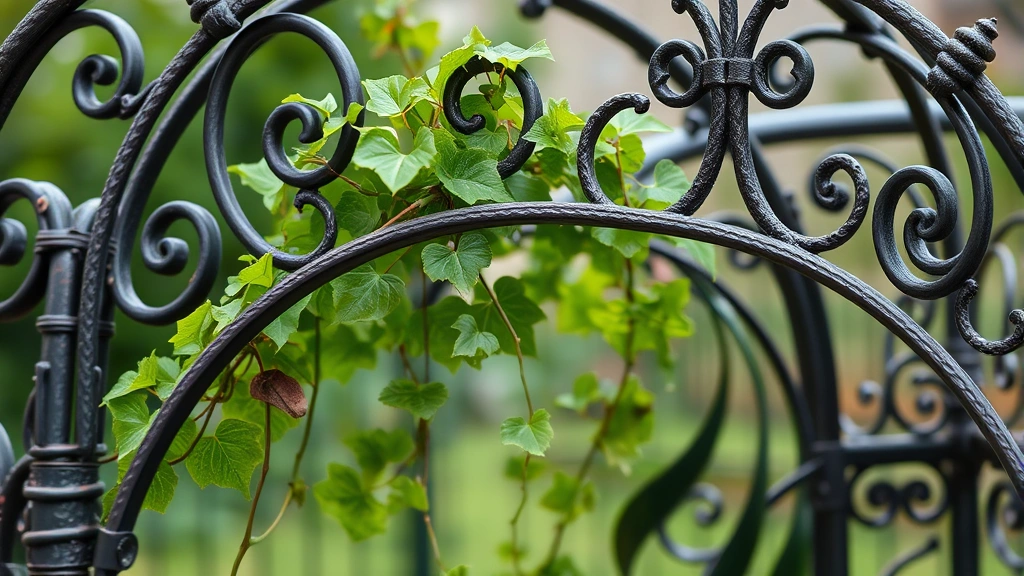
The architectural style of your arch should harmonize with your home’s design language and overall landscape aesthetic. Gothic arches feature pointed tops and work beautifully in formal gardens and cottage-style landscapes, while Roman arches showcase rounded tops that complement Mediterranean and classical garden designs. Modern minimalist gardens benefit from sleek, geometric arch designs with clean lines, whereas rustic gardens embrace weathered wood or wrought iron arches with ornate details.
When evaluating arch styles, consider the scale of your garden space. Oversized arches in small gardens can feel overwhelming and reduce the sense of spaciousness, while undersized arches in expansive landscapes appear insignificant and fail to create the desired impact. A well-proportioned arch typically spans 7 to 10 feet in width and reaches 8 to 10 feet in height, creating a generous opening that accommodates climbing plants while maintaining visual balance.
Landscape designers often recommend selecting arch styles that echo architectural elements from your home. If your house features arched windows or doorways, repeating this motif in your garden creates visual continuity and a cohesive property aesthetic. Similarly, if your landscape includes raised concrete block garden beds or other hardscape features, choose arch materials and finishes that complement these existing elements rather than clash with them.
Materials and Durability Considerations
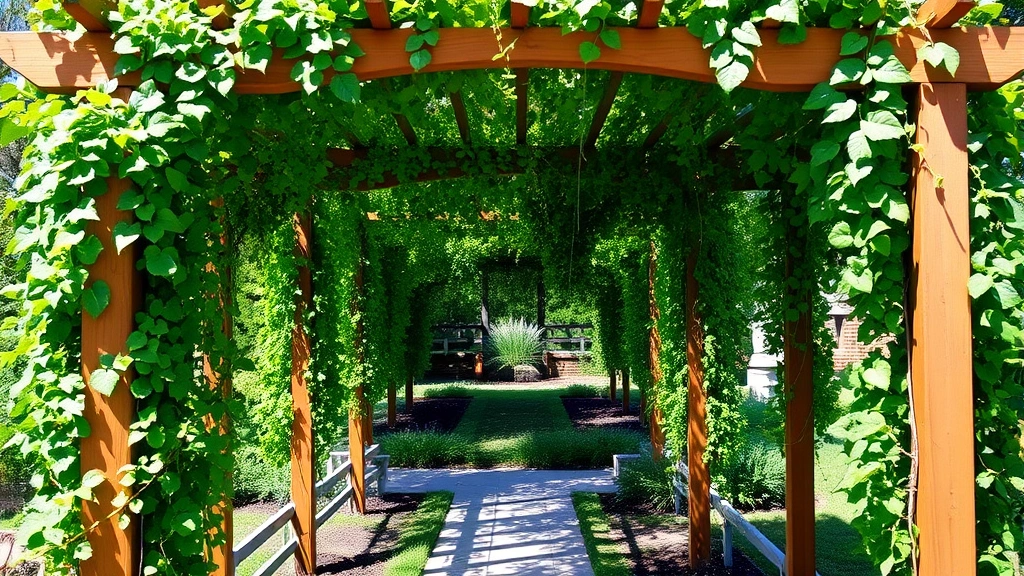
Garden arch materials significantly impact both longevity and aesthetic appeal. Wood arches offer warmth and natural beauty but require regular maintenance including staining, sealing, or painting to prevent rot and weather damage. Cedar and redwood naturally resist decay better than pressure-treated lumber, though they come at higher cost. A quality wooden arch typically lasts 10 to 15 years with proper care, while untreated wood may deteriorate within 5 to 7 years.
Metal arches, particularly those crafted from wrought iron or steel, provide exceptional durability and longevity. Wrought iron arches can last 30 years or longer when properly maintained with occasional rust treatment and paint touch-ups. Steel arches are lighter and easier to install than wrought iron but require protective coatings to prevent rust. Aluminum arches offer rust-free durability and minimal maintenance, though they lack the substantial aesthetic weight of iron or wood.
Vinyl and composite materials have emerged as low-maintenance alternatives, resisting rot, insects, and weather degradation without requiring painting or staining. While these synthetic options provide practical advantages, many landscape designers reserve them for contemporary gardens where their modern appearance fits the design aesthetic. For traditional or cottage gardens, natural materials like wood or wrought iron typically align better with the desired visual style.
Consider your climate when selecting arch materials. Coastal gardens with salt spray exposure benefit from stainless steel or high-quality aluminum options, as standard steel corrodes rapidly in salty environments. Cold climates with freeze-thaw cycles require structurally sound materials that won’t crack or splinter—wood arches in northern regions need quality sealant to prevent ice damage. Hot, dry climates are forgiving with most materials, though dark-colored arches can become uncomfortably hot to touch during peak summer.
Strategic Placement and Design Principles
Professional landscape designers position garden arches strategically to create visual flow and define distinct garden spaces. Placing an arch at the entry point to your garden immediately establishes a sense of arrival and separates your garden from surrounding areas. This creates psychological interest by suggesting there’s something special beyond the threshold. Similarly, arches positioned along pathways guide visitors through your landscape while framing specific views or focal points.
The rule of thirds, a fundamental design principle, applies effectively to arch placement. Rather than centering an arch directly in your line of sight, offset it slightly to create more dynamic visual composition. An arch positioned to frame a water feature, specimen tree, or garden statue leverages this principle by drawing eyes toward secondary focal points while the arch itself serves as a compositional element.
Consider sightlines from multiple vantage points throughout your property. An arch that looks beautiful from your patio may appear awkwardly positioned from your kitchen window or front entrance. Walk your property at different times of day and from various angles before finalizing arch placement. Morning and evening light dramatically affects how arches appear—the sun’s angle may create striking shadows that enhance the arch’s visual impact or, conversely, wash out its details.
Arches work particularly well in transition zones between different garden areas. If you’re moving from an open lawn to a shaded woodland garden, an arch at this threshold creates a natural psychological boundary. Similarly, arches connecting a vegetable garden to a flower garden, or separating a formal garden room from a casual seating area, provide visual and functional organization to your landscape.
When designing with arches, incorporate complementary hardscape elements like gravel pathways, stepping stones, or patio areas beneath or near the arch. This grounds the structure and creates a cohesive design composition. An arch standing alone in the middle of an empty lawn appears disconnected, whereas an arch framing an entry to a defined pathway feels intentional and purposeful.
Best Climbing Plants for Garden Arches
The climbing plants you select dramatically influence your arch’s visual impact and seasonal interest. Clematis varieties are landscape designer favorites, offering abundant flowering in shades of purple, pink, white, and red. Different clematis cultivars bloom at different times, allowing you to engineer continuous flowering from spring through fall. Clematis prefers cool roots and sunny foliage, making it ideal for arches where soil can be shaded while vines climb toward sunlight.
Climbing roses deliver classic romance and fragrance, particularly heirloom varieties like ‘Constance’ or ‘New Dawn.’ These vigorous growers cover arches quickly and produce abundant blooms throughout the growing season. Unlike rambling roses that flower once annually, repeat-blooming climbing roses provide color from early summer through first frost. Roses do require regular pruning and pest management but reward gardeners with unmatched beauty and fragrance.
Honeysuckle (Lonicera) offers rapid growth, fragrant flowers, and wildlife appeal. The tubular flowers attract hummingbirds and pollinators, adding dynamic movement to your garden. Honeysuckle is extremely vigorous—almost aggressively so—making it excellent for quick coverage but requiring vigilant pruning to prevent it from overwhelming nearby plants.
Ivy varieties provide year-round foliage interest and work beautifully in shaded arch locations where flowering vines struggle. English ivy and climbing hydrangea create lush, sophisticated green backdrops that make excellent frames for views or focal points. These plants require time to establish but ultimately provide permanent, low-maintenance coverage.
For vegetable gardeners, pole beans, cucumbers, and peas transform arches into productive elements while providing seasonal interest and harvests. Training these edible plants over arches combines beauty with function, particularly appealing if you maintain an herb garden or grow easy to grow vegetables for beginners. Morning glories and sweet peas add cottage garden charm with their delicate flowers and rapid growth.
When selecting climbing plants, consider your climate zone and local growing conditions. USDA plant databases provide detailed information about native and adapted species for your region. Consulting local extension services ensures you select plants that thrive in your specific conditions rather than struggle against local climate challenges.
Installation and Structural Support
Proper installation ensures your arch remains stable and safe for years to come. Foundation depth is critical—arch legs should be buried at least 24 to 30 inches into the ground, or deeper in areas with strong winds or heavy snow loads. Shallow-rooted arches tip over easily when loaded with mature vines or subjected to weather stress. Many landscape failures stem from inadequate initial installation rather than material defects.
For wooden arches, consider using concrete footings rather than burying the legs directly in soil. Concrete isolates wood from constant moisture contact, significantly extending the arch’s lifespan. Dig postholes at least 30 inches deep, add 4 to 6 inches of gravel for drainage, then set posts in concrete mix. This approach costs slightly more initially but pays dividends through reduced maintenance and extended durability.
Metal arches benefit from similar concrete installation, particularly in windy locations. The added weight and stability prevent movement that stresses joints and weakens structural integrity over time. If your arch will support mature vines weighing hundreds of pounds, ensure the installation is robust enough to handle that load without shifting.
Before installation, verify that your arch location is clear of underground utilities. Call your local utility locating service (typically 811 in the United States) to mark gas lines, electrical lines, and water pipes. This simple step prevents dangerous and costly accidents. Additionally, check local building codes—some jurisdictions require permits for permanent outdoor structures, particularly if they exceed certain height or setback requirements from property lines.
Consider adding trellis panels or wire to the arch interior if growing vines that don’t naturally cling. Clematis, roses, and honeysuckle need something to grip as they climb. Install horizontal wires or add lattice panels to provide climbing surfaces, ensuring vines can weave through the support structure rather than sliding down the smooth arch frame.
Seasonal Maintenance and Care
Garden arch maintenance varies by material and climate but generally requires attention during spring, summer, and fall. Spring is ideal for pruning climbing plants, removing dead wood, and inspecting the arch structure for winter damage. Check for loose connections, rust spots, or wood rot, addressing issues before they compromise structural integrity. This is also the time to apply fresh sealant or paint to wooden arches.
During summer growing season, monitor climbing plants for pests and diseases. Dense vine coverage can trap moisture and create conditions favoring fungal issues or pest infestations. Ensure adequate air circulation by selectively pruning dense growth and checking underneath foliage regularly. Supplement irrigation during dry periods—vines growing up arches often dry out faster than ground-level plants due to heat exposure and air movement.
In fall, begin preparing your arch for winter. Cut back deciduous vines to manageable sizes, removing excessive growth that could catch heavy snow or ice. For evergreen vines, thin dense areas to reduce wind resistance. This is also an excellent time to apply rust treatment to metal arches or refresh wood sealant before winter weather arrives.
Winter care depends on your climate. In cold regions, monitor arches for snow and ice accumulation that could damage the structure or break heavily loaded branches. Gently brush snow from horizontal surfaces rather than allowing it to accumulate. Deciduous vines lose their leaves, exposing the arch structure—this is an excellent opportunity to inspect for damage and plan spring repairs.
If you’re preparing your garden beds for planting around your arch, understanding proper how to prepare garden soil for a thriving garden ensures your climbing plants establish quickly and vigorously. Healthy soil rich in organic matter produces vigorous vines that quickly cover your arch with lush foliage and abundant flowers.
For gardening in shaded locations beneath or near arches, select shade-tolerant plants that won’t compete with climbing vines for nutrients and water. This approach creates layered garden beds with visual interest at multiple heights.
FAQ
How much does a quality garden arch cost?
Garden arch prices range dramatically based on materials and size. Basic wooden arches start around $100 to $300, while premium cedar or redwood arches cost $400 to $800. Wrought iron arches typically range from $300 to $1,500 depending on intricacy and size. Custom-designed arches from landscape contractors may exceed $2,000. Installation costs add $200 to $500 depending on local labor rates and site conditions.
Can I install a garden arch myself?
Yes, most homeowners can successfully install prefabricated arches with basic tools and careful attention to foundation depth and level installation. The critical steps involve digging appropriately deep postholes, ensuring posts are plumb (perfectly vertical), and securing them firmly. For complex custom designs or metal arches, professional installation ensures structural safety and proper weight distribution.
How long does it take climbing plants to cover an arch?
Fast-growing vines like honeysuckle and morning glories can substantially cover an arch within a single growing season. Slower plants like clematis or climbing hydrangea require 2 to 3 years to achieve complete coverage. Established plants grow faster than newly planted vines, so patience during the first year yields better results in subsequent seasons.
What’s the best time to plant climbing vines around my arch?
Spring (after last frost) is ideal for planting climbing vines, giving them a full growing season to establish strong root systems before winter dormancy. Fall planting is acceptable in mild climates but risky in cold regions where young plants may not survive winter. Always allow newly planted vines to establish before expecting rapid growth.
Should my arch be in full sun or partial shade?
Most flowering vines prefer full sun (6+ hours daily) for abundant blooms. However, many clematis varieties and shade-tolerant vines like climbing hydrangea thrive in partial shade. Match your plant selection to your arch’s light conditions rather than forcing sun-loving plants into shaded locations. Afternoon shade in hot climates protects flowers from sun scorch.
How do I prevent my arch from becoming overgrown?
Regular pruning during the growing season keeps vines manageable and attractive. Remove dead wood, thin dense areas, and guide growth along the arch frame rather than allowing vines to sprawl chaotically. Winter pruning of deciduous vines establishes their structure for the coming season. Most climbing plants benefit from annual pruning that removes 25 to 33 percent of growth.
Can I use an arch in a small garden?
Absolutely. Narrow arches designed for small spaces (3 to 4 feet wide) work beautifully in compact gardens. Arches actually make small spaces feel larger by creating vertical interest and drawing eyes upward rather than emphasizing limited ground-level space. Choose proportionally scaled plants and ensure the arch doesn’t block important sightlines or access paths.


