Table of Contents
Introduction
Have you ever stopped in front of a gorgeous flower display and thought, “I wish I could make something like that”? Trust me, you’re not alone. Whether you’re dreaming of show-stopping centerpieces for your next dinner party or just want to add some life to your kitchen counter, flower arranging is one of those skills that looks intimidating but is actually totally doable. And here’s the best part—even if you’ve never arranged anything more complex than grocery store blooms, you can create arrangements that’ll have people asking where you bought them.
Now, let’s be real. Flower arranging isn’t just about shoving pretty flowers into whatever vase you have lying around (though we’ve all been there). There’s actually some strategy behind those stunning bouquets—stuff like picking flowers that play well together and knowing how to prep them so they don’t wilt by tomorrow. If you’re completely new to the plant world, checking out some gardening tips for beginners can give you a solid foundation about what flowers are in season and how to care for them. The whole thing might seem overwhelming at first—I mean, have you seen how many different types of flowers are out there?—but once you get the hang of the basics, it becomes second nature.
Here’s something that changed everything for me: learning that flowers have personalities. Some are bold and dramatic, others are soft and romantic. Getting them to work together is like putting together the perfect dinner party guest list—you want variety, but you also want harmony. Colors matter, sizes matter, and yes, even how they smell together matters. Plus, if you want your arrangements to last more than a day or two (and who doesn’t?), you’ll want to know which flowers are the marathon runners of the bunch. Seasonal flowers are usually your best bet—they’re fresher, cheaper, and if you’re curious about the sustainability angle, exploring gardening with native plants will open your eyes to some beautiful local options you might not have considered.
But flower arranging goes beyond just the flowers themselves. Think about it—where are these arrangements going? What mood are you trying to create? Are you going for “elegant dinner party” or “cozy Sunday morning”? The space you’re decorating and the vibe you want totally influence your choices. And if you’re someone who appreciates the natural, earth-friendly approach to life (like those exploring plant-based lifestyle benefits), you’ll love how flower arranging connects you to nature’s rhythms. Don’t even get me started on tools—having the right scissors, understanding when to use floral foam versus just water, picking the perfect vase—these little details can make or break your arrangement. But don’t worry, we’re going to cover all of that.
What You’ll Learn in This Guide
I’m going to walk you through everything you need to create gorgeous bouquets without the guesswork or frustration. No fluff, just the good stuff that actually works. Here’s what we’re diving into:
- Choosing the Right Flowers: Learn how to select the perfect flowers that complement each other by color, size, scent, and seasonality. You’ll understand how to pick blooms that last and enhance your arrangements.
- Essential Tools and Supplies: Get an overview of must-have tools like scissors, floral foam, and container options. Knowing the right equipment will streamline your flower arranging process and improve your results.
- Fundamental Flower Arranging Techniques: Discover step-by-step instructions on preparing flowers, arranging styles, and balancing colors and textures to create visually appealing bouquets.
- Common Mistakes to Avoid and Tips for Longevity: Identify frequent errors beginners make and practical advice to keep your flowers fresh and vibrant longer, ensuring your hard work is enjoyed fully.
Along the way, you’ll pick up some insider tricks that go way beyond just making things look pretty—I’m talking about techniques that’ll keep your flowers looking fresh for days longer than you’d expect. And if you’re the type who likes to go deeper (maybe you want to grow your own flowers someday?), learning how to propagate plants is a natural next step that’ll give you even more appreciation for what goes into creating these beautiful arrangements.
By the time we’re done, you’ll have the confidence to experiment, play around, and most importantly, have fun with it. Because here’s what I’ve learned: the best flower arrangements aren’t necessarily the most “perfect” ones—they’re the ones that make you smile every time you walk past them. Whether that’s a simple three-flower arrangement on your bedside table or an elaborate centerpiece that becomes the talk of your dinner party, flower arranging has this amazing way of bringing joy into everyday moments.
Ready to get your hands dirty (well, maybe just a little wet)? Let’s dive into this world where creativity meets nature, and every arrangement tells its own unique story.
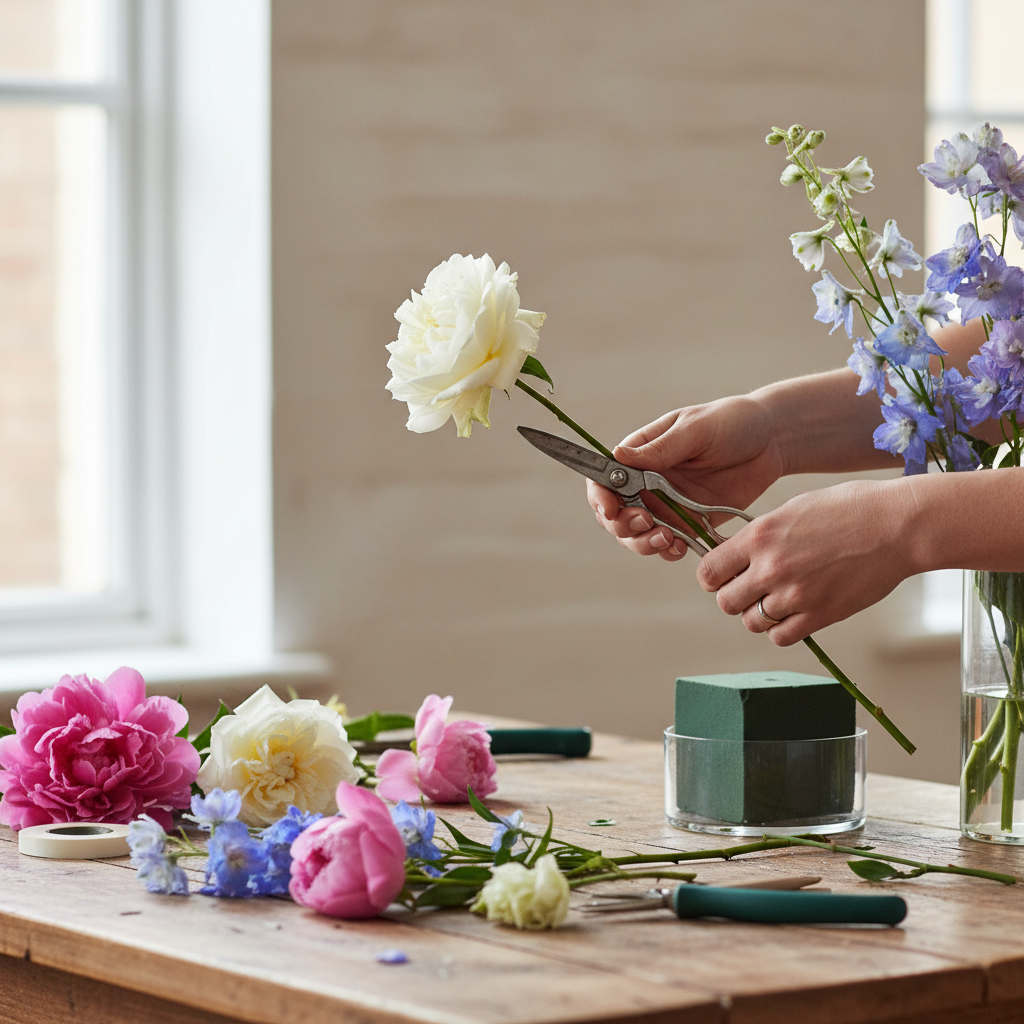
So you’re ready to get your hands dirty with flower arranging? Fantastic! There’s something magical about transforming a handful of blooms into something that makes people stop and smile. We’re going to walk through everything you need to know—from picking the perfect flowers to mastering those techniques that separate amateur bouquets from arrangements that look like they came from a fancy florist. Don’t worry if you’re starting from scratch. Everyone does. The best part? You’ll not only create beautiful arrangements but also learn how to keep them looking fresh for days. Let’s jump in and turn you into the flower arranger you’ve always wanted to be.
Choosing the Right Flowers for Your Arrangement
Here’s the thing about flower selection—it can make or break your entire arrangement. Think of it like putting together an outfit. You wouldn’t pair polka dots with stripes (unless you’re feeling very brave), right? Same principle applies here. You want flowers that play well together in color, size, and even scent. When you nail this balance, your bouquet goes from “nice try” to “wow, did you really make that yourself?” And here’s a pro tip: if you want to really understand what makes flowers tick, check out these gardening tips for beginners. Knowing how plants grow and behave gives you a huge advantage when selecting and caring for your arrangement flowers.
But let’s be practical for a moment. Pretty flowers are great, but what good are they if they wilt the next day? That’s why smart flower selection goes beyond just looks. Seasonal blooms are your best friend—they’re fresher, cheaper, and honestly just make more sense. Plus, there’s something satisfying about working with flowers that are naturally thriving right now. You’ll also want to think about longevity. Some flowers are marathon runners (looking at you, carnations), while others are more like sprinters. Mix them thoughtfully, and you’ve got an arrangement that stays gorgeous for a week or more. If you’re curious about how different plants develop and mature, this guide on effective plant propagation offers insights that directly translate to understanding flower behavior in arrangements.
Key Aspects of Flower Selection
Let me break down the essentials that’ll guide your flower choices. These aren’t rigid rules—think of them as helpful guidelines that’ll steer you toward arrangements that actually work:
- Balance Color and Size: Picture this: a few bold, statement blooms paired with smaller, delicate flowers that fill in the gaps. It’s like having both lead singers and backup vocals in your floral choir. The contrast creates depth and keeps things interesting to look at.
- Consider Seasonal Availability: Work with nature, not against it. Spring tulips in spring, autumn mums in fall—you get the idea. Your wallet will thank you, your arrangements will look more natural, and you’ll have access to the freshest blooms available.
- Choose Long-Lasting Varieties: Some flowers are just built to last. Carnations, chrysanthemums, alstroemeria—these are the workhorses of the flower world. Mix in a few of these reliable performers and watch your arrangement stay beautiful long after others have given up.
- Aroma and Texture Harmony: Don’t forget your nose and fingertips! A sweet-smelling rose paired with textured eucalyptus creates an experience, not just a pretty sight. Your arrangements should engage multiple senses.
Once you’ve got the flower selection figured out, everything else starts falling into place. You’ll develop an eye for what works together, and more importantly, you’ll start trusting your instincts. That confidence? It shows in your finished arrangements. Now that we’ve covered the foundation, let’s talk about actually putting these beautiful flowers together.
Fundamental Flower Arranging Techniques and Best Practices
Alright, you’ve got your flowers—now what? This is where the magic happens, but it’s also where a lot of beginners get overwhelmed. Don’t be. The secret to great arrangements isn’t some mysterious talent; it’s knowing a few key techniques and practicing them. Start with the basics: trim those stems (at an angle, trust me on this), strip off the lower leaves, and give your flowers a good drink before you start arranging. These simple prep steps make a huge difference in how long your arrangement lasts. Want to dive deeper into plant care fundamentals? This guide on plant care basics covers conditioning techniques that work beautifully for cut flowers too.
Now, let’s talk style. You’ve got options: symmetrical arrangements for that classic, balanced look; asymmetrical for something more dynamic and modern; or cascading for pure drama. Each style tells a different story. Color theory isn’t just art class stuff—it’s your secret weapon for arrangements that pop. Cool colors calm things down, warm colors energize, and contrasting textures (think smooth rose petals against spiky thistle) add visual interest that keeps people looking. And here’s something many beginners overlook: maintenance. Change that water, trim those stems, pluck out the tired blooms. Your arrangement will reward you by staying beautiful much longer. If you’re interested in how proper plant nurturing translates to arrangement care, exploring raised bed gardening advantages provides valuable insights into the care techniques that keep plants thriving.
Key Aspects of Arrangement Techniques
Here are the techniques that’ll take your arrangements from beginner to “how did you learn to do that?” level:
- Proper Flower Preparation: This step is non-negotiable. Cut stems at a 45-degree angle under running water, strip off any leaves that would sit below the waterline, and let your flowers hydrate for at least an hour. It’s like giving them a spa treatment before their big debut.
- Choose an Arrangement Style: Symmetrical arrangements feel formal and balanced—perfect for dining tables. Asymmetrical designs have movement and energy—great for modern spaces. Cascading styles are showstoppers that work beautifully for special occasions. Pick the style that matches your space and mood.
- Balance Colors and Textures: Think of your arrangement as a conversation between different elements. Soft meets structured, bright meets subtle, smooth meets rough. The contrast is what makes people want to keep looking.
- Regular Maintenance: This is where most people drop the ball. Fresh water every couple of days, a quick stem trim, and removing flowers that are past their prime—these small efforts can double the life of your arrangement.
The more you practice these techniques, the more natural they become. Pretty soon, you’ll be creating arrangements that not only look professional but also reflect your personal style. That’s when flower arranging stops being a hobby and starts being an art form. Every bouquet becomes a chance to express yourself and bring a little more beauty into the world.
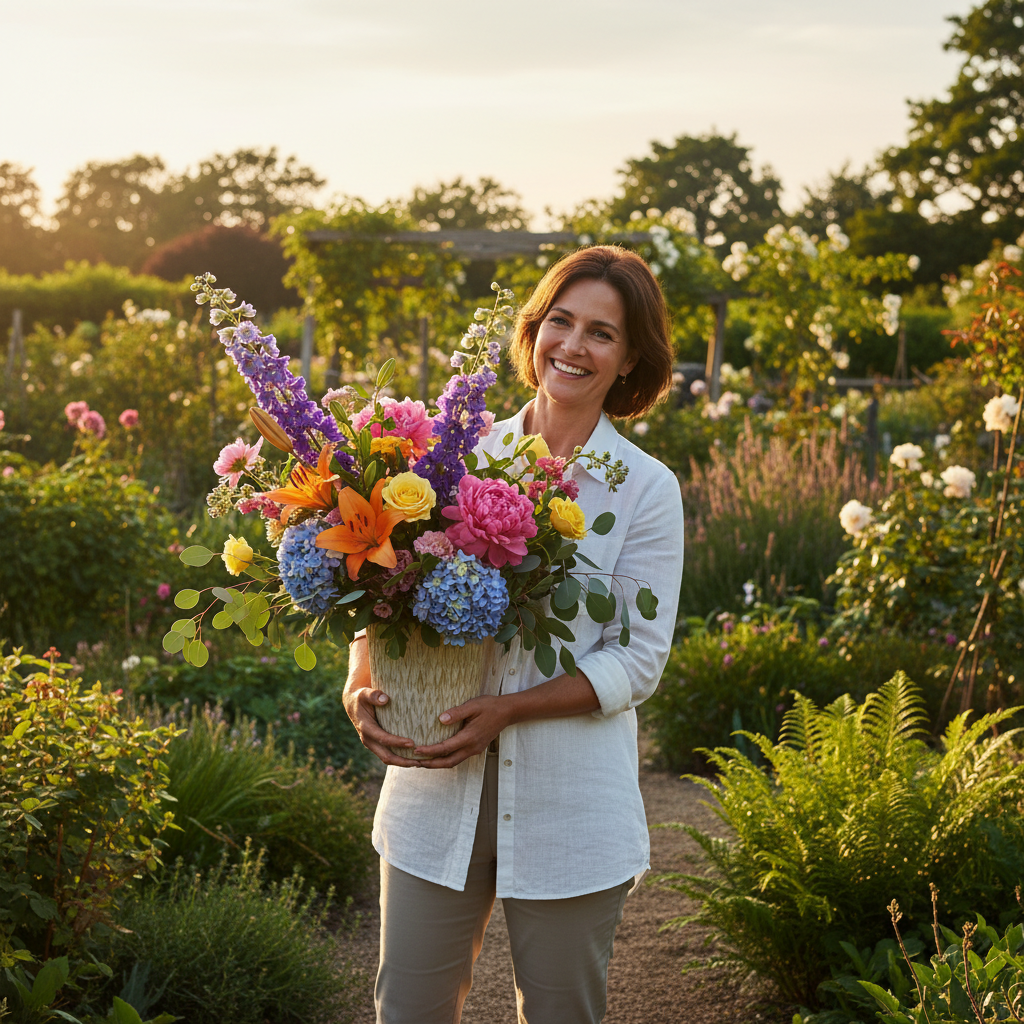
Here’s what I love about flower arranging—it’s this perfect blend of art, nature, and just a hint of science that somehow makes any space feel more alive. We’ve covered a lot of ground together, from picking flowers that actually work well together (color, size, that gorgeous fragrance) to prepping each stem like it matters. Because it does. Every little detail adds up to create something that’s not just pretty to look at, but balanced and vibrant. And those tips about choosing flowers that actually last? Your future self will thank you when your bouquet is still looking fresh days later.
Then there’s the practical stuff that makes all the difference. Sharp scissors, floral foam, the right vase—having good tools isn’t just nice to have, it’s what separates a frustrating experience from pure joy. You’ve picked up techniques for trimming stems properly, found your arrangement style (or styles—who says you need just one?), and learned how to balance colors and textures without overthinking it. Plus, we talked about those sneaky mistakes that can trip you up. Overcrowding your arrangement, cutting stems too short, forgetting basic flower care—now you know what to watch for.
So where do you go from here? If you’re getting excited about this whole flower thing, why not dig deeper? Start with some gardening tips for beginners—understanding how those beautiful blooms actually grow will change how you see every flower. Want to create arrangements that are both gorgeous and good for the planet? Check out gardening with native plants for ideas on sustainable practices that’ll make your local ecosystem happy too. And if you’re thinking “I need more flowers” (trust me, you will), learning how to propagate plants means you can grow your own endless supply.
The truth is, flower arranging goes way beyond just making something pretty for your table. It’s about expressing yourself, connecting with nature, and creating little moments of joy in your everyday life. You’ve got the foundation now—the techniques, the knowledge, the confidence to experiment. Remember, there’s no “perfect” arrangement. Each one you create is a chance to try something new, learn something different, and make something that’s uniquely yours. That’s the real beauty of it.
Frequently Asked Questions
-
What flowers are best for beginners?
- Easy-to-handle flowers like carnations, daisies, and chrysanthemums are ideal for beginners as they are forgiving, long-lasting, and versatile for various styles.
-
How often should I change the water in my arrangement?
- It’s best to change the water every two days to keep flowers hydrated, prevent bacterial growth, and extend the life of your arrangement.
-
Can I use artificial flowers in arrangements?
- Yes, artificial flowers offer a maintenance-free alternative that can be styled creatively for long-lasting, allergy-friendly displays.
-
How do I make my flower arrangements last longer?
- Use flower food, keep water clean and fresh, trim stems regularly, and place arrangements away from direct sunlight and heat sources to maximize their longevity.
-
What are common mistakes to avoid in flower arranging?
- Avoid overcrowding, ensure varied stem lengths for depth, and practice proper flower care like adequate hydration and clean cuttings to maintain arrangement quality.