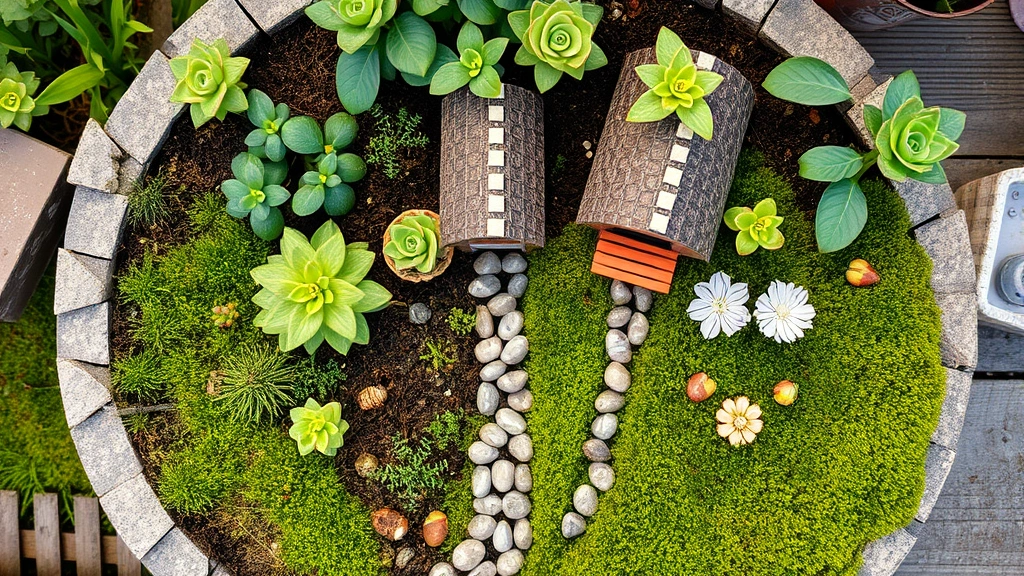
How to Create a Fairy Garden: DIY Expert Tips
Fairy gardens have captured the imagination of gardeners and plant enthusiasts for generations, transforming small spaces into enchanting miniature worlds. These whimsical creations combine tiny plants, decorative elements, and imaginative landscaping to craft magical outdoor retreats that spark joy and wonder. Whether you’re looking to add a touch of fantasy to your backyard or create a special project with children, a fairy garden offers endless creative possibilities while requiring minimal space and budget.
Creating your own fairy garden isn’t as complicated as it might seem. With the right planning, appropriate plant selections, and thoughtful design choices, you can build a stunning miniature landscape that thrives throughout the seasons. This comprehensive guide will walk you through every step of the process, from selecting your container to maintaining your magical creation long-term.
Choosing Your Fairy Garden Container and Location
The foundation of any successful fairy garden starts with selecting an appropriate container. You have numerous options depending on your vision and available space. Shallow ceramic pots, wooden boxes, terracotta trays, or even repurposed wheelbarrows and vintage baskets can serve as excellent fairy garden homes. The ideal container should be at least 12-18 inches in diameter and 4-6 inches deep, providing adequate room for root systems while maintaining the miniature aesthetic.
Location plays an equally important role in your fairy garden’s success. Most miniature plants thrive in partial shade to dappled sunlight, making areas beneath trees or on north-facing patios ideal. Avoid placing your fairy garden in intense afternoon sun, which can dry out shallow containers quickly. Ensure your chosen location receives at least 2-3 hours of indirect light daily. Consider accessibility for watering and maintenance—position your fairy garden where you can easily reach it without disturbing surrounding plantings.
If you’re new to gardening in general, reviewing gardening tips for beginners will help you understand fundamental plant care principles that apply to fairy gardens. Protection from harsh weather is also essential; consider moving container fairy gardens to sheltered locations during severe storms or extreme temperature fluctuations.
Preparing the Foundation and Soil
Proper soil preparation is crucial for creating a thriving fairy garden environment. Start by adding a drainage layer at the container bottom using pebbles, broken pottery shards, or small stones. This prevents water from pooling around delicate roots. Cover the drainage layer with landscape fabric to prevent soil from washing through.
For soil composition, combine high-quality potting mix with additional components to create an ideal growing medium. Mix together:
- 40% quality potting soil as your base
- 30% peat moss or coco coir for moisture retention
- 20% perlite or coarse sand for drainage
- 10% compost for nutrients
Understanding how to prepare garden soil for a thriving garden will give you deeper insights into soil structure and composition. Fill your container with this mixture, leaving about 1-2 inches from the rim for planting. Gently water the soil until it’s evenly moist but not waterlogged before adding plants.
Consider the specific needs of your chosen plants when adjusting soil composition. Succulents and alpine plants prefer grittier, well-draining mixes with additional perlite or sand. Shade-loving plants benefit from higher organic matter content. Testing soil pH and adjusting as needed ensures optimal growing conditions.
Selecting the Perfect Miniature Plants
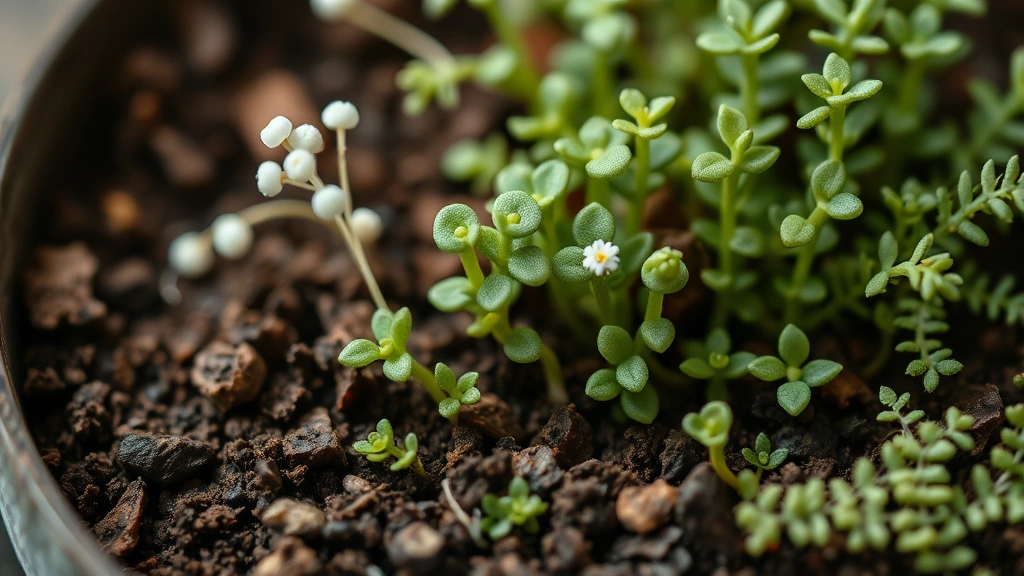
The plant selection makes or breaks a fairy garden. Choose species that naturally remain small, grow slowly, and tolerate container conditions. Excellent choices include creeping thyme, baby’s tears, sempervivum, sedum varieties, and miniature ferns. These plants create the perfect scale for fairy garden landscapes while being remarkably resilient.
For shade-loving fairy gardens, consider:
- Helxine soleirolii (baby’s tears) – delicate, moss-like foliage
- Soleirolia soleirolii – creates soft green carpeting
- Miniature hostas – architectural interest with variegated leaves
- Polystichum tsussimense (dwarf Japanese holly fern) – feathery texture
- Saxifraga stolonifera (strawberry begonia) – trailing habit
For sun-exposed fairy gardens, select:
- Sedum spurium and other creeping sedums – drought tolerant
- Sempervivum species – hardy succulents with geometric forms
- Thymus praecox (creeping thyme) – fragrant, edible flowers
- Armeria maritima (sea thrift) – compact, colorful blooms
- Sagina subulata (Scotch moss) – fine-textured ground cover
If you’re interested in edible miniatures, explore our herb garden guide for information about growing tiny culinary herbs. Miniature basil, oregano, and marjoram add both practical value and sensory appeal to fairy gardens.
When selecting plants, check mature sizes and growth rates. Avoid vigorous growers that quickly outgrow fairy garden proportions. Select plants with similar water and light requirements to simplify maintenance.
Adding Magical Decorative Elements
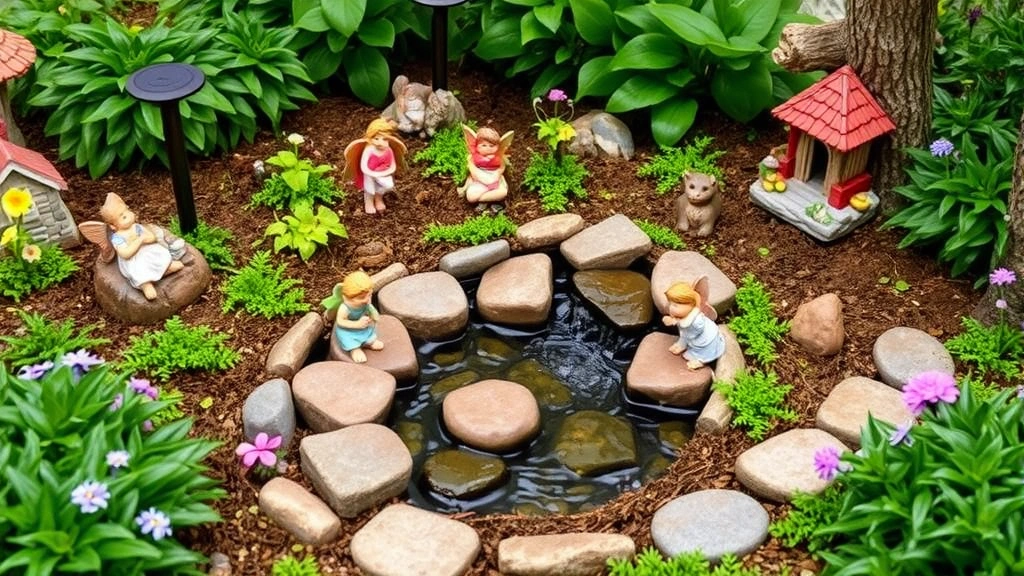
Decorative elements transform a simple planted container into an enchanting fairy world. These whimsical touches include tiny furniture, miniature houses, fairy figurines, bridges, and lighting features. Source decorative pieces from craft stores, garden centers, or online retailers specializing in fairy garden supplies.
Essential decorative components include:
- Miniature structures – fairy houses, gazebos, or cottages provide focal points
- Pathways and stepping stones – create visual flow and define spaces
- Tiny furniture – benches, tables, and chairs invite imagination
- Water features – small fountains or birdbaths add movement and sound
- Lighting – solar fairy lights create evening magic
- Figurines – fairies, gnomes, or woodland creatures bring stories to life
When incorporating decorative elements, maintain visual balance and proportion. Oversized decorations can overwhelm the delicate plant composition. Group elements thoughtfully, creating distinct areas within your fairy garden landscape. Leave adequate space for plant growth and maintenance access.
For design inspiration, visit our garden decor section to explore creative styling approaches. Consider seasonal decorations that evolve throughout the year—spring flowers, summer greenery, autumn leaves, and winter evergreens maintain year-round interest.
Creating Landscape Features and Pathways
Landscape features add depth and realism to fairy gardens. Pathways, water features, rock formations, and terrain variations create a complete miniature world that captivates the imagination. Begin by sketching your design, identifying where focal points and pathways should flow.
Pathways can be created using:
- Pea gravel or sand for natural-looking trails
- Tiny paving stones or slate pieces for formal pathways
- Moss for soft, woodland-style walkways
- Decorative stepping stones in geometric patterns
Create elevation changes by strategically placing soil mounds or small rocks. These variations add visual interest and provide different microhabitats for plant growth. Taller plants positioned at the back create depth, while lower-growing species in front maintain sightlines.
Water features need not be complicated. A simple shallow dish filled with pebbles and water creates the illusion of a pond. Alternatively, use a small ceramic or resin birdbath as a focal point. If incorporating actual water features with circulation, ensure proper drainage to prevent soil saturation.
Rock placements serve multiple purposes—they stabilize soil on slopes, create visual interest, and provide climbing surfaces for small plants. Use rocks proportional to your garden scale, selecting pieces with interesting shapes and textures.
Seasonal Maintenance and Care
Maintaining a fairy garden requires consistent attention despite its small size. Regular watering, pruning, fertilizing, and pest management keep your miniature landscape healthy and thriving. The shallow container means soil dries quickly, particularly during warm months.
Watering guidelines:
- Check soil moisture every 2-3 days during growing season
- Water when top half-inch of soil feels dry
- Use a spray bottle or fine mister to avoid soil displacement
- Reduce watering frequency in winter when growth slows
- Ensure excellent drainage to prevent root rot
Pruning maintains proportions and encourages bushier growth. Pinch back trailing stems that overgrow their allocated space. Remove dead leaves and spent flowers promptly to maintain appearance and prevent disease. During spring, trim any winter-damaged growth.
Fertilizing needs are minimal but important. Apply diluted liquid fertilizer monthly during the growing season (spring through early fall). Use half-strength solutions to avoid burning delicate foliage. Alternatively, incorporate slow-release fertilizer pellets into the soil at planting time.
Pest management in fairy gardens focuses on prevention. Inspect plants regularly for signs of spider mites, aphids, or fungal issues. Quarantine affected plants and treat with organic insecticidal soap or neem oil. Good air circulation and proper watering practices prevent most common problems.
Seasonal considerations:
- Spring – refresh soil, divide crowded plants, add new specimens
- Summer – increase watering frequency, provide afternoon shade in extreme heat
- Fall – reduce fertilizer, prepare for cooler temperatures, add seasonal decorations
- Winter – protect from severe frost, reduce watering, focus on evergreen structure
Common Mistakes to Avoid
Even experienced gardeners encounter challenges when creating fairy gardens. Understanding common pitfalls helps you avoid frustration and maintain a thriving miniature landscape.
Overcrowding is the most frequent mistake. Planting too densely creates competition for water, nutrients, and light. Space plants according to their mature sizes, leaving room for growth. Remember that a sparse-looking garden in spring will fill in beautifully by midsummer.
Poor drainage leads to root rot and fungal problems. Never skip the drainage layer, and ensure your soil mix includes adequate perlite or sand. Test drainage by watering your container before planting; water should drain freely within minutes.
Inappropriate plant selections doom fairy gardens from the start. Avoid vigorous growers, plants requiring different watering schedules, or species unsuited to your light conditions. Research each plant’s mature size and growth rate before purchasing.
Inconsistent watering stresses plants and invites pest problems. Establish a regular watering schedule and stick to it. Container plants dry out quickly, particularly shallow fairy garden containers exposed to sun.
Ignoring light requirements results in leggy, weak growth. Honestly assess your available light and select plants accordingly. Don’t force sun-loving plants into shade or vice versa.
Excessive decorative elements overwhelm the garden and crowd out plants. Choose decorations carefully, prioritizing quality over quantity. Remember that the plants are the star—decorations should enhance, not dominate.
Neglecting seasonal transitions leaves gardens looking tired. Refresh decorations seasonally, add cool-season color in fall, and ensure winter interest through evergreen plantings and structural elements.
FAQ
What’s the best container size for a fairy garden?
An 18-24 inch diameter container with 4-6 inches of depth provides ideal proportions for most fairy gardens. Larger containers allow for more elaborate designs and complex planting schemes, while smaller vessels create more intimate miniature worlds. Ensure drainage holes are present regardless of size.
Can I create a fairy garden indoors?
Yes, indoor fairy gardens work well with proper lighting. Place containers near bright, indirect windows or supplement with grow lights providing 12-14 hours daily. Indoor environments typically have lower humidity, so monitor watering carefully and consider grouping containers to increase ambient moisture.
How often should I water my fairy garden?
Check soil moisture every 2-3 days during growing season. Water when the top half-inch feels dry. Frequency depends on container size, soil composition, light exposure, and weather conditions. Shallow containers typically need watering more frequently than deeper vessels.
What plants are best for beginners creating fairy gardens?
Start with hardy, forgiving species like creeping thyme, sedums, sempervivums, and baby’s tears. These tolerant plants withstand minor care inconsistencies while establishing your fairy gardening skills. As confidence grows, experiment with more delicate species and demanding plants.
Can fairy gardens survive winter outdoors?
This depends on your climate and plant selections. Hardy species like sempervivums and sedums tolerate freezing temperatures. Tender plants may need protection or moving indoors. In cold climates, move container fairy gardens to sheltered locations and reduce watering significantly.
How do I prevent my fairy garden from looking overgrown?
Regular pruning maintains proportions and appearance. Pinch back trailing stems, remove dead foliage, and divide crowded plants annually. Don’t hesitate to remove plants that outgrow their space—fairy gardens require active management to maintain their delicate aesthetic.
What’s the best time to plant a fairy garden?
Spring (after last frost) and early fall offer ideal planting windows when temperatures are moderate and plants establish quickly. However, you can create fairy gardens year-round indoors or in frost-free climates. Allow newly planted gardens 2-3 weeks to establish before expecting robust growth.


