
Edge Stones for Gardens? Landscaping Pro Insights
Garden edge stones are one of the most underestimated yet transformative elements in landscape design. Whether you’re creating clean borders around flower beds, defining pathways, or establishing the perimeter of your vegetable garden, the right edging stones provide both functional and aesthetic benefits that can elevate your entire outdoor space. Professional landscapers have long understood that proper edging is the difference between a polished, intentional garden and one that appears haphazard and unmaintained.
As a gardening enthusiast, you’ve probably noticed how mature gardens with well-defined edges feel more organized and sophisticated. This isn’t coincidence—it’s the result of thoughtful material selection and proper installation. Edge stones serve multiple purposes: they prevent soil erosion, keep grass from creeping into planting beds, reduce maintenance time, and create visual definition that makes your garden design pop. In this comprehensive guide, we’ll explore everything landscaping professionals know about selecting, installing, and maintaining edge stones for maximum impact in your garden.

Types of Edge Stones and Materials
The material you choose for your garden edging will dramatically impact both the aesthetic and functional performance of your borders. Each material has distinct advantages and considerations that landscaping professionals evaluate based on climate, garden style, and long-term durability expectations.
Natural Stone remains a top choice among professional landscapers because of its timeless appeal and exceptional longevity. Slate, granite, and limestone offer varied colors and textures that complement virtually any garden design. Natural stone edges develop a beautiful patina over time, enhancing their character. However, they require more precise installation and represent a higher initial investment. Slate edges work particularly well in modern gardens, while limestone suits traditional or cottage-style landscapes.
Concrete Edging provides an economical, durable solution that’s straightforward to install. Pre-cast concrete edge stones come in various shapes and colors, allowing customization to match your garden’s aesthetic. Stamped or colored concrete can mimic natural stone at a fraction of the cost. The main drawback is that concrete can crack in freeze-thaw cycles, so it’s essential to choose products specifically rated for your climate zone. Professional landscapers often recommend concrete for raised garden beds and vegetable gardens where functionality takes priority.
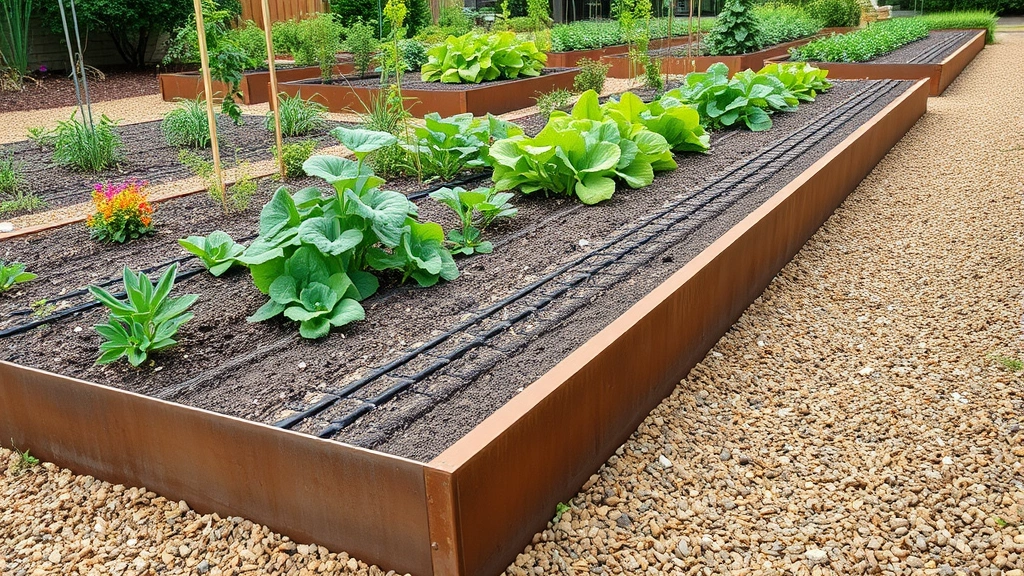
Metal Edging, typically steel or aluminum, offers a sleek, modern aesthetic that’s gaining popularity in contemporary garden design. Corten steel develops a rust patina that many designers find attractive, while aluminum remains pristine and requires minimal maintenance. Metal edges work exceptionally well for creating sharp, geometric lines and pair beautifully with small garden ideas where space is at a premium. The primary consideration is proper installation to prevent buckling and ensure stability.
Brick and Clay Pavers deliver classic charm and work wonderfully in traditional gardens. These materials are readily available, relatively affordable, and can be arranged in various patterns. They’re particularly effective when creating curved edges because they follow contours naturally. The downside is that individual bricks can shift over time, requiring periodic maintenance and re-leveling.
Composite Materials represent a newer category combining recycled plastics and wood fibers. These offer excellent durability, require minimal maintenance, and resist rotting and insect damage. They’re ideal for gardeners seeking sustainable options without sacrificing aesthetics. Composite edges work especially well in areas with high moisture or where shade garden plants create damp conditions.
Recycled Materials including reclaimed wood, salvaged bricks, and repurposed stone are gaining traction among environmentally conscious gardeners. These materials add character and history to your landscape while reducing waste. Reclaimed wood edges suit rustic or cottage gardens perfectly, though they require treatment to extend their lifespan in moist garden environments.
Design Considerations for Your Garden
Selecting the right edge stones goes far beyond choosing a material you like—professional landscapers consider how edging integrates with your overall garden design and serves your specific needs.
Color and Texture Harmony ensures your edging complements rather than competes with other garden elements. If your garden features garden decor with warm tones, choose edging with similar warmth. For gardens built around cool tones, select stones with gray or blue undertones. The texture should coordinate with your home’s architecture—smooth stones suit contemporary homes, while rough or weathered materials enhance traditional architecture.
Curved versus Straight Edges significantly impact your garden’s visual flow. Straight, clean edges create geometric structure and work well in formal gardens or modern landscapes. Curved edges feel more natural and organic, suiting cottage gardens and naturalistic plantings. Professionals note that curves require more installation time and material, but the visual softening effect is worth the investment for larger garden areas.
Height Considerations affect both aesthetics and function. Low edging (2-4 inches) provides subtle definition without visual disruption, making it ideal for cut flower gardens where you want focus on the plants themselves. Medium height (4-8 inches) creates more pronounced separation between beds and surrounding areas. Tall edging (8+ inches) works best for raised beds, creating both visual impact and practical containment for soil and mulch.
Drainage Considerations matter more than many gardeners realize. Certain edging materials can impede water drainage if installed improperly. Professional landscapers ensure that edging slopes slightly away from plantings to direct water outward and prevent waterlogging. For gardens in wet climates, permeable edging materials allow water to pass through while still maintaining structural integrity.
Maintenance Expectations should influence your material selection. Natural stone requires occasional cleaning and weeding but rarely needs replacement. Concrete may develop cracks or staining. Metal edges stay pristine with minimal effort. Organic materials like wood need regular inspection and treatment. Consider how much maintenance time you’re willing to invest when choosing your edging material.
Installation Best Practices
Proper installation is absolutely critical to the longevity and effectiveness of your garden edge stones. This is where professional techniques make a measurable difference in long-term performance.
Site Preparation begins with clearing the area where edging will be installed. Remove grass, weeds, and debris, and establish a clear line where edging will sit. Professional landscapers use chalk lines or string for straight edges and flexible hoses for curved designs. The ground should be relatively level—minor undulations are acceptable, but significant slopes require grading before installation begins.
Base Material Selection ensures your edging remains stable. A 2-3 inch base of compacted sand or gravel provides excellent drainage while allowing slight adjustment during installation. For heavy materials like natural stone or concrete, professional installers recommend a more substantial 4-inch base. This prevents settling and shifting that can create gaps or uneven surfaces over time.
Setting and Leveling requires patience and precision. Each stone should be firmly seated in the base material, with no rocking or movement when you press down. Use a level frequently to ensure consistent height, especially important for edging that borders lawn areas. Uneven edging creates visual distraction and can cause mowing difficulties. Professional-grade levels and rubber mallets help achieve proper results.
Spacing and Joints need consideration for material expansion and contraction. Most materials benefit from 1/4 to 1/2 inch gaps between pieces, allowing for seasonal movement without cracking. For mortared installations (typically with brick or stone), use consistent joint widths for visual appeal. Professional landscapers often fill joints with polymeric sand that hardens slightly without being fully rigid, allowing slight movement while preventing weed growth.
Backfilling completes the installation process. Once edging is set and leveled, backfill behind it with soil mixed with compost. Tamp gently to remove air pockets without disturbing the edging. For how to make raised garden beds, proper backfilling becomes even more critical since the edging contains soil directly.
Finishing Touches include adding mulch in front of the edging and ensuring clean lines. A 2-3 inch mulch layer creates a professional appearance while suppressing weeds and regulating soil moisture. Professional landscapers often use landscape fabric under mulch to enhance weed suppression without impeding water drainage.
Maintenance and Longevity
Understanding how to care for your edge stones ensures they maintain both function and appearance for years to come.
Regular Cleaning keeps edging looking fresh. Natural stone benefits from occasional washing with a garden hose and soft-bristled brush to remove algae or dirt buildup. Concrete can be pressure-washed, but use low pressure to avoid surface damage. Metal edging typically needs only occasional wiping to maintain appearance. Brick may develop moss or lichen in damp areas—a stiff brush or gentle pressure washing removes these growths while preserving the material.
Weed Prevention is ongoing but manageable. Landscape fabric placed under edging prevents many weeds from establishing at the border. Regular inspection and removal of any weeds sprouting through joints or gaps prevents them from becoming established. Professional landscapers recommend checking edging monthly during growing season and addressing issues promptly.
Settling and Shifting occasionally occur despite proper installation. Check edging regularly for gaps, tilting, or movement. Small adjustments can be made by gently tapping stones back into position or adding base material where settling has occurred. Significant shifting may indicate drainage issues or soil erosion that requires investigation.
Seasonal Considerations affect different materials differently. In freeze-thaw climates, concrete and brick edging may experience cracking or heaving. Professional landscapers recommend ensuring proper drainage to minimize water accumulation around edging, as this water freezes and expands, causing damage. In arid climates, edging materials may shift due to soil shrinkage and expansion cycles—periodic re-leveling prevents significant misalignment.
Repair and Replacement strategies vary by material. Single damaged concrete pieces can be replaced without disturbing surrounding sections. Cracked natural stone sometimes benefits from professional restoration. Composite or metal edging rarely requires repair—replacement is typically the best option if damage occurs. Planning for potential replacement costs when selecting materials helps avoid future surprises.
Budget-Friendly Options
Creating beautiful, well-defined garden edges doesn’t require substantial investment if you’re strategic about material selection and installation approaches.
DIY Installation saves considerable labor costs. If you’re comfortable with basic landscaping work, installing your own edging can reduce project costs by 30-50%. Many materials, particularly concrete edging and composite options, are specifically designed for homeowner installation without specialized equipment or expertise.
Recycled and Salvaged Materials offer significant savings while adding character. Reclaimed bricks, salvaged stone, and repurposed wood often cost far less than new materials. Local demolition companies, architectural salvage yards, and online marketplaces frequently offer these materials at bargain prices. The time investment in sourcing materials pays dividends in both cost and unique aesthetic results.
Phased Installation spreads costs over multiple seasons or years. Rather than edging your entire garden simultaneously, complete one section at a time. This approach allows you to test different materials and styles before committing to your entire landscape. Many experienced gardeners find that phased installation actually produces better results because lessons learned in early sections improve later installations.
Material Combinations balance budget and aesthetics. Using expensive natural stone for visible focal areas while choosing economical concrete or composite edging for less-prominent sections delivers visual impact without excessive cost. Professional landscapers frequently employ this strategy to maximize design impact within budget constraints.
Bulk Purchasing reduces per-unit costs. If you’re installing edging across a large area, purchasing materials directly from suppliers rather than retailers often provides significant discounts. Building relationships with local landscape suppliers may yield additional savings on larger projects.
FAQ
How deep should garden edge stones be installed?
Most edge stones should sit 1-2 inches above ground level for visibility and function, with 3-4 inches of material embedded below ground for stability. For raised beds, edging is typically fully visible, while border edging for in-ground beds follows this half-above, half-below principle.
Can I install edge stones myself, or do I need professional help?
Many homeowners successfully install edge stones themselves, particularly with pre-cast concrete or composite materials. Complex curved designs, heavy natural stone, or large projects may benefit from professional expertise. Start with a small section to evaluate the work involved before committing to your entire garden.
What’s the best edge stone material for a wet climate?
Composite materials, metal edging, and properly sealed natural stone perform best in wet climates. Avoid unsealed concrete in freeze-thaw regions, as water absorption and freezing cycles cause cracking. Ensure excellent drainage by installing base material and grading slightly away from edging.
How long do different edge stone materials last?
Natural stone lasts 30+ years with minimal maintenance. Concrete typically lasts 15-25 years depending on climate. Metal edging lasts 20+ years. Composite materials last 20-30 years. Wood requires replacement every 5-10 years depending on treatment and climate. Brick lasts 25+ years but may require re-leveling periodically.
Should I use landscape fabric with edge stones?
Yes, landscape fabric under edging and mulch significantly reduces weed growth. Use landscape fabric that allows water penetration while blocking weed seeds. This is particularly valuable for reducing ongoing maintenance in established gardens.
Can edge stones prevent grass from invading garden beds?
Yes, when properly installed. Edge stones create a physical barrier that prevents grass rhizomes from spreading into beds. For maximum effectiveness, ensure edging is fully seated and backfilled, with no gaps where grass can establish. Regular maintenance of the edging line ensures continued effectiveness.


