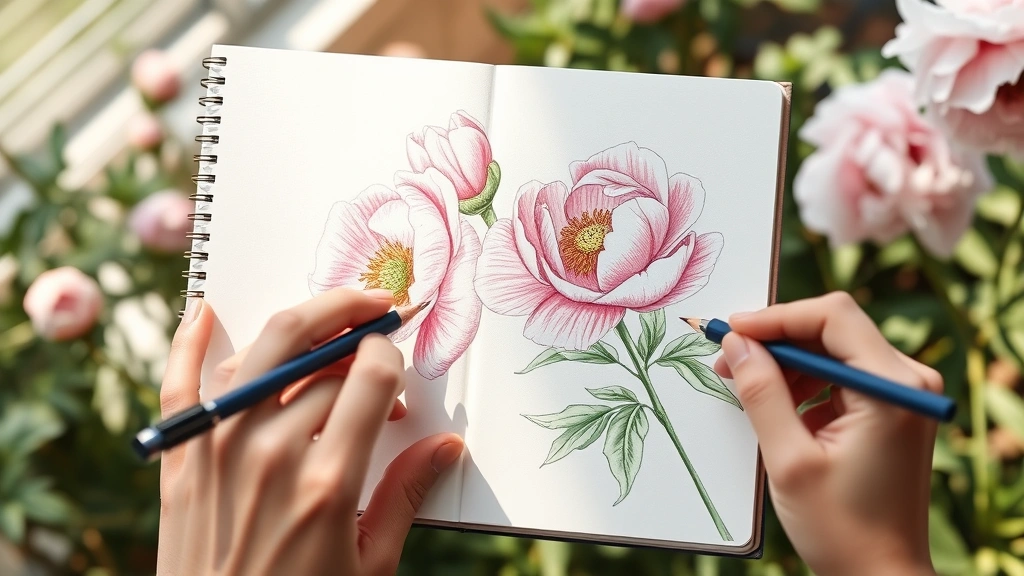
Sketching in the Garden: Artist’s Perspective on Drawing in Nature
There’s something magical about combining two of life’s greatest pleasures: gardening and artistic expression. Drawing in the garden transforms a simple outdoor space into a living studio where nature becomes both your subject and your muse. Whether you’re capturing the delicate petals of blooming flowers, the intricate patterns of leaf veins, or the architectural structure of a well-designed landscape, sketching outdoors connects you more deeply to the plants and spaces you cultivate.
For gardeners who also love to create, the garden offers endless inspiration and subject matter. Every season brings new compositions, changing light conditions, and evolving plant forms that challenge and excite the artistic mind. The act of drawing in your garden—or any outdoor space—sharpens your observational skills, slows your pace, and creates a meditative practice that enriches both your horticultural knowledge and artistic development.
Why Artists Are Drawn to Gardens
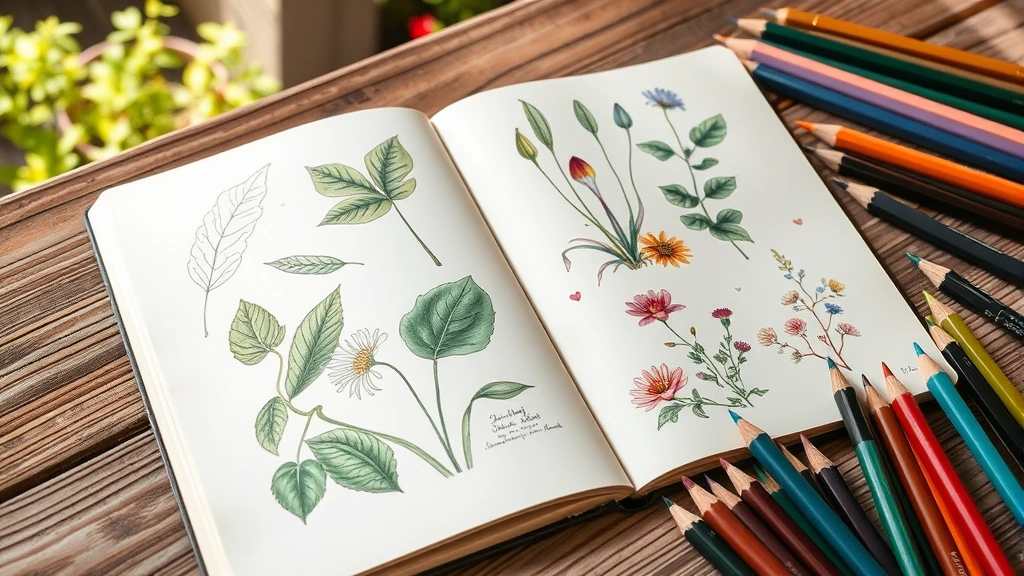
Gardens have captivated artists for centuries, from the Renaissance masters to contemporary illustrators. The garden represents a unique intersection of human design and natural growth, structured yet organic, controlled yet wild. When you sketch in the garden, you’re participating in a tradition that spans art history while simultaneously documenting your own living landscape.
The primary appeal lies in the incredible diversity of forms, textures, and colors available within arm’s reach. A single garden bed contains dozens of different leaf shapes, flower structures, and growth patterns. Unlike studio drawing where you must find or create reference materials, garden sketching gives you live subjects that change hourly with shifting light and weather.
Drawing in your garden also deepens your horticultural understanding. As you sketch a plant’s structure, you notice details about its growth habit, the arrangement of its leaves, how flowers emerge from the stem, and how the entire organism responds to its environment. This visual analysis becomes embodied knowledge that informs better planting decisions and garden design choices. When you plan a cactus garden or any specialized growing space, your sketches become invaluable reference materials.
Essential Materials for Garden Sketching
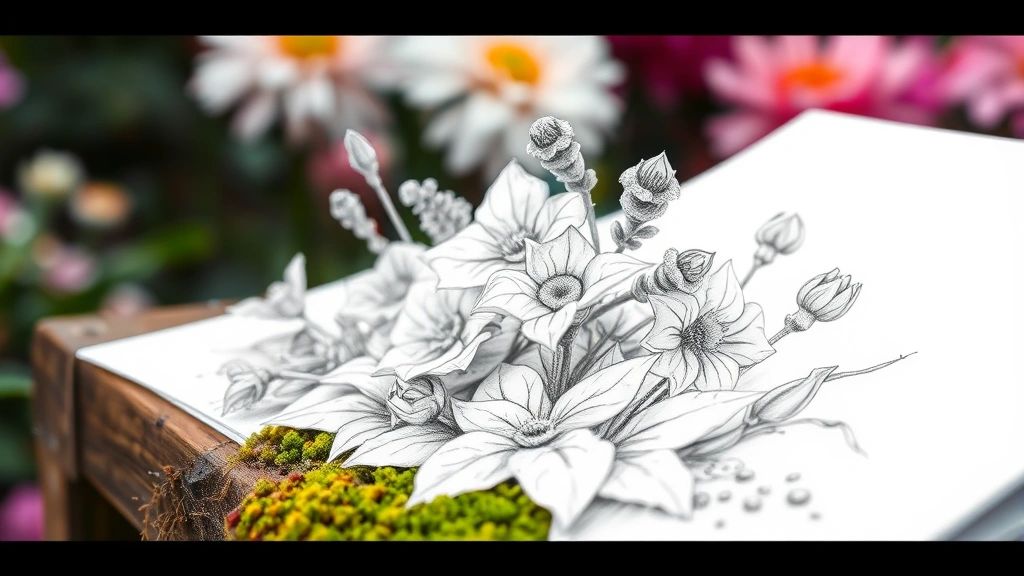
The beauty of garden sketching is that you don’t need expensive or elaborate equipment to get started. The key is choosing materials that withstand outdoor conditions while remaining portable and practical.
Sketchbooks and Paper: Opt for sketchbooks with hardy covers that can handle moisture and temperature fluctuations. Watercolor paper works exceptionally well because it’s thicker and more resistant to humidity. Spiral-bound or hardcover journals are preferable to soft-cover options since they provide a stable drawing surface. Some artists prefer loose sheets stored in a weatherproof portfolio.
Drawing Implements: Pencils remain the most versatile choice. Bring a range of grades—HB for lighter sketching, 2B or 4B for darker values, and harder pencils like H or 2H for fine details. Graphite sticks offer broader coverage for quick value studies. Colored pencils add another dimension, though they require careful storage to prevent breakage. Fine-tip pens with archival ink create clean, permanent lines resistant to fading.
Additional Supplies: A kneaded eraser allows gentle corrections without damaging paper. A blending stump helps create smooth transitions. Bring a small water container and natural sponge if you’re working with wet media like watercolor or ink washes. A portable easel or clipboard provides a stable surface, and a small shade umbrella protects both you and your materials from intense sun and sudden rain.
Protection and Comfort: Store materials in a waterproof bag or container. A small towel helps manage moisture from morning dew or irrigation spray. Consider a gardening apron with pockets for quick access to supplies. Sunscreen, insect repellent, and a hat protect you during extended outdoor sessions.
Choosing Your Garden Subjects
The garden presents infinite sketching possibilities, but beginners often benefit from strategic subject selection. Start with plants that have interesting structural characteristics and remain relatively still.
Flowering Plants: Individual blooms offer excellent study material. Focus on understanding how petals attach to the flower center, how they overlap, and how light reveals their forms. Tulips, roses, and dahlias provide excellent opportunities to study petal arrangement. Wildflowers and native species offer more organic, less symmetrical forms that develop observational skills.
Foliage and Leaf Studies: Leaves deserve dedicated attention. Each species has distinctive shapes, venation patterns, margins, and growth arrangements. Sketching leaves teaches you about proportion, organic curves, and texture. Hostas, ferns, and ornamental grasses provide varied leaf structures worth exploring.
Architectural Elements: Garden structures offer geometric contrast to organic plant forms. Trellises, raised beds, stone pathways, and water features provide compositional anchors. These elements help you practice perspective and understand how to frame natural subjects within human-made structures.
Seasonal Displays: When growing vegetables like cucumbers in pots, sketch the developing fruit alongside flowers and foliage. Vegetable gardens offer excellent subjects because they combine geometric arrangement with organic growth, and you observe rapid changes week to week.
Seasonal Sketching Opportunities
Spring: Spring brings explosive growth and constant change. Sketch emerging shoots pushing through soil, tender young leaves unfurling, and early bulb flowers. The fresh greens of spring offer color study opportunities. Many plants have delicate, translucent new growth that’s rewarding to capture. Focus on drawing the energy and vitality of growth.
Summer: Summer provides the fullest plant material and longest daylight hours for extended sketching sessions. Mature plants display their complete structure. Abundant flowers offer daily subjects. However, intense heat and bright light create challenges. Sketch early morning or late afternoon to avoid harsh shadows and uncomfortable working conditions. Summer’s density also provides excellent practice for rendering complex compositions with many overlapping forms.
Fall: Autumn brings color changes and seed development. Sketch plants transitioning toward dormancy. Many perennials develop interesting seed heads and dried flower structures. Fallen leaves create beautiful ground-level compositions. The lower sun angle creates dramatic lighting that’s excellent for practicing value studies and shadow rendering.
Winter: Even dormant gardens offer sketching subjects. Evergreen structure becomes more apparent when deciduous plants have dropped their leaves. Frost and ice create crystalline textures. Bare branches reveal architectural growth patterns usually hidden by foliage. Winter sketching may be less comfortable physically, but it provides unique visual opportunities and quieter garden time for reflection.
Techniques for Drawing Plants and Flowers
Observational Drawing Fundamentals: Before adding details, observe the overall shape and proportion. Is the plant tall and narrow or squat and spreading? Does it have a central leader or multiple stems? Sketch this basic structure lightly before developing details. This foundational approach prevents common mistakes like incorrect proportions that become apparent only after you’ve invested significant effort.
Understanding Leaf Attachment: Observe how leaves attach to stems. Do they alternate, grow opposite each other, or cluster in rosettes? How does the petiole (leaf stem) angle relative to the main stem? These details define a plant’s character. Practicing leaf attachment helps you draw plants recognizably rather than creating generic foliage.
Capturing Flower Structure: Flowers have logical internal organization. Identify the flower center, then observe how petals radiate from it. Notice if petals overlap or stand separate. Are there visible stamens and pistils? How does the calyx (sepals) support the petals? Understanding this structure allows you to draw flowers convincingly from any angle.
Rendering Texture and Surface: Different plants have distinctly different surface qualities. Smooth waxy leaves reflect light differently than fuzzy or matte surfaces. Practice using varied pencil strokes and pressure to suggest texture. Stippling, hatching, and cross-hatching create different textural effects. Observing actual plant surfaces teaches you which techniques best represent each texture type.
Value and Light Study: Gardens present constantly changing light as clouds pass and the sun moves. Sketch the same subject at different times to understand how light reveals form. Practice creating convincing three-dimensionality through careful value gradation. Notice how shadows fall and how light creates highlights that define a leaf’s curve or a petal’s dimension.
Creating a Dedicated Sketching Space
While sketching throughout your garden keeps you mobile and engaged with different areas, having a dedicated sketching spot encourages regular practice and provides comfort for extended sessions.
Location Considerations: Choose a spot with morning or afternoon light rather than harsh midday sun. Proximity to varied plants ensures diverse subjects within arm’s reach. A location near water access—whether a spigot for your best garden hose reel or a rain barrel—allows you to refill water containers and manage dust. Avoid areas with heavy foot traffic where you’ll be interrupted or where people might disturb your materials.
Comfort Elements: A weatherproof bench or garden seat makes extended sketching sessions more comfortable. A small table or stool provides a stable surface for supplies and sketchbooks. Shade is essential—either from a tree, pergola, or portable shade structure. Consider a small umbrella stake for sudden rain. These elements transform sketching from a brief activity into a sustained practice you’ll actually maintain.
Inspiring Views: Position your sketching space where you can see interesting compositions. Face a mixed border rather than a blank wall. Overlook a water feature or focal point. Arrange plantings so your sketching spot is surrounded by sketching-worthy subjects. This environmental design ensures you’re never without inspiration and that the space itself encourages regular use.
Combining Sketching with Garden Planning
Sketching becomes exponentially more valuable when integrated with garden planning and maintenance. Your drawings become both artistic expression and practical documentation.
Site Analysis Through Sketching: Before redesigning a garden area, sketch existing conditions from multiple angles. This process reveals spatial relationships, sight lines, and design problems more clearly than photography. Sketch the same view in different seasons to understand seasonal changes, light patterns, and how mature plants will affect the composition.
Design Development: Sketch proposed changes directly onto your site analysis drawings. Test plant combinations before committing to purchases. Explore different layout possibilities quickly and inexpensively. Sketches help you visualize how a garden soil bed will appear with different plant selections or arrangements.
Variety and Spacing Studies: Sketch existing plantings to assess whether spacing is appropriate or if plants are crowding each other. This visual analysis often reveals problems that statistics alone don’t capture. If you’re managing pest issues like keeping rabbits out of garden, sketching helps you visualize where protective barriers should go and how they’ll integrate with the design.
Maintenance Documentation: Sketch plants at different growth stages to track development and identify maintenance needs. Sketch blooming times and color combinations that work well together. Create a visual record of what thrives in specific locations, which varieties perform best in your garden, and seasonal sequences. This illustrated garden journal becomes invaluable for year-to-year planning.
Propagation and Cultivation Records: Sketch seeds, seedlings, and developing plants to track germination success and growth rates. If you’re experimenting with coffee grounds in garden or other amendments, sketches combined with notes create a visual record of their effects on plant growth and appearance.
Overcoming Common Sketching Challenges Outdoors
Weather and Environmental Factors: Wind presents a constant challenge—it moves your paper, rustles plants you’re drawing, and can carry away loose sketches. Secure your sketchbook with clips or weights. Wind also causes plants to move, so sketch during calmer times or focus on structural elements rather than transient details. Rain obviously complicates matters, but sketching in light rain creates atmospheric drawings with unique qualities. Keep materials in waterproof bags and accept that some sessions will be cut short.
Lighting Challenges: Harsh midday sun creates deep shadows and washes out colors, making it difficult to perceive subtle values. Sketch early morning or late afternoon when light is softer and more revealing. The golden hour before sunset provides beautiful warm light that’s also easier to work in. Conversely, overcast days provide even, diffuse light that’s excellent for value study but can feel monotonous. Learn to appreciate different lighting conditions and what each teaches you.
Insect and Pest Interruptions: Bees, butterflies, and other garden visitors are wonderful to observe but can be distracting when they land on your paper. Mosquitoes and other biting insects can make outdoor work miserable during certain seasons and times of day. Use insect repellent, sketch during less active insect times, or accept these interruptions as part of garden sketching’s charm. Many artists find the garden’s living activity enriches their experience.
Physical Discomfort: Extended outdoor sketching exposes you to sun, temperature extremes, and physical strain from sitting in awkward positions. Invest in comfortable seating, bring water and snacks, apply sunscreen regularly, and take breaks. Vary your position—sketch standing, sitting, and from different angles. Physical comfort directly affects drawing quality and your willingness to maintain a regular practice.
Time and Seasonal Limitations: Gardens change rapidly, and plants won’t wait for you to finish a sketch. Accept that some sketches will be incomplete or that you’ll need to work from memory to finish details indoors. Embrace this limitation as part of garden sketching’s unique character. Develop a shorthand or notation system for colors, textures, and details you’ll develop later. Some of the most interesting sketches combine immediate outdoor observation with studio development.
Plant Movement and Change: Unlike still life subjects, plants move in wind and change throughout the day. Flowers close, leaves droop, and new growth emerges constantly. Rather than fighting this, make it part of your study. Sketch the same plant multiple times to capture its range of positions and appearances. This practice develops flexibility and observation skills that transfer to all your artistic work.
FAQ
What’s the best time of day to sketch in the garden?
Early morning and late afternoon provide the most pleasant working conditions and beautiful light. Morning light is often cool and clear, while evening light is warm and dramatic. Avoid harsh midday sun when possible, though overcast days offer excellent, even lighting for value studies.
Do I need to be a skilled artist to sketch in my garden?
Absolutely not. Garden sketching is as much about observation and process as it is about finished product quality. Beginners benefit tremendously from regular practice with live subjects. Your sketches will improve dramatically over time, and even imperfect drawings become valuable records and learning tools.
What should I do with my garden sketches?
Create an illustrated garden journal you reference for planning and maintenance. Share sketches with fellow gardeners for feedback and inspiration. Photograph sketches to create digital archives. Some artists develop finished paintings or prints from garden sketches. Others simply enjoy the meditative process and keep sketches as personal records.
Can I use colored pencils and watercolor in the garden?
Yes, though they require more setup than graphite. Watercolor requires a water source and protection from rain. Colored pencils work well in the garden but need careful storage to prevent breakage. Many artists combine techniques—sketch with graphite outdoors and add color in the studio using their sketches as reference.
How often should I sketch in my garden?
Regular practice yields the best results. Even brief 15-30 minute sessions several times weekly develop skills faster than occasional longer sketching marathons. Consistency also helps you notice seasonal changes and plant development over time.
What if I get distracted or interrupted while sketching?
Interruptions are part of garden life. Accept them gracefully. The garden’s living activity—visiting pollinators, weather changes, other people—enriches the experience. If you need uninterrupted focus, sketch during quieter times or create boundaries that protect your sketching time.


