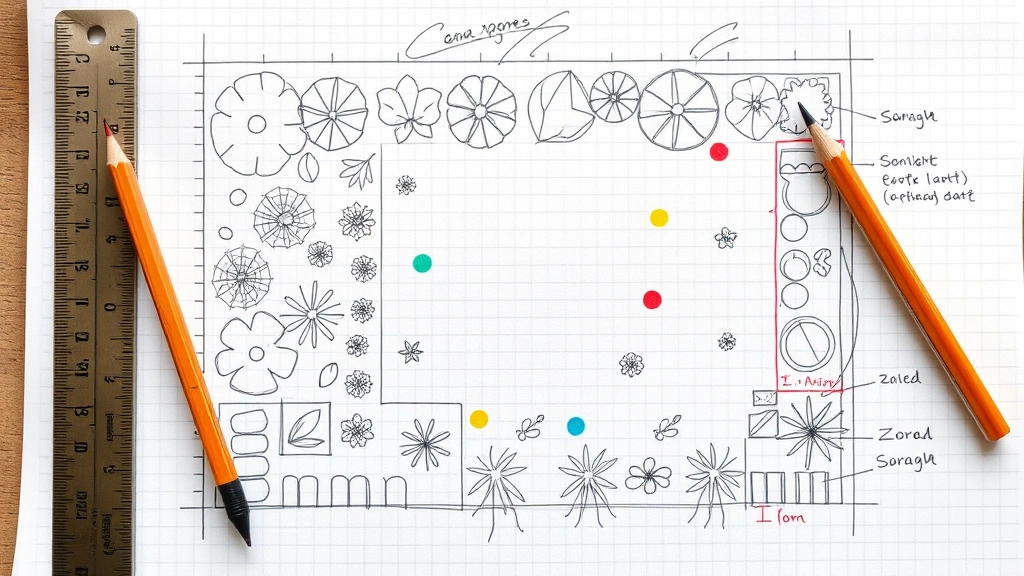
Draw a Garden Layout? Designer’s Blueprint for Your Perfect Outdoor Space
Creating a thriving garden starts long before you plant a single seed. Whether you’re envisioning a sprawling vegetable patch, a serene flower sanctuary, or a functional herb garden, drawing a garden layout is the essential first step that separates successful gardeners from those who struggle with overcrowding, poor sunlight distribution, and wasted space. A well-planned garden design transforms your outdoor area into a productive, beautiful, and maintainable space that brings joy throughout the seasons.
The beauty of sketching your garden layout is that it costs nothing but paper and pencil, yet saves you hundreds of dollars in wasted plants, materials, and labor. This comprehensive guide walks you through every aspect of designing your garden blueprint, from measuring your space to choosing plant placements based on sunlight, soil conditions, and aesthetic goals.
Why Draw Your Garden Layout First
Before breaking ground or purchasing a single plant, successful gardeners understand that drawing a garden layout provides invaluable benefits. A visual blueprint prevents costly mistakes, ensures proper spacing between plants, and helps you visualize how your garden will look throughout different seasons. This planning phase typically takes just a few hours but saves weeks of frustration and replanting.
A detailed garden plan serves multiple purposes. It acts as a communication tool if you’re hiring landscapers, helps you create a shopping list for materials and plants, and provides a reference point when you’re standing in a garden center overwhelmed by endless options. More importantly, a layout ensures that you’re making informed decisions about plant placement based on your specific growing conditions rather than impulse purchases.
Many gardeners who skip the planning stage find themselves with plants that don’t thrive because they’re in the wrong light conditions, overcrowded beds that become maintenance nightmares, or designs that don’t match their vision once everything is planted. A simple sketch prevents these common pitfalls.
Essential Tools and Materials for Garden Planning
You don’t need expensive software or professional design skills to create an effective garden layout. Basic materials work wonderfully for most home gardeners:
- Graph paper: The grid helps maintain accurate proportions and spacing
- Measuring tape: A 25-50 foot tape measure ensures accurate dimensions
- Pencil and eraser: Allows you to revise your design multiple times
- Ruler: Helps draw straight lines and maintain scale
- Colored pencils: Useful for differentiating plant types and visualizing color schemes
- Plant reference guides: Collect plant photos and specifications for accurate sizing
- Compass: Determines cardinal directions for sunlight planning
- Camera or smartphone: Document existing conditions and reference photos
If you prefer digital options, free tools like Canva or specialized garden planning apps can work well, but traditional paper remains the most flexible and intuitive method for most gardeners.
Measuring Your Garden Space Accurately
Accurate measurements form the foundation of your entire garden design. Start by creating a base map of your yard, noting existing structures, trees, and hardscaping. Measure from two fixed points to triangulate distances and ensure accuracy.
When measuring, record:
- Total garden area dimensions
- Location and size of existing trees and shrubs
- Fence lines and property boundaries
- House location and window positions
- Utility lines and access points
- Existing garden beds or structures
- Slope or grade changes
Transfer these measurements to graph paper using a consistent scale, typically 1/4 inch equals 1 foot for residential gardens. This scale allows you to work comfortably on standard paper while maintaining accuracy. Double-check your measurements before proceeding—errors at this stage compound throughout your design.
Understanding Sunlight Patterns
Sunlight availability dramatically influences which plants thrive in your garden. Before drawing plant placements, spend several days observing your garden at different times. Most vegetables and flowering plants require 6-8 hours of direct sunlight daily, though shade-tolerant plants and leafy greens can manage with 3-4 hours.
On your base map, shade areas that receive:
- Full sun: 6+ hours direct sunlight (mark these for vegetables, roses, and sun-loving perennials)
- Partial shade: 3-6 hours sunlight (ideal for many ornamental plants and some vegetables)
- Full shade: Less than 3 hours (reserve for hostas, ferns, and shade-tolerant groundcovers)
Remember that sunlight patterns change seasonally. Winter shadows are longer and extend further from structures, while summer sun is higher and more direct. If you’re planning a winter garden, account for increased shade from deciduous trees. For summer gardens, consider afternoon shade from western exposures that can help prevent heat stress on delicate plants.
Mark your sunlight zones clearly on your layout—this becomes your primary guide for plant placement decisions.
Mapping Soil Conditions and Drainage
Different areas of your garden often have varying soil conditions, pH levels, and drainage characteristics. Create a simple soil map by testing several locations across your garden space. Most university extension services offer affordable soil testing—this investment provides valuable information about nutrient levels, pH, and texture.
On your layout, note:
- Soil type (clay, loam, sandy, or rocky)
- pH levels (acidic, neutral, or alkaline)
- Drainage patterns (well-drained, moderate, or poorly drained)
- Areas prone to standing water or erosion
- Existing soil amendments or problem areas
Understanding your soil helps you select appropriate plants and plan necessary amendments. Poorly drained areas might require raised bed gardens with cinder blocks or improved drainage systems. Areas with excellent drainage might need supplemental irrigation or moisture-retaining amendments for plants preferring consistent moisture.
Choosing Your Garden Style and Theme
Your garden layout should reflect your personal preferences and lifestyle. Common garden styles include:
- Vegetable gardens: Organized rows or intensive beds focused on food production
- Ornamental gardens: Emphasizing flowers, foliage, and aesthetic design
- Cottage gardens: Informal, densely planted with mixed flowers and vegetables
- Modern minimalist: Clean lines, limited plant palette, architectural focus
- Pollinator gardens: Designed specifically for bees, butterflies, and beneficial insects
- Native plant gardens: Featuring regional plants adapted to local conditions
Your chosen style influences spacing, plant selection, color schemes, and hardscape elements. A vegetable gardener needs different considerations than someone designing an ornamental perennial border. Take inspiration from gardening tips for beginners if you’re starting fresh, or review specialized resources for your specific interests.
Plant Placement Strategies
With sunlight and soil conditions mapped, begin placing plants on your layout. Follow these fundamental principles:
Height considerations: Arrange plants from tallest in the back to shortest in front when viewing from a primary vantage point. This prevents tall plants from shading shorter ones and creates visual depth. If designing an island bed visible from all sides, place tallest plants in the center.
Spacing requirements: Research mature plant sizes, not nursery pot sizes. Overcrowding is the most common design mistake. Plants need room to grow without competing for light, water, and nutrients. Use the mature width of plants to determine spacing—two plants with a mature width of 3 feet should be spaced 3 feet apart.
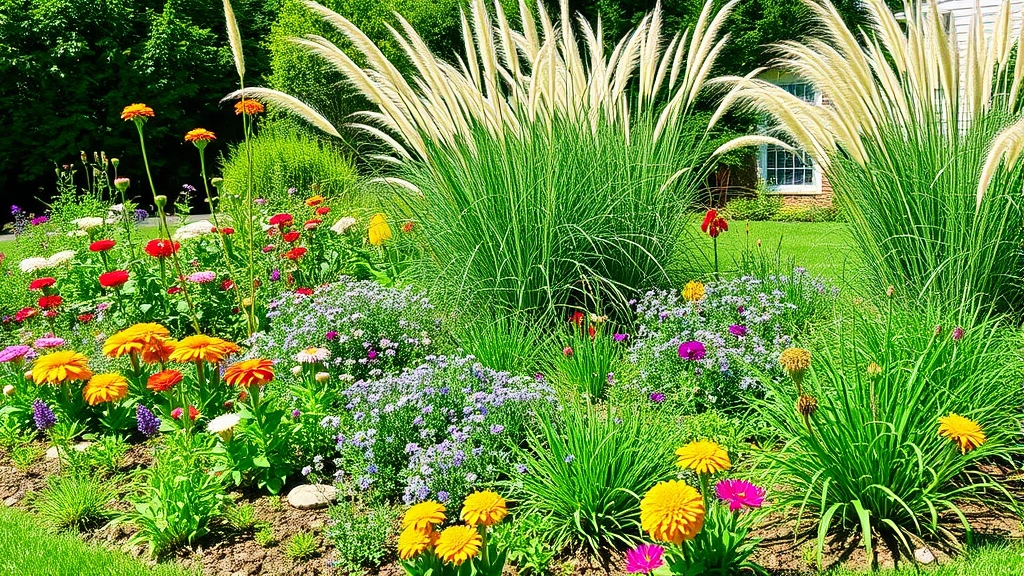
Color and texture combinations: Plan color schemes that complement your home and create visual interest. Consider foliage color and texture as much as flower color. Combine plants with contrasting textures—fine, feathery foliage next to bold, broad leaves creates visual drama.
Seasonal interest: Select plants that provide interest across multiple seasons. Include spring bloomers, summer flowers, fall color, and winter structure. This prevents your garden from looking barren during off-seasons.
Repetition and unity: Repeat plant groupings throughout your design to create cohesion. Plant the same species in groups of three or five rather than scattering single specimens.
For specialized gardens like indoor herb gardens, placement near kitchen windows and water sources becomes crucial. For garden pots and hanging baskets, consider how containers will be viewed and accessed throughout your design.
Incorporating Garden Structures
Your garden layout should include practical structures that enhance functionality and aesthetics. Consider:
- Trellises and arbors: Provide vertical growing space for vines and climbing plants, creating shade and visual interest
- Raised beds: Improve drainage, reduce bending, and create defined planting areas
- Garden benches or seating: Designate areas for rest and observation
- Shade structures: Pergolas or shade cloths protect delicate plants and create comfortable outdoor spaces
- Water features: Fountains or birdbaths add movement and attract wildlife
- Storage areas: Designated spots for tools, pots, and materials keep gardens organized
When incorporating structures, ensure they don’t block sunlight from plants that need it or create drainage problems. Position larger structures thoughtfully—they become permanent focal points that influence the entire garden’s appearance.
Creating Pathways and Access Points
Pathways serve both practical and aesthetic functions in your garden layout. They provide access for planting, maintenance, and enjoyment while guiding visitors through your space. On your blueprint, designate clear pathways that:
- Connect major garden areas and structures
- Allow access to utilities and hose bibs
- Provide maintenance access to all planted areas
- Create natural flow and focal points
Pathways should be at least 2-3 feet wide for comfortable walking and equipment passage. Consider what material suits your style—mulch, gravel, stepping stones, or hardscape options each create different effects. Curved pathways feel more natural and spacious than straight lines, while formal gardens often benefit from straight geometric paths.
Plan access points for how to keep rabbits out of garden protection and other wildlife management if needed. Easy access to all areas makes maintenance simpler and prevents the common problem of unreachable garden zones that become overgrown.
Seasonal Considerations in Garden Design
Your garden layout should account for how your space changes throughout the year. Spring brings explosive growth and bloom, summer provides peak foliage and productivity, fall offers color transitions and harvest, and winter reveals structure and dormant forms.
Design for year-round interest by including:
- Spring bulbs: Crocuses, daffodils, and tulips provide early color
- Summer bloomers: Annuals and perennials extend the flowering season
- Fall interest: Plants with autumn foliage, late-season blooms, or persistent seed heads
- Winter structure: Evergreens, ornamental grasses, and plants with interesting branching patterns
If you’re planning how to prune hydrangea bushes and other woody plants, include them in your layout with space for mature size and seasonal maintenance access. Consider how deciduous plants will change your sunlight patterns seasonally, and how evergreens provide winter structure and screening.
Seasonal maintenance needs should influence your layout. Vegetable gardens need different planning than perennial borders. Include designated areas for composting, tool storage, and plant propagation based on your gardening style and intensity.

FAQ
What scale should I use when drawing my garden layout?
The standard scale for residential gardens is 1/4 inch equals 1 foot. This allows you to work comfortably on standard paper while maintaining accuracy for spacing and placement decisions. For smaller spaces like container gardens, you might use a larger scale like 1/2 inch equals 1 foot.
How many hours of sunlight do most vegetables need?
Most vegetables require 6-8 hours of direct sunlight daily for optimal growth and productivity. Leafy greens like lettuce and spinach can manage with 4-6 hours, while root vegetables need at least 6 hours. When drawing your garden layout, reserve your sunniest areas for vegetables and sun-loving flowers.
Should I include existing trees in my garden layout?
Absolutely. Existing trees significantly influence sunlight patterns, moisture availability, and the overall structure of your garden. Mark them clearly on your base map, noting their canopy spread and how shadows change seasonally. They can provide valuable shade and windbreak functions if positioned thoughtfully.
What’s the best way to determine proper plant spacing?
Research the mature width of each plant species you’re considering. Use this mature size to determine spacing—two plants with a mature width of 3 feet should be spaced 3 feet apart center-to-center. This accounts for growth without overcrowding. Spacing recommendations on plant tags often refer to nursery pot size rather than mature dimensions, so independent research is crucial.
Can I modify my garden layout after planting?
Yes, gardens evolve naturally, and adjustments are normal. However, a well-planned initial layout minimizes the need for replanting and saves time and money. Most adjustments involve adding new areas or replacing plants that underperform rather than completely redesigning the original layout.
How do I account for future growth when drawing my layout?
Always plan for mature plant sizes, not their appearance in nursery pots. This means your garden will look sparse initially, but it prevents overcrowding as plants mature. You can fill spaces temporarily with annuals or quick-growing plants while waiting for permanent plantings to reach full size.
What resources help with plant selection for my garden layout?
Contact your local American Horticultural Society or university extension service for region-specific plant recommendations. The USDA Plant Hardiness Zone Map helps identify plants suitable for your climate. Local botanical gardens and Master Gardener programs provide personalized guidance for your specific region.
Should my garden layout include wildlife considerations?
Yes, designing for pollinators, birds, and beneficial insects enriches your garden ecosystem. Include native plants, flowering plants for nectar and pollen, and water sources in your layout. Avoid pesticides and include areas of shelter like shrubs and perennial plantings that support wildlife throughout the year.


