Find Community Gardens Near You: Local Tips for Connecting with Gardeners
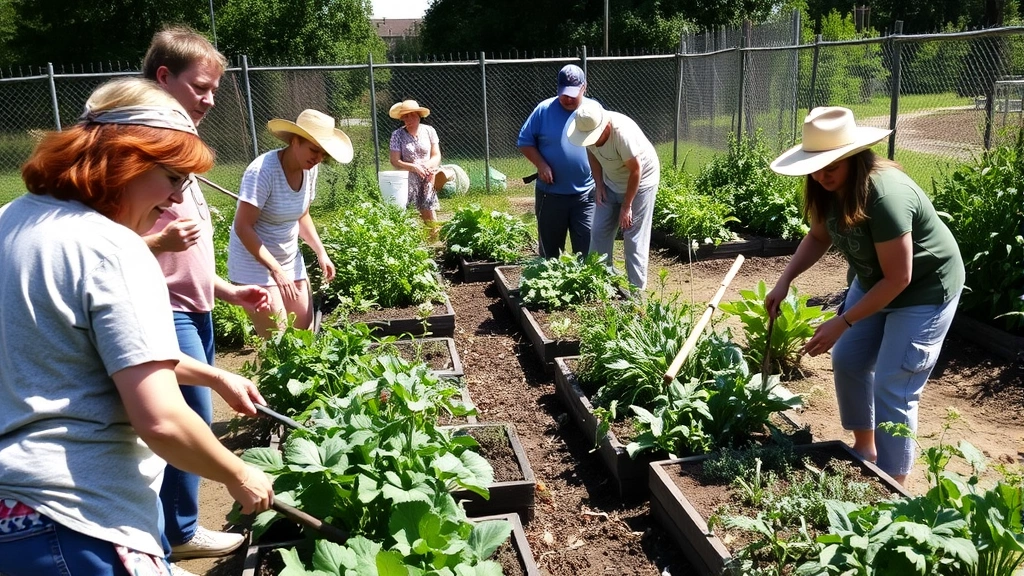
Whether you’re a seasoned gardener looking to expand your network or a complete beginner eager to learn from experienced cultivators, finding a community garden near you opens doors to friendship, knowledge, and fresh produce. Community gardens have transformed neighborhoods across the country, creating green spaces where people of all ages and backgrounds come together to grow vegetables, flowers, and herbs while building meaningful connections.
The beauty of community gardening lies in its accessibility and inclusivity. You don’t need a large backyard or years of experience to participate. Many community gardens offer individual plots for rent at affordable prices, communal growing areas, and educational workshops that teach everything from soil preparation to pest management. This guide will help you locate these hidden gems in your area and make the most of your community gardening experience.
Finding the right community garden requires knowing where to look and understanding what each space offers. Let’s explore practical strategies to discover local opportunities and become an active member of your gardening community.
How to Search for Community Gardens in Your Area
The first step in your community gardening journey involves identifying available spaces. Start by searching online for “community gardens near me” combined with your city or neighborhood name. Most municipalities maintain databases of registered community gardens, and many are accessible through parks and recreation department websites. Call your local parks department directly—staff members can provide comprehensive lists and connect you with garden coordinators.
Don’t overlook social media as a valuable resource. Facebook groups dedicated to local gardening often feature discussions about community spaces, and neighborhood apps like Nextdoor frequently have dedicated gardening sections where residents share information about nearby gardens. These platforms also reveal which gardens are actively recruiting new members and what the current waiting lists look like.
Visit your local library and ask librarians about community gardens. Many libraries maintain bulletin boards with information about local gardening organizations and upcoming open garden days. Librarians often have connections with community organizations and can point you toward resources you might not find online.
Attend farmers markets in your area and speak with vendors. Many farmers market participants are involved with community gardens or know other gardeners who manage local spaces. These conversations often lead to valuable introductions and insider information about which gardens have the best soil, most active communities, or most welcoming atmospheres.
Online Directories and Mapping Tools
Several comprehensive online platforms simplify the search for community gardens. American Community Gardening Association maintains a searchable directory of community gardens across North America. Their database includes detailed information about location, contact information, and garden type, making it an excellent starting point for your search.
Google Maps has become increasingly useful for locating community gardens. Search “community gardens” in your area and you’ll often find pins marking registered spaces with reviews, hours, and contact information from current members. Street View can give you a preview of the garden’s appearance and layout before you visit.
City-specific platforms have emerged in major metropolitan areas. New York City’s GreenThumb program maintains an online map of all registered community gardens, while similar initiatives exist in cities like Los Angeles, Chicago, and Philadelphia. These municipal resources often provide the most current and reliable information.
Consider using Meetup.com to find gardening groups in your area. Many community gardens host regular meetups where members gather to work on plots, share knowledge, and socialize. This platform helps you connect with active gardening communities before you even visit a physical location.
Master gardener programs, typically affiliated with university extension services, often maintain lists of community gardens and can recommend spaces aligned with your interests and location.
Local Resources and Organizations
Your local cooperative extension office is an invaluable resource for community garden information. These university-affiliated programs provide free or low-cost gardening education and maintain connections with community gardens throughout their service areas. Extension agents can recommend gardens that emphasize sustainable practices, offer beginner classes, or focus on specific crops you’re interested in growing.
Contact your city’s environmental or sustainability office. Many municipalities actively promote community gardening as part of green space initiatives and can provide lists of available gardens along with information about any incentive programs or grants for new gardeners.
Reach out to local nonprofits focused on food security, urban agriculture, or environmental education. Organizations like food banks and community development corporations frequently manage or partner with community gardens and can guide you to spaces that align with your values.
Check with neighborhood associations and community centers. These organizations often host information about local gardening initiatives and can connect you with established gardening groups. Community centers sometimes offer classes in partnership with nearby gardens, providing excellent opportunities to learn how to prepare garden soil for a thriving garden while meeting potential fellow gardeners.
Contact botanical gardens and horticultural societies in your region. American Horticultural Society members often have extensive networks and knowledge of community gardening opportunities. Many botanical gardens manage community plots or can recommend nearby spaces.
Questions to Ask Before Joining
Once you’ve identified potential gardens, ask important questions before committing. Inquire about plot availability, size, and cost. Most community gardens charge annual membership fees ranging from free to several hundred dollars, depending on location and amenities. Understand exactly what this fee includes—water access, tools, soil, composting facilities, or community events.
Ask about the garden’s management structure and decision-making process. Some gardens operate democratically with regular meetings where members vote on policies, while others have appointed boards or single coordinators. Understanding governance helps you determine if the garden’s culture aligns with your preferences.
Question the garden’s water source and irrigation system. Reliable water access is crucial for successful gardening. Learn whether the garden provides water or if members are responsible for hand-watering their plots. Ask about the garden’s water conservation practices and whether they collect rainwater or use drip irrigation systems.
Inquire about soil quality and whether the garden conducts soil testing. Understanding your soil’s pH, nutrient content, and potential contaminants is essential for healthy plant growth. Ask if the garden provides soil amendments or if members purchase their own.
Learn about the garden’s pest management and fertilizer policies. Some gardens prohibit synthetic pesticides and chemical fertilizers, while others allow them. Understanding these rules helps you prepare and ensures your gardening philosophy aligns with community expectations.
Ask about community rules regarding harvesting, plot maintenance, and participation requirements. Some gardens require members to volunteer a certain number of hours monthly or maintain their plots to specific standards. Clarifying expectations prevents conflicts later.
Inquire about the diversity of crops grown and whether the garden emphasizes vegetables, flowers, herbs, or a combination. If you’re interested in growing herbs for an indoor herb garden or starting seeds for propagation, confirm that the garden supports these activities.
Getting Started as a New Member
Before your first gardening season, attend a community garden orientation if available. These sessions introduce you to other members, explain rules and procedures, and provide practical information about water access, tool storage, and composting systems. Many gardens schedule orientations in spring before the growing season begins.
Start with a beginner-friendly plot if available. Smaller plots require less investment and maintenance, making them ideal for learning. As you gain confidence and experience, you can expand to larger spaces or volunteer for communal garden areas.
Take advantage of educational opportunities. Many community gardens host workshops on topics like gardening tips for beginners, composting, seed starting, and pest management. These classes, often taught by experienced members or local experts, accelerate your learning curve significantly.
Invest in basic tools and supplies gradually. You don’t need an extensive tool collection to start. A hand trowel, hand fork, pruning shears, and gloves cover most basic tasks. Many community gardens have shared tool libraries where members can borrow equipment, reducing individual expenses.
Plan your garden layout before planting season. Consider sunlight patterns throughout the day, wind exposure, and proximity to water sources. Sketch your plot and plan crop placement, considering companion planting and crop rotation principles. This planning prevents costly mistakes and maximizes your plot’s productivity.
Start with easy crops if you’re a beginner. Tomatoes, lettuce, zucchini, basil, and beans are forgiving plants that thrive with minimal intervention. Success with these crops builds confidence for tackling more challenging plants later.
Building Relationships with Fellow Gardeners
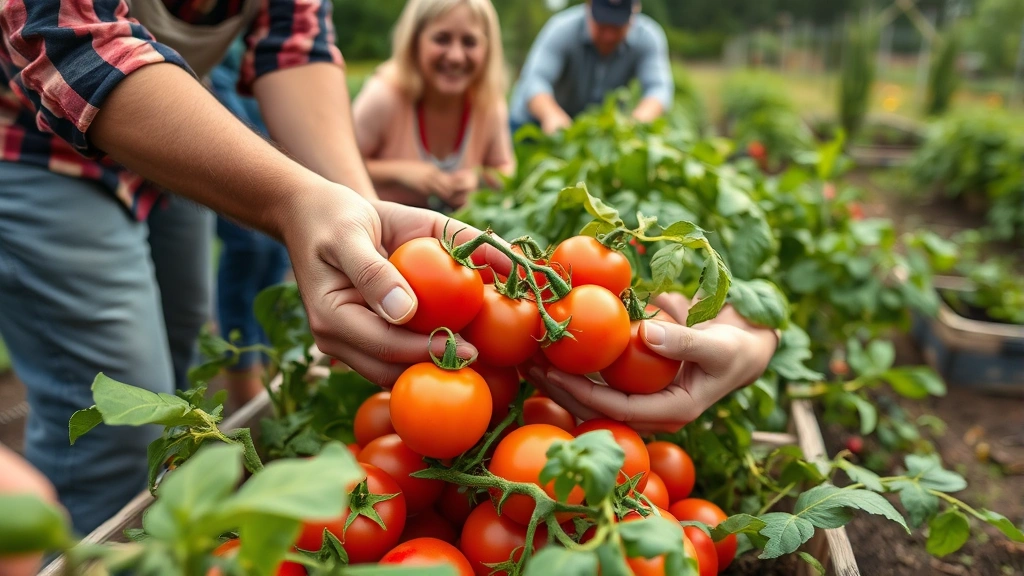
Community gardens thrive when members actively engage with one another. Attend regular workdays and volunteer for garden maintenance projects. These events create opportunities to meet neighbors, learn from experienced gardeners, and strengthen community bonds. You’ll discover that experienced gardeners are usually generous with knowledge and eager to help newcomers succeed.
Participate in garden events and celebrations. Many community gardens host harvest festivals, potlucks, seed swaps, and social gatherings. These events celebrate the community’s achievements while providing informal learning opportunities. Seed swaps are particularly valuable for acquiring heirloom varieties and connecting with gardeners who specialize in specific crops.
Share your harvests and knowledge. Bring surplus produce to share with other members, or offer to teach a workshop on topics where you have expertise. Generosity strengthens community bonds and creates a culture of mutual support. If you’re interested in how to propagate plants, sharing seedlings with fellow gardeners builds relationships while helping them expand their gardens.
Participate in garden decision-making. Attend meetings, serve on committees, and voice your opinions on garden policies. Active participation demonstrates commitment and ensures that the garden evolves in directions that benefit all members. Many gardens benefit from fresh perspectives that newer members bring.
Support other members’ gardening efforts. Offer to water neighbors’ plots during vacations, share pest management solutions, and celebrate their successes. This reciprocal support system creates a safety net for all members and builds genuine friendships that extend beyond gardening.
Use communication platforms to stay connected. Many gardens have WhatsApp groups, email lists, or Facebook pages where members share updates, ask questions, and organize activities. Active participation in these channels keeps you informed and engaged year-round.
Seasonal Considerations for Community Gardening
Community gardening rhythms follow seasonal patterns that vary by region. Spring is typically the busiest season as members prepare plots, start seeds, and plant transplants. This is the ideal time to join a garden and observe experienced gardeners’ techniques. If you’re new, spring membership gives you the full growing season to learn.
Summer requires consistent maintenance. Watering becomes critical, especially during dry periods. Many gardens organize volunteer schedules to ensure adequate watering coverage. Pest and disease management intensifies as populations explode in warm weather. Community gardens often share organic pest management strategies that minimize harm to beneficial insects.
Fall brings harvest abundance and transition planning. Many gardeners plant cool-season crops for fall and winter harvests. This is an excellent time to practice soil amendment and consider how to make a rain garden or implement water conservation features for the following year.
Winter offers reduced activity but important planning opportunities. Use this season to review the previous year’s successes and failures, plan next year’s crops, and participate in indoor gardening or seed-starting projects. Some gardens host winter workshops or social events to maintain community connection during slower months.
Understanding your region’s growing season length, frost dates, and seasonal rainfall patterns helps you maximize your community garden experience. Extension offices provide this critical information for your specific location.
Advanced Opportunities in Community Gardens
Once you’ve established yourself as an active member, consider expanding your involvement. Many gardens welcome volunteers for leadership positions like coordinator, treasurer, or education committee member. These roles offer opportunities to shape your garden’s direction and develop valuable organizational skills.
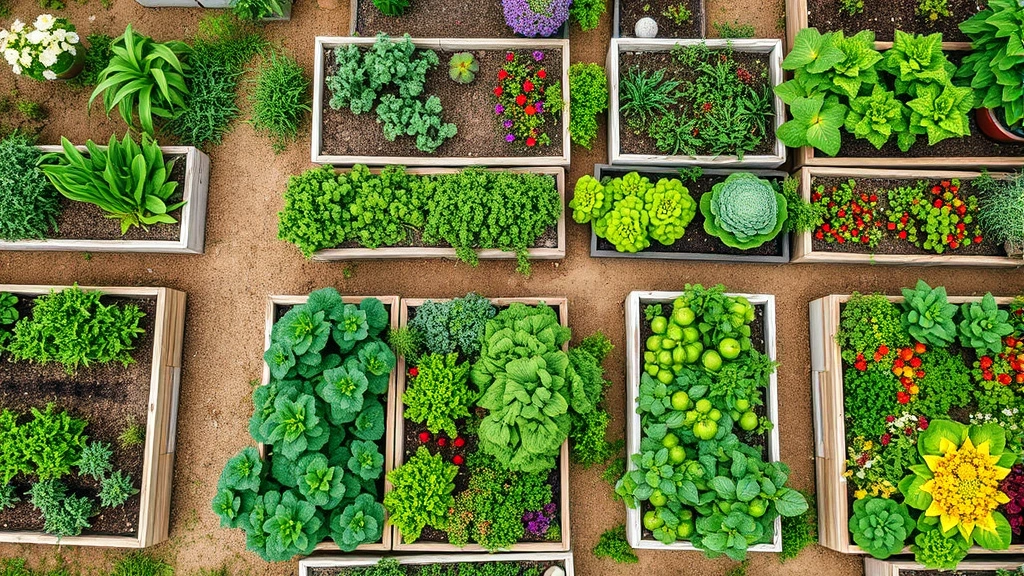
Explore specialized growing techniques within your garden community. Some members practice raised garden beds or vertical gardening systems that maximize limited space. Learning these techniques from experienced practitioners accelerates your skill development and opens creative possibilities for your plot.
Consider starting a community garden if none exists in your area. While more involved than joining an established garden, starting a new space allows you to create the exact environment you envision. Many nonprofits and extension offices provide resources and guidance for launching new community gardens.
Participate in community science initiatives. Some gardens contribute to research projects tracking pollinator populations, plant disease patterns, or urban heat island effects. These projects connect your gardening to broader environmental understanding and scientific inquiry.
FAQ
How much does it cost to join a community garden?
Costs vary widely depending on location and garden amenities. Some gardens operate on a donation basis, while others charge annual fees ranging from $25 to $500 or more. Many offer sliding-scale fees based on income. Contact individual gardens for specific pricing information.
What if there’s a long waiting list for community gardens in my area?
Waiting lists are common in desirable neighborhoods. Join the list while exploring alternative options like container gardening on your balcony, participating in communal garden areas that don’t require plot reservations, or starting your own garden space. Some gardens prioritize residents of adjacent neighborhoods, so check multiple gardens.
Can I grow anything I want in my community garden plot?
Most community gardens have some restrictions. Common rules prohibit tall plants that shade neighbors’ plots, restrict certain pesticides, or limit perennial plantings. Review your garden’s rules before selecting crops. If restrictions seem excessive, discuss them at community meetings.
How much time do I need to commit to community gardening?
Time commitments range from minimal to substantial depending on your involvement level. A basic plot requires roughly 2-4 hours weekly during the growing season for watering, weeding, and harvesting. Leadership roles or volunteer committee work may require additional time.
What if I’ve never gardened before?
Community gardens are perfect for beginners. Experienced members are typically eager to help, and many gardens offer formal classes and workshops. Start with easy crops, ask questions freely, and don’t worry about mistakes—every gardener makes them.
Can children participate in community gardens?
Most community gardens welcome children and offer youth programs or family plots. Gardening teaches valuable lessons about nature, nutrition, and responsibility. Check with your garden about age-appropriate activities and supervision requirements.
What happens to my plot in winter?
Winter practices vary by region and garden. In cold climates, many gardeners plant cover crops to protect soil, grow cold-hardy vegetables, or leave plots fallow. In mild climates, winter gardening thrives. Discuss winter expectations with your garden coordinator.


