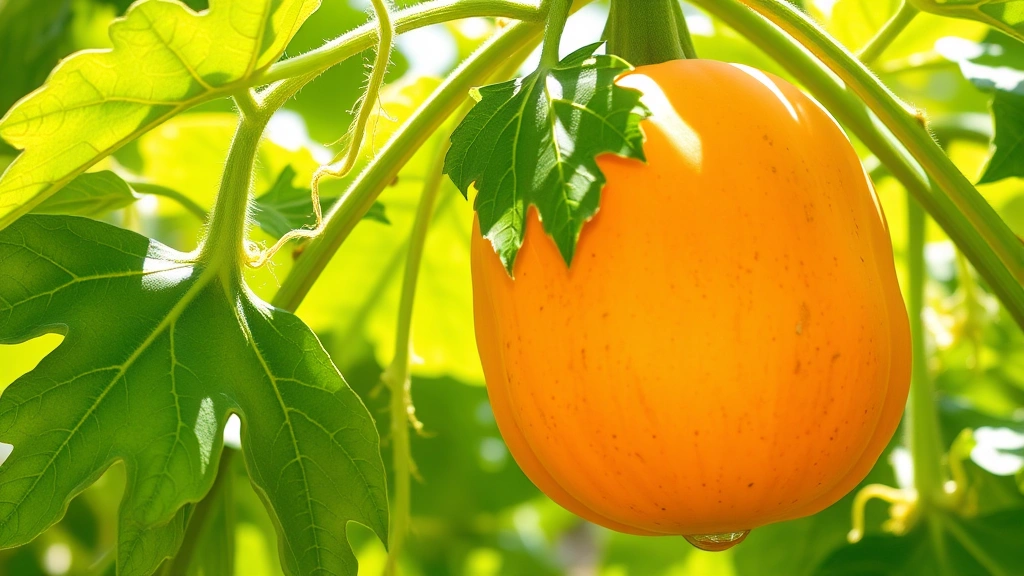
Grow Butternut Squash: Pro Gardener Techniques
Butternut squash stands as one of the most rewarding vegetables to cultivate in a home garden, offering abundant harvests of creamy, nutrient-dense fruit that stores exceptionally well through winter months. Whether you’re a seasoned gardener or someone just beginning their gardening journey, mastering butternut squash cultivation opens doors to self-sufficiency and culinary delight. This comprehensive guide reveals professional techniques that experienced growers use to maximize yields while minimizing common pitfalls.
Growing butternut squash successfully requires understanding the plant’s lifecycle, environmental needs, and pest management strategies. Unlike many vegetables that demand constant attention, butternut squash rewards strategic planning with vigorous growth and reliable production. The key lies in starting strong with soil preparation, maintaining consistent growing conditions, and knowing precisely when to harvest your precious autumn bounty.
Understanding Butternut Squash Growing Requirements
Butternut squash thrives in warm-season gardens where temperatures consistently remain between 70-85°F. This heat-loving plant demands a growing season of 75-100 days from planting to harvest, making spring and early summer planting essential for autumn collection. Understanding these fundamental requirements prevents wasted effort and ensures you plant at the optimal time for your region.
The plant’s sprawling vines can extend 6-10 feet in all directions, though compact varieties exist for space-conscious gardeners. Each vine produces multiple fruits, with healthy plants yielding 3-8 squashes depending on variety and growing conditions. Full sun exposure—at least 6-8 hours daily—remains non-negotiable for robust growth and sugar development in the fruit.
Butternut squash performs best in slightly acidic to neutral soil with a pH between 6.0-7.0. The plant’s nitrogen requirements are moderate during early growth but decrease as flowering begins, preventing excessive vine production at the expense of fruit development. Understanding this nutrient timing separates amateur gardeners from professionals who consistently achieve prize-worthy harvests.
Soil Preparation and Site Selection
Professional gardeners begin butternut squash cultivation months before planting by thoroughly preparing garden soil with organic matter. Incorporating 3-4 inches of well-aged compost or decomposed manure into the top 8-10 inches of soil creates the rich, well-draining environment butternut squash demands. This organic amendment improves moisture retention while preventing waterlogging—a critical balance since squash roots need consistent moisture without standing water.
Site selection proves equally important as soil preparation. Choose locations receiving full, unobstructed sunlight throughout the day. South-facing slopes or positions protected from strong afternoon winds work exceptionally well. Avoid planting near competitive plants like corn or tall beans that shade developing squash vines. Consider using raised bed gardening to improve drainage and soil temperature, particularly in cooler climates or areas with heavy clay soil.
Test your soil before planting to identify nutrient deficiencies and pH imbalances. Most extension services offer affordable soil testing that reveals exactly what amendments your garden needs. If nitrogen levels are high from previous fertilization, skip additional nitrogen applications until flowering begins. Phosphorus and potassium should be adequate or slightly elevated for optimal fruit development and disease resistance.
Planting Methods: Seeds and Transplants
Direct seeding butternut squash offers advantages over transplanting because the plant’s sensitive root system suffers transplant shock. Plant seeds directly into warm soil (minimum 60°F, ideally 70°F or warmer) after all frost danger passes. Create small mounds or hills spaced 3-4 feet apart, planting 4-5 seeds per location at a depth of 1-1.5 inches. Once seedlings emerge and develop their first true leaves, thin to the strongest 1-2 plants per hill.
For gardeners in short-season regions, starting seeds indoors 3-4 weeks before the last frost allows transplanting larger, more established plants. Use biodegradable pots to minimize transplant stress, keeping seedlings in bright light and warm conditions (75-80°F) until transplanting. Harden off seedlings gradually over 7-10 days before moving them to the garden.
Spacing proves critical for air circulation and disease prevention. Professional growers space plants 4-5 feet apart in rows spaced 5-6 feet apart, though this varies with variety and available space. Compact or bush varieties can be planted closer—24-36 inches apart—making them suitable for smaller gardens. Mulch around plants with 2-3 inches of organic material to regulate soil temperature, suppress weeds, and retain moisture.

Watering and Fertilization Strategies
Butternut squash requires consistent moisture throughout the growing season, with approximately 1-1.5 inches of water weekly. Water deeply at the base of plants early in the morning to minimize disease pressure. Drip irrigation or soaker hoses deliver water directly to roots while keeping foliage dry—a technique professional growers employ religiously. Avoid overhead watering that promotes fungal diseases and creates conditions for powdery mildew.
Adjust watering frequency based on rainfall and soil conditions. Sandy soils require more frequent watering, while clay-based soils retain moisture longer. During fruit development, consistent moisture becomes especially important as inconsistent watering leads to misshapen fruit and poor quality. Mulching helps maintain even soil moisture while reducing watering frequency.
Fertilization follows a strategic schedule that changes as the plant develops. Apply balanced fertilizer (10-10-10 or similar) when vines begin running, providing the nitrogen needed for vigorous growth. Once flowering begins, switch to a lower-nitrogen formulation (5-10-10) that encourages fruit production rather than excessive vine growth. Many professional growers apply diluted fish emulsion or compost tea every 2-3 weeks during the growing season for consistent nutrient availability.
Avoid over-fertilizing, which produces abundant foliage but fewer, lower-quality fruits. If vines appear dark green and vigorous but flowers are sparse, reduce nitrogen applications immediately. Foliar feeding with diluted seaweed extract provides micronutrients and strengthens disease resistance without excessive nitrogen.
Managing Growth and Training Vines
As butternut squash vines expand, strategic pruning and training optimize production and prevent disease. Allow primary vines to develop without restriction, but pinch off secondary vines that emerge from leaf axils—this concentrates plant energy into fruit production rather than vegetative growth. Remove leaves that shade developing fruit, improving air circulation and allowing sunlight to reach the squashes for optimal sugar development and curing.
Vines naturally sprawl across the ground, which works fine in large gardens. However, vertical training saves space and improves air circulation significantly. Install sturdy trellises or stakes, gently tying vines with soft plant ties as they grow. Support developing fruit with small slings made from old cloth strips, preventing fruit from snapping off vines under their own weight. This technique becomes essential when growing butternut squash in containers or raised beds.
Pruning should be minimal once flowering begins—excessive pruning removes flower-producing nodes and delays harvest. Focus on removing diseased or damaged leaves and improving air circulation around the base of plants where fungal problems commonly develop. Professional growers monitor vine health weekly, removing problem foliage immediately to prevent disease spread.
Pest and Disease Prevention
Butternut squash attracts several common garden pests that can devastate crops if left unchecked. Squash vine borers represent the most destructive pest, with larvae tunneling into vines and causing sudden wilting. Monitor for sawdust-like frass near the base of plants—evidence of borer activity. Professional growers prevent infestations by wrapping the base of vines with aluminum foil or floating row covers during early growth stages.
Cucumber beetles and squash bugs cause significant damage through feeding and disease transmission. Hand-pick these insects daily, dropping them into soapy water. Yellow sticky traps monitor populations and catch flying insects. Neem oil or insecticidal soap provides organic control when populations exceed tolerable levels. Encourage beneficial insects by planting flowers like calendula and zinnias nearby.
Powdery mildew and downy mildew thrive in humid conditions with poor air circulation. Prevent these fungal diseases through proper spacing, morning watering, and leaf removal as needed. Sulfur dust or potassium bicarbonate applied at the first sign of disease prevents serious infections. Many professional growers apply preventive fungicide sprays every 7-10 days during humid periods.
Bacterial wilt, transmitted by cucumber beetles, causes sudden vine collapse. No cure exists once infection occurs, making prevention through pest control essential. Remove infected plants immediately to prevent spread. Rotate planting locations yearly to break disease cycles and reduce soil-borne pathogen populations.

Harvesting and Storage Techniques
Butternut squash reaches maturity 75-100 days after planting, when the skin hardens completely and develops a uniform tan or buff color. The spot where the squash connects to the vine shifts from green to brown—a reliable ripeness indicator. Harvest squash with 1-2 inches of stem attached, using a sharp knife rather than twisting the fruit, which can damage vines.
Harvest all squash before the first hard frost, as frost damage ruins storage quality. In warm climates, continue harvesting until vines decline naturally. Cure harvested squash in a warm, well-ventilated space (75-85°F) for 7-10 days. This curing process hardens the skin further and heals minor cuts, dramatically extending storage life.
Properly cured and stored butternut squash keeps 1-3 months in cool (50-60°F), dry conditions with good air circulation. Avoid storing squash touching each other, as rot spreads quickly between fruits. Many professional gardeners store squash in cardboard boxes lined with newspaper, checking periodically for spoilage and removing any affected fruit immediately.
For extended storage through winter, maintain temperature between 50-60°F with 50-70% humidity. A cool basement, garage, or root cellar works perfectly. Never refrigerate butternut squash, as cold temperatures below 50°F damage the fruit and reduce storage life dramatically. Properly stored butternut squash provides fresh vegetables through winter months, rewarding your growing efforts long after the garden sleeps.
FAQ
When should I plant butternut squash in my garden?
Plant butternut squash seeds or transplants after all frost danger passes and soil reaches at least 60°F, ideally 70°F or warmer. In most regions, this means planting in late spring or early summer. Count backward 75-100 days from your first expected frost to determine the latest planting date for harvest before cold weather.
How much space does butternut squash need?
Standard butternut squash varieties need 4-5 feet between plants and 5-6 feet between rows. Compact varieties can be spaced closer at 24-36 inches apart. Vertical training on trellises reduces space requirements significantly, making them viable for smaller gardens and raised bed gardens.
Can I grow butternut squash in containers?
Yes, compact varieties thrive in large containers (at least 20-30 gallons) with quality potting soil. Provide full sun, consistent watering, and vertical support for vines. Container-grown squash typically produces fewer fruits than ground-planted squash but works excellently for space-limited gardeners.
What causes butternut squash to flower but not fruit?
Excessive nitrogen fertilizer promotes leaf growth at the expense of flowers and fruit. Switch to low-nitrogen fertilizer once flowering begins. Inconsistent watering, inadequate sunlight, and poor pollination also prevent fruit set. Hand-pollinate flowers using a small brush to ensure pollen transfer.
How do I know when butternut squash is ripe?
Ripe butternut squash displays uniform tan or buff skin color with no green patches. The stem connection changes from green to brown. The skin hardens completely—you cannot puncture it with a fingernail. Harvest with 1-2 inches of stem attached using a sharp knife.
What’s the best way to store harvested butternut squash?
Cure squash in a warm (75-85°F), well-ventilated space for 7-10 days to harden the skin. Store in a cool location (50-60°F) with 50-70% humidity, keeping squash from touching each other. Never refrigerate—cold temperatures damage the fruit and reduce storage life. Properly stored squash keeps 1-3 months.


