Asian Garden Design Tips: Expert Insights for Creating Serene Outdoor Spaces
Asian garden design represents one of the most sophisticated and philosophically grounded approaches to landscaping, drawing inspiration from centuries of horticultural tradition across China, Japan, Korea, and Southeast Asia. Whether you’re designing a herb garden planter with Asian-inspired elements or transforming your entire outdoor space, understanding the core principles of Asian garden aesthetics will elevate your landscape from ordinary to extraordinary. These gardens aren’t merely collections of plants; they’re carefully orchestrated compositions that balance nature with human design, creating spaces that invite contemplation and restore the spirit.
The philosophy underlying Asian gardens emphasizes harmony between humans and nature, the interplay of yin and yang, and the representation of larger landscapes in miniature form. Unlike Western gardens that often showcase plants for their individual beauty, Asian gardens create narrative landscapes where every stone, water feature, and plant selection serves a greater purpose. This comprehensive guide explores the essential design principles, plant selections, and construction techniques that will help you create an authentic Asian garden experience in your own backyard.
Core Principles of Asian Garden Philosophy
Asian garden design is rooted in philosophical traditions that view gardens as microcosms of the natural world. The principle of balance—represented through yin and yang—guides every design decision. Yin elements include shade, stillness, darkness, and inward-focused spaces, while yang elements encompass light, movement, brightness, and outward-facing features. A well-designed Asian garden incorporates both principles in equal measure, creating spaces that feel dynamic yet peaceful.
The concept of ma, or negative space, is equally important. Rather than filling every available area with plants and structures, Asian gardens deliberately leave empty spaces that draw the eye and allow the mind to rest. This restraint in design creates a sense of sophistication and timelessness. When you incorporate raised bed gardening techniques into an Asian garden setting, remember that simplicity and intentionality should guide your choices.
The five elements—earth, water, wood, fire, and metal—also influence Asian garden design. Earth is represented through soil and stone, water through ponds and streams, wood through plants and structures, fire through color and light, and metal through decorative elements and hardscape materials. Understanding these elements helps you create balanced, harmonious spaces that resonate on a deeper level with visitors.
Essential Design Elements and Layout
Creating an effective Asian garden layout requires understanding how spaces flow and connect. Traditional Asian gardens employ several key layout strategies that guide visitors through the space while revealing new vistas at each turn. The concept of shakkei, or borrowed scenery, involves framing views beyond your garden boundary to create a sense of expanded space and connection to the larger landscape.
Pathways play a crucial role in Asian garden design, serving both practical and philosophical purposes. Rather than straight lines that suggest human dominance over nature, Asian gardens feature curved and winding paths that encourage slow, mindful movement through the space. These pathways might be constructed from stepping stones, gravel, or wood, each material choice carrying aesthetic and symbolic significance.
The principle of borrowed scenery extends to how you arrange your garden’s internal elements. Create viewing points—whether through proper garden tools placement or architectural features—that frame specific compositions. A well-positioned bench overlooking a water feature or stone arrangement creates a focal point that rewards contemplation.
Layering is another essential technique. Rather than planting at uniform heights, Asian gardens create depth through multiple layers: ground-level moss and groundcovers, mid-height shrubs, tall trees, and overhead canopy. This vertical variation makes even small spaces feel expansive and creates numerous microhabitats for plants and wildlife.
Water Features and Stone Placement
Water represents life, movement, and spiritual cleansing in Asian garden philosophy. Whether you incorporate a full pond, a simple stream, or even a water basin (tsukubai), water features should feel natural and integrated into the landscape. Still water creates a mirror-like surface that reflects the sky and surrounding plants, while moving water introduces sound and the sense of constant renewal.
When designing water features, consider how water moves through your garden. In Japanese gardens, water typically flows from higher to lower elevations, mimicking natural waterfalls and streams. The sound of water—whether a gentle trickle or a more substantial cascade—contributes significantly to the sensory experience of your garden.
Stone selection and placement represents perhaps the most critical aspect of authentic Asian garden design. Stones aren’t merely decorative; they represent mountains, islands, and the permanence of nature. Larger foundation stones should be selected for their shape, texture, and color, then positioned to create visual stability and interest. Asymmetrical groupings of three, five, or seven stones are traditional, with the tallest stone typically positioned off-center to create dynamic balance.
The concept of suiseki—the art of appreciating naturally beautiful stones—influences how Asian gardeners select and display rocks. Each stone should have distinctive character: interesting grain patterns, weathering, lichen growth, or unique shapes. Position these statement stones where they can be appreciated from multiple angles, perhaps near a pathway or water feature.
Ground-level stone work, including stepping stones and gravel areas, should follow natural patterns rather than rigid geometric arrangements. Gravel raked in wave patterns represents water movement and adds textural interest while requiring minimal maintenance. Stepping stones should be spaced to encourage a natural walking rhythm, typically 12-18 inches apart depending on average stride length.
Plant Selection for Asian Gardens
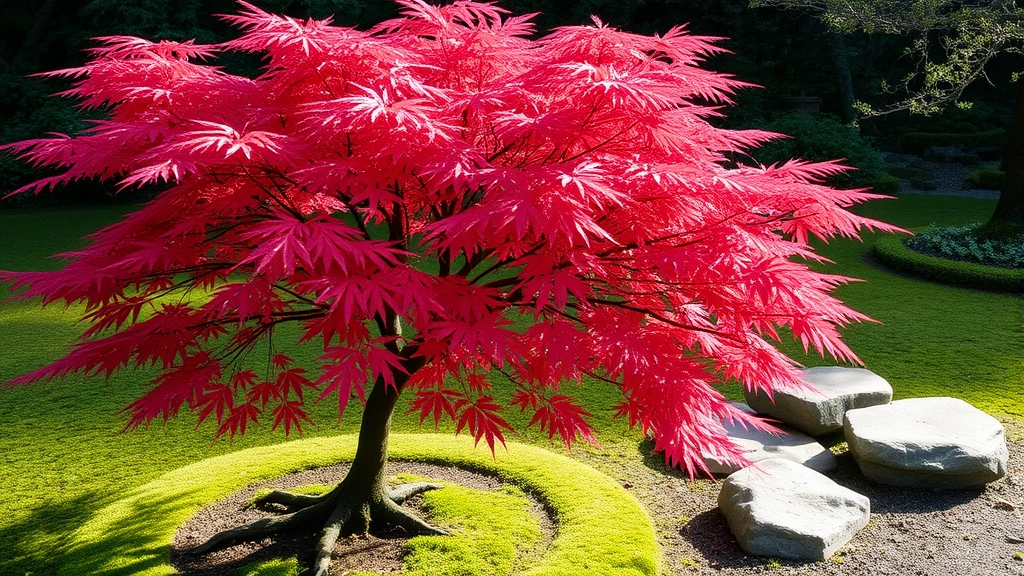
Plant selection in Asian gardens emphasizes quality over quantity, with each specimen chosen for its form, texture, seasonal interest, and symbolic meaning. Rather than massing plants for color impact, Asian gardens feature individual specimens that stand alone as living sculptures. Maples, particularly Japanese varieties, serve as anchor plants in many gardens, offering delicate foliage, elegant branching structure, and spectacular seasonal color changes.
Evergreen plants provide year-round structure and create the framework upon which seasonal elements are layered. Azaleas, camellias, and hollies offer both foliage interest and seasonal flowers. Bamboo, while sometimes controversial due to its invasive nature, can be incorporated in contained settings to add vertical lines and rustling movement. When using bamboo, always employ root barriers to prevent unwanted spread into neighboring areas.
Groundcovers and moss are fundamental to authentic Asian garden design. Moss carpets create soft, inviting surfaces beneath trees and around stones, suggesting age and natural establishment. While moss grows naturally in moist, shaded conditions, you can encourage its growth by maintaining consistent moisture and reducing foot traffic. Various ferns, sedges, and low-growing plants can substitute for moss in sunnier locations.
Flowering plants should be selected for their delicate beauty and seasonal significance rather than bold color impact. Cherry blossoms (sakura), magnolias, and flowering plums provide seasonal interest while respecting the principle of restraint. Shade-tolerant plants like hostas, hellebores, and bleeding heart create lush undergrowth without overwhelming the composition.
Perennial herb garden planter selections can include Asian herbs like shiso, Japanese parsley, and various mint varieties that blend functionality with ornamental appeal. These plants add practical value while maintaining the garden’s aesthetic integrity.
When selecting plants, consider the USDA Plant Database to ensure your choices are appropriate for your growing zone. Additionally, consult your local university extension service for region-specific recommendations on plant hardiness and care requirements.
Creating Focal Points and Views
Strategic focal points guide visitors through your Asian garden and create moments of visual interest and contemplation. A carefully composed stone grouping, a specimen tree, or a water feature can serve as a primary focal point that draws the eye and anchors the composition. These focal points should be positioned along primary sightlines, typically where pathways naturally lead or where seating areas face.
The principle of hide and reveal encourages designers to conceal portions of the garden from immediate view, creating mystery and inviting exploration. A curved pathway might hide a small bridge or water feature that becomes visible only as visitors move through the space. This technique makes even modest-sized gardens feel expansive and encourages mindful movement.
Framed views—where vegetation or structures create natural frames around focal points—add depth and draw attention to specific compositions. A dark evergreen backdrop can frame a specimen maple, emphasizing its delicate branching structure. Similarly, an opening in a hedge might frame a distant view or a carefully placed stone arrangement.
Consider creating multiple focal points at different scales. A major focal point might dominate the primary viewing area, while secondary focal points reward closer exploration. This hierarchical approach maintains visual interest while preventing the garden from feeling chaotic or overwhelming.

Seasonal Considerations and Maintenance
Asian gardens should offer beauty and interest throughout all seasons, with careful plant selection ensuring year-round appeal. Spring brings delicate flowers and fresh foliage, summer offers lush greenery and the cooling effect of water features, autumn showcases spectacular color changes and seed pod displays, and winter reveals elegant branching structures and evergreen forms.
Maintenance in Asian gardens differs significantly from Western approaches. Rather than constant deadheading and aggressive pruning, Asian gardeners practice selective pruning that enhances a plant’s natural form. This technique, called niwaki in Japanese gardens, involves removing branches to reveal the plant’s internal structure and create sculptural forms. Pruning should happen thoughtfully, with each cut serving a purpose rather than following rigid schedules.
Moss and lichen maintenance requires different approaches depending on your climate. In moist regions, moss grows readily with minimal intervention; in drier climates, you might need to supplement with shade-tolerant groundcovers. Regular weeding maintains the garden’s refined appearance while removing plants that compete with intentional selections.
Water feature maintenance varies by feature type. Ponds require regular monitoring of water quality, periodic cleaning, and attention to aquatic plants. Streams and cascades need regular clearing of debris and inspection of circulation systems. Even simple water basins require regular cleaning and water changes to prevent stagnation and mosquito breeding.
When incorporating raised bed gardening into your Asian garden design, maintain the same principles of restraint and quality. Raised beds can effectively contain herb gardens or seasonal plantings while maintaining visual harmony with the broader landscape design.
Seasonal pruning of specimen trees should occur during dormancy, typically late winter or early spring for most deciduous trees. This timing minimizes stress on plants and allows wounds to heal before the growing season. Evergreens can be pruned in late spring after new growth hardens off. Always use sharp, properly maintained garden tools to make clean cuts that heal properly.
Consider consulting with local master gardener programs for region-specific maintenance advice and seasonal timing recommendations. These volunteer educators offer valuable insights into local growing conditions and plant care practices.
Pathways and hardscape elements require periodic maintenance to preserve their visual appeal. Gravel areas should be raked regularly to maintain wave patterns and prevent compaction. Stone pathways may need weeding between stepping stones, while moss-covered paths require careful attention to prevent excessive buildup or bare spots.

Integration with garden art elements can enhance your Asian garden design without overwhelming the natural aesthetic. Stone lanterns, water basins, and carefully selected sculptures should feel like natural discoveries rather than imposed decorations. Similarly, exploring concepts from cottage garden design might inspire you to incorporate functional elements that blur the line between ornamental and practical.
Even whimsical elements like fairy ideas for the garden can be adapted to Asian garden aesthetics, creating spaces that balance sophistication with playfulness. The key is maintaining intentionality in every design choice, ensuring that elements serve the overall composition rather than appearing random or disconnected.
FAQ
What’s the difference between Japanese and Chinese garden design?
Japanese gardens emphasize simplicity, asymmetry, and the relationship between space and emptiness. Chinese gardens tend to be more elaborate, featuring complex architectural elements, diverse plant collections, and intricate symbolism. Japanese gardens often focus on naturalistic landscapes, while Chinese gardens frequently incorporate more ornamental structures and detailed craftsmanship. Both traditions share respect for water, stone, and plant selection but express these elements differently.
How much space do I need to create an Asian garden?
Asian garden principles scale beautifully to small spaces. Even a small courtyard or balcony can incorporate fundamental design elements: a carefully selected specimen plant, strategically placed stones, and perhaps a small water feature or seating area. The key is quality over quantity—a small, well-designed Asian garden often feels more authentic than a larger space with scattered elements.
What’s the best season to start an Asian garden project?
Early spring or fall are ideal for most planting activities, when plants experience minimal transplant stress. However, hardscape elements like stone placement and water feature installation can occur year-round in most climates. Plan major construction during dry seasons to avoid muddy conditions and soil compaction.
Do I need special tools for Asian garden maintenance?
While specialty Japanese pruning tools can be valuable, quality Western pruning tools work effectively for most maintenance tasks. The important factors are sharp blades, proper maintenance, and understanding appropriate pruning techniques. Invest in well-made tools that feel comfortable in your hands and maintain them regularly through cleaning and sharpening.
How can I incorporate Asian garden design into a small urban space?
Vertical gardening, container plantings, and careful focal point selection allow Asian design principles to flourish in urban settings. A single specimen tree, a wall-mounted water feature, and thoughtful hardscape can create a serene refuge. Focus on creating a strong sense of place through careful composition rather than attempting to recreate a full landscape.
What plants work best in shaded Asian gardens?
Shade-tolerant selections include Japanese maples, camellias, hostas, ferns, hellebores, and moss groundcovers. Many traditional Asian plants actually prefer partial shade, developing richer foliage colors and more elegant forms when protected from intense afternoon sun. Shade also reduces stress on plants in hot climates.
How do I prevent bamboo from taking over my garden?
Always use root barriers when planting bamboo, extending barriers at least 24-30 inches deep and slightly above ground level. Regular inspection and removal of any shoots appearing outside the barrier area prevents unwanted spread. Consider non-running bamboo varieties that clump naturally rather than spreading via rhizomes.


