Why Choose Galvanised Iron Beds? Pro Gardener Insight
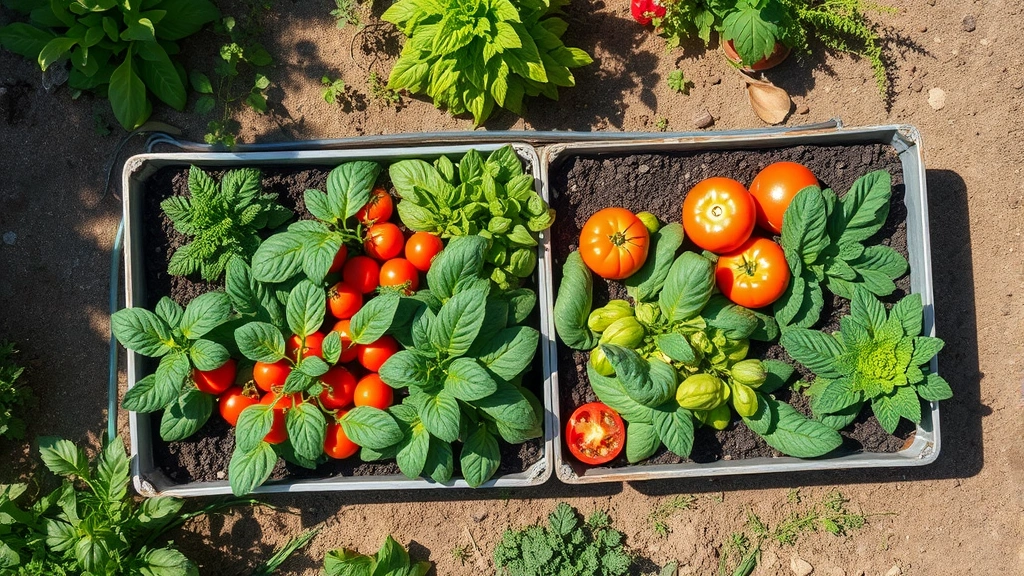
Galvanised iron raised garden beds have become the gold standard for serious gardeners seeking durability, aesthetic appeal, and long-term value. Whether you’re establishing your first vegetable patch or expanding an established garden, these steel structures offer unmatched performance advantages that justify their investment. After years of testing various materials—wood, plastic, concrete—I’ve consistently returned to galvanised iron as the superior choice for creating productive, beautiful growing spaces.
The transformation of your gardening experience begins with the right foundation. Galvanised iron beds don’t just contain soil; they create an optimal growing environment while standing the test of time. This comprehensive guide explores why professional gardeners, landscape designers, and serious home cultivators prefer galvanised iron for their raised bed gardens.
What Makes Galvanised Iron Superior
Galvanised iron represents the pinnacle of raised bed construction materials because it combines structural integrity with environmental resistance. The galvanisation process—coating steel with zinc—creates a protective barrier that prevents rust and corrosion, even in challenging climates. Unlike untreated wood that deteriorates within 5-10 years, galvanised iron beds maintain their integrity for 20-30+ years with minimal maintenance.
The material’s inherent strength allows for larger beds without sagging or warping. You can create ambitious growing spaces—4×12 feet or larger—without worrying about structural failure. This engineering advantage translates directly into growing capacity and long-term garden planning confidence. Professional market gardeners rely on galvanised iron specifically because it handles intensive, season-after-season use without degradation.
Unlike plastic alternatives that become brittle in sunlight or wood that splinters and rots, galvanised iron improves with age. The patina that develops over time adds character while the protective zinc coating continues functioning beneath the surface. This means your investment strengthens rather than weakens with each growing season.
Durability and Longevity Benefits
When you invest in galvanised iron raised garden beds, you’re purchasing a 25-30 year asset, not a 5-year consumable. This longevity advantage becomes obvious when comparing lifetime costs. A cedar bed might cost $150 initially but requires replacement after eight years. A galvanised iron bed costs $200-300 but remains productive for three decades, representing a fraction of the actual annual expense.
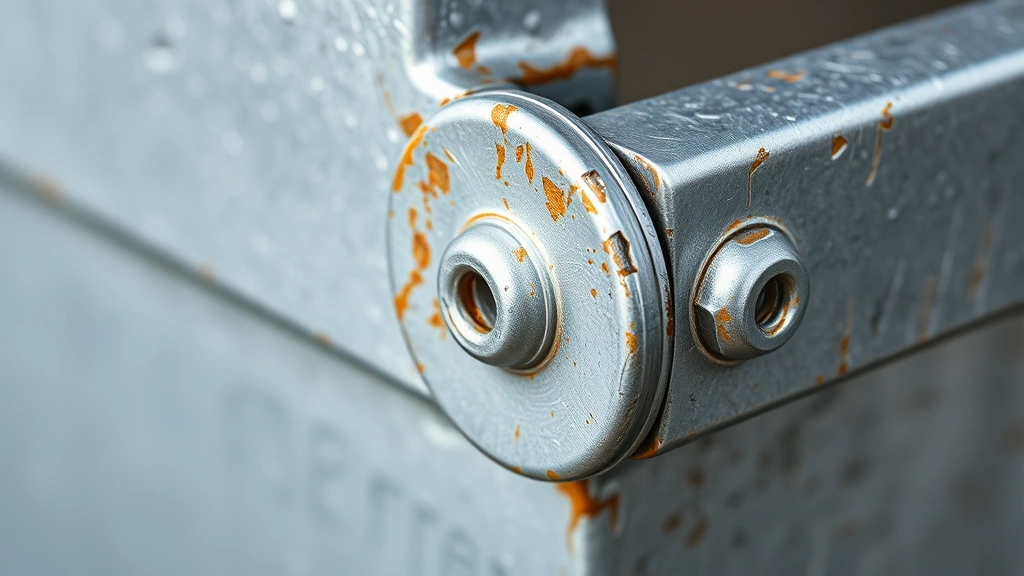
The zinc coating provides active corrosion protection through a process called cathodic protection. When tiny scratches or dings occur—inevitable in any garden environment—the surrounding zinc preferentially oxidises, protecting the underlying steel. This self-healing property means minor damage doesn’t cascade into structural failure like it would with wood or composite materials.
Harsh weather conditions actually demonstrate galvanised iron’s superiority. Freeze-thaw cycles that cause wood to split and composite materials to degrade barely affect galvanised steel. Coastal gardeners appreciate that salt spray resistance means their beds function perfectly near the ocean, where wood would rot within years and uncoated steel would rust rapidly.
Temperature extremes present no challenge. Unlike plastic that becomes brittle in cold and warps in intense heat, galvanised iron maintains structural integrity across temperature ranges from -40°F to 120°F. This reliability proves invaluable whether you’re gardening in Minnesota winters or Arizona summers.
Design Flexibility and Aesthetics
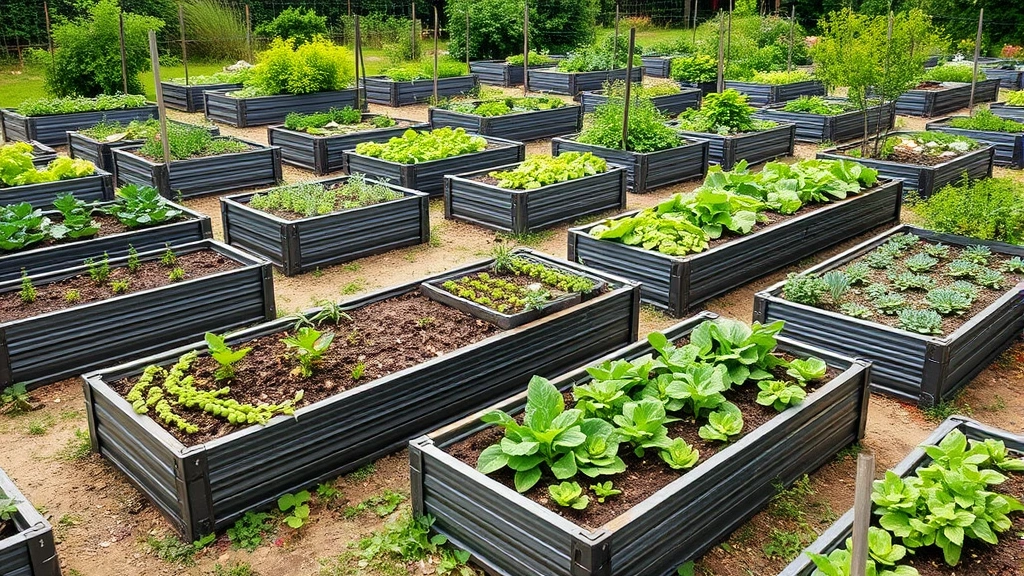
Galvanised iron beds offer remarkable design versatility that wood and plastic cannot match. The clean, industrial aesthetic complements modern landscapes, cottage gardens, and everything between. The silvery-gray finish photographs beautifully and becomes increasingly attractive as the protective patina develops, creating depth and visual interest that manufactured materials lack.
You can create complex configurations—tiered beds, curved sections, corner plantings—with galvanised iron that would require extensive carpentry with wood. The material’s structural strength allows for ambitious designs without engineering concerns. Many gardeners create stunning focal points with multi-level galvanised iron beds that serve as both functional growing spaces and landscape features.
For those developing a herb garden, galvanised iron beds offer perfect proportions and accessibility. The material’s smooth surface won’t splinter like aged wood, creating a safer environment for frequent harvesting and plant care. Herb gardens especially benefit from the aesthetic appeal—the refined appearance of galvanised iron complements the culinary and ornamental qualities of herbs.
The material accepts various finishing options. Some gardeners apply food-safe paint for color customisation, while others appreciate the natural weathered appearance. Unlike wood that requires regular staining or sealing, galvanised iron needs no finishing treatments to maintain function or appearance.
Soil Health and Plant Performance
One crucial advantage often overlooked: galvanised iron beds don’t leach harmful substances into soil. Untreated wood—especially old railroad ties or pressure-treated lumber—introduces arsenic, copper, and chromium into growing environments. Plastic beds can leach microplastics and chemical compounds, particularly when exposed to UV light and temperature fluctuations. Galvanised iron remains completely inert, creating a pure growing environment.
The thermal properties of galvanised iron benefit plant growth throughout the season. The material absorbs and radiates heat efficiently, moderating soil temperature swings that stress plants. In spring, the beds warm quickly, extending your growing season. In summer, the thermal mass prevents dangerous soil overheating. This natural temperature regulation proves especially valuable when growing mint in containers or establishing sensitive seedlings.
Drainage performance in galvanised iron beds surpasses alternatives because the smooth interior surface prevents soil compaction against walls. Water flows freely without creating anaerobic pockets. The material’s rigidity maintains proper slope and prevents settling that compromises drainage in plastic or composite beds.
Root systems thrive in galvanised iron beds because the temperature stability and drainage consistency create ideal conditions. Vegetable yields consistently exceed those from wood or plastic beds of similar size, according to university extension studies. Gardeners report 15-25% productivity increases when switching to galvanised iron, likely due to improved soil conditions and consistent growing environments.
Installation and Maintenance
Setting up galvanised iron raised beds requires minimal tools and expertise. Most systems arrive partially assembled, requiring only corner connection completion—typically 30 minutes to one hour per bed. Unlike wood that demands careful construction and wood sealing, galvanised iron beds go from box to productive garden with straightforward assembly.
Maintenance essentially doesn’t exist. No staining, sealing, or painting required. No wood splinter management. No plastic degradation concerns. Simply fill with quality soil, plant, and grow. Annual inspection takes minutes—simply verify corner connections remain tight and clear debris from edges. This simplicity appeals especially to busy gardeners who want to invest energy in plants rather than infrastructure maintenance.
If you use garden tools aggressively or experience accidental damage, galvanised iron beds withstand impacts that would crack plastic or splinter wood. A dented corner remains fully functional. The material’s forgiving nature means your beds survive the inevitable bumps and scrapes of active gardening.
The smooth interior surface prevents the root intrusion and soil degradation that occurs with wood. Perennial vegetables and long-term plantings remain undisturbed by deteriorating infrastructure. When you finally decide to redesign your garden after 25 years, your galvanised iron beds remain structurally sound and ready for new purposes.
Cost-Effectiveness Analysis
While galvanised iron beds require higher initial investment—typically $200-400 per 4×8 bed depending on depth and quality—the lifetime value proposition overwhelmingly favors this choice. Calculate annual costs over a 25-year lifespan: $300 initial investment ÷ 25 years = $12 per year. Compare this to cedar beds ($150 initial cost, 8-year lifespan = $18.75 per year) or composite alternatives ($250 initial cost, 12-year lifespan = $20.83 per year).
Additional cost savings accumulate through eliminated maintenance. No annual sealing treatments ($50-100 per bed). No replacement labor or disposal fees. No water treatment products needed to combat wood rot. Over decades, these savings compound significantly.
For serious gardeners planning long-term landscape development, galvanised iron beds offer superior return on investment. Professional market gardeners—those operating high-intensity vegetable production—almost exclusively choose galvanised iron because the cost-per-pound-of-produce calculation favours durability and consistency over initial economy.
Property value considerations matter too. Attractive, well-maintained raised beds enhance landscape appeal and suggest serious horticultural investment. Potential buyers recognise galvanised iron beds as premium infrastructure, potentially increasing property attractiveness in markets where edible landscaping appeals.
Seasonal Considerations
Galvanised iron beds perform exceptionally across all seasons, adapting to your region’s climate without requiring modifications. In spring, the material’s thermal properties warm soil quickly, allowing earlier planting compared to in-ground gardens. This extended season proves invaluable for cool-season crops and propagating plants from seed.
Summer heat presents no challenge. While plastic beds can warp and wood may dry-crack, galvanised iron maintains perfect form. The thermal mass moderates temperature swings, creating stability that prevents bolting in heat-sensitive crops. Moisture retention improves because the rigid structure prevents warping that creates air gaps.
Fall transitions into winter smoothly with galvanised iron beds. The material doesn’t become brittle in cold temperatures like plastic. Snow and ice accumulation cause no structural stress. Many gardeners extend seasons by using galvanised iron beds as frames for cold frames or low tunnels—the material’s strength handles the additional weight of coverings.
Winter storage of empty beds requires no special treatment. Unlike wood that requires covered storage or plastic that needs UV protection, galvanised iron beds can remain in place year-round, ready for spring planting. The protective zinc coating actually improves when exposed to weather, creating an increasingly robust surface.
When gardening with native plants or establishing cottage garden aesthetics, galvanised iron beds provide stable infrastructure that complements these design philosophies. The material’s longevity aligns perfectly with the slow, thoughtful development these gardening styles require.
FAQ
Are galvanised iron beds safe for vegetable gardening?
Yes, absolutely. Galvanised iron is inert and won’t leach harmful substances into soil or vegetables. The zinc coating is food-safe and widely used in commercial food production equipment. The USDA and extension services confirm galvanised steel as appropriate for edible gardens.
How long do galvanised iron beds actually last?
Properly installed galvanised iron beds typically last 25-30+ years. Many gardeners report beds functioning perfectly after 20 years with minimal maintenance. The zinc coating continues protecting the underlying steel throughout this period.
Can galvanised iron beds be moved or reconfigured?
Yes, though they’re substantial. A 4x8x12 inch bed weighs approximately 45-60 pounds empty. Multiple people can relocate beds, and the modular construction of most systems allows reconfiguration and expansion as your garden evolves.
Do galvanised beds rust?
Not significantly. The zinc coating prevents rust formation. Minor surface oxidation may occur in scratched areas, but this actually protects underlying steel through cathodic protection. True rust penetration is extremely rare in properly galvanised beds.
What’s the best soil depth for galvanised iron beds?
Most gardeners use 12-18 inches for vegetables, 6-12 inches for herbs and shallow-rooted plants. Galvanised iron beds accept any depth up to 24+ inches without structural concerns, allowing customisation for specific crops and growing conditions.
Are there any disadvantages to galvanised iron beds?
The primary considerations are initial cost and weight. Galvanised beds cost more upfront than wood alternatives, though lifetime value favours this investment. The material’s weight makes relocation more challenging than lighter alternatives, though this stability also prevents shifting and settling.
Can I paint galvanised iron beds?
Yes, using food-safe paint. The smooth galvanised surface requires special preparation—typically light sanding and primer designed for metal surfaces. Many gardeners prefer the natural weathered appearance, but painting offers color customisation options.


