Create a Cottage Garden? Expert Tips Inside
A cottage garden represents one of the most charming and accessible gardening styles, combining practicality with romantic aesthetics. Unlike formal gardens with their rigid symmetry, cottage gardens celebrate abundance, layering, and a delightfully informal arrangement of flowers, herbs, and vegetables. This timeless approach originated in rural England, where homeowners cultivated gardens purely for sustenance and beauty, without concern for structured design principles.
Whether you’re starting from scratch or transforming an existing landscape, creating a cottage garden is entirely achievable for gardeners of all skill levels. The beauty of this style lies in its flexibility—there are no strict rules, only guiding principles that encourage personal expression and seasonal discovery. In this comprehensive guide, we’ll explore everything from planning and plant selection to maintenance strategies that keep your cottage garden thriving year-round.
Understanding Cottage Garden Principles
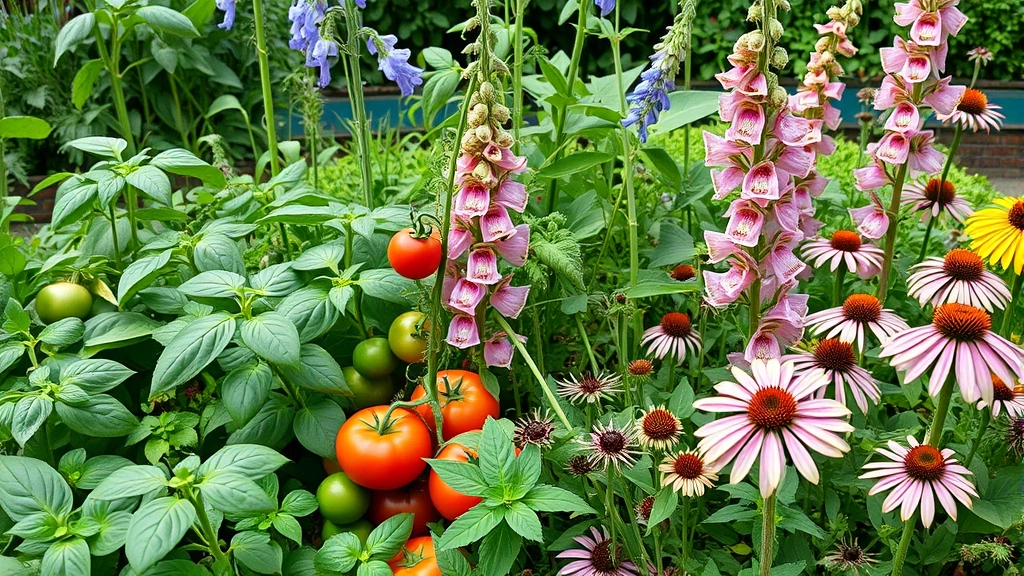
A cottage garden thrives on the principle of abundance and diversity. Rather than emphasizing individual specimens, this style celebrates the interplay of multiple plants creating layers of color, texture, and fragrance. The essence involves mixing ornamental flowers with edible plants, prioritizing function alongside beauty.
The fundamental characteristics include:
- Dense planting: Plants are positioned closely together, creating a full, lush appearance with minimal visible soil
- Mixed plantings: Perennials, annuals, shrubs, and herbs grow together in harmonious combinations
- Informal structure: Plants are allowed to self-seed and sprawl naturally, creating an organic, unmanicured look
- Year-round interest: Strategic plant selection ensures something blooms or provides visual appeal throughout all seasons
- Practical purpose: Vegetables, herbs, and fruit-bearing plants integrate seamlessly with ornamental specimens
Understanding these principles helps you make intentional design choices that align with cottage garden aesthetics. The style celebrates imperfection and encourages gardeners to embrace the natural growth patterns of plants rather than fighting against them.
Planning Your Layout and Design
Successful cottage gardens begin with thoughtful planning. Start by observing your space throughout the day, noting sunlight patterns, moisture levels, and existing structures. Most cottage gardens work best in spaces receiving 6-8 hours of direct sunlight, though partial shade gardens can be equally beautiful with appropriate plant selections.
Consider these design elements when planning your layout:
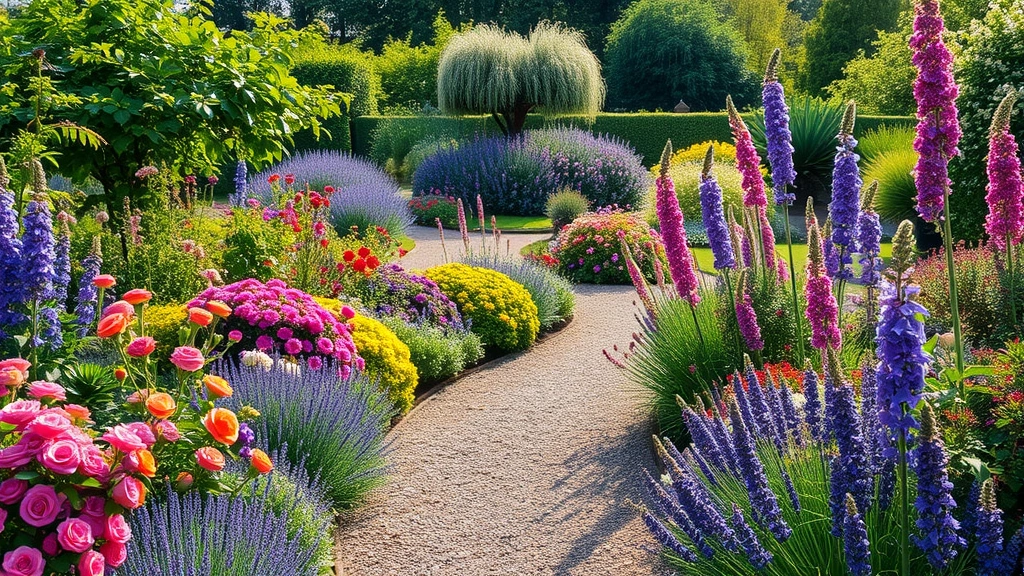
- Pathways: Create informal paths using gravel, stepping stones, or mulch. These guide visitors through the garden while maintaining the casual aesthetic. Winding paths feel more intimate than straight lines
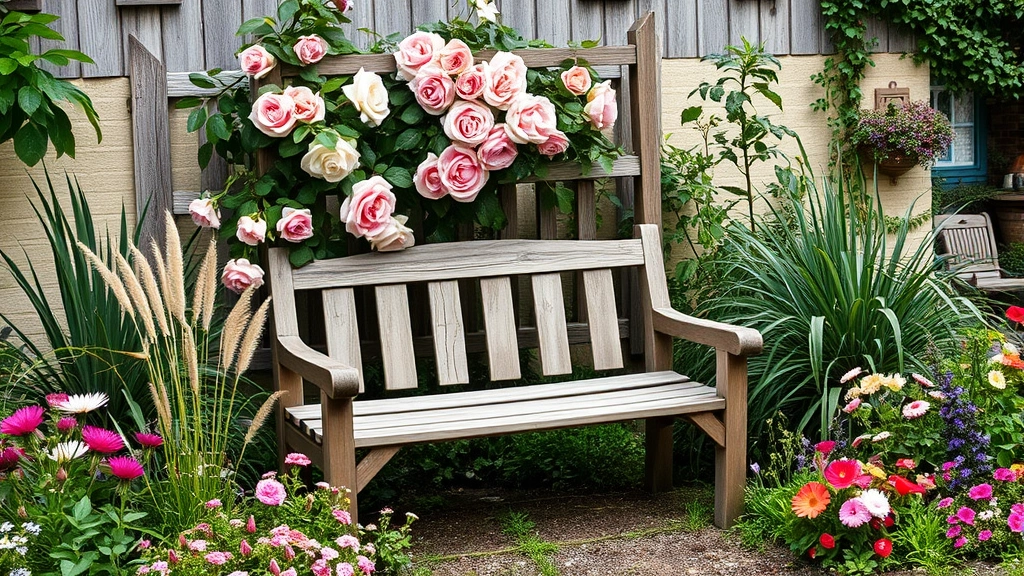
- Focal points: Incorporate a bench, small water feature, or ornamental structure to draw the eye and create gathering spaces
- Height variation: Layer plants by mature height, positioning taller specimens toward the back and shorter varieties in front, or create islands of height throughout
- Color flow: Plan color combinations that complement each season, avoiding clashing hues while ensuring visual interest year-round
Sketch your garden on paper, even roughly. Identify existing trees or structures you’ll work around, then mentally divide your space into planting zones. This doesn’t need to be precise—cottage gardens thrive on spontaneity—but a basic framework prevents overcrowding and ensures adequate growing space.
Start small if you’re new to gardening. A cottage garden in a 10×15 foot space can be just as enchanting as a larger one. You can always expand as you gain confidence and experience.
Selecting the Perfect Plants
Plant selection makes or breaks a cottage garden. The key is choosing varieties that thrive in your climate while providing continuous interest. Cottage gardens traditionally feature heirloom varieties, but modern cultivars work equally well if they match the aesthetic.
Essential flowering plants include:
- Roses (especially old-fashioned varieties): Fragrant blooms provide romantic appeal and attract pollinators
- Delphiniums and foxgloves: Tall spires create vertical interest and cottage charm
- Lavender: Aromatic flowers attract bees while providing purple tones and fragrance
- Peonies: Long-lived perennials offering abundant blooms and longevity
- Hollyhocks: Cottage garden staples reaching 4-6 feet tall with stunning flower spikes
- Coneflowers and black-eyed Susans: Cheerful yellows and purples that attract beneficial insects
- Dahlias: Dramatic blooms in numerous colors and forms for late-season interest
- Snapdragons and sweet peas: Fragrant annuals providing cut flowers and climbing interest
Incorporating edibles and herbs:
Cottage gardens blur the line between ornamental and edible. Integrate an herb garden directly into your beds rather than isolating it in a separate space. Culinary herbs like basil, thyme, sage, and oregano offer beautiful foliage and flowers while serving practical purposes. Growing cucumbers in pots or training them vertically on trellises adds another dimension without overwhelming the space.
Vegetables like tomatoes, beans, and leafy greens can be positioned throughout the garden, their foliage and flowers contributing to the overall design. Fruit-bearing shrubs such as currants or gooseberries provide structure while offering harvests.
Foliage plants for texture:
Don’t overlook foliage plants that provide texture and contrast. Hostas, ferns, coral bells, and ornamental grasses create visual depth when positioned among flowering plants. Silver-leafed plants like artemisia or dusty miller brighten shady areas and provide elegant contrast to darker flowers.
Soil Preparation and Foundation
Excellent soil is fundamental to cottage garden success. Before planting, invest time in preparing garden soil for a thriving garden. Most plants thrive in well-draining soil rich in organic matter.
Soil preparation steps:
- Test your soil’s pH and nutrient levels through your local extension service
- Remove existing grass or weeds using a sod cutter or by smothering with cardboard
- Incorporate 3-4 inches of compost or aged manure into the top 8-10 inches of soil
- Add perlite or coarse sand if your soil tends toward compaction
- Consider raised beds if native soil quality is poor
Building healthy soil creates a strong foundation for long-term garden success. Well-amended soil retains moisture during dry periods while draining excess water, supports beneficial microbial life, and provides nutrients that reduce fertilizer needs.
Creating Seasonal Interest
The most beautiful cottage gardens offer something special throughout the year. Strategic plant selection ensures your garden transitions gracefully through seasons rather than peaking in summer then fading.
Spring bloomers: Hellebores, primroses, bleeding hearts, and early bulbs like tulips and daffodils provide color when gardens are waking. These plants often bloom while trees remain leafless, offering unobstructed beauty.
Summer abundance: This is when cottage gardens truly shine, with roses, delphiniums, dahlias, and countless annuals creating full, colorful displays. Regular deadheading encourages continuous blooming and maintains the garden’s vitality.
Fall transitions: Asters, sedum, rudbeckia, and ornamental grasses shift the palette toward warm golds, deep purples, and russets. These plants extend the growing season and support pollinators preparing for winter.
Winter structure: Evergreen shrubs, ornamental grasses with persistent seed heads, dried flower stalks, and colorful bark provide visual interest during dormant months. Hellebores and winter-blooming heathers ensure occasional flowers even in coldest seasons.
Hardscape and Garden Decor Elements
While plants form the cottage garden’s soul, hardscape elements and decorative touches provide structure and personality. Garden decor should feel organic and purposeful rather than cluttered or excessive.
Hardscape considerations:
- Pathways: Gravel, brick, or stepping stones create practical routes while enhancing aesthetics
- Edging: Low borders of stone, brick, or metal define beds while maintaining the informal feel
- Seating: A simple bench or chair invites lingering and contemplation
- Water features: A small birdbath, fountain, or pond creates focal points and attracts wildlife
- Structures: A rustic arbor, fence, or trellis provides vertical interest and support for climbing plants
Vintage elements like old watering cans, terracotta pots, or reclaimed wood add character without feeling contrived. The key is restraint—each element should serve a purpose or contribute meaningfully to the overall aesthetic.
Maintenance and Care
Cottage gardens require regular maintenance to thrive, though the work is often enjoyable and meditative. The goal is nurturing growth while allowing plants their natural character.
Regular tasks include:
- Deadheading: Removing spent flowers encourages continued blooming and prevents excessive self-seeding
- Watering: Most established gardens need about 1-2 inches weekly, delivered at soil level rather than overhead
- Weeding: Regular removal of unwanted seedlings prevents them from overwhelming intentional plantings
- Staking and support: Tall plants like delphiniums and dahlias benefit from discreet staking or support structures
- Dividing perennials: Every 3-4 years, divide crowded perennials to maintain vigor and create new plants
- Mulching: A 2-3 inch layer of organic mulch conserves moisture, moderates soil temperature, and suppresses weeds
Incorporate a rain garden design if your property experiences runoff issues, addressing both practical drainage and aesthetic concerns while supporting native plants and pollinators.
Consider joining a community garden to connect with other gardeners, share knowledge, and access resources for your cottage garden journey.
Cottage gardens reward attention without demanding perfection. Some self-seeding is desirable, creating spontaneous combinations and reducing replanting work. Allow plants to mature naturally, resisting the urge to prune excessively or maintain rigid shapes.
Seasonal maintenance calendar:
Spring: Clear winter debris, divide overgrown perennials, plant annuals, apply fresh mulch. Summer: Water during dry spells, deadhead flowers, stake tall plants, harvest vegetables and herbs. Fall: Cut back spent perennials, divide spring bloomers, plant spring bulbs, collect seeds from favorite plants. Winter: Plan next season’s improvements, maintain structures, provide winter interest through selective pruning.
FAQ
What’s the minimum space needed for a cottage garden?
Cottage gardens work beautifully in spaces as small as 8×10 feet. The key is dense planting and thoughtful plant selection rather than square footage. Container gardens and vertical growing expand possibilities in limited spaces.
Can I create a cottage garden in shade?
Absolutely. Shade cottage gardens thrive with hostas, ferns, hellebores, bleeding hearts, and shade-tolerant perennials. Focus on foliage texture and white or pale flowers that brighten shady areas.
How much does establishing a cottage garden cost?
Costs vary widely depending on space size and soil conditions. Starting small with seeds and divisions from established plants keeps expenses manageable. Budget $300-800 for a modest-sized garden, more if hiring professionals or purchasing large specimens.
Are cottage gardens high-maintenance?
Cottage gardens require regular attention but are manageable for dedicated gardeners. The work involves deadheading, weeding, and staking rather than complex pruning or specialized techniques. Many gardeners find maintenance meditative and enjoyable.
When’s the best time to start a cottage garden?
Spring and fall offer ideal conditions for planting. Spring allows establishment before summer heat, while fall provides excellent growing conditions for fall and spring bloomers. However, gardeners can plant whenever conditions permit in their region.
How do I prevent my cottage garden from becoming weedy?
Dense planting with well-established perennials naturally suppresses weeds. Consistent mulching, regular weeding of seedlings, and avoiding leaving bare soil between plants all contribute to weed control without chemicals.
Can I grow vegetables in a cottage garden?
Yes, vegetables integrate beautifully into cottage gardens. Tomatoes, beans, lettuce, and herbs grow alongside ornamental plants, creating productive, beautiful spaces. Choose varieties with attractive foliage or flowers for maximum visual appeal.