Creating a Chinese Garden: Design Principles, Plants, and Cultivation Tips
A Chinese garden represents centuries of horticultural philosophy, blending aesthetics with practical plant cultivation. Unlike Western gardens that often emphasize symmetry and formal arrangements, Chinese gardens celebrate natural beauty, balance, and the harmonious coexistence of water, stone, plants, and architecture. Whether you’re inspired by the name “China Garden Buffet” or genuinely interested in authentic Chinese garden design, this comprehensive guide will help you understand and implement these timeless gardening principles in your own landscape.
Chinese gardens originated during the 11th century and have evolved into sophisticated outdoor spaces that reflect Taoist and Buddhist philosophies. The integration of native plants, water features, and carefully selected ornamental specimens creates an environment that promotes tranquility and connection with nature. By understanding these design principles and learning which plants thrive in Chinese garden settings, you can transform your yard into a peaceful sanctuary that combines beauty with horticultural knowledge.
Core Principles of Chinese Garden Design
Chinese gardens operate on fundamental philosophical principles that distinguish them from other garden styles. The concept of “yin and yang” balance applies directly to plant selection and spatial arrangement. Yin elements include shade, water, and soft textures, while yang elements encompass light, stone, and angular forms. A well-designed Chinese garden seamlessly integrates both, creating visual harmony and psychological calm.
The principle of “borrowed scenery” suggests that your garden should frame and incorporate surrounding landscapes, whether distant mountains or neighboring trees. This technique maximizes the sense of space and creates depth within even modest garden areas. When planning your Chinese garden layout, consider sight lines, viewing angles, and how plants will frame or complement background elements.
Pathway design plays a crucial role in Chinese garden philosophy. Winding paths encourage slow movement and contemplation, allowing visitors to discover new perspectives at each turn. Rather than straight walkways, curved paths lined with carefully selected plantings create anticipation and reveal garden elements gradually. This design approach contrasts sharply with formal Western gardens and promotes a meditative experience.
The concept of “emptiness” or negative space is equally important as planted areas. Open spaces provide visual rest, emphasize featured plants, and allow energy to flow throughout the garden. When you’re planning how to start a flower garden with Chinese design elements, remember that restraint in planting often creates more impact than crowding specimens together.
Essential Plants for Chinese Gardens
Specific plant species hold cultural significance in Chinese gardens and are traditionally selected for their aesthetic and symbolic properties. The “Four Gentlemen” plants—plum (Prunus mume), orchid (Dendrobium), bamboo (Phyllostachys), and chrysanthemum (Chrysanthemum morifolium)—represent virtue, elegance, integrity, and longevity respectively. These species appear frequently in authentic Chinese garden designs and offer excellent options for temperate climate cultivation.
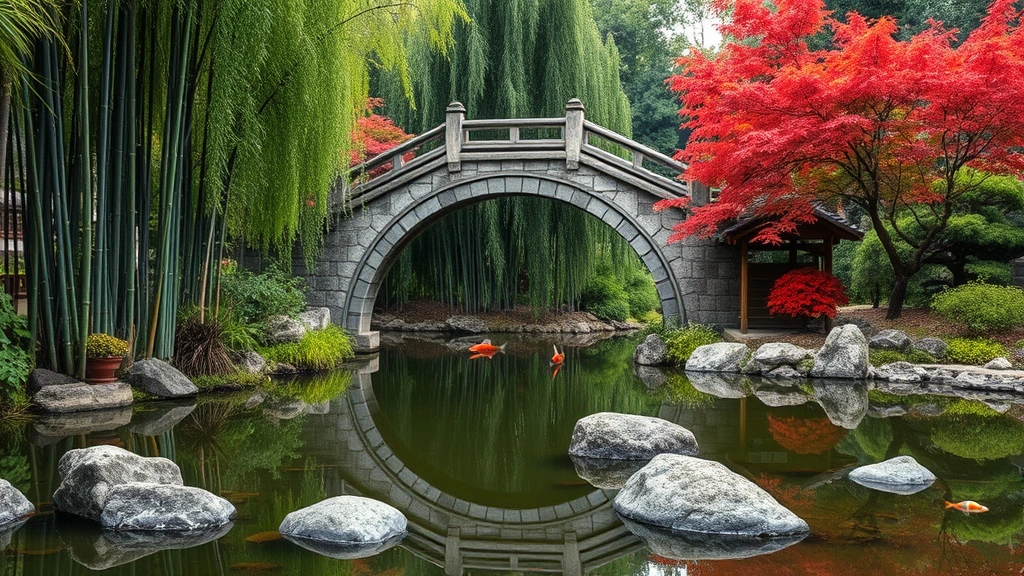
Bamboo serves as a cornerstone plant in Chinese gardens, valued for its graceful vertical growth, rustling leaves, and symbolic representation of resilience. Clumping bamboo varieties like Fargesia robusta work well in contained spaces and won’t aggressively spread. When establishing bamboo, ensure proper spacing and consider installing rhizome barriers to control expansion. Bamboo thrives in well-draining soil and partial shade, though some varieties tolerate full sun with adequate moisture.
Japanese Maple (Acer palmatum) provides delicate foliage, elegant branching structure, and brilliant seasonal color changes. These trees reach 15-25 feet depending on variety and prefer partial shade with protection from harsh afternoon sun. Their fine-textured leaves create dappled shade ideal for underplanting with shade-tolerant specimens. When selecting Japanese Maples for your garden, choose cultivars suited to your USDA hardiness zone for optimal performance.
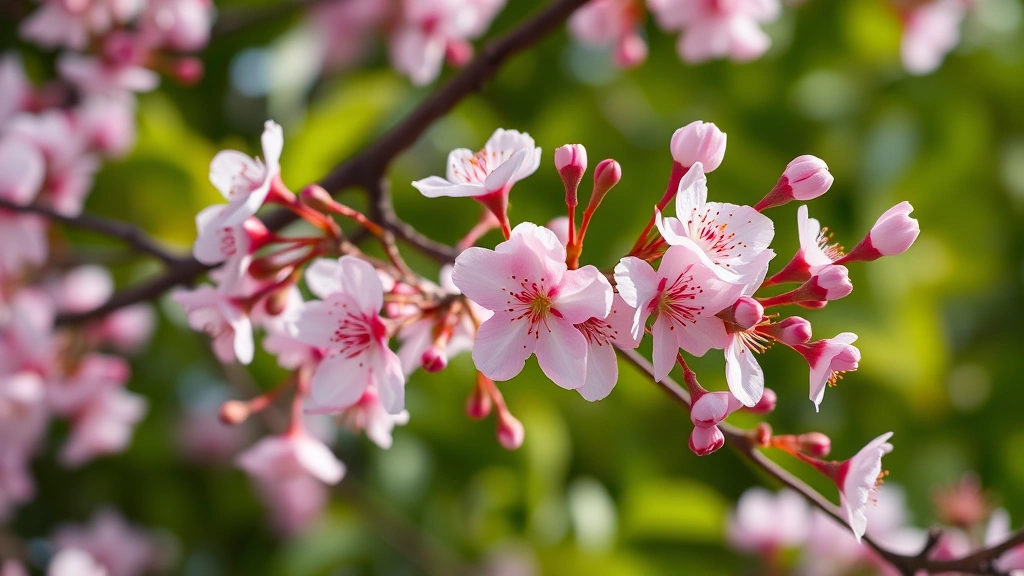
Flowering Plum (Prunus mume) blooms early in spring with fragrant flowers ranging from white to deep pink. This deciduous tree serves as a focal point during late winter and early spring when few other plants flower. Prunus mume requires full sun, well-draining soil, and moderate water during establishment. Regular pruning maintains attractive branching structure and encourages flowering.
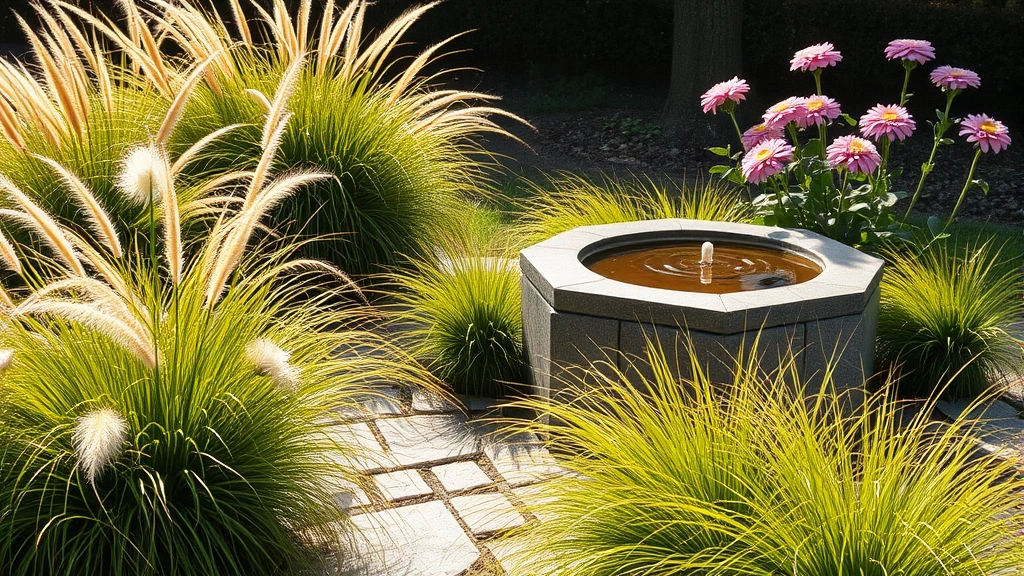
Ornamental Grasses like Miscanthus and Panicum add movement, texture, and seasonal interest. Their fine foliage contrasts beautifully with broader-leaved plants and creates soft, rustling sounds in wind. These grasses work exceptionally well when combined with water features, as their reflections enhance the garden’s visual depth. For easy to grow vegetables for beginners interested in ornamental plantings, grasses offer low-maintenance beauty.
Chrysanthemums bloom in autumn, providing color when many gardens fade. Traditional Chinese cultivars offer unusual forms and rich color palettes. These herbaceous perennials prefer full sun and well-draining soil. Pinching back growth in early summer encourages bushier plants with more flowers. Divide established clumps every 2-3 years to maintain vigor and prevent overcrowding.
Peonies (Paeonia species) represent wealth and prosperity in Chinese culture. These long-lived perennials produce spectacular blooms and glossy foliage. Peonies require cold winters for proper flowering and prefer full sun to partial shade. Allow newly planted peonies 2-3 years to establish before expecting prolific flowering. Their substantial root systems make them drought-tolerant once established.
Water Features and Stone Elements
Water represents life force and spiritual energy in Chinese philosophy. Whether incorporating a formal pond, recirculating stream, or simple water basin, water features create movement, sound, and reflection that enhance garden aesthetics. Koi ponds serve both decorative and practical purposes, though they require significant maintenance including filtration systems, regular cleaning, and seasonal care protocols.
Stone placement reflects careful consideration of natural rock formations and geological principles. Rather than randomly positioning rocks, Chinese gardens feature strategically placed stones that suggest mountains, cliffs, or water-worn forms. Larger statement rocks serve as focal points, while smaller specimens create visual rhythm and guide movement through the space. Weathered stone develops character and patina that complements aged plants and architectural elements.
Stone pathways, bridges, and stepping stones integrate water features with dry garden areas. Arched bridges create visual interest while symbolically connecting different garden zones. Stepping stones through planted areas encourage exploration and provide practical access for maintenance. When selecting stone materials, choose varieties that coordinate with your region’s natural geology for authentic appearance.
Consider integrating raised beds or container gardens into your Chinese garden design. This approach works particularly well when you’re exploring the advantages of raised bed gardening. Stone or wood containers elevate plantings, improve drainage, and create architectural interest while accommodating plants with specific soil requirements.
Seasonal Considerations and Plant Care
Chinese gardens celebrate seasonal transitions through strategic plant selection and thoughtful design. Spring brings delicate flowering trees like cherry and plum, followed by lush foliage growth. Summer emphasizes shade, water features, and flowering perennials. Autumn showcases maple foliage, chrysanthemum blooms, and ornamental grass seed heads. Winter reveals branch structure and evergreen framework while early-flowering plants provide subtle color.
When planning your garden layout, consider bloom times, foliage color changes, and dormancy periods to ensure year-round visual interest. This approach prevents seasonal gaps and maintains the garden’s function as a contemplative space throughout the year. Understanding your regional climate and growing conditions ensures successful cultivation of traditional Chinese garden plants.
Proper soil preparation provides the foundation for healthy plant growth. Learn how to prepare garden soil for a thriving garden to create optimal growing conditions for your specimens. Chinese garden plants typically prefer well-draining soil with moderate organic matter content. Amending heavy clay soils with compost, aged manure, or peat moss improves drainage and nutrient availability.
Watering practices should reflect natural precipitation patterns in your region. Most Chinese garden plants prefer consistent moisture during growing seasons but tolerate drier conditions once established. Drip irrigation systems deliver water efficiently while minimizing foliage wetting that encourages fungal diseases. Monitor soil moisture regularly, especially during establishment periods and extreme weather conditions.
Creating Balance with Native Plants
While traditional Chinese gardens emphasize specific species with cultural significance, incorporating gardening with native plants enhances sustainability and ecological function. Native species adapted to your local climate require less maintenance, water, and pest management while supporting local wildlife populations. Consider native alternatives to traditional Chinese plants that offer similar aesthetic qualities and cultural symbolism.
For example, if authentic Chinese plants prove challenging in your climate, select native species with comparable growth habits, seasonal interest, or symbolic value. Native shade-loving plants can replace difficult-to-grow specimens, native grasses substitute for exotic ornamental varieties, and native flowering plants provide color while supporting pollinators and beneficial insects.
This balanced approach respects horticultural principles while honoring environmental stewardship. Your Chinese-inspired garden becomes a thriving ecosystem that attracts butterflies, birds, and beneficial insects while maintaining the peaceful aesthetic principles central to Chinese garden philosophy. The result is a beautiful, sustainable landscape that reflects both cultural inspiration and ecological responsibility.
Consultation with local extension services helps identify native plants that complement your Chinese garden design. Many regions maintain databases of native species organized by growing conditions, bloom times, and wildlife value, making it easier to select appropriate specimens for your specific location and design goals.
Maintenance and Year-Round Management
Successful Chinese gardens require consistent maintenance that respects the plants’ natural growth habits while refining their structure. Pruning should enhance rather than fight a plant’s inherent form. Japanese maples, flowering plums, and other specimen trees benefit from selective pruning that removes crossing branches, deadwood, and crowded interior growth while maintaining natural silhouette.
Bamboo requires regular attention to prevent excessive spreading and maintain desired height. Remove lower branches to create elevated canopy effects and reveal graceful culm (stem) structure. Thin congested clumps by removing the oldest culms at ground level, encouraging new vigorous growth. This selective thinning maintains plant health while creating the open, airy appearance characteristic of well-designed bamboo groves.
Herbaceous perennials like chrysanthemums and peonies benefit from division every few years. This practice rejuvenates older plants, prevents overcrowding, and provides propagation material for expanding plantings. Divide perennials during their dormant season—fall for spring bloomers, spring for fall bloomers—to minimize stress and promote quick establishment.
Deadheading spent flowers extends blooming periods and directs plant energy toward new flower production rather than seed development. This practice applies to chrysanthemums, peonies, and other flowering specimens. However, leave some flowers to mature for ornamental seed heads that provide winter interest and food sources for wildlife.
Mulching around plants conserves soil moisture, moderates temperature fluctuations, and suppresses weeds. Use 2-3 inches of organic mulch like shredded bark or compost, keeping material several inches away from tree and shrub stems to prevent rot and pest damage. Refresh mulch annually as it decomposes and settles.
Pest and disease management in Chinese gardens emphasizes prevention through proper cultural practices. Ensure adequate air circulation, avoid overhead watering, and remove diseased plant material promptly. Most ornamental plants thrive with minimal pest intervention when grown in appropriate conditions with proper spacing and maintenance. Monitor plants regularly to catch problems early before they become serious issues.
Winter preparation varies by region and plant selection. In cold climates, protect tender species with burlap wrapping or temporary structures. Reduce watering as plants enter dormancy, though established specimens require occasional moisture during dry winters. Cut back herbaceous perennials after frost kills foliage, leaving ornamental grasses standing through winter for structural interest and wildlife shelter.
FAQ
What are the best plants for a beginner’s Chinese garden?
Start with hardy, low-maintenance plants like bamboo, ornamental grasses, and Japanese maple. These species tolerate various growing conditions and require minimal specialized care. As you gain experience and understanding of your site’s specific conditions, gradually add more demanding specimens like flowering plum or peonies.
Can I create a Chinese garden in a small space?
Absolutely. Chinese garden principles emphasize quality over quantity and often work beautifully in compact spaces. Container gardens, vertical plantings, and strategic use of negative space create sophisticated designs even in small yards. Focus on specimen plants, careful rock placement, and simple water features rather than attempting to replicate large garden layouts.
How much sunlight do Chinese garden plants require?
Requirements vary by species. Bamboo, ornamental grasses, and flowering plums prefer full sun to partial shade. Japanese maples tolerate partial shade and often appreciate afternoon shade protection in hot climates. Chrysanthemums and peonies prefer full sun for optimal flowering. Observe your site’s light patterns throughout the day and seasons to match plants appropriately.
What’s the ideal soil composition for Chinese gardens?
Most Chinese garden plants prefer well-draining soil with moderate organic matter content. Amend heavy clay with compost or aged manure to improve drainage. Avoid waterlogged conditions that cause root rot, particularly in winter. Test soil pH and adjust if necessary—most ornamental plants thrive in slightly acidic to neutral soil (pH 6.0-7.0).
When should I prune my Chinese garden plants?
Timing depends on plant type and blooming period. Prune spring-flowering trees like plum after blooming ends. Summer-flowering plants and perennials benefit from pruning in late winter before growth resumes. Avoid heavy pruning in fall, which encourages tender new growth vulnerable to frost. Remove deadwood and diseased branches anytime they appear.
How do I integrate water features safely?
Start with simple options like recirculating fountains or water basins before attempting complex pond systems. Ensure proper drainage and prevent water stagnation that attracts mosquitoes. If including fish, invest in appropriate filtration and maintenance systems. Consult with water gardening specialists or local extension services for site-specific guidance.
For additional information about ornamental plant cultivation and garden design, consult the American Horticultural Society, Native Plant Society resources, United States Botanic Garden, your local USDA extension office, or regional Master Gardener programs for personalized recommendations suited to your specific location and growing conditions.


