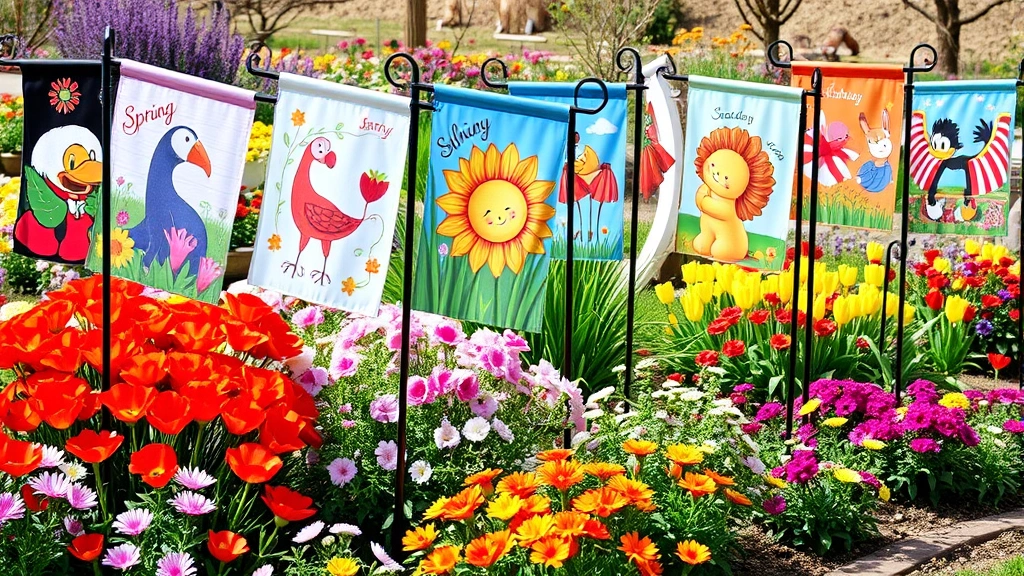
Garden Flags Ideas: Expert Tips for Stunning Outdoor Decor
Garden flags are one of the most versatile and accessible ways to personalize your outdoor space while expressing your seasonal spirit and garden style. Whether you’re welcoming guests to a vegetable patch, marking flower beds, or simply adding visual interest to your landscape, garden flags offer endless creative possibilities. These charming decorative pieces can transform an ordinary yard into a reflection of your personality and gardening passion.
Beyond their aesthetic appeal, garden flags serve practical purposes in the garden. Many gardeners use them to mark plant locations, identify different garden zones, or create visual focal points that guide the eye through the landscape. From traditional patriotic designs to custom botanical illustrations, the options are virtually limitless for creating a garden that truly feels like your own.
Choosing the Right Garden Flag Style
Selecting the perfect garden flag style requires considering your overall landscape aesthetic and personal preferences. Start by evaluating your home’s architectural style and existing color palette. A cottage garden might feature whimsical, hand-painted designs with botanical themes, while a modern minimalist landscape calls for clean lines and contemporary imagery. The beauty of garden flags lies in their ability to complement virtually any garden design philosophy.
Consider the primary purpose of your flag. Are you creating ambiance during specific seasons, marking important garden areas, or simply adding decorative flair? Flags designed for flower gardens often feature floral motifs and pastels, while vegetable garden markers might showcase illustrated produce or informational designs. Think about whether you want your flags to blend harmoniously with your plants or create bold contrasting statements that draw attention.
Size matters significantly when choosing garden flags. Standard flags typically measure 12×18 inches, though variations range from small 8×12 inch markers to larger 18×24 inch statement pieces. Larger flags work well as focal points near garden entrances or seating areas, while smaller flags excel at marking specific plant locations or defining garden bed edges. The proportion should relate to your overall garden space—oversized flags can overwhelm a small garden, while tiny flags disappear in expansive landscapes.
Seasonal Garden Flag Ideas
Rotating seasonal garden flags keeps your outdoor space feeling fresh and connected to the natural rhythm of the year. Spring flags featuring pastel colors, blooming flowers, and garden-themed imagery celebrate renewal and new growth. Incorporate designs with butterflies, bees, seedlings, or gardening tools to emphasize the season’s planting energy. Many gardeners display spring flags from March through May, welcoming the growing season with cheerful enthusiasm.
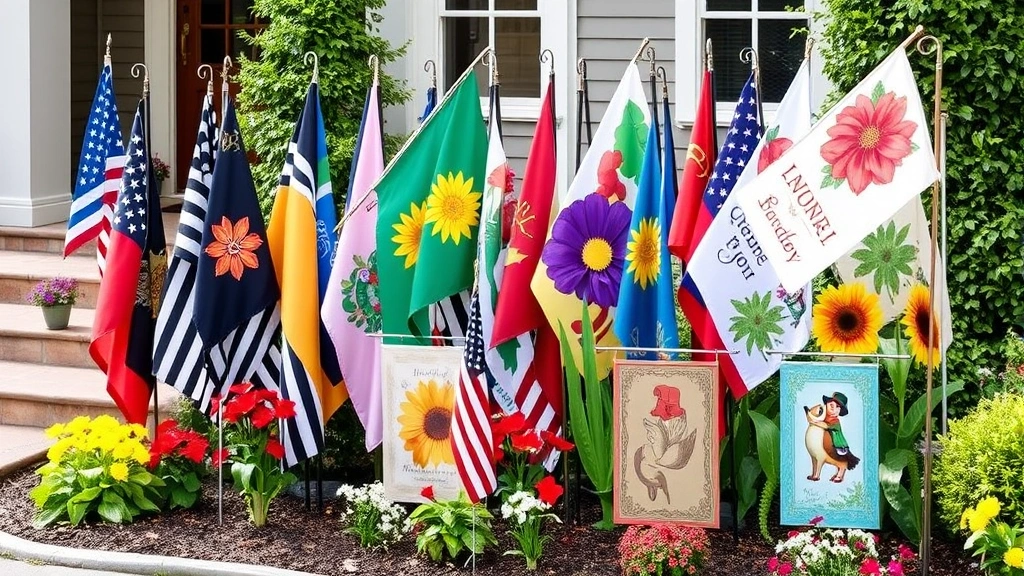
Summer garden flags embrace bold colors, vibrant botanicals, and sun-inspired designs. Flags featuring sunflowers, tomatoes, berries, and bright geometric patterns capture the season’s abundance. Summer is ideal for flags celebrating harvest themes or displaying patriotic designs if you’re planning Fourth of July gatherings. This season offers opportunities to showcase flags related to container gardening projects or highlight specific crops you’re cultivating.
Fall transforms the garden with rich oranges, deep reds, and golden yellows. Autumn flags featuring pumpkins, corn stalks, falling leaves, and harvest imagery celebrate the season’s bounty. This is an excellent time to display flags marking the transition to cooler-season planting. Many gardeners use fall flags to commemorate Thanksgiving, create Halloween-themed displays, or highlight berry harvests and late-season produce.
Winter garden flags bring warmth and cheer during the dormant season. Designs featuring snowflakes, evergreens, holiday themes, and cozy garden scenes provide visual interest when gardens are less active. Winter flags offer opportunities for festive displays, celebrating the holidays while maintaining garden-focused aesthetics. Many gardeners appreciate winter flags that acknowledge the season’s beauty rather than completely obscuring the landscape with holiday decorations.
Placement Strategies for Maximum Impact
Strategic placement dramatically enhances garden flag effectiveness and visual appeal. The most impactful location is near your garden’s primary entry point—whether that’s a gate, pathway entrance, or the transition from patio to garden beds. Flags positioned at eye level when visitors first encounter your garden create memorable impressions and set the tone for the entire space.
Consider creating focal point clusters by grouping multiple flags near significant garden features. A collection of flags near a seating area, water feature, or specimen plant draws attention and creates visual interest. Alternatively, space flags along pathways to guide movement through the garden while maintaining sightlines and preventing overcrowding. This technique works particularly well for larger properties where flags can mark different zones or garden rooms.
Vertical placement matters as much as horizontal positioning. Mount flags on sturdy stakes driven firmly into the ground, ensuring they stand 24-30 inches tall for optimal visibility. Flags positioned among plant foliage create charming surprises for visitors exploring the garden. However, avoid placing flags where they’ll be completely obscured by growing plants or where they might interfere with your gardening workflow. Consider wind patterns and sun exposure—flags in consistently windy areas may require reinforced stakes, while those in full sun benefit from fade-resistant materials.
Grouping flags by theme or color creates cohesive visual statements. Three to five flags of complementary designs clustered together create more impact than the same flags scattered randomly throughout the space. This arrangement technique works beautifully near tool storage areas or along garden bed borders, providing both decoration and practical organization.
DIY Custom Garden Flag Projects
Creating personalized garden flags allows you to express creativity while producing one-of-a-kind outdoor decor. Start with blank flag blanks available from craft suppliers or online retailers. These typically feature pre-sewn pockets designed for standard poles, eliminating the need for complex sewing skills. Select high-quality materials like polyester or cotton blends that resist fading and withstand weather exposure.
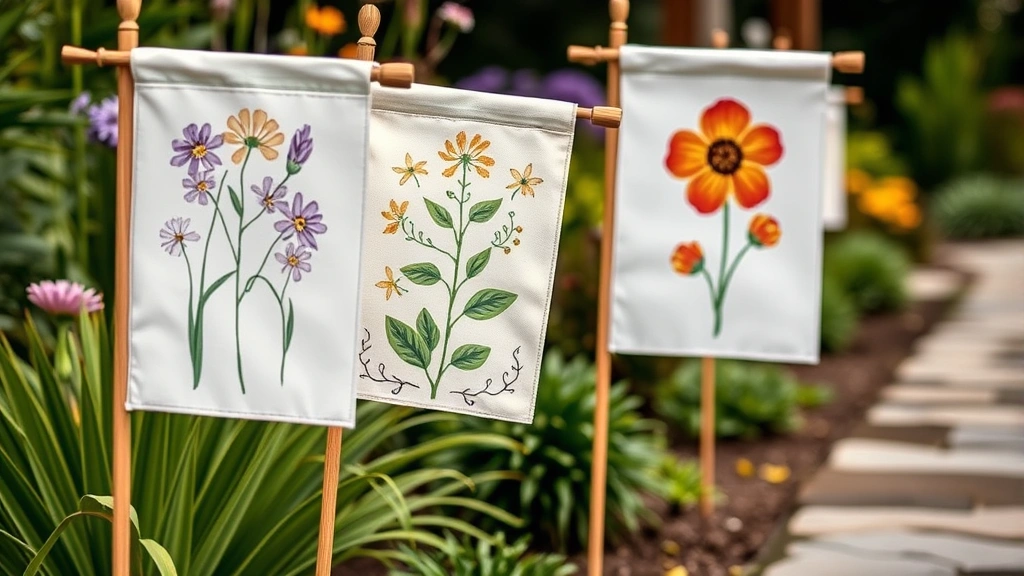
Hand-painting designs directly onto flag fabric offers complete creative control. Acrylic paint formulated for outdoor use provides excellent adhesion and weather resistance. Sketch your design lightly with pencil first, then apply paint using brushes, sponges, or stencils. Popular DIY designs include personalized family names, botanical illustrations of plants you’re cultivating, or humorous gardening quotes. Allow paint to cure fully according to manufacturer instructions before displaying flags outdoors.
Fabric printing techniques create professional-looking results without extensive artistic skills. Transfer paper methods allow you to print designs from your computer directly onto flag fabric. Alternatively, explore screen printing if you’re creating multiple identical flags. These techniques work particularly well for reproducing photographs of your garden, featuring specific plant illustrations, or displaying custom text identifying different garden zones.
Appliqué designs add dimension and texture to garden flags. Cut shapes from contrasting fabric and stitch or glue them onto your flag base. This technique creates particularly striking results with botanical themes—green leaves, colorful flowers, and detailed plant shapes become sculptural elements. Ensure all adhesives are waterproof and rated for outdoor use to prevent deterioration.
Photo transfer techniques immortalize special garden memories on flags. Transfer photos of favorite plants, garden moments, or family members enjoying the outdoor space. These personalized flags become meaningful keepsakes while celebrating your gardening journey. Consider creating a rotating display of photo flags throughout the season, highlighting different plants and garden activities.
Materials and Durability Considerations
Selecting weather-resistant materials ensures your garden flags maintain beauty and functionality throughout seasons of outdoor exposure. Polyester flags offer superior fade resistance compared to natural fabrics, maintaining vibrant colors after extended sun exposure. High-quality polyester withstands moisture, wind, and temperature fluctuations without deteriorating. This material remains the industry standard for outdoor flags because of its reliability and longevity.
Cotton flags provide natural aesthetic appeal and feel authentic to traditional garden aesthetics, though they require more maintenance and fade faster than synthetic alternatives. If you prefer cotton’s appearance, choose flags with UV-protective treatments that extend color life. Blended fabrics combining cotton and polyester offer compromise solutions, providing natural appearance with improved durability.
Flag poles and mounting hardware deserve equal attention to fabric selection. Galvanized steel stakes resist rust and corrosion, maintaining structural integrity through seasons of weather exposure. Alternatively, fiberglass poles offer lightweight durability without rust concerns. Ensure mounting hardware is rated for outdoor use and sized appropriately for your flag dimensions—undersized stakes may bend under wind pressure, while oversized hardware appears disproportionate and detracts from aesthetic appeal.
UV-protective coatings significantly extend flag lifespan by preventing color fading and material degradation. Many premium flags include protective treatments applied during manufacturing. If purchasing untreated flags, consider applying UV-protective fabric spray annually to maintain color vibrancy and prevent weathering. This maintenance investment pays dividends in flag longevity and appearance.
Consider your regional climate when selecting flag materials. Coastal gardeners benefit from corrosion-resistant poles and fade-proof fabrics that withstand salt spray and intense sun. Northern gardeners should prioritize flags rated for freeze-thaw cycles and heavy snow loads. Desert gardeners need exceptional UV protection and materials that tolerate extreme temperature fluctuations. Matching materials to your climate ensures flags remain beautiful and functional year-round.
Garden Flags for Different Plant Zones
Different garden areas benefit from flags designed specifically for their purpose and plant types. Vegetable gardens thrive with informational flags identifying crops, planting dates, and harvest schedules. Create flags featuring vegetable illustrations or plant names to help organize garden beds. This practical approach combines decoration with functionality, helping you track what’s planted where. Flags work beautifully for marking rows of container-grown vegetables or identifying succession plantings.
Herb garden flags celebrate culinary plants while providing practical identification. Design flags featuring herb illustrations, common uses, or planting information. Flags near herb clusters help visitors identify basil, rosemary, thyme, and other culinary plants. This approach proves especially valuable in formal herb gardens where visual organization enhances both aesthetics and functionality.
Perennial beds benefit from flags marking plant locations, especially during dormant seasons when established plants aren’t immediately recognizable. Spring flags help gardeners remember where summer bloomers emerge, preventing accidental damage during early-season cultivation. Flags can indicate bloom times, mature heights, or color characteristics, helping garden visitors appreciate the space’s seasonal transformation.
Container garden displays showcase flags beautifully among potted plants. Flags positioned among container-grown specimens add vertical interest and visual variety. This approach works particularly well for patio gardens, entryway displays, or container collections showcasing seasonal plantings.
Pollinator gardens benefit from flags celebrating bees, butterflies, and beneficial insects. Botanical designs featuring nectar plants, informational flags about pollinators, or flags encouraging conservation create meaningful outdoor spaces. These flags communicate your gardening philosophy while educating visitors about ecological importance. Consider flags featuring native plants that support local pollinator populations.
Shade garden flags should feature designs visible in low-light conditions. Light-colored flags with dark imagery provide better visibility than dark flags with subtle patterns. Reflective materials or metallic accents catch available light, making flags more noticeable in shaded areas. This practical consideration ensures flags remain decorative assets rather than invisible elements.
Water garden flags celebrate aquatic plants and features. Designs featuring water lilies, lotus flowers, dragonflies, or water-themed imagery enhance fountain areas, pond edges, or rain garden displays. Waterproof materials and corrosion-resistant hardware are essential for flags positioned near water features, preventing rust and material degradation from moisture exposure.
FAQ
What size garden flag is best for average residential gardens?
Standard 12×18 inch flags work well for most residential gardens, providing sufficient visibility without overwhelming the space. Adjust sizing based on viewing distance—flags visible from farther away benefit from larger dimensions, while flags viewed up close can be smaller. Consider your garden’s scale and sightlines when selecting flag dimensions.
How often should I replace garden flags?
Quality flags last 2-3 years with proper care and maintenance. UV-protective treatments extend lifespan significantly. Replace flags sooner if they show visible fading, material degradation, or structural damage. Regular cleaning and occasional protective coating applications help maintain flags throughout their lifespan.
Can garden flags damage plants or interfere with growth?
Properly positioned flags don’t damage plants or interfere with growth. Position flags where they won’t obstruct sunlight or create competition for space. Ensure flag stakes are driven securely into soil without damaging existing root systems. Avoid placing flags directly against plant stems or in locations where they’ll catch and damage foliage.
What’s the best way to store seasonal flags?
Store flags in clean, dry conditions away from direct sunlight. Fold carefully to prevent creasing or material stress. Keep flags in protective storage containers or bags to prevent dust accumulation and pest damage. Store poles separately if possible, keeping them in dry conditions to prevent rust. Proper storage extends flag lifespan and maintains appearance for future seasons.
Are there weatherproof flag materials better than others?
Polyester flags with UV-protective treatments offer superior durability compared to untreated natural fabrics. High-quality polyester withstands moisture, wind, and temperature extremes without deteriorating. If preferring natural aesthetics, cotton-polyester blends with protective treatments provide reasonable compromise between appearance and durability.
How do I prevent garden flags from fading?
Select flags with UV-protective treatments during initial purchase. Apply UV-protective fabric spray annually to extend color life. Position flags in areas receiving partial shade when possible, reducing direct sun exposure. Bring flags indoors during extended absence or severe weather events to minimize unnecessary exposure.
Can I use garden flags in windy areas?
Yes, but use reinforced stakes and secure mounting hardware. Drive stakes 8-12 inches deep into soil for maximum stability. Consider flags slightly smaller than standard sizes to reduce wind resistance. Check flags regularly after storms to ensure stakes remain secure and flags haven’t shifted positions.
What designs work best for marking vegetable gardens?
Illustrated vegetable designs, plant names, and planting information work beautifully for vegetable gardens. Color-coded flags help organize different garden sections. Flags featuring harvest schedules or growing tips combine decoration with practical garden management. Personalized flags with your family name or garden name add charm while serving organizational purposes.
” alt=”Garden flags displaying seasonal designs in vibrant colors positioned among flowering perennials and garden beds during spring season”/>
” alt=”Custom hand-painted garden flags featuring botanical illustrations and plant names arranged along a garden pathway with wooden stakes”/>


