Enchanting Fairy Garden Ideas: DIY Expert Insights
Fairy gardens represent one of the most whimsical and imaginative ways to express creativity in your outdoor space. These miniature landscapes transport visitors into a magical realm where tiny houses, delicate plants, and enchanted pathways create a storybook atmosphere right in your backyard. Whether you’re a seasoned gardener looking to explore a new creative direction or a beginner seeking a manageable gardening project, fairy garden ideas offer endless possibilities for personalization and botanical artistry.
Creating a fairy garden is more than just arranging small objects and plants—it’s about crafting a cohesive narrative that brings joy and wonder to your home. From selecting the perfect container to choosing miniature plants that thrive in confined spaces, every decision contributes to the overall magic of your creation. This comprehensive guide will walk you through expert strategies for designing, building, and maintaining an enchanting fairy garden that becomes the focal point of your outdoor aesthetic.
Understanding Fairy Garden Fundamentals
Fairy gardens are miniature landscapes typically contained within a small area—whether that’s a decorative pot, wooden box, or shallow tray. The concept draws inspiration from Victorian terrariums and the Japanese art of bonsai, combining horticultural knowledge with imaginative storytelling. The fundamental principle behind successful fairy gardens is understanding scale: every element, from plants to accessories, must work harmoniously within the confined space you’ve designated.
Before diving into your project, consider the purpose of your fairy garden. Are you creating a peaceful retreat for meditation, a playful wonderland for children, or an artistic expression of botanical design? Your answer will guide decisions about plant selection, theme, and placement. Many gardeners find that gardening tips for beginners provide valuable foundational knowledge that translates beautifully into fairy garden creation.
The magic of fairy gardens lies in their ability to create an entire ecosystem in miniature. You’ll want to think about ecological balance, moisture levels, light requirements, and seasonal changes. A well-designed fairy garden tells a story—whether it’s a cozy cottage scene, an enchanted forest, or a mystical garden party frozen in time.
Choosing the Perfect Container and Location
The container you select becomes the foundation of your fairy garden’s success. Popular options include ceramic pots, wooden boxes, terracotta planters, or even repurposed items like old birdcages, teacups, or shallow drawers. The key consideration is ensuring adequate drainage—even in miniature gardening, waterlogged soil leads to root rot and plant failure. Drill drainage holes in the bottom of your chosen container if they don’t already exist.
Size matters significantly in fairy garden design. A container measuring 12 to 24 inches in diameter provides ample space for layering soil, adding decorative elements, and planting several miniature species. Larger containers allow for more ambitious designs, while smaller vessels work wonderfully for simple, focused compositions. Consider the visual impact you want to achieve in your outdoor space.
Location selection determines your fairy garden’s long-term viability. Most miniature plants prefer bright, indirect light rather than intense afternoon sun. If you’re using flowering plants for your fairy garden, ensure your chosen spot receives at least 4-6 hours of filtered sunlight daily. Conversely, shade-loving ferns and moss thrive in areas that receive dappled light. Consider proximity to water sources for convenient maintenance and protection from harsh weather conditions.
Climate considerations cannot be overlooked. If you’re creating an outdoor fairy garden in a region with cold winters, you’ll need to either bring tender plants indoors seasonally or select cold-hardy miniature varieties. Container gardening offers flexibility—you can move your fairy garden to optimize light, temperature, and protection from extreme weather.
Selecting Appropriate Plants for Miniature Spaces
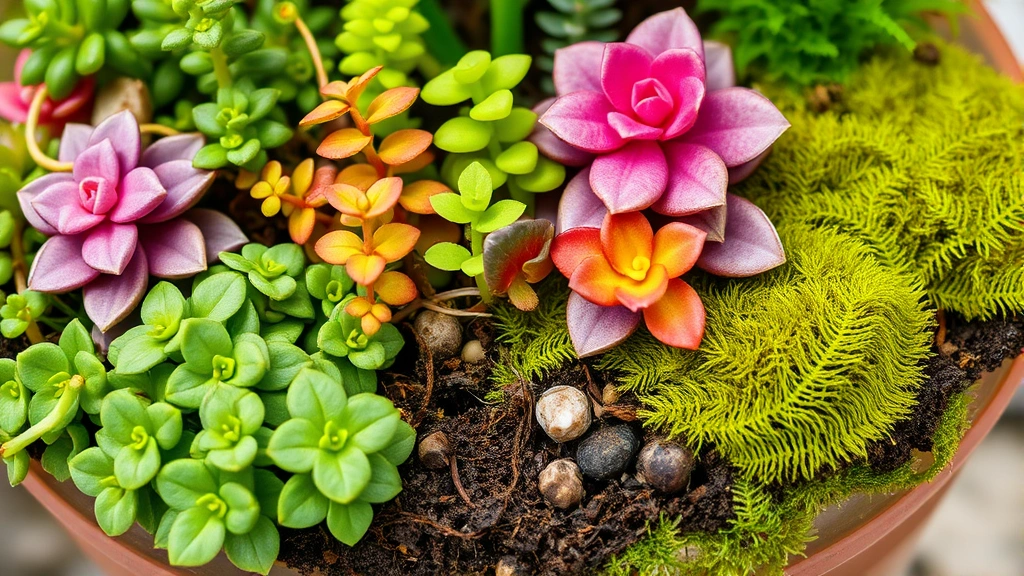
Plant selection determines the aesthetic and practical success of your fairy garden. Miniature varieties specifically bred for container gardening work best, as they maintain proportional scale without requiring constant pruning. Excellent choices include dwarf hostas, creeping sedums, miniature ivy, baby tears (Soleirolia soleirolii), and tiny ferns.
For a magical, garden-like feel, incorporate slow-growing conifers such as dwarf spruce or juniper varieties. These provide vertical interest and year-round structure. Moss serves as an excellent ground cover, creating lush, enchanted forest vibes while requiring minimal maintenance. Consider incorporating miniature herbs like thyme or oregano, which add both visual texture and practical functionality.
Flowering plants bring color and seasonal interest. Miniature roses, sweet woodruff, and creeping phlox offer delicate blooms that enhance fairy tale aesthetics. Succulents like jade plants and echeveria add sculptural interest while requiring minimal water—perfect for gardeners managing multiple fairy garden projects. Foliage-focused plants including coleus, caladiums, and dusty miller varieties provide color variations without relying on blooms.
When selecting plants, verify that all species share similar water and light requirements. Mixing plants with vastly different needs creates maintenance challenges and often results in some specimens struggling while others thrive. Group plants by their horticultural preferences to create a harmonious, low-stress garden ecosystem.
Understanding soil preparation fundamentals helps ensure your miniature plants receive proper nutrition and drainage. Use a well-draining potting mix combined with additional perlite or sand for succulents. This foundation supports healthy root development and prevents the moisture retention problems that plague inexperienced fairy gardeners.
Building Your Fairy Garden Structure
Creating the physical structure of your fairy garden begins with layering your container properly. Start with a drainage layer—broken pottery shards, pebbles, or cork pieces prevent soil from clogging drainage holes. Add a thin layer of activated charcoal to filter water and reduce odors. Top this with your prepared potting soil mixture, filling the container about three-quarters full.
Consider elevation and contour when arranging soil. Building slight hills and valleys creates visual interest and mimics natural landscape features. Use rocks or wood pieces to define these contours and create natural-looking terrain. This topographical variation prevents your fairy garden from appearing flat and monotonous.
Plan your plant placement before inserting anything into soil. Arrange plants and accessories on the surface to visualize the final composition. Taller plants typically belong toward the back or center, creating focal points and drawing the eye through the landscape. Trailing varieties should cascade over edges, softening container boundaries and creating magical overflow effects.
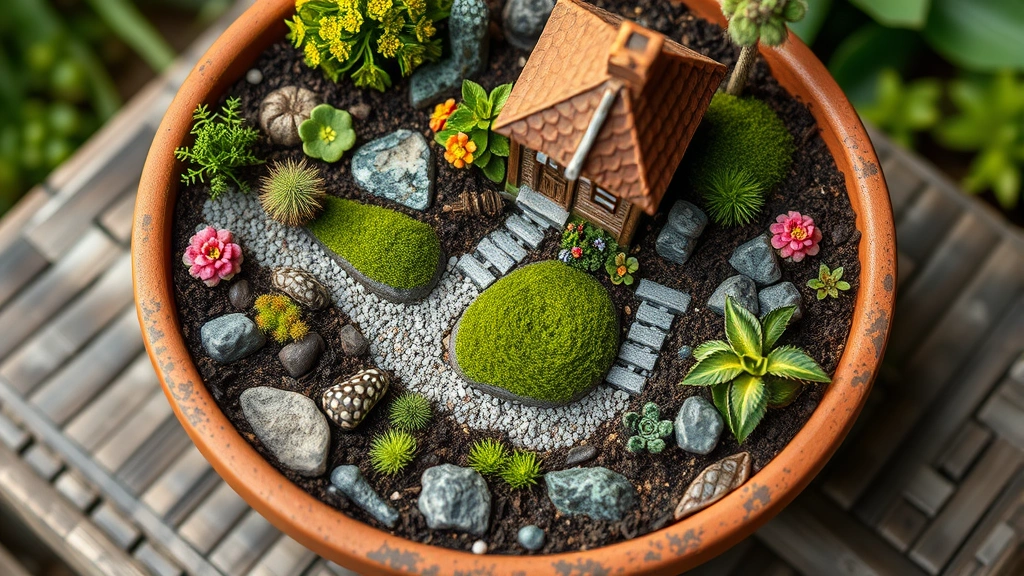
Install hardscape elements—tiny pathways, steps, or platforms—before planting. These structures anchor your design and provide practical elements that tell your fairy garden’s story. Consider how fairies would navigate your miniature world: What routes would they take? Where would they gather? These imaginative questions guide authentic, magical design decisions.
Creating Pathways, Furniture, and Accessories
Pathways transform fairy gardens from simple plant arrangements into immersive environments. Use pea gravel, sand, or tiny pebbles to create winding routes through your garden. Miniature stepping stones made from slate, clay, or wood guide visitors (and imaginary fairies) through the landscape. These pathways should feel organic and slightly whimsical rather than rigidly geometric.
Furniture and structures define your fairy garden’s narrative. Tiny benches, tables, swings, and gazebos suggest stories of fairy social gatherings and peaceful contemplation. Miniature houses or cottages serve as focal points, establishing a sense of place and belonging. Many gardeners source these items from craft stores, online retailers, or even create custom pieces using natural materials like twigs and moss.
Bridges, arbors, and trellises add vertical dimension while providing climbing opportunities for miniature ivy or creeping plants. These architectural elements create visual complexity and suggest exploration—viewers naturally wonder what lies beyond the bridge or beneath the arbor. Incorporate water features like tiny ponds, fountains, or streams using mirrors (to suggest water), resin, or actual small water basins with aquatic plants.
Lighting transforms fairy gardens into enchanted spaces, especially in evening hours. Solar-powered miniature lights, LED string lights, or tiny lanterns create magical ambiance. Strategically place lights to highlight key features: a glowing cottage window, illuminated pathways, or softly lit seating areas. This consideration extends your fairy garden’s usability and visual impact beyond daylight hours.
Accessory choices should feel intentional rather than cluttered. Miniature animals, garden tools, tiny books, or whimsical sculptures tell stories and spark imagination. However, restraint ensures your garden remains visually cohesive. Each item should contribute meaningfully to your overall theme rather than appearing randomly placed.

Seasonal Care and Maintenance
Successful fairy gardens require consistent, thoughtful maintenance. Watering needs vary by plant type and season—succulents require less frequent watering than ferns or moss, which prefer consistently moist (not soggy) soil. Check soil moisture regularly by inserting your finger about half an inch deep. If it feels dry, water gently until moisture reaches the bottom drainage holes.
During growing seasons (spring and summer), monitor plants for signs of overcrowding. Remove dead leaves, spent flowers, and excessive growth to maintain visual clarity and prevent disease. Miniature plants can quickly overtake small spaces, so regular pruning keeps your garden looking intentional rather than chaotic.
Seasonal transitions require thoughtful adjustments. In autumn, prepare for reduced light and temperature changes. Move your fairy garden to sheltered locations if you live in regions with harsh winters. Some tender plants may need to be brought indoors, while cold-hardy species like sedums and dwarf conifers can remain outside year-round. Research your specific plants’ hardiness zones to make informed decisions.
Winter presents unique challenges and opportunities. Evergreen plants provide structure and visual interest when deciduous plants have dropped their leaves. Moss and ferns maintain their coloring, creating a peaceful, dormant garden aesthetic. Reduce watering significantly, as plants enter dormancy and evaporation decreases. Protect your fairy garden from heavy snow or ice that might damage delicate structures.
Spring renewal involves refreshing topsoil, adding new plants as weather warms, and cleaning accumulated debris. This seasonal refresh reinvigorates your fairy garden and provides opportunities to refine your design based on the previous year’s observations. Many gardeners treat spring as a time for creative reimagining and design evolution.
Pest management in fairy gardens typically requires minimal intervention. The contained environment naturally limits pest populations compared to larger gardens. However, monitor for spider mites, mealybugs, or scale insects on indoor fairy gardens. Organic insecticidal soap or neem oil applied carefully prevents infestations without harming beneficial insects.
Advanced Design Themes and Inspirations
Themed fairy gardens create cohesive, immersive experiences. A woodland theme emphasizes shade-loving plants, moss ground covers, miniature trees, and forest creatures. Incorporate bark, branches, and natural materials to suggest a deep forest environment. This theme works beautifully with ferns, hostas, and shade-tolerant groundcovers.
Cottage garden themes celebrate romantic, abundant plantings with flowering miniatures, herbs, and cozy cottage structures. This approach draws inspiration from traditional English gardens, featuring pathways lined with blooming plants and inviting seating areas. Combine this aesthetic with your existing fairy garden knowledge to create nostalgic, heartwarming spaces.
Desert and succulent themes showcase drought-tolerant plants in sandy, rocky environments. Miniature cacti, sedums, and echeveria create sculptural landscapes with minimal water requirements. Sand, pebbles, and rocks dominate these designs, creating stark, beautiful compositions that celebrate arid beauty.
Aquatic and water garden themes incorporate water features as central design elements. Tiny ponds, streams, or fountains support moisture-loving plants like miniature water lilies, papyrus, or aquatic ferns. These themes require careful water management but create serene, cooling visual effects.
Celestial and fantasy themes embrace imagination without concerning themselves with botanical accuracy. Incorporate glowing elements, mystical accessories, and unusual color combinations. Pair unexpected plant choices with fantasy-inspired structures to create otherworldly environments that celebrate pure creativity.
Japanese-inspired themes draw from Zen garden principles, emphasizing balance, simplicity, and natural beauty. Miniature gravel gardens, carefully placed rocks, and minimal plant selections create peaceful, meditative spaces. This approach aligns beautifully with bonsai aesthetics and Japanese horticultural traditions.
Consulting external resources enriches your design inspiration. The American Horticultural Society offers design principles applicable to miniature gardening. The Sierra Club’s native plant guides help select regionally appropriate species. Master gardener programs through your local university extension services provide expert guidance on plant selection and care. The USDA Plant Hardiness Zone Map ensures you select appropriately hardy varieties for your region.
Create a mood board combining photographs, plant samples, and design sketches before finalizing your fairy garden plan. This preparation prevents impulsive decisions and ensures your final creation reflects your authentic vision rather than a collection of random elements.
FAQ
What size container works best for fairy gardens?
Containers measuring 12 to 24 inches in diameter provide ideal space for most fairy gardens. Smaller pots (6-10 inches) work for simple designs with 2-3 plants, while larger containers (24+ inches) accommodate ambitious, complex landscapes. Choose based on available space and your design ambitions.
Can fairy gardens be kept indoors?
Yes, indoor fairy gardens thrive under grow lights or in bright windowsill locations. Indoor gardens require careful humidity management, as artificial environments often lack adequate moisture. Use terrariums or covered containers to maintain moisture levels, and ensure adequate air circulation to prevent fungal issues.
How often should I water my fairy garden?
Water frequency depends on plant types, season, and environmental conditions. Check soil moisture every 2-3 days during growing seasons. Most fairy gardens need watering 1-3 times weekly, but succulents may require watering only every 7-10 days. Reduce frequency significantly during dormant winter months.
What’s the best time to start a fairy garden?
Spring and early summer offer ideal conditions for establishing fairy gardens, as plants actively grow and establish strong root systems. However, you can create fairy gardens year-round if you adjust plant selections to match seasonal conditions. Fall-planted gardens may require indoor overwintering in cold climates.
Can I use regular garden soil in fairy gardens?
Regular garden soil often compacts in containers and drains poorly. Use well-draining potting soil specifically formulated for container gardening. Amend with perlite, sand, or coarse compost to improve drainage, especially for succulents that require very fast-draining soil.
How do I prevent my fairy garden from becoming overgrown?
Regular pruning and plant maintenance keeps fairy gardens looking intentional. Remove excessive growth, dead leaves, and spent flowers every 2-3 weeks during active growing seasons. Consider plant maturity when selecting species—choose naturally compact varieties rather than aggressive growers requiring constant trimming.
What plants work best for shaded fairy gardens?
Shade-tolerant plants include ferns, hostas, moss, baby tears, ivy, and hellebores. These species thrive in locations receiving 2-4 hours of indirect light daily. Foliage-focused plants like coleus and caladiums add color variation without requiring intense sunlight.