Best Garden Benches? Designer Picks for Every Garden Style
A garden bench is far more than functional outdoor furniture—it’s an invitation to pause, observe, and connect with your garden sanctuary. Whether you’re starting a flower garden or tending an established landscape, the right bench transforms your outdoor space into a personal retreat. Garden benches serve as focal points, rest spots after pruning sessions, and quiet places to enjoy morning coffee surrounded by blooming perennials and fragrant herbs.
As a gardening enthusiast, I’ve tested dozens of benches across different seasons and garden conditions. The best options balance durability, comfort, and aesthetic appeal while complementing your garden’s unique character. This guide explores designer-approved selections that work for small urban gardens, sprawling countryside estates, and everything in between.
Understanding Garden Bench Materials
The material you choose determines your bench’s longevity, maintenance needs, and visual impact. Each material responds differently to weather patterns, sunlight exposure, and soil moisture—factors that serious gardeners understand intimately.
Hardwood options like teak, cedar, and oak offer natural beauty and develop attractive patinas over time. Teak is exceptionally durable, containing natural oils that resist rot and insect damage. Cedar provides a lighter aesthetic and pleasant aroma, though it requires regular sealing. Softwoods like pine are budget-friendly but need frequent maintenance and typically last 5-7 years in outdoor conditions.
Metal materials range from wrought iron to aluminum and steel. Cast iron benches deliver ornamental elegance and incredible durability, though they’re heavy and prone to rust without proper finishing. Aluminum is lightweight and rust-resistant, making it ideal for coastal gardens. Powder-coated steel offers a modern look with reasonable maintenance requirements.
Composite materials combine wood fibers with plastic polymers, creating products that resist rot, splinters, and insect damage. These require minimal maintenance and work excellently in damp garden environments. Stone and concrete benches provide permanent fixtures that age gracefully and complement gardening with native plants beautifully.

Classic Wood Benches for Traditional Gardens
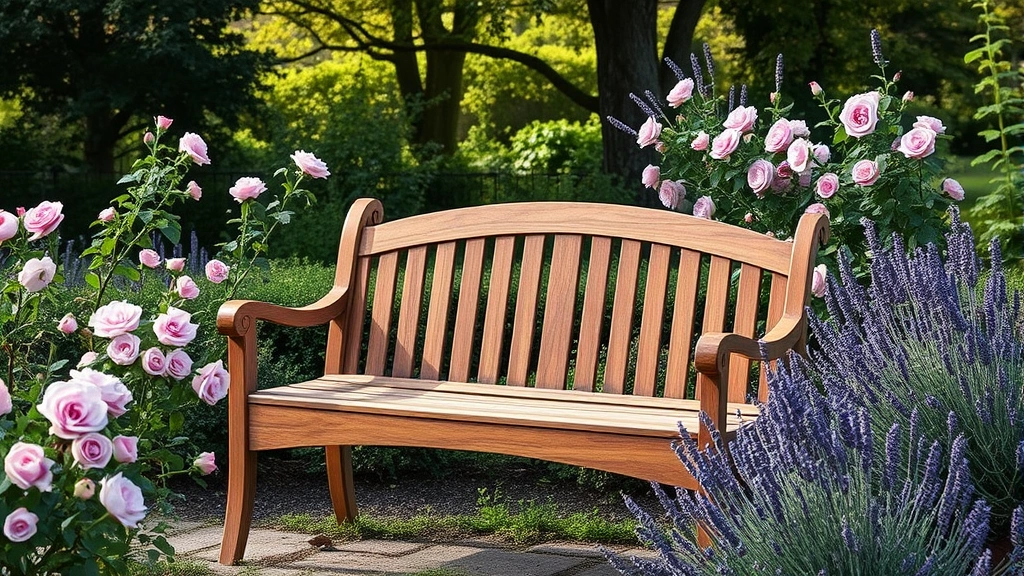
Wooden benches remain the gold standard for cottage gardens, Victorian landscapes, and traditional settings. Their warmth and organic appearance create inviting focal points that draw visitors deeper into garden spaces.
The Lutyens-style bench, popularized by renowned garden designer Edwin Lutyens, features curved armrests and a gentle backrest slope. These benches work beautifully in formal gardens and alongside pruned hydrangea bushes or rose collections. The design provides genuine comfort for extended sitting sessions while maintaining understated elegance.
Slat-back benches offer simpler construction with vertical back slats and horizontal seat supports. These designs suit contemporary farmhouse aesthetics and blend seamlessly into informal garden settings. The open back allows air circulation and prevents water pooling, extending the bench’s lifespan significantly.
Curved garden benches wrap around trees or follow garden pathways, creating intimate seating areas. These work exceptionally well in circular gardens or beneath mature shade trees where you want to enjoy dappled light while tending nearby plantings.
For wooden benches, consider placement near fragrant areas—beside mint growing in pots or established herb garden sections. The aromatic experience enhances your sitting moments significantly.
Metal and Cast Iron Designs
Metal benches deliver architectural drama and exceptional durability, making them favorites among landscape designers who value longevity and statement-making pieces.
Ornamental cast iron benches feature intricate detailing, scrollwork, and decorative legs that immediately elevate garden aesthetics. These pieces work beautifully as focal points at garden intersections or at the terminus of pathways. The weight—typically 200+ pounds—ensures stability on uneven terrain and prevents tipping in wind.
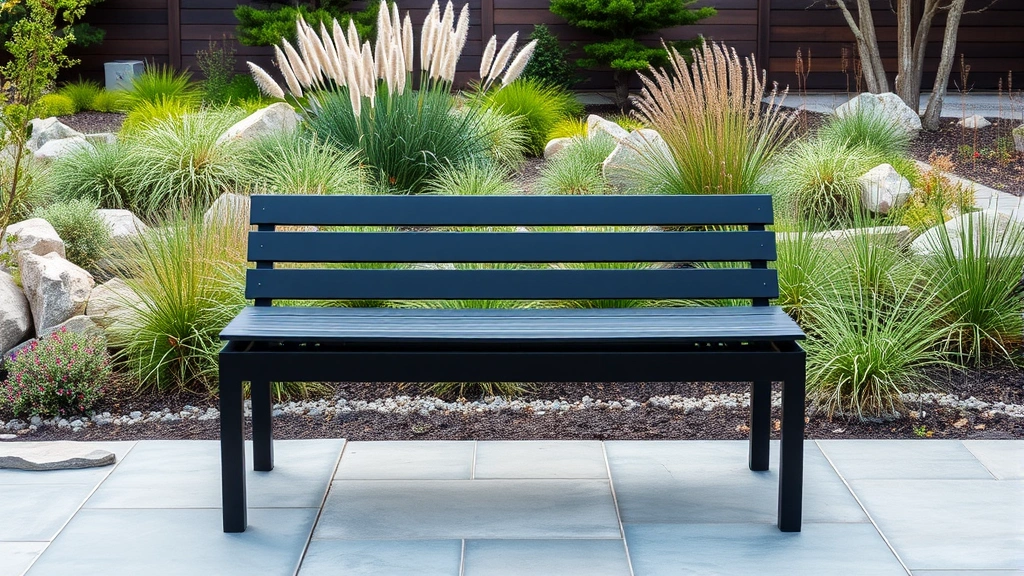
Modern steel benches with minimalist designs suit contemporary gardens and urban spaces. Powder-coated finishes in black, charcoal, or bronze provide clean lines while protecting against rust. These benches pair excellently with architectural plants and modern hardscaping.
Wrought iron benches offer handcrafted appeal with curves and flourishes reminiscent of Victorian gardens. Each piece carries unique character, though authentic wrought iron commands premium prices. The craftsmanship creates heirloom-quality furniture that appreciates with age.
Aluminum benches provide lightweight alternatives perfect for frequently rearranged garden layouts or patios. They resist corrosion naturally and require minimal maintenance beyond occasional cleaning. Their affordability makes them excellent choices for gardening tips for beginners who are still developing their landscape vision.
Modern Concrete and Stone Options
Contemporary garden design increasingly incorporates concrete and stone benches as permanent landscape features that integrate seamlessly with modern hardscaping.
Polished concrete benches offer clean lines and industrial aesthetics that complement minimalist gardens. Sealed concrete resists staining and weathering while developing subtle patinas over decades. These benches work particularly well in urban courtyards and modern residential landscapes where geometric precision matters.
Natural stone benches carved from granite, limestone, or slate provide timeless permanence. Granite benches withstand freeze-thaw cycles exceptionally well, making them ideal for northern climates. Limestone develops beautiful weathered surfaces and works wonderfully in Mediterranean-inspired gardens. These options represent significant investments but literally last centuries.
Engineered stone composites combine stone dust with resin binders, creating durable benches with stone’s appearance at lower costs. These resist staining, cracking, and weather damage while requiring virtually no maintenance. They’re increasingly popular for contemporary estates where permanence meets modern aesthetics.
Bluestone and slate benches provide regional authenticity, particularly in gardens designed to reflect local geology and landscape character. These materials age gracefully, developing moss and lichen that add living texture to hardscape features.
Space-Saving Benches for Small Gardens
Urban gardeners and those with limited square footage need benches that maximize function without overwhelming compact spaces.
Narrow backless benches fit snugly against garden walls or along pathways, providing seating without protruding into planting areas. These work beautifully in cottage gardens where every inch matters. A 2-3 foot-wide bench tucked beside tall plantings creates unexpected seating that doesn’t dominate the view.
Fold-away metal benches collapse when not in use, perfect for small patios that serve multiple functions. Modern designs look intentional rather than temporary, blending into garden aesthetics even when stored. These suit renters and those experimenting with different bench placements.
Bench-with-storage options combine seating with hidden compartments for garden tools, cushions, and supplies. These dual-purpose pieces maximize functionality in space-constrained situations. Some designs incorporate planters or raised beds into their structure, creating true multifunctional garden features.
Curved corner benches nestle into garden corners that might otherwise remain unused. These clever designs transform awkward spaces into intimate seating areas without extending into the main garden footprint.
Weathering and Maintenance Requirements
Understanding maintenance demands helps you select benches that fit your lifestyle and gardening commitment level.
Wood benches require the most active maintenance. Annual sealing with exterior wood stain or oil protects against moisture penetration and UV damage. Cedar and teak need less frequent treatment than softer woods, but even these benefit from biennial renewal. Budget 4-6 hours annually per bench for proper maintenance. Pressure washing in spring removes accumulated moss and debris.
Cast iron benches need rust prevention through regular paint touch-ups and protective coatings. Inspect annually for rust spots, addressing them immediately to prevent spread. High-quality rust-preventative paints extend service life significantly. In coastal areas with salt spray, cast iron requires more diligent care than inland locations.
Aluminum benches demand minimal maintenance beyond occasional cleaning. They naturally resist oxidation and require no painting or sealing. A simple wash with mild soap and water keeps them looking fresh indefinitely.
Stone benches need periodic sealing (every 2-3 years) to resist staining and moisture penetration. Moss removal through gentle scrubbing maintains appearance, though many gardeners appreciate moss growth as natural patina. High-pressure washing can damage softer stones, so use gentle methods instead.
Composite benches require the least maintenance of all options. Occasional cleaning with mild soap removes dust and pollen. Unlike wood, they won’t splinter, rot, or need sealing. This makes them ideal for gardeners who prioritize relaxation over maintenance tasks.
Placement Strategies for Maximum Impact
Where you position your garden bench determines its practical value and aesthetic contribution to your landscape design.
Vista benches positioned at garden endpoints or elevated areas frame views of your best plantings. Place benches where they overlook flower beds, water features, or landscape focal points. This strategy transforms your bench into a viewpoint that encourages appreciation of your gardening efforts. Consider sight lines from your home’s windows—a well-placed bench creates beautiful views from inside too.
Shade benches nestle beneath mature trees or pergolas, providing respite during hot seasons. Position benches where dappled shade filters afternoon sun without creating gloomy, uninviting spaces. Morning-side placement captures gentle sunrise light while afternoon-side placement offers cooling relief during summer heat.
Pathway benches along garden routes encourage exploration and provide rest spots for longer walks. Space multiple benches throughout large gardens, creating a series of contemplative pauses. This design principle works beautifully in botanical gardens and extensive home landscapes.
Entrance benches positioned near garden gates or main pathways create welcoming focal points. These benches signal that your garden invites lingering and observation rather than mere passing through. Pair entrance benches with seasonal plantings that peak during your favorite visiting seasons.
Corner benches activate unused garden edges and create cozy nooks for quiet reflection. Tuck benches into corners formed by walls, fences, or dense hedging to create intimate spaces that feel purposefully designed rather than afterthought additions.
Seasonal Considerations
Thoughtful gardeners adjust their bench strategies based on seasonal changes and weather patterns throughout the year.
Spring placement should capture morning light as temperatures gradually warm. Position benches to overlook emerging spring bulbs, flowering shrubs, and newly leafing trees. Spring is ideal for bench maintenance—apply fresh stain, address rust spots, and repair any winter damage before regular use begins.
Summer positioning prioritizes shade and cooling breezes. Move benches away from afternoon sun exposure unless you enjoy basking. Consider placement near water features—fountains, ponds, or birdbaths—which create cooling microclimates and attract wildlife to observe. Summer benches become outdoor rooms for extended relaxation.
Fall benches should frame autumn foliage displays and harvest-season plantings. Position seating to showcase fall color in trees and shrubs. This season offers ideal temperatures for extended bench sitting without excessive heat or cold.
Winter considerations include protecting benches from heavy snow loads and ice accumulation. In snowy regions, consider moveable benches that you can store seasonally, or select materials that withstand freeze-thaw cycles without damage. Stone and metal benches typically handle winter better than wood, which can crack if water freezes within its grain.
FAQ
What’s the most durable garden bench material?
Stone and cast iron offer the longest lifespans, easily lasting 50+ years with minimal maintenance. Teak wood also provides exceptional durability, typically lasting 20-30 years. For budget-conscious gardeners, composite materials offer outstanding longevity with minimal upkeep.
How much should I spend on a quality garden bench?
Budget ranges vary widely: $200-500 for decent composite or softwood benches, $500-1,500 for quality hardwood or metal options, and $1,500+ for designer pieces or natural stone. Your investment should reflect your long-term garden plans and maintenance capacity.
Can garden benches stay outside year-round?
Yes, with proper material selection and maintenance. Stone, metal, and composite benches handle year-round outdoor exposure well. Wood benches need winter protection in snowy climates or can be brought indoors seasonally. Apply protective coatings before winter to minimize weather damage.
What size bench works best for small spaces?
Benches 3-4 feet long fit comfortably in compact gardens without overwhelming the space. Backless designs take up less visual space than high-backed options. Consider benches that double as storage or incorporate planters to maximize functionality in limited areas.
How do I prevent wood benches from rotting?
Apply quality exterior wood sealant or stain annually, ensure benches sit on level ground that drains properly, and avoid prolonged contact with soil or mulch. Position benches where air circulates freely rather than in permanently damp spots. Regular maintenance extends wood bench life significantly.
Are metal benches comfortable without cushions?
Metal benches can be uncomfortable for extended sitting without cushions, particularly in cold weather. Wooden benches generally feel more comfortable naturally. Consider removable outdoor cushions that add comfort while protecting metal from direct contact with skin.
Additional Resources: Explore the American Horticultural Society for garden design inspiration and expert recommendations. The Association of Professional Landscape Designers offers designer directory services and professional insights. Visit your local university extension service for climate-specific bench recommendations. The New York Botanical Garden features excellent bench placement examples throughout its grounds. Finally, consult USDA Forest Service resources for information about durable wood species and sustainable furniture choices.


