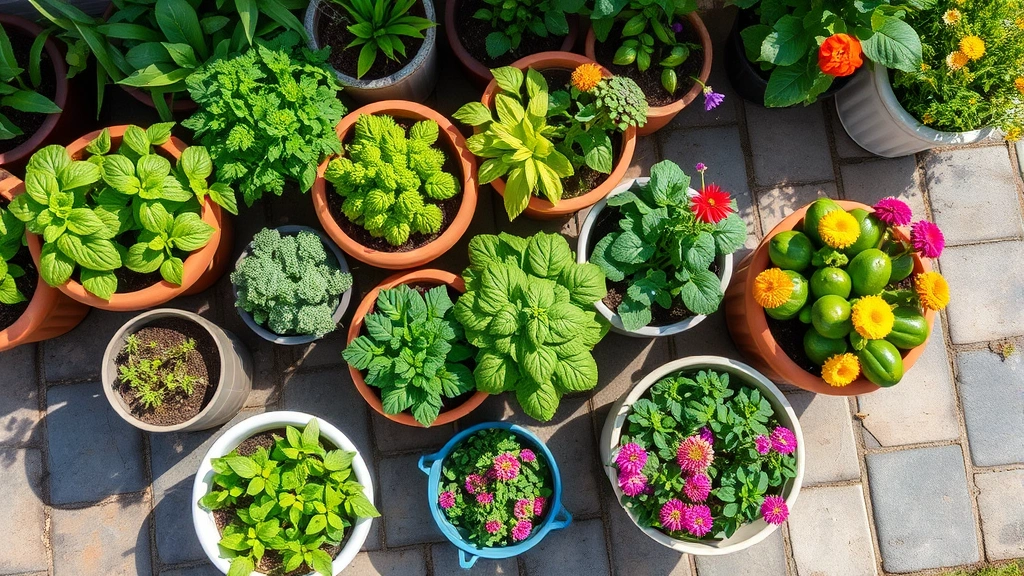
A garden tub is one of the most versatile and practical additions to any gardening space, whether you’re cultivating herbs on a balcony, growing vegetables in a compact yard, or starting seedlings for spring planting. These specialized containers offer gardeners unparalleled flexibility in plant cultivation, allowing you to control soil composition, drainage, and growing conditions with precision. Unlike traditional in-ground gardens, garden tubs enable you to garden anywhere—on patios, decks, rooftops, or even windowsills—making them ideal for urban gardeners, those with poor soil quality, or anyone seeking to optimize their growing space.
Understanding the design, material options, and setup requirements for garden tubs can transform your gardening experience. Whether you’re a complete novice looking to start your first gardening journey or an experienced grower seeking to expand your production capacity, this comprehensive guide will walk you through everything you need to know about selecting and optimizing garden tubs for maximum plant health and yield.
What Exactly Is a Garden Tub?
A garden tub, sometimes called a container garden or raised planter tub, is a self-contained growing vessel designed to hold soil and support plant growth in locations where traditional in-ground gardening isn’t feasible or practical. These containers come in various shapes, sizes, and materials, but all serve the fundamental purpose of creating a portable, manageable growing environment for vegetables, herbs, flowers, and ornamental plants.
Garden tubs differ from standard flowerpots in several key ways. They’re typically larger, with greater soil capacity, allowing for deeper root penetration and better moisture retention. They often feature reinforced construction to support the weight of moist soil and mature plants, and many designs incorporate elevated platforms or legs that improve air circulation and ease of access. The versatility of garden tubs makes them particularly valuable for those practicing native plant gardening or growing easy vegetables for beginners.
Material Options for Garden Tubs
Selecting the right material for your garden tub is crucial for longevity, aesthetic appeal, and plant health. Each material offers distinct advantages and considerations:
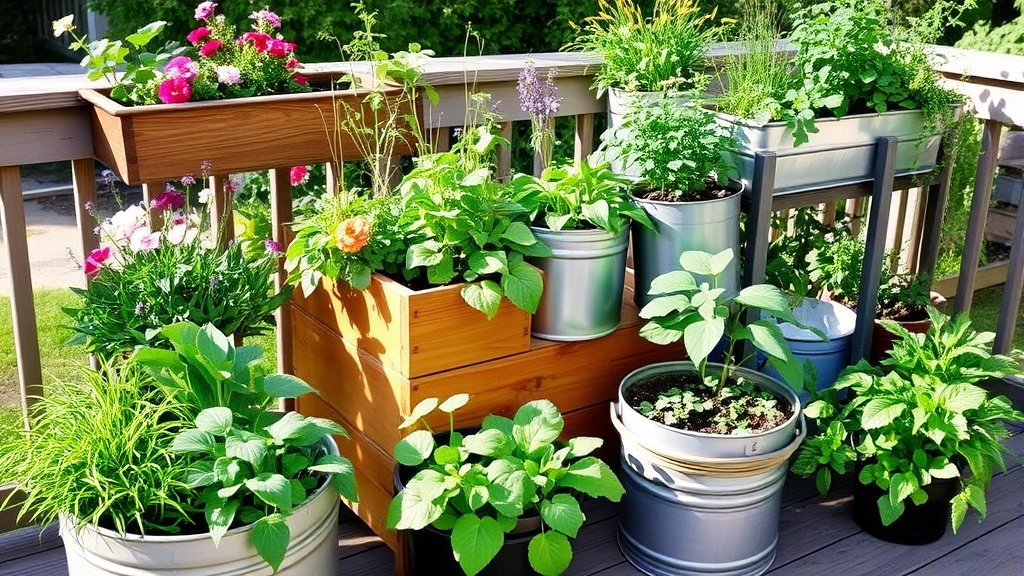
- Ceramic and Terracotta: Traditional choices offering excellent aesthetic value and breathability. Terracotta allows soil to dry more quickly, beneficial for drought-tolerant plants. However, these materials are heavy, fragile, and susceptible to cracking in freezing climates.
- Plastic and Resin: Lightweight, durable, and affordable options available in numerous colors and styles. High-quality plastic tubs resist UV damage and temperature fluctuations. They retain moisture longer than terracotta, ideal for plants requiring consistent hydration.
- Wood: Naturally attractive and excellent for creating rustic garden aesthetics. Untreated wood requires regular maintenance and eventual replacement as it decomposes. Cedar and redwood offer superior durability compared to softwoods.
- Metal: Galvanized steel and copper provide modern, industrial aesthetics while offering exceptional durability. Metal conducts heat readily, which can warm soil in cool seasons but may cause overheating in intense summer sun.
- Composite Materials: These engineered materials combine benefits of wood, plastic, and stone, offering durability with natural appearance. They’re low-maintenance and long-lasting, making them excellent for permanent installations.
Size and Capacity Considerations
Garden tub dimensions directly impact your growing success. The size you choose depends on your available space, the plants you want to cultivate, and your watering commitment level. Larger containers offer significant advantages: they retain moisture longer, moderate temperature fluctuations better, and provide more root space for plant development.
For starting a flower garden, consider these sizing guidelines:
- Small tubs (8-12 inches): Suitable for herbs, small flowers, or single vegetable plants. These dry quickly and require frequent watering.
- Medium tubs (14-18 inches): Ideal for mixed herb gardens, leafy greens, or moderate-sized vegetables like peppers or eggplant.
- Large tubs (20+ inches): Perfect for tomatoes, deep-rooted vegetables, shrubs, or multiple plant combinations. These provide excellent growing conditions and require less frequent watering.
Depth is equally important as width. Most vegetables require 12-18 inches of soil depth, while herbs can thrive in 8-12 inches. Deeper containers better insulate root systems from temperature extremes and provide adequate space for healthy root development. When selecting capacity, remember that moist soil is heavy—a large tub filled with wet soil can weigh 200+ pounds, so consider placement and structural support carefully.
Design Features That Matter
Modern garden tub designs incorporate several features that enhance functionality and plant health. Understanding these elements helps you make informed purchasing decisions and maximize your gardening success.
Drainage Systems: The most critical design feature, proper drainage prevents waterlogging and root rot. Quality garden tubs feature multiple drainage holes sized appropriately to allow water escape while retaining soil. Some designer tubs include integrated saucers or trays to catch excess water, protecting patios and decks while allowing root access to moisture.
Elevated Legs or Pedestals: Raising tubs off ground level improves air circulation, deters slugs and snails, and eases harvesting and maintenance. Elevated designs also allow water to drain freely from the base, preventing soil compaction and disease issues.
Weatherproofing: Quality construction includes UV-resistant finishes, rust-resistant hardware, and materials engineered to withstand freeze-thaw cycles. This ensures your investment maintains functionality and appearance through multiple seasons.
Size and Shape Optimization: While rectangular tubs maximize planting area per square foot, round designs offer aesthetic appeal and equal plant capacity. Tall, narrow designs suit vertical gardening and space-constrained locations, while shallow, wide tubs work well for spreading plants or multiple small specimens.
Drainage and Water Management
Proper drainage is absolutely essential for container garden success. Without it, soil becomes waterlogged, roots suffocate, and fungal diseases proliferate. Before filling your garden tub with soil, ensure drainage holes are clear and adequately sized.
To optimize drainage:
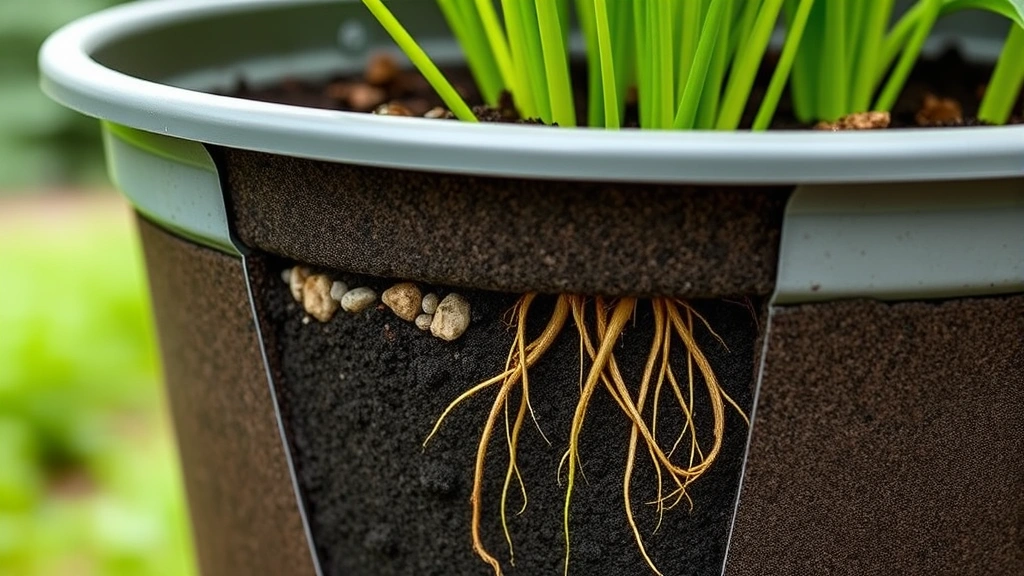
- Use a drainage layer at the tub’s bottom. Add 1-2 inches of gravel, broken pottery shards, or specialized drainage material to create space for water movement.
- Select appropriate soil composition. Container soil should be lighter and more porous than garden soil, with added perlite or coconut coir improving drainage and aeration.
- Implement water management practices. Water deeply until it drains from holes, then allow the top inch of soil to dry before watering again. Stick your finger into soil to assess moisture—this simple test prevents both underwatering and overwatering.
- Consider self-watering systems for consistent moisture. These mechanisms include built-in reservoirs that release water gradually, ideal for busy gardeners or drought-prone seasons.
Seasonal adjustments matter significantly. Spring and summer require more frequent watering as plants actively grow and temperatures rise. Fall and winter reduce water needs dramatically, especially for dormant plants. Always adjust watering based on rainfall, temperature, and individual plant requirements.
Soil Selection and Preparation
The foundation of container gardening success is quality soil. Never use garden soil directly in containers—it compacts, drains poorly, and often contains pathogens and weed seeds. Instead, use potting mix or container soil, specifically formulated for container growing.
Quality potting mixes typically contain:
- Peat moss or coconut coir for moisture retention
- Perlite or vermiculite for drainage and aeration
- Compost for nutrients and beneficial microorganisms
- Bark or wood fibers for structure
When preparing garden soil alternatives for containers, you can create custom mixes tailored to specific plants. Succulents and cacti prefer grittier mixes with additional perlite, while moisture-loving plants benefit from extra compost or coir. This customization is a major advantage of container gardening—you control every component of your growing medium.
Fill your garden tub with moistened potting mix, leaving 1-2 inches of space at the top for watering. Gently firm the soil to eliminate air pockets without compacting it excessively. This preparation ensures proper water distribution and healthy root development from day one.
Plant Selection for Containers
Not all plants thrive equally in containers, though most can be grown successfully with proper care. Container gardening actually offers advantages for certain plants—you can provide perfect conditions for plants requiring specific soil types or drainage patterns.
Excellent Container Plants:
- Herbs: Basil, parsley, oregano, thyme, and mint flourish in containers, offering convenient access for cooking while thriving in controlled conditions.
- Vegetables: Tomatoes, peppers, eggplant, lettuce, spinach, and radishes produce abundantly in appropriately sized tubs. Determinate (bush) varieties work better than indeterminate (vining) types in most containers.
- Flowers: Petunias, marigolds, zinnias, impatiens, and begonias offer vibrant color and continuous blooms throughout growing seasons.
- Ornamentals: Hostas, ferns, and shade-loving plants adapt beautifully to container growing, allowing you to create focal points in shaded patio areas.
When selecting plants, consider mature size and root depth requirements. Pair plants with similar water and sunlight needs in the same tub to simplify care. Tall plants should go in the center or back, with trailing varieties positioned at edges for cascading visual interest.
For those interested in expanding plant populations, learn about how to propagate plants from your container specimens, creating new plants for additional tubs or sharing with gardening friends.
Seasonal Maintenance Tips
Garden tub maintenance varies throughout the year, adapting to seasonal changes in temperature, daylight, and plant growth patterns.
Spring: As temperatures warm and days lengthen, refresh potting soil by removing the top 2-3 inches and replacing with fresh mix. This removes accumulated salts and provides new nutrients. Begin regular fertilizing as plants emerge from dormancy and new growth appears.
Summer: Peak growing season demands consistent watering, often daily in hot climates. Check soil moisture regularly, as containers dry rapidly in heat. Deadhead spent flowers to encourage continued blooming, and monitor for pests that thrive in warm conditions. Provide afternoon shade in extremely hot climates to prevent soil overheating.
Fall: Gradually reduce watering as temperatures cool and growth slows. Remove spent annuals and prepare perennials for dormancy. This is an excellent time to plant spring-blooming bulbs in containers or establish cool-season vegetables like kale and spinach.
Winter: In cold climates, move tender perennials and tropical plants indoors or to protected locations. Reduce watering dramatically, as dormant plants require minimal moisture. In mild climates, continue growing cool-season crops. Protect containers from extreme cold—wrap vulnerable materials or move them against building walls where radiant heat provides insulation.
Common Mistakes to Avoid
Learning from others’ experiences accelerates your container gardening success. These common pitfalls derail many gardeners:
- Using garden soil: This compacts in containers, creating anaerobic conditions and poor drainage. Always use potting mix formulated specifically for containers.
- Inadequate drainage: Insufficient drainage holes or missing drainage layers lead to waterlogging and root rot. Ensure multiple holes and proper drainage layers.
- Overcrowding plants: Planting too densely reduces air circulation, increases disease pressure, and forces plants to compete for nutrients. Follow spacing recommendations for each plant type.
- Inconsistent watering: Container plants dry quickly and can’t access groundwater reserves like in-ground plants. Establish consistent watering routines and adjust for seasonal changes.
- Neglecting fertilization: Container soil lacks the nutrient reserves of garden soil. Regular feeding with balanced fertilizer sustains plant growth and productivity throughout growing seasons.
- Ignoring pest and disease monitoring: Container plants develop problems rapidly when conditions are suboptimal. Check plants weekly for early signs of trouble.
- Selecting inappropriate plant sizes: Choosing plants too large for containers leads to root-bound conditions and stunted growth. Match plant size to container capacity.
FAQ
How often should I water my garden tub?
Watering frequency depends on multiple factors: container size, soil composition, plant type, season, and climate. Check soil moisture by inserting your finger 1-2 inches deep—water when this layer feels dry. In summer, daily watering is often necessary, while winter may require watering only weekly or less frequently.
Can I leave my garden tub outside during winter?
This depends on your climate and container material. Ceramic and terracotta can crack in freeze-thaw cycles, so move them to protected locations or empty them in cold climates. Plastic, composite, and well-constructed wood tubs tolerate outdoor winter storage. Always ensure tubs have drainage holes to prevent ice accumulation.
What’s the best size garden tub for growing tomatoes?
Tomatoes require substantial root space and moisture consistency. Use containers at least 18-24 inches deep and 18+ inches in diameter for determinate varieties, or 24+ inches for indeterminate types. Larger containers provide better insulation and reduce watering frequency.
How do I prevent my garden tub soil from compacting?
Use quality potting mix rather than garden soil, as it’s engineered to maintain structure. Avoid walking on or pressing down on the soil surface. Add organic matter annually to replenish structure and nutrients. When watering, apply water gently rather than forcefully.
Can I reuse potting soil from last season?
Yes, but refresh it first. Remove the top 3-4 inches of old soil and replace with fresh potting mix. This removes accumulated salts and pathogens while maintaining beneficial microorganisms in the lower layers. For disease-prone plants, use entirely fresh soil.
What external resources help with container gardening?
Several authoritative organizations offer excellent guidance: The American Horticultural Society provides research-based container gardening information, Cooperative Extension Services across the United States offer region-specific advice, The Royal Horticultural Society shares international best practices, the USDA Plant Database helps identify suitable plants for your area, and your local Master Gardener program offers personalized guidance from trained volunteers.


