Yellow Garden Spider: Identification & Care Guide
The yellow garden spider, scientifically known as Argiope trifasciata or the banded garden spider, is one of the most recognizable and beneficial arachnids you’ll encounter in your garden. With their striking yellow and black striped abdomens and distinctive web patterns, these spiders are both fascinating to observe and invaluable for natural pest control. Whether you’re a seasoned gardener or just starting your green journey, understanding how to identify and support yellow garden spiders can significantly improve your garden’s ecosystem health.
These orb-weaver spiders are harmless to humans and plants, yet incredibly effective at controlling garden pests like aphids, beetles, and flying insects. Rather than viewing them as threats, gardeners should welcome these eight-legged allies into their outdoor spaces. This comprehensive guide will help you identify yellow garden spiders, understand their behavior, create ideal conditions for them to thrive, and answer common questions about coexisting peacefully with these remarkable creatures.
Identification & Physical Characteristics
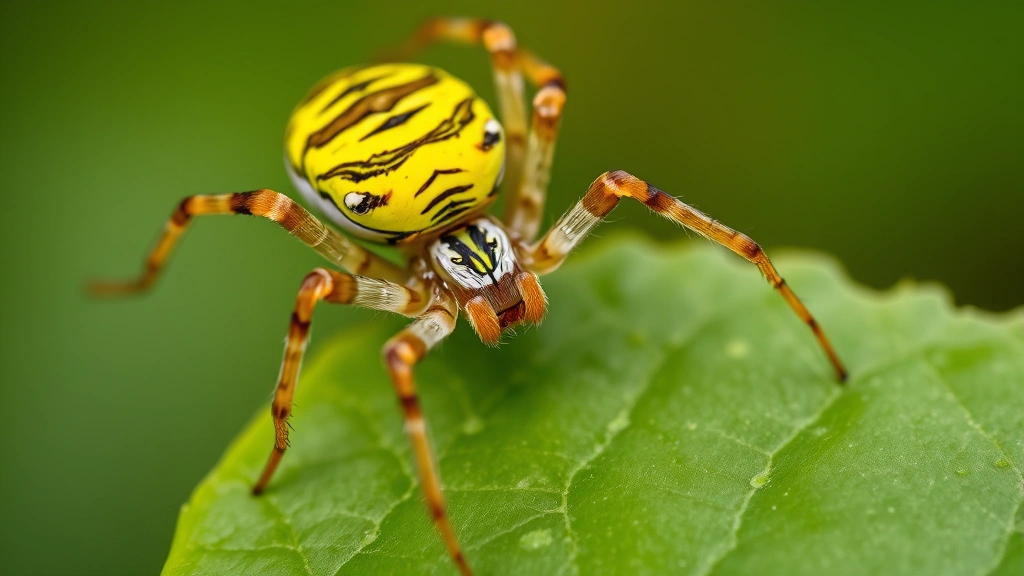
Yellow garden spiders are unmistakable once you know what to look for. The most prominent feature is their distinctive yellow and black striped abdomen, which resembles a tiny wasp or bee. This bold coloration serves as a warning to potential predators, though the spiders themselves are completely harmless. Adult females typically measure between 13 to 20 millimeters in body length, while males are considerably smaller at 3 to 5 millimeters.
The cephalothorax, or body section, is generally brown or tan with darker markings, while the legs are banded with yellow and brown coloration. One of the most distinctive features is their bright yellow coloring on the underside of the abdomen, which becomes more vibrant as the spider matures. The eyes are relatively large compared to other spiders, arranged in two rows of four, giving them surprisingly good vision for hunting and web construction.
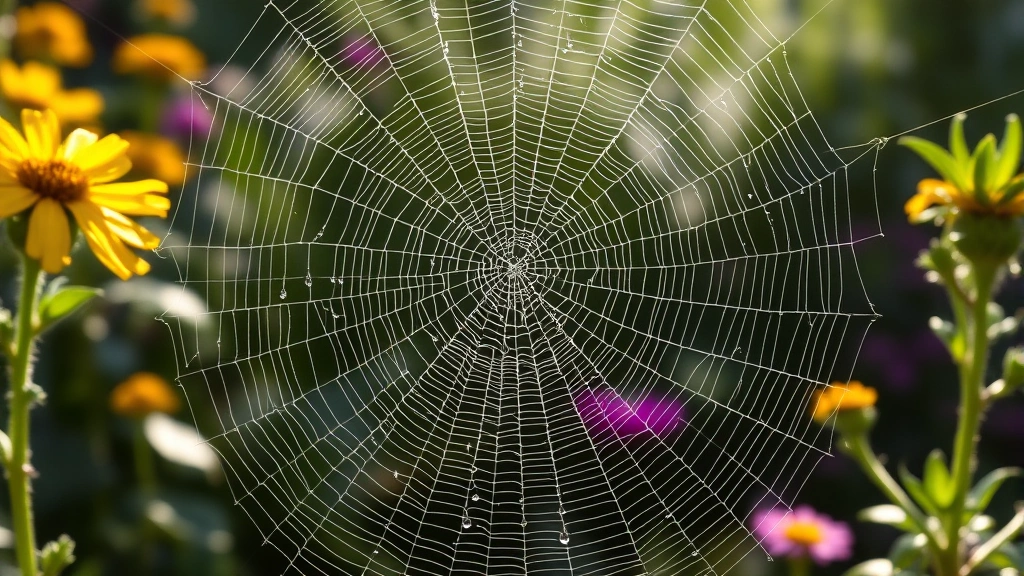
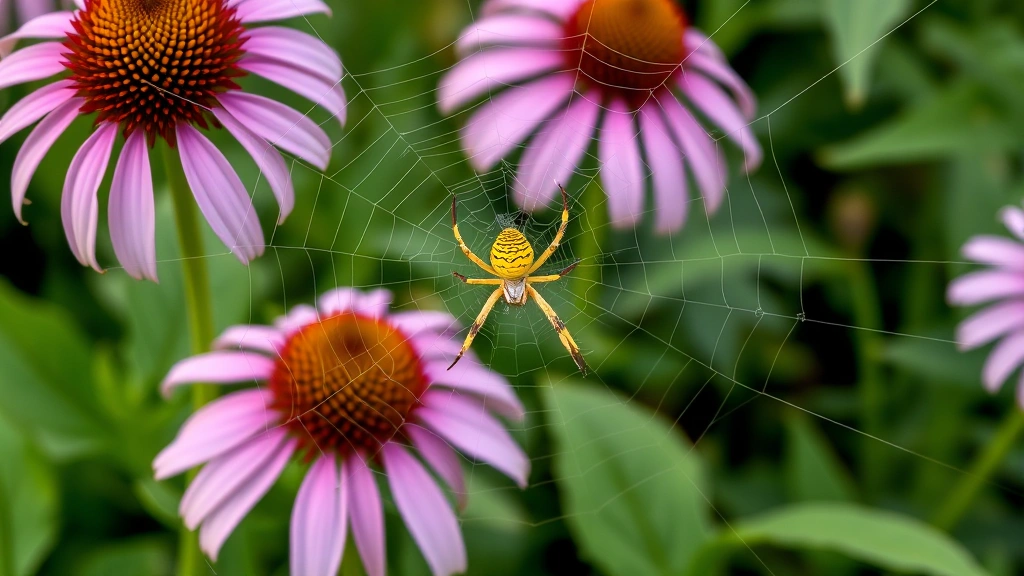
Their webs are equally distinctive and serve as excellent identification tools. Yellow garden spiders construct large, geometric orb webs that can measure up to two feet in diameter. The most notable feature of these webs is the distinctive white or yellow zigzag band running vertically through the center, called a stabilimentum. Scientists still debate the exact purpose of this striking pattern, though theories suggest it may help with camouflage, prey attraction, or web visibility prevention.
When examining a yellow garden spider, you’ll notice their body is relatively robust compared to other spiders, reflecting their role as active hunters. The flower garden environment provides ideal hunting grounds for these predators, and their presence indicates a healthy, balanced ecosystem with adequate insect populations.
Species Variations & Look-Alikes
While Argiope trifasciata is the most common yellow garden spider species, several related species share similar characteristics. The Argiope bruennichi, often called the zebra spider or banded garden spider, is nearly identical and equally common throughout North America. Both species display the characteristic yellow and black pattern and construct similar webs with stabilimenta.
The Argiope pennsylvanica is another native species found primarily in eastern North America, displaying similar coloration and behavior. These species are virtually indistinguishable to casual observers and serve identical ecological functions in gardens. All Argiope species are completely non-toxic and pose no threat to humans or pets.
When distinguishing yellow garden spiders from potential look-alikes, focus on the distinctive striped abdomen and web pattern. Common misidentifications include wasps or yellow jackets, but these insects have entirely different body structures and behaviors. Wasp mimicry in the spider’s appearance actually serves as a protective mechanism, discouraging predators from attempting to eat them.
Some gardeners confuse yellow garden spiders with the larger, more aggressive-looking orb weavers, but the bright coloration and web stabilimentum make positive identification straightforward. If you’re uncertain about spider identification in your region, contact your local university extension service or master gardener program for assistance.
Habitat Requirements & Garden Setup
Creating an ideal habitat for yellow garden spiders begins with understanding their environmental preferences. These spiders thrive in areas with abundant vegetation and flowering plants that attract flying insects. They prefer locations with moderate sunlight exposure, typically positioning their webs in areas receiving 4-6 hours of direct sun daily, which provides warmth for activity while offering some shade protection.
The ideal garden setup includes a diverse mix of plants at varying heights. Tall perennials, flowering plants, shrubs, and even herbs create multiple web-building opportunities and attract diverse insect prey. Yellow garden spiders particularly favor areas with dense foliage where they can anchor their webs to multiple points. Plants like coneflowers, zinnias, sunflowers, and cosmos are excellent choices that provide both structure and pest insect attraction.
When planning raised bed gardens or flower beds, consider spacing that allows air circulation while maintaining plant density. Yellow garden spiders need adequate room to construct their substantial webs without constant web damage from wind or brushing foliage. A spacing of 12-18 inches between plants typically provides optimal conditions.
Avoid using pesticides and chemical treatments in areas where you want to encourage yellow garden spiders. These chemicals eliminate the insect prey these spiders depend on and can directly harm the spiders themselves. Instead, embrace organic gardening practices that support the entire food web. This includes avoiding broad-spectrum insecticides and instead using targeted, less toxic approaches when pest management is absolutely necessary.
Water management is another important consideration. While yellow garden spiders don’t need standing water like some creatures, maintaining consistent garden moisture supports the insect populations they hunt. Morning watering creates dewdrops that highlight their webs beautifully and may also help with visibility and prey capture efficiency.
Behavior Patterns & Web Construction
Yellow garden spiders are fascinating to observe, particularly during web construction and hunting. These spiders are diurnal hunters, meaning they’re active during daylight hours when flying insects are most abundant. Unlike nocturnal spiders that hide during the day, yellow garden spiders actively hunt and can be observed sitting in the center of their webs throughout sunny days.
The web-building process is remarkably efficient. A female typically constructs a new web every day or every few days, completing the entire structure in 30 to 60 minutes. The process begins with anchoring silk to vegetation at multiple points, then systematically creating the radial threads and spiral structure. The distinctive stabilimentum is added last, running vertically through the web’s center in a zigzag pattern.
Once the web is complete, the spider positions itself at the center hub, where it remains motionless until vibrations indicate trapped prey. Yellow garden spiders have excellent vibration sensing capabilities, allowing them to detect even tiny insects caught in their web. When prey is detected, the spider quickly moves toward the struggling insect, wrapping it in silk before delivering a venomous bite that paralyzes the victim.
The venom used by yellow garden spiders is specifically evolved to affect insects and has no impact on humans or large animals. The spiders are extremely docile and will not bite unless directly crushed or threatened. Their primary defense mechanism is remaining still and relying on their warning coloration to discourage predators.
Mating behavior occurs in late summer and early fall. Males are significantly smaller than females and approach the female’s web cautiously, using specific vibration patterns to signal their intentions. Successful mating is followed by the female laying hundreds of eggs in a silken egg sac, which she guards fiercely until her death.
Life Cycle & Seasonal Timing
Understanding the yellow garden spider lifecycle helps gardeners know when to expect these beneficial creatures and how to support them through different seasons. In most regions, the lifecycle begins in spring when overwintering eggs hatch in response to warming temperatures. Spiderlings emerge from the egg sac and quickly disperse through ballooning, a process where they release silk threads that catch air currents, carrying them to new locations.
Throughout spring and summer, young spiders grow rapidly through a series of molts. By mid-summer, they reach sexual maturity, and populations peak in gardens during late summer and early fall. This timing coincides perfectly with peak garden pest seasons, making yellow garden spiders invaluable for natural pest management during the most critical growing period.
Mating occurs in late summer and early fall, with females laying their eggs in protective silken sacs before winter. In most temperate regions, adult spiders do not survive winter. Instead, the species overwinters in the egg stage, with eggs remaining dormant through cold months and hatching when spring warmth returns. In warmer climates, some individuals may survive winter and continue hunting through the cold season.
The seasonal presence of yellow garden spiders means they’re most visible and active from June through October, with peak abundance in September and early October. This natural timing is advantageous for gardeners managing late-season pest problems without relying on chemical interventions. Planning your garden to support overwintering egg sacs ensures spider populations return each spring.
Natural Pest Control Benefits
Yellow garden spiders are among the most effective natural pest control agents available to gardeners. A single spider can consume 15 to 20 insects daily during peak activity, and with multiple spiders in a garden, the cumulative impact on pest populations is substantial. This translates to healthier plants, reduced disease transmission from pest insects, and elimination of the need for chemical pesticides.
The insects caught by yellow garden spiders include many common garden pests: mosquitoes, flies, gnats, small moths, and beetles. They also consume beneficial insects occasionally, but the overall ecosystem benefit far outweighs these minor drawbacks. The spiders help maintain natural balance by controlling pest populations before they reach damaging levels.
In addition to direct pest consumption, the mere presence of yellow garden spiders provides psychological benefits. Many gardeners feel more confident in their garden’s health when they observe these beautiful, beneficial spiders actively hunting. This confidence often translates to reduced pesticide use and increased willingness to accept minor pest damage as part of a healthy garden ecosystem.
Research from North Carolina State University and other agricultural institutions confirms that gardens with diverse spider populations experience significantly lower pest damage compared to chemically treated gardens. The natural predator-prey relationships established by spiders like Argiope species create resilient, self-regulating ecosystems.
Encouraging Yellow Garden Spiders in Your Garden
Creating conditions that attract and support yellow garden spider populations requires a multi-faceted approach focused on plant diversity, insect abundance, and chemical-free management. The foundation begins with preparing your garden soil for healthy plant growth, ensuring robust vegetation that provides web-building structure and attracts prey insects.
Plant selection is critical for supporting yellow garden spider populations. Focus on native plants adapted to your region, as these naturally support local insect populations that spiders hunt. Perennials like black-eyed Susans, coneflowers, bee balm, and asters flower throughout summer and fall, providing extended pest insect attraction. Herbs like fennel, dill, and cilantro are particularly effective, attracting beneficial insects that support the entire food web.
Maintain some areas of your garden with minimal disturbance. Yellow garden spiders benefit from plant material that remains standing through winter, providing shelter and protection for overwintering egg sacs. Avoid aggressive fall cleanup in spider-friendly areas; instead, remove dead plant material in early spring after spiders have emerged.
Water management supports both plants and the insects spiders hunt. Consistent moisture encourages flowering and insect activity throughout the growing season. However, avoid creating standing water that might attract different predators or diseases. Drip irrigation or soaker hoses provide ideal moisture without excessive wetness.
Eliminate pesticide use entirely in areas where you want to encourage yellow garden spiders. Even organic-approved pesticides can reduce insect populations that spiders depend on. If pest management is absolutely necessary, use the most targeted, least toxic approach available. Hand-picking larger pests or using row covers for vulnerable young plants are excellent alternatives.
Consider adding flowering structures like trellises, arbors, or tall plant supports that provide additional web-anchoring points. Yellow garden spiders position their webs at various heights depending on available structure, so offering multiple options increases the number of spiders your garden can support. Sunflowers, pole beans, and climbing flowers create excellent web-building locations.
Patience is essential when establishing spider-friendly gardens. It may take one or two growing seasons before yellow garden spider populations become established. Once established, however, these beneficial spiders will return reliably each year if you maintain appropriate conditions and avoid pesticide use.
If you’re interested in expanding your understanding of beneficial garden organisms, learning about how to propagate plants that support diverse wildlife is an excellent next step. Native plant propagation ensures you have plenty of spider-friendly vegetation available for garden expansion or sharing with fellow gardeners.
Web Maintenance & Observation
Observing yellow garden spider webs provides both aesthetic enjoyment and valuable insights into your garden’s pest populations. The distinctive stabilimentum makes these webs easy to locate, particularly when covered with morning dew. Many gardeners appreciate these webs as decorative elements, appreciating the geometric precision and architectural beauty.
Avoid disturbing established webs unless absolutely necessary. A damaged web requires the spider to expend energy rebuilding, and frequent disturbance may cause the spider to relocate. If you must work near a web, move slowly and carefully, or wait until evening when the spider is less active and may temporarily leave the web.
Broken webs are quickly repaired by the spider, typically within a few hours. If you notice a damaged web in the morning, the spider will likely have it completely rebuilt by afternoon. This rapid repair capability is remarkable and demonstrates the efficiency of these creatures’ adaptation to garden environments.
Document spider presence in your garden through observation and photography. Keeping notes on when yellow garden spiders first appear, peak population periods, and their favorite web-building locations helps you understand your garden’s ecosystem and make informed decisions about plant placement and garden management.
Addressing Common Concerns
Many gardeners initially worry about yellow garden spiders, fearing they might bite humans or pose other threats. This concern is entirely unfounded. Yellow garden spiders are extremely docile and will not bite unless directly crushed. Even then, their small fangs have difficulty penetrating human skin. Any bite that did occur would cause no more discomfort than a mosquito bite and no systemic effects whatsoever.
Parents and pet owners can be reassured that yellow garden spiders pose absolutely no danger to children or pets. The spiders are not aggressive, don’t seek confrontation, and their venom is specifically evolved for insect prey. Dogs and cats may investigate spiders but are unlikely to be harmed by them.
Some gardeners worry that spider populations will explode without natural controls. In reality, spider populations self-regulate based on available prey and resources. Once populations reach the carrying capacity of your garden, they stabilize naturally. Predators of spiders, including wasps, birds, and larger insects, help maintain balance without any intervention required.
Concerns about web appearance in landscaped gardens are valid but manageable. Positioning spider-friendly plants in less visible areas or in dedicated wildflower sections allows you to enjoy their pest control benefits while maintaining the aesthetic you prefer in prominent garden areas. Many gardeners find the architectural beauty of spider webs enhances rather than detracts from garden appearance.
FAQ
Are yellow garden spiders dangerous to humans?
No, yellow garden spiders are completely harmless to humans. They are extremely docile, will not bite unless directly crushed, and their venom has no effect on mammals. They’re safe to have around children and pets.
What is the white zigzag on the spider’s web called?
The distinctive white or yellow pattern running vertically through the center of the web is called a stabilimentum. Scientists debate its exact function, with theories suggesting it aids in camouflage, prey attraction, or visibility prevention.
How long do yellow garden spiders live?
In most temperate regions, adult yellow garden spiders live only a few months, typically from spring through fall. The species overwinters in the egg stage, with new spiders emerging each spring. In warmer climates, some individuals may survive winter.
Can I relocate a yellow garden spider?
While spiders can be relocated, it’s generally best to leave them where they’ve established. If you must move one, do so gently using a cup and paper, releasing it in a nearby suitable location. Moving disrupts their web-building and hunting patterns.
How many insects does a yellow garden spider eat?
A single yellow garden spider consumes approximately 15 to 20 insects daily during peak activity periods. With multiple spiders in a garden, the cumulative pest control impact is substantial and can significantly reduce the need for chemical pesticides.
What should I do if I find an egg sac?
Leave egg sacs undisturbed. They’re overwintering stages that will hatch in spring when temperatures warm. Protecting these sacs ensures spider populations return each year. Avoid removing plant material containing egg sacs during fall cleanup.
Do yellow garden spiders bite?
Yellow garden spiders rarely bite and will only do so if directly crushed or severely threatened. Even if a bite did occur, their small fangs have difficulty penetrating human skin, and their venom has no effect on humans.
What plants attract yellow garden spiders?
Yellow garden spiders are attracted to areas with abundant flowering plants and diverse vegetation. Excellent choices include coneflowers, zinnias, sunflowers, cosmos, black-eyed Susans, and herbs like dill and fennel that attract the insects spiders hunt.
Can I use pesticides in a garden with yellow garden spiders?
No, pesticide use will eliminate the insect prey that yellow garden spiders depend on and may directly harm the spiders. For pest management in spider-friendly gardens, use organic, targeted approaches like hand-picking or row covers instead.
When are yellow garden spiders most active?
Yellow garden spiders are most active and visible from June through October, with peak populations in September and early October. They’re diurnal hunters, active during daylight hours when flying insects are most abundant.


