Can Sweet Tea Help Your Garden? Expert Analysis
Sweet tea is a beloved beverage enjoyed across many regions, but gardeners have long wondered whether this sugary drink offers benefits beyond refreshment. The question of using sweet tea in gardening has sparked considerable debate among horticulturists and home growers alike. Some swear by pouring cooled, unsweetened brewed tea on their plants, while others question whether added sugars provide any genuine advantage. This comprehensive analysis examines the science behind tea as a garden amendment, separates fact from folklore, and provides practical guidance on whether sweet tea recipes can genuinely help your garden thrive.
The intersection of culinary traditions and gardening practices often reveals surprising connections. Sweet tea, particularly common in Southern gardening cultures, represents one such intersection where tradition meets horticultural experimentation. Understanding what components in tea might benefit plants—and which might harm them—requires examining both the tea itself and the sugar content that transforms ordinary brewed tea into sweet tea.
The Nutritional Profile of Tea for Plants
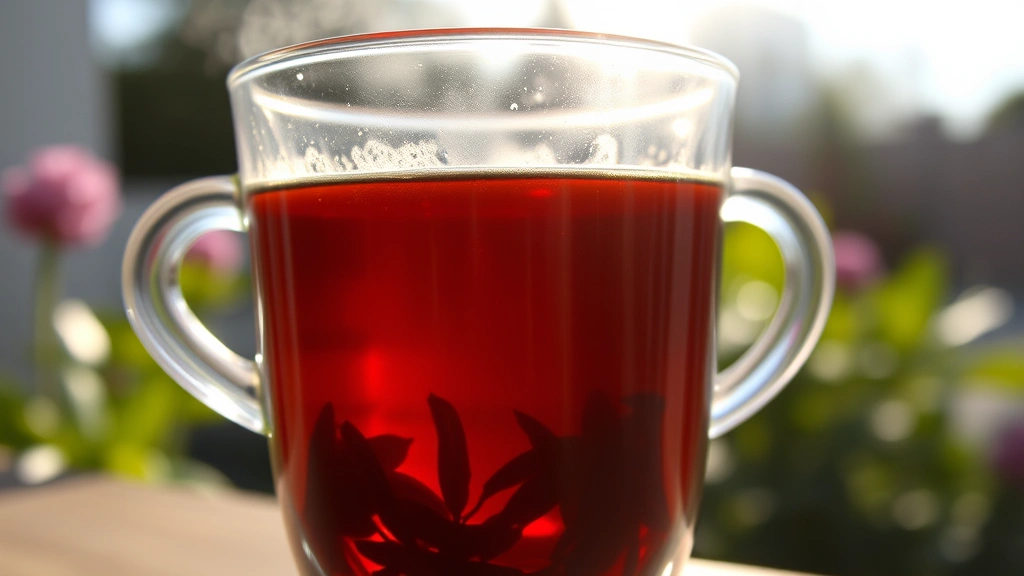
Tea leaves contain numerous compounds that gardeners should understand before applying them to plants. When you brew tea—whether black, green, white, or herbal varieties—you’re extracting minerals, antioxidants, and organic compounds that may have agricultural applications. The primary minerals present in brewed tea include potassium, manganese, magnesium, and calcium, all of which play important roles in plant development and nutrient uptake.
Black tea, the most common variety used in sweet tea preparations, contains approximately 0.15% potassium by weight when brewed. While this concentration seems modest, the cumulative effect of regular applications can contribute to a plant’s overall nutrient intake. Potassium specifically supports root development, disease resistance, and fruit quality—critical factors for any gardener seeking to grow successful vegetables.
The brewing process also releases polyphenols and other organic compounds that may enhance soil microbial activity. These compounds can promote beneficial bacterial growth in soil, potentially improving nutrient cycling and plant-available minerals. However, the concentration of these beneficial compounds depends heavily on brewing time, water temperature, and tea quality. A properly brewed cup of tea contains more active compounds than weak, over-steeped, or commercially prepared tea products.
When considering how to prepare garden soil, many gardeners overlook that soil biology matters as much as mineral content. Tea’s organic compounds can support this biological dimension of soil health, though the effects remain subtle compared to established soil amendments.
Sugar Content and Plant Health
This is where sweet tea recipes require careful scrutiny. The added sugar transforms ordinary tea from a mild nutrient source into a potential problem for plants. When you dissolve sugar in water and apply it to soil, you’re introducing simple carbohydrates that can:
- Feed pathogenic fungi and bacteria rather than beneficial organisms
- Create osmotic stress on plant roots if concentration becomes too high
- Encourage pest populations, particularly soft-bodied insects attracted to sugary residues
- Promote fungal diseases like powdery mildew and damping off in seedlings
- Interfere with natural soil microbial balance
The sugar concentration in typical sweet tea recipes ranges from 3-8 grams per 8-ounce serving, depending on personal preference and regional traditions. For gardening applications, this concentration poses problems. When applied directly to soil, high sugar concentrations can cause osmotic stress—essentially drawing water away from plant roots through osmotic pressure. Additionally, the sugar feeds pathogenic microorganisms preferentially, disrupting the delicate balance of beneficial soil microbes that plants depend on.
If you’re determined to use sweet tea, dilution becomes essential. A proper gardening application would require reducing sugar concentration to negligible levels—essentially negating the “sweet” aspect entirely. This raises an important question: if you’re removing the sugar, why not simply use unsweetened tea, which provides the same mineral and organic compound benefits without the pest and disease risks?
Tannins and Their Garden Impact
Tea’s tannin content deserves specific attention in any gardening analysis. Tannins are polyphenolic compounds that give tea its characteristic color and slightly astringent taste. In gardening contexts, tannins can function as:
Mild Antimicrobial Agents: Tannins exhibit some antimicrobial properties, potentially suppressing certain soil pathogens. However, this effect is subtle and inconsistent, varying based on tannin concentration, specific tea variety, and soil conditions.
Organic Matter Contributors: When brewed tea is incorporated into soil, the tannins and other organic compounds contribute to soil organic matter development. Over time, this can improve soil structure, water retention, and microbial habitat quality.
Chelation Factors: Tannins can bind with certain minerals, potentially affecting nutrient availability. In some cases, this improves plant uptake of otherwise unavailable minerals. In other cases, it might reduce nutrient bioavailability—the net effect depends on soil pH, existing mineral content, and plant species.
For gardeners considering raised bed gardening systems, tannin-containing amendments offer some advantages. Raised beds often contain commercial potting mixes that lack the complex organic compounds and microbial communities found in established garden soils. Regular tea applications can help establish these biological communities more quickly.
Safe Sweet Tea Recipes for Gardening
If you choose to apply tea-based solutions to your garden, proper preparation is essential. Here are evidence-based recipes that minimize risk while preserving potential benefits:
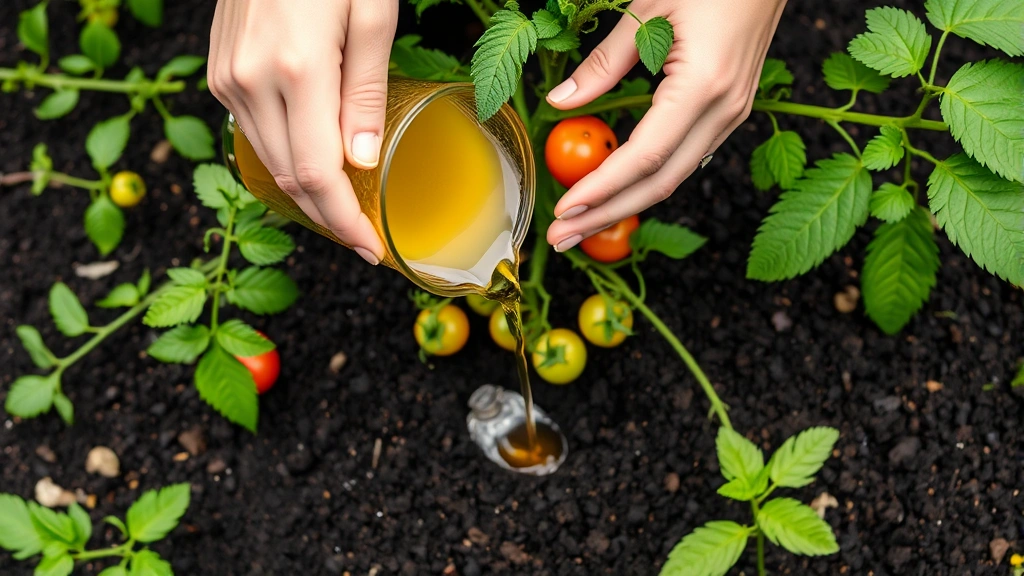
Basic Unsweetened Tea Fertilizer: Brew 2-3 tea bags or 1 tablespoon loose leaf black or green tea in 1 gallon of water for 5-10 minutes. Cool completely before application. Use this solution to water plants once weekly during the growing season. This provides modest mineral supplementation without sugar-related complications.
Composted Tea Enhancement: If you maintain a compost system, add spent tea bags directly to your compost pile. The tannins and organic matter contribute to compost quality, and any sugar present becomes diluted and fermented during the composting process, rendering it harmless.
Tea-Based Soil Drench: For plants showing signs of nutrient deficiency, brew a stronger tea solution using 4-5 tea bags per gallon of water, steep for 15 minutes, cool, and apply directly to the soil around the plant base. Apply once every two weeks. This concentrates the mineral content while avoiding foliar application that might encourage fungal issues.
Herbal Tea Alternatives: Consider brewing chamomile, mint, or other herbal teas instead of traditional black tea. Many herbs contain additional beneficial compounds beyond those found in standard tea leaves. Growing mint in containers provides a ready supply for brewing your own garden-specific herbal solutions.
The critical point: if you’re using tea in the garden, remove the “sweet” element entirely. The sugar provides no benefit to plants and introduces multiple risks. Traditional sweet tea recipes optimized for human consumption require significant modification for horticultural use.
Application Methods and Best Practices
How you apply tea-based solutions matters as much as the solution itself. Different application methods produce different results:
Root Zone Application: Pouring brewed tea directly on soil around plant bases represents the safest method. This targets the roots directly, allows soil microbes to process the tea components, and avoids wet foliage that might encourage fungal diseases. Apply early morning or evening when soil moisture naturally increases.
Foliar Spray Considerations: Some gardeners spray diluted tea directly on plant leaves, theorizing that plants absorb nutrients through foliage. However, this practice carries risks. Wet foliage creates ideal conditions for fungal diseases, and any sugar residue on leaves attracts pests. If you choose foliar application, use only unsweetened, highly diluted tea, and apply in early morning or late evening when temperatures are cool.
Frequency Guidelines: Once weekly application during active growing season represents a reasonable maximum frequency. Applying tea more frequently might concentrate mineral levels excessively or create osmotic stress. Monthly application provides safer, more conservative nutrient supplementation.
Temperature Considerations: Always cool brewed tea completely before application. Hot liquid can damage plant roots and soil microbes. Additionally, cooled tea remains effective for up to 48 hours after brewing; discard any tea left longer than this, as decomposition and microbial colonization can create compounds harmful to plants.
Comparing Tea to Commercial Fertilizers
Understanding how tea compares to conventional fertilizers helps gardeners make informed decisions. Commercial fertilizers provide specific, measurable nutrient ratios, typically indicated by NPK numbers (nitrogen-phosphorus-potassium). A typical all-purpose fertilizer might read 10-10-10, meaning it contains 10% nitrogen, 10% phosphorus, and 10% potassium by weight.
Brewed tea provides approximately 0.15% potassium, essentially negligible nitrogen, and virtually no phosphorus. This means tea cannot replace commercial fertilizers for plants with significant nutrient demands. However, tea offers advantages in other dimensions:
- Organic Matter: Unlike synthetic fertilizers, tea contributes actual organic matter to soil, improving structure and water retention
- Microbial Support: Tea compounds feed beneficial soil organisms; synthetic fertilizers often provide no such benefit
- Cost: If you’re already consuming tea, the marginal cost of applying brewed tea to gardens remains minimal
- Environmental Impact: Tea represents a waste-reduction strategy, repurposing used tea bags that would otherwise enter landfills
For gardening tips for beginners, understanding these distinctions proves essential. New gardeners shouldn’t rely solely on tea for nutrition, but rather view it as a supplementary amendment supporting soil biology while maintaining a foundational commercial fertilizer program.
Seasonal Considerations for Tea Application
Garden conditions change throughout the year, affecting how tea applications impact plants. Strategic seasonal application maximizes benefits while minimizing risks:
Spring Application: As plants emerge from dormancy and soil temperatures rise, spring represents an ideal time to introduce tea-based amendments. Soil microbes become increasingly active, making them receptive to the organic compounds tea provides. Weekly applications from early spring through late spring support new growth without overwhelming nutrient-sensitive seedlings.
Summer Adjustments: Mid-summer heat stress complicates tea applications. High temperatures can concentrate minerals in soil solution, potentially creating osmotic stress on plants already struggling with heat. Reduce application frequency to bi-weekly during intense heat waves. Focus applications on early morning hours when plants and soil are coolest.
Fall Considerations: As plants prepare for dormancy, reduce nitrogen-rich inputs. Tea’s minimal nitrogen content makes it safer than many fertilizers during fall months, but continue applications only if plants show ongoing growth or nutrient deficiency signs. Fall tea applications support root development before winter dormancy.
Winter Dormancy: Most perennials and woody plants require no supplemental nutrition during winter dormancy. Cease tea applications once plants enter dormancy. However, if you maintain winter vegetable gardens or indoor plants, continue modest weekly applications as plant growth continues.
FAQ
Can I use sweet tea directly from my pitcher on plants?
No. The sugar concentration in prepared sweet tea poses risks to plant health. If you’ve already brewed sweet tea for consumption, you can dilute it significantly with water (at least 10:1 water to tea ratio) before application, though unsweetened tea remains preferable. Better practice: brew fresh unsweetened tea specifically for garden use.
Will sweet tea help my tomatoes grow better?
Tomatoes require balanced nutrition with adequate nitrogen, phosphorus, and potassium. While tea provides trace potassium, it cannot replace comprehensive fertilization. Use tea as a supplementary amendment alongside appropriate tomato fertilizers. Some gardeners report improved tomato flavor with regular tea applications, though scientific evidence remains limited.
How often should I apply tea to my garden?
Once weekly during active growing season represents a reasonable maximum. More frequent applications offer no additional benefit and may concentrate minerals excessively. For conservative nutrient supplementation, apply every two weeks. Always cease applications if you notice any signs of nutrient toxicity or plant stress.
Is green tea better than black tea for gardening?
Both contain similar mineral profiles and tannin content. Green tea undergoes different processing than black tea, preserving slightly more polyphenol compounds, but the practical difference for gardening remains negligible. Choose based on availability and cost; the effect on plants is essentially equivalent.
Can I compost tea bags with sweet tea residue?
Yes. Composting breaks down sugar and other compounds, rendering them harmless. Add spent tea bags directly to compost piles; they decompose readily and contribute organic matter. The sugar actually feeds beneficial compost microbes during the fermentation process.
What external signs indicate tea application is helping my plants?
Improved leaf color, stronger stem development, and enhanced disease resistance represent potential benefits. However, these improvements develop gradually over weeks or months, not days. If you observe improvements, continue applications. If no changes occur after 6-8 weeks, consider switching to commercial fertilizers with documented nutrient content.
Can I use instant tea or tea powders in the garden?
Commercial instant tea and powders often contain additives, sweeteners, and processing chemicals not ideal for garden use. Stick with brewed loose leaf tea or standard tea bags without additives. This ensures you’re applying only natural tea compounds without industrial processing agents.


