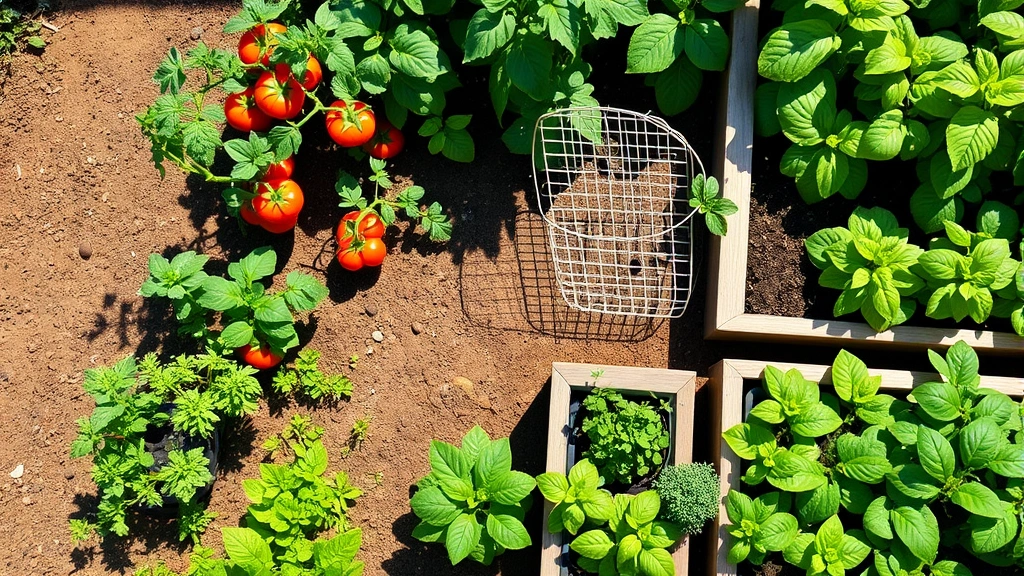
Grow a Garden? Sweet Tea Recipe Included!
There’s something uniquely satisfying about growing your own garden and then enjoying the fruits (and herbs!) of your labor with a refreshing glass of homemade sweet tea. Whether you’re a complete beginner or have some gardening experience, combining garden cultivation with culinary rewards creates a fulfilling hobby that nourishes both body and soul. This comprehensive guide walks you through starting your garden journey while sharing an authentic sweet tea recipe you can make with ingredients grown right in your backyard.
The beauty of gardening lies not just in the therapeutic act of tending plants, but in the tangible rewards that follow. Imagine picking fresh mint leaves for your afternoon beverage, knowing exactly where they came from and how they were grown. When you start your gardening journey, you’re investing in a lifestyle that connects you to nature’s rhythms and seasonal changes. This article combines practical gardening advice with a delicious reward—a sweet tea recipe perfect for sipping while you plan your next planting season.
Getting Started with Your Garden
Beginning a garden doesn’t require extensive experience or expensive equipment. The most important step is deciding what type of garden suits your lifestyle and available space. Whether you choose traditional in-ground beds, raised bed gardening, container gardening, or vertical growing systems, the fundamental principles remain the same: provide adequate sunlight, water, and nutrient-rich soil.
For beginners, location is paramount. Most edible plants require at least six to eight hours of direct sunlight daily. Walk around your property at different times of day to observe which areas receive the most consistent light. Pay attention to water accessibility—you’ll want your garden close enough to easily water during dry spells. Consider proximity to your kitchen for convenient harvesting of herbs and vegetables you’ll use regularly.
Start small with your initial garden plot. A 4×8 foot raised bed or a collection of large containers provides plenty of growing space without becoming overwhelming. Many new gardeners make the mistake of planting too much too soon, leading to burnout and waste. A manageable garden size allows you to learn proper care techniques and develop confidence before expanding.
Preparing Your Garden Soil for Success
Healthy plants begin with healthy soil. Before planting anything, invest time in preparing your garden soil properly. Quality soil is the foundation of a productive garden, and this step separates successful gardeners from frustrated ones.
If you’re working with existing garden beds, conduct a simple soil test through your local USDA plant health services or county extension office. These tests reveal soil pH, nutrient levels, and organic matter content. Most vegetables and herbs prefer slightly acidic soil with a pH between 6.0 and 7.0.
Amend your soil generously with compost or well-rotted manure. Work in two to four inches of organic matter into the top eight to twelve inches of existing soil. This improves drainage, increases nutrient availability, and promotes beneficial microbial activity. If you’re starting with poor quality soil or beginning raised beds from scratch, purchase quality garden soil or create your own blend of equal parts compost, peat moss or coconut coir, and perlite.
For container gardening, use lightweight potting mix rather than garden soil. Regular garden soil compacts in containers, restricting root development and drainage. Potting mixes are specifically formulated for container growing and typically contain perlite or vermiculite for improved aeration.
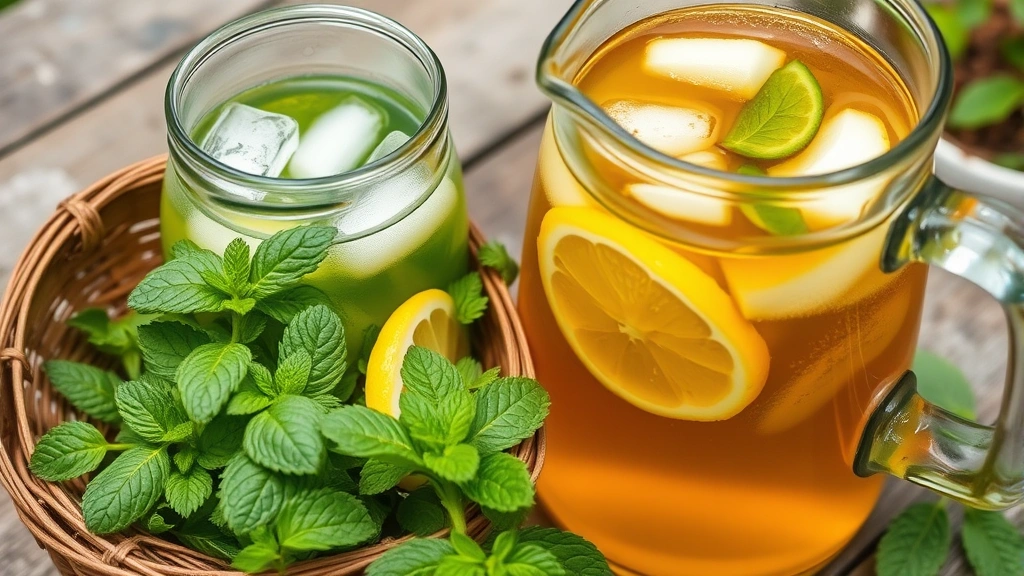
Growing Herbs for Your Sweet Tea
The star ingredient in our featured sweet tea recipe is fresh mint, but you can also grow complementary herbs that enhance homemade beverages. Mint varieties thrive in most climates and grow vigorously—perhaps too vigorously. Contain mint in its own pot or a dedicated bed section to prevent it from overtaking neighboring plants.
Mint prefers partial shade and consistently moist (but not waterlogged) soil. Plant it in spring after the last frost. Water regularly, especially during hot summers. Pinch off flowering stems to encourage bushier growth and extend the harvest season. One or two mint plants produce enough leaves for frequent tea throughout the growing season.
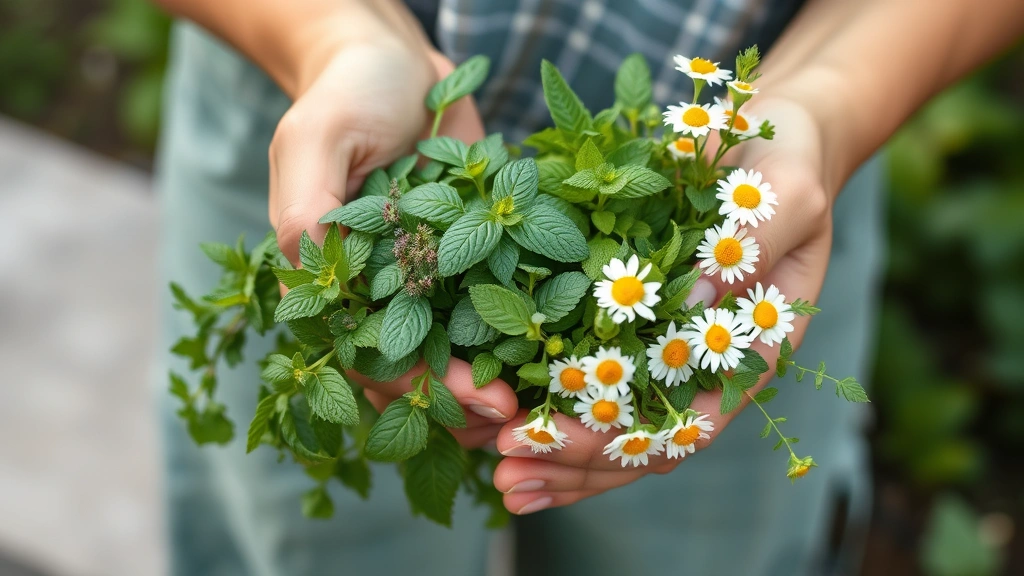
Chamomile is another excellent tea herb that grows easily from seed. This delicate-looking plant produces small white flowers with yellow centers that dry beautifully for tea. Chamomile prefers full sun and well-draining soil. Direct sow seeds in spring, and you’ll have blooms by early summer.
Lemon balm (Melissa officinalis) adds bright citrus notes to tea without any actual lemon. This hardy perennial grows readily from seed or transplants. Like mint, lemon balm can spread enthusiastically, so contain it appropriately. Harvest leaves regularly to maintain compact growth.
Lavender brings floral elegance to tea blends and requires minimal care. Plant lavender in full sun with excellent drainage. This Mediterranean native actually prefers drier conditions than most herbs, making it ideal for gardeners in arid regions or those prone to overwatering. English lavender varieties are hardier than French types and better suited to most climates.
Essential Vegetables for Beginners
Once you’ve prepared your soil and established your herb garden, expand into easy to grow vegetables for beginners. These reliable producers build confidence and provide fresh produce for your kitchen.
Tomatoes are the quintessential garden vegetable. Choose determinate varieties for containers or small spaces, and indeterminate types for larger gardens. Tomatoes require full sun, consistent watering, and support structures like cages or stakes. Plant them after all frost danger passes. Prune suckers (shoots between the main stem and branches) on indeterminate varieties to direct energy toward fruit production.
Lettuce and leafy greens grow quickly from seed and provide harvests within three to four weeks. These cool-season crops prefer partial shade in summer and full sun in spring and fall. Direct sow seeds every two weeks for continuous harvests. Lettuce is shallow-rooted, so container growing works wonderfully.
Zucchini and summer squash produce abundantly with minimal effort. Plant in full sun after frost danger passes. These vigorous plants need space—allow two to three feet between plants. Water deeply and consistently. One or two plants provide more than enough squash for most households.
Peppers grow well in containers and gardens. Start from transplants rather than seed since they require a long growing season. Peppers need warmth, full sun, and consistent moisture. Space plants twelve to eighteen inches apart. Both sweet and hot varieties grow with identical care requirements.
Cucumbers can be grown vertically on trellises to save space. Like squash, cucumbers grown in pots produce abundantly when given proper support. Provide consistent moisture and full sun. Harvest frequently to encourage continued production.
The Perfect Sweet Tea Recipe
Now for the reward! This classic sweet tea recipe uses fresh mint grown in your garden. This traditional beverage is perfect for hot afternoons and pairs beautifully with garden-fresh meals.
Ingredients:
- 8 cups water
- 5-6 black tea bags (or loose tea equivalent)
- 1 cup fresh mint leaves (loosely packed)
- ¾ to 1 cup sugar (adjust to taste preference)
- Ice cubes
- Lemon slices (optional, from your garden citrus)
- Fresh mint sprigs for garnish
Instructions:
- Bring eight cups of water to a rolling boil in a large pot or kettle.
- Remove from heat and add tea bags and fresh mint leaves simultaneously.
- Steep for five to seven minutes. The longer steeping time extracts maximum flavor from both tea and mint.
- Strain the mixture through a fine-mesh sieve into a heat-safe pitcher, pressing gently on the mint and tea bags to extract remaining liquid.
- While the tea is still hot, stir in sugar until completely dissolved. Start with ¾ cup and taste before adding more—homemade sweet tea is more refreshing when slightly less sweet than commercial versions.
- Allow the tea to cool to room temperature, then refrigerate until chilled.
- Serve over ice with fresh lemon slices and mint sprigs.
For variation, try adding fresh lemon balm instead of mint, or use a combination of both. Some gardeners infuse the hot tea with dried chamomile flowers for a soothing evening version. Lavender adds subtle floral notes—use just two to three tablespoons of fresh flowers to avoid overpowering the tea.
This recipe yields approximately eight servings and keeps refrigerated for up to five days. Make it fresh weekly for optimal flavor and to fully appreciate your homegrown herbs.
Garden Maintenance Tips Throughout the Season
Successful gardening requires consistent attention to several key maintenance tasks. Develop a simple routine to keep your garden thriving without excessive time investment.
Watering is critical, especially during establishment and hot weather. Most vegetables need one to two inches of water weekly, either from rainfall or irrigation. Water deeply but less frequently to encourage deep root development. Morning watering reduces disease pressure by allowing foliage to dry quickly. Drip irrigation or soaker hoses deliver water directly to roots while minimizing evaporation and leaf wetness.
Weeding becomes easier when done regularly. Remove weeds when they’re small and before they set seed. Consistent weeding prevents competition for nutrients and water. Mulching around plants with two to three inches of organic mulch suppresses weeds while moderating soil temperature and retaining moisture.
Fertilizing needs vary by plant type and soil condition. If you amended your soil well with compost before planting, many vegetables won’t need additional fertilizer. However, heavy feeders like tomatoes and squash benefit from supplemental fertilization mid-season. Use balanced organic fertilizers or compost tea for gentle, sustained nutrient delivery.
Pest management should emphasize prevention. Healthy plants grown in good soil resist pests better than stressed plants. Inspect plants regularly for early pest detection. Remove affected leaves or hand-pick larger pests. Encourage beneficial insects by planting flowers. Use organic pesticides only when necessary, and always follow label directions carefully.
Deadheading and pruning direct plant energy toward production. Remove spent flowers from herbs to encourage continued growth rather than seed production. Prune tomato suckers, remove diseased leaves promptly, and maintain plant shape for better air circulation.
Seasonal Gardening Guide for Year-Round Growing
Gardening follows nature’s rhythms. Understanding what to plant and when ensures continuous harvests and successful outcomes.
Spring (after last frost) is ideal for planting warm-season crops like tomatoes, peppers, squash, and cucumbers. Start cool-season crops like lettuce and peas in early spring before soil warms. Prepare beds, apply mulch, and establish irrigation systems. This is prime herb-planting season—mint, basil, and lemon balm all thrive when planted in spring.
Summer requires consistent watering and pest management. Harvest vegetables at peak ripeness to encourage continued production. Plant successive crops of lettuce in shaded areas for fall harvest. Deadhead herbs to promote bushier growth. In late summer, start fall crops like broccoli and cabbage from transplants.
Fall brings cooler temperatures ideal for cool-season crops. Plant lettuce, spinach, kale, and root vegetables. These crops mature quickly in fall’s shortening days. Harvest herbs abundantly before first frost. Preserve extras by drying or freezing. Perennial herbs like mint and lavender continue producing until frost.
Winter offers rest and planning time in cold climates. Protect perennial herbs with mulch. In mild climates, continue harvesting cool-season crops. Use winter months to improve soil for spring planting, plan next year’s garden layout, and learn new techniques.
FAQ
How much space do I need to grow a productive garden?
A 4×8 foot raised bed or six to eight large containers (five-gallon minimum) produce substantial vegetables and herbs for a household. Start small and expand based on your success and available time.
Can I grow herbs and vegetables in containers?
Absolutely! Container gardening works excellently for most vegetables and herbs. Use quality potting mix, ensure adequate drainage holes, and choose containers sized appropriately for mature plant roots. Tomatoes, peppers, lettuce, mint, and basil thrive in containers.
When should I harvest herbs for maximum flavor?
Harvest herbs in the morning after dew dries but before the day’s heat peaks. This timing captures maximum essential oils and flavor. Pinch off leaf clusters from the top of the plant rather than harvesting entire stems at once.
What’s the best way to preserve homegrown herbs?
Dry herbs by hanging bundles upside down in a warm, dark location with good air circulation. Once completely dry, strip leaves from stems and store in airtight containers. Alternatively, freeze herbs in ice cube trays with water or oil, then store frozen cubes in freezer bags.
How do I know if my plants need water?
Check soil moisture two inches deep. If soil feels dry at that depth, it’s time to water. Container plants dry faster than garden beds and may need daily watering in hot weather. Overwatering causes more problems than underwatering—ensure pots have drainage holes.
Can beginners really grow their own vegetables successfully?
Yes! Start with easy vegetables like lettuce, zucchini, tomatoes, and herbs. Choose disease-resistant varieties, provide adequate sunlight and water, and amend soil with compost. Most gardening “failures” teach valuable lessons that lead to future success.
Is organic gardening more difficult than conventional methods?
Organic gardening emphasizes soil health, prevention, and natural pest management rather than synthetic chemicals. For beginners, organic methods are often easier since they focus on building healthy ecosystems rather than fighting nature.
What external resources help beginning gardeners?
Contact your local university extension office for region-specific gardening advice. The Master Gardeners USA program offers free expert advice. Visit Garden Organic for organic growing techniques. Local horticultural societies and botanical gardens often host workshops and plant sales.


