Table of Contents
Introduction
Picture this: stepping outside your back door and picking fresh tomatoes for tonight’s salad. Or harvesting crisp lettuce that didn’t travel hundreds of miles to reach your plate. Sounds pretty amazing, right? That’s exactly what happens when you start growing your own vegetables—and honestly, it’s easier than you think. Sure, the idea might feel overwhelming at first. Where do you even begin? What if you kill everything? (Spoiler alert: most of us do at some point, and that’s totally okay.)
Here’s the thing about vegetable gardening—you don’t need to be born with a green thumb. Most of those “natural gardeners” you admire? They learned through trial and error, just like you will. The secret is starting with the basics and choosing plants that actually want to grow. When you get started with gardening tips for beginners, you’re setting yourself up to focus on simple practices that work. And when you pick vegetables that are naturally forgiving? You’ll probably surprise yourself with how well things grow. Nothing builds confidence quite like your first successful harvest.
Now, let’s talk soil—because this is where the magic really happens. Think of soil as the foundation of your house. You wouldn’t build on a shaky foundation, and your plants feel the same way about poor soil. Rich, well-draining soil is like a five-star hotel for plant roots—they get everything they need to thrive. Learning how to prepare garden soil might sound technical, but it’s actually pretty straightforward. Good soil preparation prevents those frustrating problems that make beginners want to give up—you know, like plants that just sit there doing nothing or mysteriously turn yellow overnight.
What’s really exciting is that many of the easiest vegetables to grow are also nutritional powerhouses. We’re talking leafy greens that practically grow themselves, root vegetables that forgive your watering mistakes, and crowd-pleasers like tomatoes and zucchini that make you feel like a gardening genius. The key is matching plants to your climate and skill level—kind of like choosing the right difficulty setting in a video game. And here’s a bonus: understanding nutrition facts about kale shows you why growing this leafy green isn’t just easy—it’s like having a superfood factory in your backyard. When you combine smart gardening choices with nutritional knowledge, you’re not just growing food. You’re growing better health.
What You’ll Learn in This Guide
Ready to dive in? We’re going to walk through everything you need to know to start your vegetable garden with confidence. No overwhelming jargon or complicated techniques—just practical steps that actually work.
- Choosing Easy Vegetables: Learn about beginner-friendly crops like leafy greens, root vegetables, and simple fruiting plants that thrive with minimal care.
- Preparing Your Soil and Garden Bed: Understand how to test and enrich soil, select the best garden location, and lay out your planting area for optimal growth.
- Planting and Care Essentials: Discover the best practices for seed starting, spacing, watering, sunlight needs, and basic pest management tailored to beginners.
- Common Challenges and Solutions: Identify typical issues like pests, diseases, and environmental stresses, with practical, natural solutions to help your garden flourish.
In the sections ahead, we’ll explore vegetables that are not only easy to grow but genuinely satisfying to harvest and eat. (There’s something deeply satisfying about eating food you grew yourself—trust me on this.) We’ll walk through soil preparation step by step, show you how to get seeds and seedlings off to a strong start, and share the care techniques that keep your plants happy throughout the growing season. If you’re curious about different garden setups, you might want to check out the raised bed gardening advantages as one option to consider.
By the time you finish this guide, you’ll have the confidence to start your first garden and the knowledge to troubleshoot problems before they become disasters. Growing your own vegetables will shift from something that seems impossible to something that brings you genuine joy—not to mention fresh, delicious food that tastes better than anything from the store.
So grab those gardening gloves (or borrow some—we’ve all been there), get ready to get your hands dirty, and let’s turn you into a successful home gardener. Your first thriving vegetable garden is closer than you think!
Want to start growing your own vegetables? You’re in for a treat. There’s something magical about stepping outside and picking fresh tomatoes or crisp lettuce that you grew yourself. And here’s the best part—you don’t need to be an expert to get started. With the right plants and a few smart moves, even complete beginners can have a garden that actually produces food (not just wishful thinking). We’re going to walk through the easiest vegetables to grow, the basic steps that’ll set you up for success, and how to dodge the most common rookie mistakes. Whether you’ve got a huge backyard or just a tiny balcony for containers, you can absolutely make this work.
Top Easy-to-Grow Vegetables for Beginners
Here’s the secret to gardening success: start with plants that actually want to grow. Some vegetables are just naturally cooperative—they’ll forgive your mistakes and still give you something delicious to eat. Think of leafy greens, root vegetables, and a few other garden favorites that practically grow themselves. These plants don’t just survive beginners; they thrive with them. Quick growth, tasty results, and plenty of room for error. Before you dive in though, check out these essential gardening tips for beginners—they’ll help you nail the basics like plant selection and soil prep from day one.
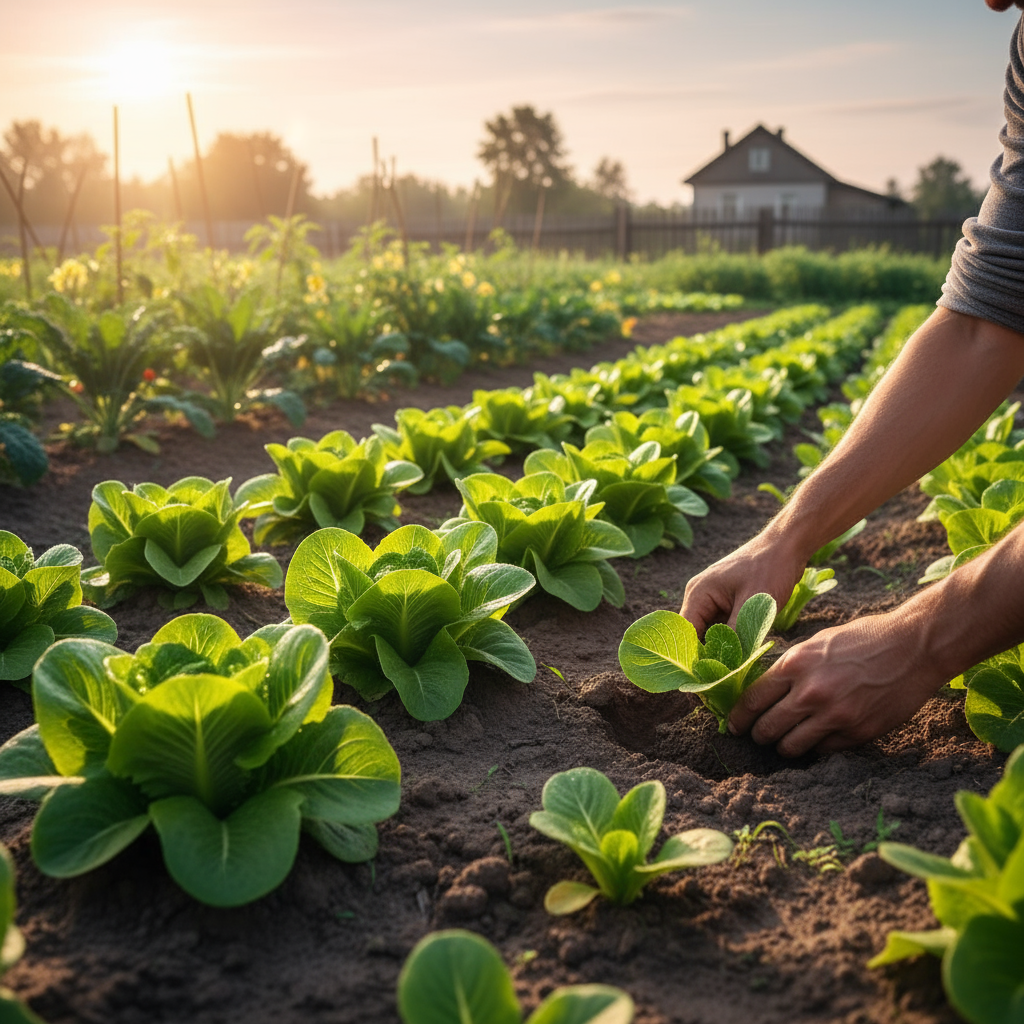
Let’s talk specifics. Leafy greens like lettuce, spinach, and kale? They’re speed demons. Plant them, give them some water and decent soil, and you’ll be harvesting in weeks. They love cooler weather too, so spring and fall are perfect. Root vegetables—radishes, carrots, beets—are almost foolproof if you give them loose, well-draining soil to stretch their roots. Now, if you want to get a little more adventurous, try green beans, zucchini, or tomatoes. Yes, they need more space and maybe some stakes or cages, but the payoff is huge. We’re talking about vegetables that’ll keep producing all season long. The variety here is your friend—you can mix and match based on what you actually like to eat.
Key Aspects of Easy-to-Grow Vegetables
Each type of vegetable has its own personality. Here’s what you need to know:
- Leafy Greens: Fast growers that don’t mind cooler weather. Keep the soil consistently moist (not soggy) and give them good drainage. They’re pretty forgiving if you mess up the watering schedule. For the complete scoop on growing lettuce specifically, check out how to grow garden lettuce.
- Root Vegetables: These guys need room to stretch underground, so loose, deep soil is non-negotiable. Space them properly or you’ll end up with tiny, crowded roots. Getting your soil right is crucial—here’s a great guide on how to prepare garden soil that’ll save you headaches later.
- Green Beans, Zucchini, and Tomatoes: Heat lovers that need full sun and some kind of support system. Get the watering right early on and keep an eye out for pests. When these plants are happy, they’ll practically bury you in produce.
- Versatility and Adaptability: Most beginner-friendly vegetables are pretty forgiving. Make a mistake? They’ll usually bounce back. Don’t have garden beds? Most of these work great in containers too.
Once you see those first green shoots popping up, you’ll understand why people get hooked on gardening. Success breeds curiosity, and pretty soon you’ll want to know everything about soil health and plant care. That’s when the real fun begins.
Basic Steps for Growing Your Vegetables
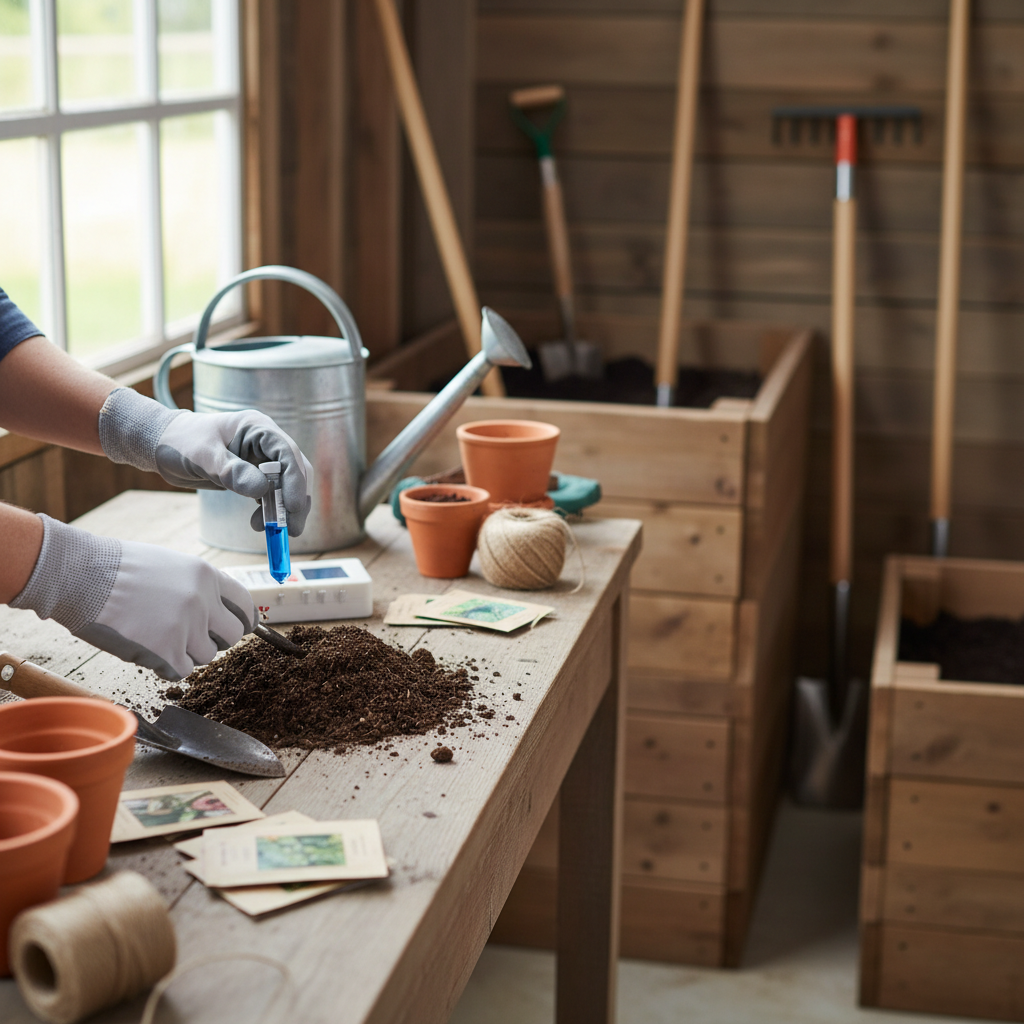
Growing vegetables isn’t rocket science, but there are definitely some fundamentals you can’t skip. It starts with your soil—think of it as the foundation of everything. Test it, improve it, and make sure your plants have the nutrients they need to actually grow (not just survive). Location matters too. Most vegetables are sun worshippers, so find the sunniest spot you’ve got with decent drainage. If you want to really nail the soil prep part, this guide on mastering garden soil preparation breaks down everything about organic amendments and soil improvement. Trust me, good soil makes everything else easier.
Now, should you start with seeds or just buy little plants from the nursery? Both work, and it depends on what you’re after. Seeds give you way more variety and cost less, but seedlings give you a head start (especially helpful if you’re impatient like me). Whatever you choose, don’t crowd your plants. Give them space to breathe and grow—cramped plants are stressed plants, and stressed plants don’t produce well. Once they’re in the ground, consistency is key. Water regularly but not obsessively, make sure they’re getting enough sun, and keep an eye on things. Plants will tell you what they need if you know how to look.
Key Aspects of Vegetable Gardening Steps
Here’s what really matters for garden success:
- Preparing the Garden Bed: Test your soil to see what it’s missing—pH, nutrients, organic matter. Pick a spot that gets at least 6 hours of direct sunlight and drains well after rain. Good preparation now saves you problems later.
- Planting Tips: Seeds vs. seedlings is your call, but either way, don’t plant too close together. Air circulation prevents disease, and proper spacing means each plant gets the resources it needs to thrive.
- Watering and Sunlight Needs: Most vegetables want full sun (6+ hours daily). Water deeply but less frequently rather than little sprinkles every day—this encourages strong root systems that can handle dry spells better.
- Ongoing Care and Monitoring: Check your garden regularly. Catch problems early—whether it’s pests, diseases, or nutrient issues—and they’re much easier to fix. Prevention beats treatment every time.
Follow these basics and you’ll be amazed at what grows. The best part? Each season teaches you something new, and before you know it, you’ll be the one giving gardening advice to your neighbors.

Starting your first vegetable garden? You’re in for something special. There’s nothing quite like the satisfaction of harvesting fresh produce you grew yourself—whether it’s from your backyard or just a few containers on your balcony. We’ve covered some fantastic beginner-friendly options: leafy greens like lettuce and kale, root vegetables such as carrots and radishes, and those wonderfully productive plants like green beans and zucchini. Here’s what makes these perfect for new gardeners—they’re forgiving. Make a small mistake? No problem. These plants will bounce back and keep growing.
But here’s the thing about successful gardening: it’s not just about picking the right plants. You need to nail the basics first. Think of it like building a house—you need a solid foundation. That means testing your soil (trust me, it matters more than you think), finding the right spot with good sunlight, getting your spacing right, and understanding when and how to start your seeds. We also talked about those inevitable challenges every gardener faces. Pests showing up uninvited? Environmental stress from inconsistent watering? These things happen to all of us. The key is knowing how to handle them naturally and recognizing when your vegetables are ready for harvest.
Ready to level up your gardening game? Here’s where you can really make a difference. Start by mastering soil preparation—seriously, this is where the magic happens. Good soil is like a five-star restaurant for your plants. If you want to dive deeper into the fundamentals, there are comprehensive guides that’ll help you avoid those rookie mistakes we all make (and yes, even experienced gardeners still make them sometimes). Want a quick win? Try growing lettuce first. It’s fast, rewarding, and gives you that confidence boost every new gardener needs.
Now, here’s something interesting most people don’t think about: the nutritional powerhouse you’re creating in your backyard. Take kale, for example—you’re not just growing a vegetable, you’re growing a superfood. When you understand both the gardening side and the nutritional benefits, suddenly that little seedling becomes so much more meaningful. You’re not just gardening; you’re investing in your health and connecting with what you eat in a way that’s pretty rare these days.
So here you are, ready to take that first step. Grab some seeds, get your hands dirty, and watch something amazing happen. Because gardening isn’t really about the vegetables (though they’re pretty great). It’s about that moment when you realize you can create life from a tiny seed. It’s about the peace you feel when you’re working with your hands in the soil. And yes, it’s definitely about that first bite of a tomato that actually tastes like a tomato should taste. Stay curious, keep learning, and most importantly—enjoy every single harvest.
Frequently Asked Questions
-
What vegetables are best for beginner gardeners?
- Start with the forgiving ones: lettuce and other leafy greens, radishes and carrots, plus green beans and zucchini. These plants won’t give up on you if you make a few beginner mistakes along the way.
-
How much sunlight do these vegetables need?
- Most vegetables need at least 6 hours of direct sunlight each day to really thrive and give you the best harvest. Think of it as their daily energy requirement.
-
Can I grow vegetables in containers if I don’t have a garden?
- Absolutely! Many vegetables actually do great in containers. As long as you’ve got good soil, consistent watering, and enough sunlight, you can grow plenty of fresh food in pots.
-
How often should I water my vegetable garden?
- Deep watering once or twice a week usually does the trick. Check your soil moisture and adjust based on weather—you want to avoid both drought stress and waterlogged roots.
-
When should I start planting my vegetables?
- Wait until after your area’s last frost date to plant. This gives your seeds and seedlings the best chance to establish themselves without getting zapped by unexpected cold weather.