Table of Contents
Introduction
Picture this: you’re standing in your garden, picking sweet, crisp peas right off the vine. They’re so fresh they practically pop in your mouth, bursting with that incredible sweetness you just can’t get from store-bought produce. Sound good? Growing peas might just be the perfect place to start your gardening adventure—or take your green thumb to the next level. Here’s the thing about peas: they’re surprisingly forgiving, they grow fast (which means quick gratification), and they’ll reward you with beautiful flowers before giving you those delicious pods.
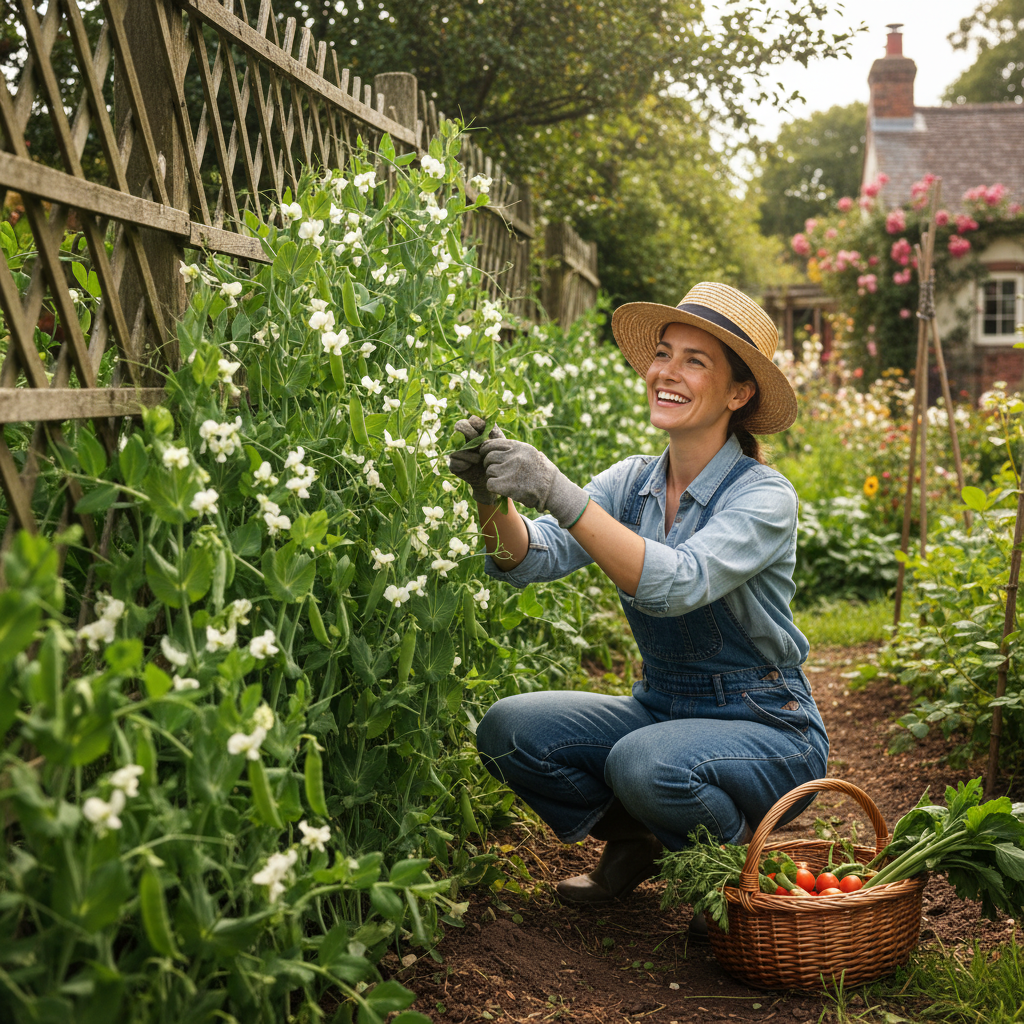
Let me tell you why so many gardeners fall head-over-heels for growing peas. First off, they’re incredibly satisfying to grow. You plant a tiny seed, and before you know it, you’ve got these charming vines climbing up your trellis, showing off delicate white or purple blossoms. But the real magic happens when those flowers turn into plump, tender pods. Whether you’re someone who loves the zen of gardening or you’re all about that farm-to-table lifestyle, peas deliver on both fronts.
Now, let’s talk about something that can make or break your pea-growing success: your soil. I can’t stress this enough—healthy soil is everything when it comes to growing strong plants. If you want those peas to really thrive (and who doesn’t?), you’ll want to check out our detailed guide on how to prepare garden soil. Trust me, a little soil prep goes a long way. We’re talking about testing your pH, working in some good compost, and making sure drainage is on point. Skip this step, and you might find yourself wondering why your peas aren’t living up to their potential.
Speaking of maximizing your garden’s potential—have you ever thought about propagating your own plants? It’s easier than you might think, and it can seriously boost your garden’s productivity. Our guide on how to propagate plants covers everything you need to know about multiplying your garden favorites. And if you’re just getting started with this whole gardening thing? No worries at all. Check out our gardening tips for beginners—it’s packed with the basics like watering schedules, dealing with pests, and keeping your seedlings happy. Because let’s face it, we all started somewhere.
What You’ll Learn in This Guide
Ready to dive in? We’re going to cover everything—and I mean everything—you need to know about growing peas successfully. From picking the right varieties for your climate to harvesting those perfect pods at just the right moment. Garden peas, snap peas, snow peas—we’ve got you covered no matter which type makes your mouth water.
- Choosing the Right Pea Varieties: Learn about different types of peas and how to select the ones that fit your garden’s climate and your culinary goals.
- Preparing the Garden Soil: Discover how to prepare your soil for optimal pea growth, including testing, amending, and creating the perfect planting bed.
- Planting and Care Tips: Follow detailed instructions on planting depth, spacing, watering, fertilizing, and supporting pea plants for healthy development and pest management.
- Harvesting and Using Your Peas: Understand when and how to harvest your peas for the best flavor and texture, along with ideas for enjoying them fresh from your garden.
As we walk through this together, you’ll get practical advice that actually works—not just theory, but real-world tips from someone who’s been there. Growing peas should be fun, not stressful. That’s why I’m going to break everything down into manageable steps that won’t overwhelm you. By the time you’re done reading, you’ll have the confidence to grow peas like a pro.
We’ll tackle timing (because early spring planting can be tricky), soil selection, caring for those climbing vines, and spotting trouble before it becomes a real problem. The truth is, growing peas can be absolutely addictive once you get the hang of it. There’s something magical about watching those little seeds transform into productive plants that feed your family. And with the right approach? You’ll be harvesting delicious peas season after season.
But here’s what I really want you to remember as we get started: gardening isn’t just about the end result. Sure, those sweet peas are amazing, but there’s something deeply satisfying about slowing down, getting your hands dirty, and being part of the growing process. Peas are perfect for this—they grow quickly enough to keep you engaged but give you plenty of time to enjoy the journey. So grab your gardening gloves, and let’s turn your space into a pea-growing paradise.
Want to grow amazing peas in your garden? It all comes down to two things: picking the right varieties and getting your soil just right. Sure, gardening’s having a moment right now (and honestly, there’s nothing quite like fresh peas straight from your own garden), but here’s the thing—most people jump in without understanding these basics first. We’re going to walk through everything you need to know about choosing pea varieties that’ll actually thrive in your specific garden, plus the soil prep steps that’ll set you up for success. Whether you’re just starting out or you’ve been gardening for years, these strategies will help you grow better peas and enjoy that sweet, homegrown taste we’re all after.
Choosing the Right Pea Varieties for Your Garden
Here’s where most people go wrong—they grab whatever pea seeds look good at the store without thinking about what’ll actually work in their garden. Big mistake. Peas aren’t all the same, and picking the right type makes all the difference. You’ve got three main players: garden peas (the ones you shell), snow peas (eat the whole flat pod), and snap peas (sweet peas with crunchy, edible pods). Think of it like choosing the right tool for the job—each one serves a different purpose in your kitchen and garden. Garden peas are your classic “little green spheres in a pod” that you probably remember from childhood. Snow peas? Those are the flat ones you see in stir-fries. And snap peas are basically the best of both worlds—sweet like garden peas but you can munch the whole thing. If you’re just getting started and want to learn more about variety selection, check out these gardening tips for beginners that cover the basics of planning your garden space.
Now, here’s something crucial that catches new gardeners off guard: climate matters. A lot. While peas generally love cool weather (they’re not fans of summer heat), some varieties handle temperature swings better than others. Early-maturing garden peas are perfect if you live somewhere with short springs—they’ll give you a harvest before the heat kicks in. Snap peas, on the other hand, are climbing varieties that love those extended cool periods. Speaking of climbing—that’s another decision point. Bush peas stay compact and support themselves, while climbing varieties will sprawl everywhere unless you give them something to climb (think trellises or stakes). The climbers usually give you more peas, but they need more work. It’s like choosing between a low-maintenance friend and a high-maintenance one who brings more to the party. For more insights on setting up your garden bed properly, these soil preparation tips will help you get the foundation right.
Key Aspects of Choosing Pea Varieties
Keep these points in mind when you’re picking out your pea varieties:
- Types of Peas: Garden peas are for shelling, snow peas have edible flat pods, and snap peas give you sweet peas in crunchy edible pods. Match your choice to how you actually cook and eat—no point growing snow peas if you never stir-fry.
- Growth Habits: Bush varieties stay small and need no support, while climbing varieties produce more but need trellises or stakes. Think about your garden space and how much work you want to put in.
- Climate Suitability: Some varieties handle heat better, others prefer longer cool seasons. Check what works in your area—fighting your climate is a losing battle.
- Harvesting and Culinary Preferences: Do you want fresh peas for summer salads, dried peas for winter soups, or crunchy pods for snacking? Your kitchen habits should drive your variety choices.
Once you’ve nailed down the perfect pea varieties for your garden, it’s time to talk soil prep—because even the best pea varieties won’t thrive in poor soil.
Preparing Garden Soil for Healthy Pea Growth
Let’s be real—soil prep isn’t the glamorous part of gardening, but it’s absolutely crucial. Think of it as laying the foundation for a house. You can have the most beautiful design, but if the foundation is weak, everything falls apart. Peas are pretty easygoing, but they do have preferences. They like their soil slightly acidic to neutral (pH around 6.0 to 7.5—don’t worry, you can test this with a simple kit from any garden center). If your soil is too acidic, add some lime. Too alkaline? Work in some sulfur. The real magic happens when you add organic matter like compost or well-rotted manure. This stuff is like vitamins for your soil—it feeds the plants and improves the soil structure so roots can spread easily and water drains properly. For a deeper dive into all the soil prep steps, including testing and amendments, take a look at this guide on how to prepare garden soil.
Here’s something that’ll save you heartache later: location matters as much as soil quality. Peas need sun (at least 6 hours a day) and good drainage. Waterlogged soil is basically a death sentence for peas—they’ll develop root rot faster than you can say “harvest time.” Before you plant anything, clear out weeds and debris. I know it’s tedious work, but those weeds are basically bullies that’ll steal nutrients and water from your pea seedlings. Turn the soil over, work in your compost, and you’re setting yourself up for success. One last thing about fertilizer—go easy on the nitrogen. Too much and you’ll get gorgeous, leafy plants that produce hardly any peas. It’s like feeding someone too much caffeine—lots of energy, but not much productivity.
Key Steps in Soil Preparation for Peas
Here’s your soil prep checklist to get things right:
- Sunlight and Drainage: Find a spot with full sun and soil that drains well. Soggy soil equals dead peas—it’s that simple. If water pools after rain, pick a different spot or build raised beds.
- Organic Matter Incorporation: Work compost or well-rotted manure into your soil. This improves everything—nutrients, soil structure, water retention. It’s like a multivitamin for your garden.
- Soil pH Management: Test your soil pH and adjust if needed. Most garden centers sell simple test kits. Peas prefer slightly acidic to neutral soil, so aim for that 6.0-7.5 range.
- Weed and Debris Removal: Clear everything out before planting. Weeds compete for nutrients and water, and debris can harbor pests and diseases. Start clean, stay clean.
Get these fundamentals right—the right pea variety for your garden and properly prepared soil—and you’re well on your way to a fantastic harvest. These aren’t just garden tasks; they’re investments in months of fresh, delicious peas that’ll make all this prep work feel totally worth it.
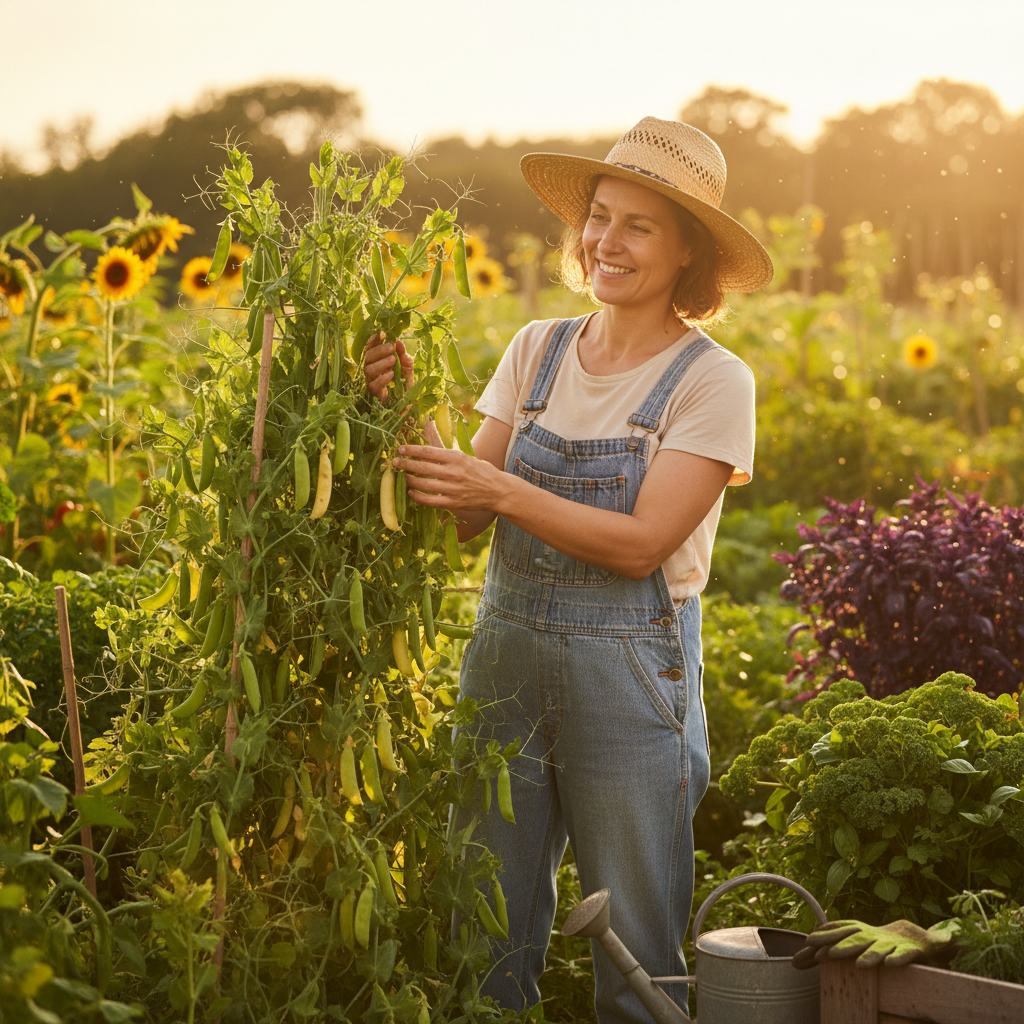
There’s something magical about growing your own peas. Maybe it’s the way those tiny seeds transform into climbing vines, or how satisfying it feels to pop open a fresh pod and taste that sweet crunch. Whatever it is, peas have this wonderful way of making gardeners fall in love with the process all over again. Your success starts with picking the right variety—and trust me, this matters more than you might think. Garden peas, snow peas, snap peas—they’re all different beasts with their own personalities. Some love to climb, others stay compact, and each one brings something unique to your dinner table.
Here’s where the magic really happens: soil prep. I know, I know—it’s not the most exciting part, but get this right and your peas will absolutely reward you for it. Peas are pretty particular about their growing conditions. They want that soil slightly acidic to neutral (think pH 6.0-7.0), well-draining, and rich with organic matter. Take the time to test your soil—it’s like getting a health checkup for your garden. A little amendment here and there can turn okay soil into pea paradise.
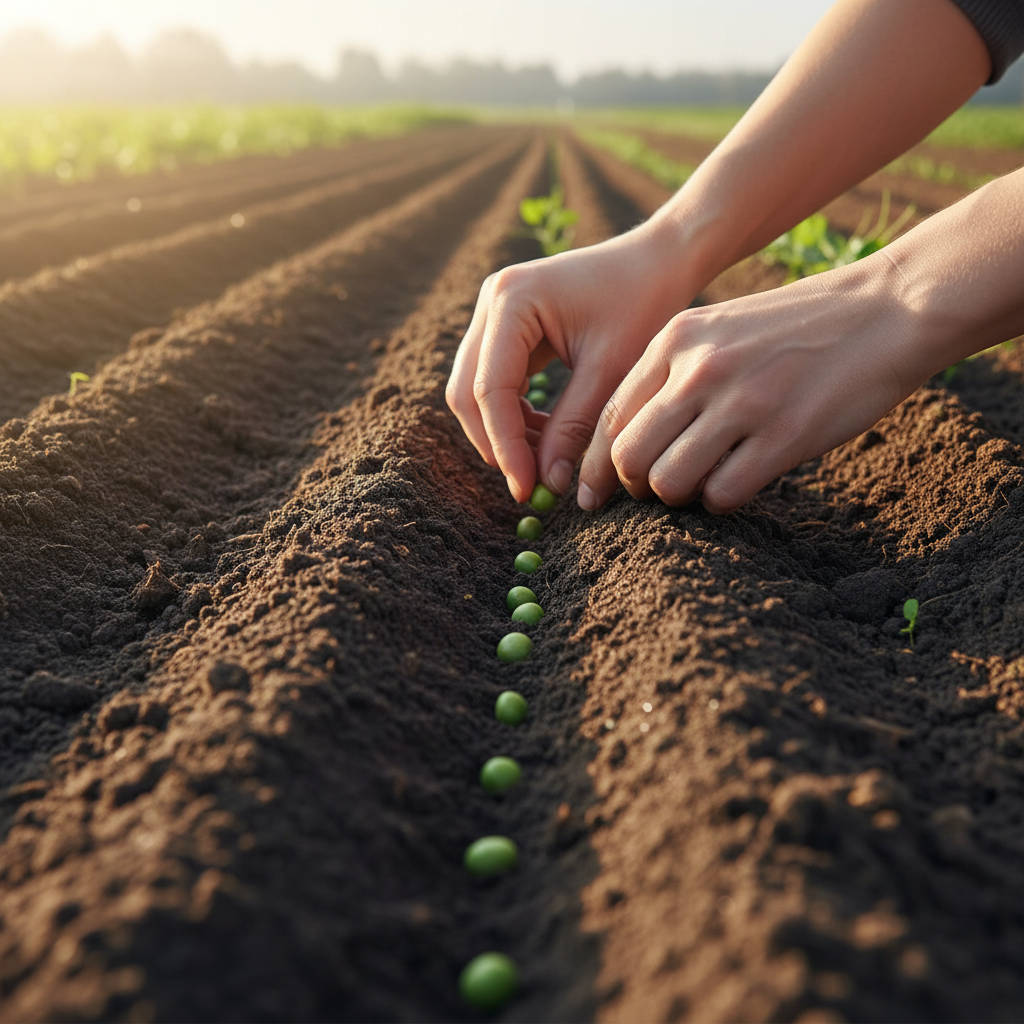
Now comes the fun part—planting and nurturing these little green gems. Spacing matters (give them room to breathe), depth counts (about 1-2 inches deep), and timing is everything (early spring when the soil isn’t frozen solid). Keep that moisture consistent—not soggy, not bone dry, but just right. And here’s a pro tip: go easy on the nitrogen fertilizer. Peas actually fix their own nitrogen (pretty cool, right?), so too much extra nitrogen just makes them leafy without the pods. For those climbing varieties, set up your trellises early. Trust me on this—trying to install support after they’ve started growing is like trying to put socks on a cat.
Let’s talk about keeping your plants healthy and happy. Aphids love peas almost as much as we do, and powdery mildew can crash the party if conditions get too humid. The good news? Most problems are preventable with good air circulation and regular check-ins with your plants. When harvest time rolls around (and you’ll know—those pods will practically call your name), timing is everything. Garden peas are best when the pods are plump but still bright green. Snow peas? Pick them while the pods are flat and tender. Snap peas fall somewhere in between—sweet pods with developing peas inside. Fresh from the garden to your kitchen—now that’s what I call farm-to-table dining.
Ready to take your pea-growing game to the next level? Start with the foundation—literally. Our guide on how to prepare garden soil will walk you through everything from soil testing to creating that perfect growing environment your peas crave. Want to expand your garden without breaking the bank? Check out our comprehensive guide on how to propagate plants—because who doesn’t love free plants? If you’re just getting started with gardening (we all were beginners once!), our gardening tips for beginners covers all the basics you need to know. And if you’re feeling ambitious about spreading the gardening love in your neighborhood, our guide on how to start a community garden might just inspire your next big project.
Growing peas isn’t just about the harvest—though biting into a fresh, sweet snap pea straight from the vine is definitely one of life’s simple pleasures. It’s about that connection to your food, the satisfaction of nurturing something from seed to plate, and the joy of sharing your bounty with friends and family. You’ve got all the knowledge you need now. The soil prep, the planting techniques, the care tips—it’s all there. So grab your seeds, roll up your sleeves, and get ready to create your own little pea paradise. Your taste buds (and your dinner guests) will thank you.
Frequently Asked Questions
-
When is the best time to plant peas?
- Plant peas in early spring as soon as the soil can be worked and is not frozen.
-
How much sunlight do peas need?
- Peas thrive in full sun but can tolerate partial shade.
-
Can peas grow in pots?
- Yes, peas can be grown in containers with good drainage and support.
-
How do I support climbing pea plants?
- Use trellises, stakes, or netting to help pea vines grow upward.
-
What are common pests that affect peas?
- Aphids and pea weevils are common pests; natural predators and gentle control methods work well.