Visiting Phoenix’s Japanese Garden? Ticket Info Here
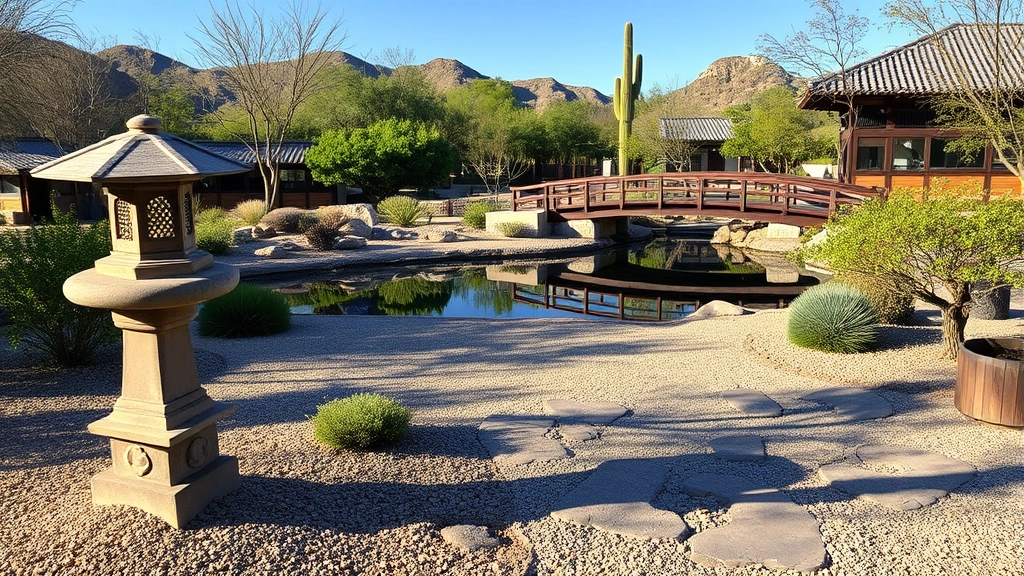
The Japanese Friendship Garden of Phoenix stands as one of Arizona’s most serene horticultural destinations, offering visitors an authentic escape into carefully curated landscapes inspired by traditional Japanese design principles. Located in downtown Phoenix’s Margaret T. Hance Park, this 3.5-acre garden showcases meticulously maintained plantings, water features, and architectural elements that transport guests thousands of miles away from the Sonoran Desert heat. Whether you’re a seasoned gardener seeking inspiration or a casual visitor looking for peaceful surroundings, understanding ticket options and seasonal considerations will help you plan the perfect visit.
Planning your visit requires knowledge of current admission prices, operational hours, and what to expect during different seasons in Phoenix. The garden experiences its peak visitation during cooler months when the desert climate becomes most comfortable for leisurely strolls through shaded pathways. This comprehensive guide covers everything you need to know about Japanese Friendship Garden of Phoenix tickets, seasonal highlights, and what makes this destination special for garden enthusiasts and nature lovers alike.
Ticket Pricing and Admission Options
Japanese Friendship Garden of Phoenix tickets vary depending on visitor age, residency status, and membership preferences. General admission for adults typically ranges from $8 to $12, with discounted rates for seniors (65+), students with valid identification, and children ages 6-17. Children under six usually receive complimentary entry, making this an accessible destination for families. Arizona residents often qualify for special resident discounts, particularly during designated community appreciation days throughout the year.
Annual memberships represent excellent value for frequent visitors, providing unlimited access plus additional perks like guest passes and invitations to exclusive member events. Membership options generally start around $50 for individuals and scale upward for families and household memberships. Group visits require advance booking and offer per-person discounts when groups exceed 10-15 people, making this an ideal option for organized garden clubs, school field trips, and corporate outings.
Online ticket purchases often provide convenience and sometimes modest discounts compared to gate admission. The garden’s official website displays current pricing, special promotions, and seasonal ticket packages. Many visitors appreciate combination deals that bundle garden admission with other downtown Phoenix attractions, so checking local tourism websites may reveal additional savings opportunities.
Payment methods accepted at the garden typically include cash, credit cards, and digital payment options. The gift shop and café located within the garden also accept standard payment methods, so budget accordingly if you plan to purchase plants, gifts, or refreshments during your visit.
Hours of Operation and Best Times to Visit
The Japanese Friendship Garden of Phoenix maintains seasonal hours that reflect Arizona’s dramatic temperature variations throughout the year. During the cooler months (October through April), the garden typically opens at 10 a.m. and closes at 5 p.m., with extended hours on weekends and holidays. Summer hours (May through September) often shift to earlier opening times (sometimes 8 a.m.) with earlier closing times (around 3 p.m.) to accommodate the intense desert heat.
Mid-morning visits between 10 a.m. and noon offer excellent conditions for photography and leisurely exploration before peak afternoon crowds arrive. Early risers who visit during opening hours benefit from softer light, fewer visitors, and cooler temperatures, particularly valuable during warmer months. Late afternoon visits in winter months provide beautiful golden-hour lighting perfect for capturing garden beauty while avoiding midday glare on water features and stone pathways.
Weekday visits generally attract fewer crowds than weekends, allowing more intimate experiences with the garden’s design elements and plantings. Rainy days, while uncommon in Phoenix, create special atmospheric conditions that highlight the garden’s water features and create excellent opportunities for reflection photography without crowds.
Special event days and holiday closures occur periodically throughout the year, so checking the official calendar before planning your visit prevents disappointment. The garden sometimes closes for maintenance or special programming, making advance confirmation of operating status worthwhile.
Seasonal Highlights and Garden Features
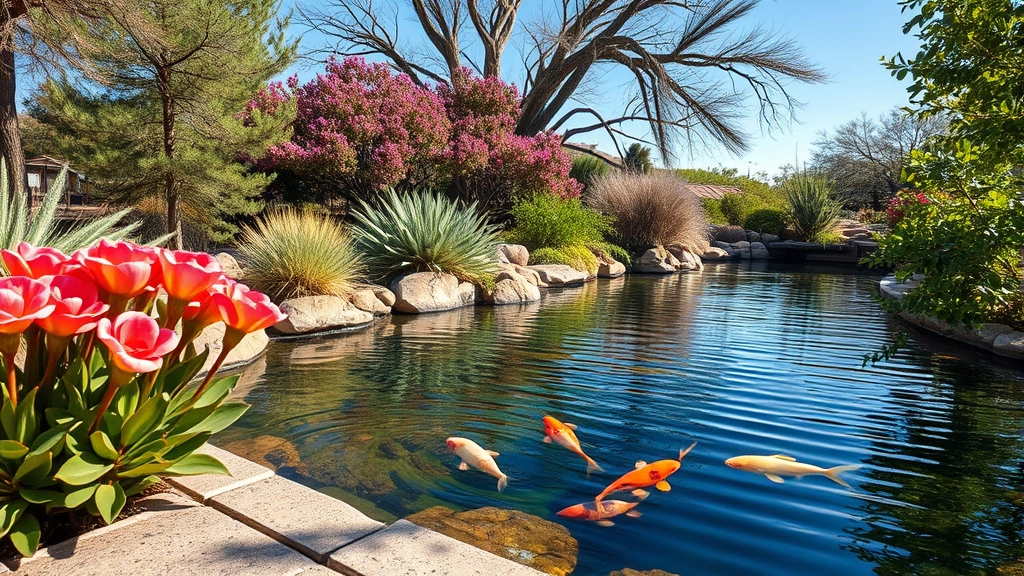
Phoenix’s mild winters make the Japanese Friendship Garden exceptional during November through February, when desert temperatures remain comfortable for extended outdoor exploration. This season showcases blooming small evergreen garden plants and flowering specimens that thrive in desert climates while maintaining Japanese aesthetic principles. Cherry blossoms, though less dramatic than their Japanese counterparts, provide subtle spring beauty in late February and early March.
Spring months (March and April) bring renewed growth throughout the garden as desert plants emerge from dormancy. Water features become more prominent as spring rains occasionally supplement the garden’s sophisticated garden watering system infrastructure. The combination of blooming native plants and carefully maintained Japanese specimens creates dynamic visual interest during this transitional season.
Summer visits require early-morning timing but reward dedicated visitors with glimpses of how Japanese design principles adapt to extreme heat environments. The garden’s thoughtful placement of shade structures, water features, and dense plantings demonstrates how proper garden accessories and design can create comfortable spaces even in challenging climates.
Fall months bring gradual cooling and subtle color changes in foliage, though the Sonoran Desert’s fall season differs dramatically from traditional Japanese autumn experiences. September and October still present heat challenges, but by late October, comfortable conditions return, making this an ideal transition period for visiting.
The garden features multiple distinct zones, each highlighting different aspects of Japanese horticultural tradition. The main plaza area provides open space and orientation, while meandering pathways lead visitors through progressively more intimate garden rooms. Stone lanterns, water basins, bridges, and carefully placed rocks create focal points that guide movement through the space while maintaining the contemplative atmosphere central to Japanese garden philosophy.
What to Bring and How to Prepare
Comfortable walking shoes prove essential for navigating the garden’s various pathways and elevation changes. While the garden spans only 3.5 acres, the winding routes and multiple viewpoints encourage thorough exploration that typically takes 1-2 hours. Appropriate footwear prevents fatigue and allows you to fully appreciate the carefully composed vistas throughout the property.
Sun protection becomes critically important, especially during spring through fall months when Arizona’s intense solar radiation can cause rapid sunburn. Wide-brimmed hats, sunglasses, and high-SPF sunscreen provide essential protection. Long sleeves or lightweight, breathable long pants offer additional sun protection while maintaining comfort in heat.
Hydration represents the most important preparation for Phoenix garden visits. Bring a refillable water bottle and drink regularly, even if you don’t feel thirsty. The desert’s low humidity creates deceptive conditions where visitors lose moisture rapidly without realizing it. Many gardens provide water fountains or refill stations, but carrying your own supply ensures constant access to hydration.
A camera or smartphone enables documentation of inspiring design elements, plant combinations, and architectural features that might inspire your own gardening projects. Consider bringing a small notebook to jot down plant names, design ideas, or observations that might prove valuable for future reference.
Light layers work best for variable Arizona weather, particularly during shoulder seasons when morning temperatures differ significantly from afternoon conditions. A lightweight jacket or sweater easily fits in a small backpack and provides flexibility as conditions change throughout your visit.
Garden Design and Plant Collections
The Japanese Friendship Garden demonstrates authentic design principles adapted specifically for Phoenix’s climate and environment. Rather than attempting to recreate precise Japanese landscapes, the garden thoughtfully incorporates native desert plants, traditional Japanese specimens that thrive in Arizona, and carefully selected non-native species that contribute to the intended aesthetic while respecting environmental sustainability.
Plant selections throughout the garden emphasize foliage texture, seasonal interest, and structural form rather than relying solely on showy flowers. This approach creates year-round visual interest while maintaining the sophisticated restraint characteristic of Japanese design traditions. Visitors interested in desert-adapted plants suitable for home gardens will find numerous specimens worthy of study and inspiration.
The garden’s water features include ponds, streams, and fountains that serve both aesthetic and practical functions. Water attracts birds, supports plant growth, and provides cooling effects through evaporation. Understanding how water integrates into garden design proves valuable for anyone considering installing features like cedar garden bed systems with integrated water management or designing landscape water elements.
Hardscape elements including stone pathways, gravel areas, lanterns, and architectural structures represent equal importance to plantings within the garden composition. The careful selection and placement of materials demonstrates how non-living elements create structure, define spaces, and guide visitor movement through the landscape. These design lessons apply directly to home gardening projects where proper garden tool use and thoughtful material selection enhance overall aesthetic success.
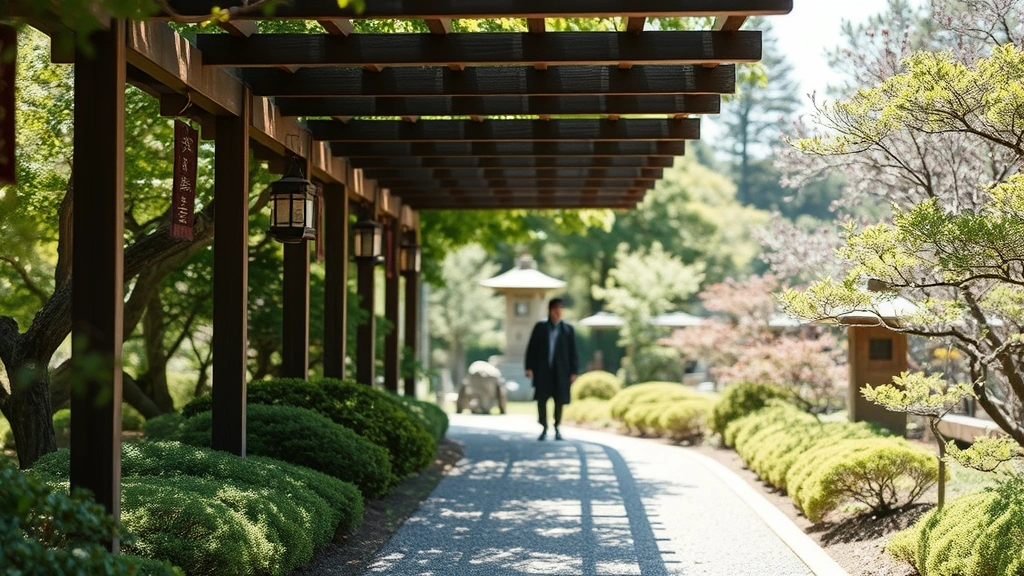
Shade structures throughout the garden provide respite from intense sun while framing views and creating intimate spaces within the larger landscape. Pergolas, pavilions, and tree canopies demonstrate how strategic shade placement improves visitor comfort while maintaining visual interest and connection to surrounding plantings.
Photography and Special Events
Photography enthusiasts find the Japanese Friendship Garden exceptionally rewarding for capturing compelling images. The carefully composed vistas, water reflections, and architectural elements create natural framing opportunities. Early morning and late afternoon light produces particularly beautiful results, with soft directional light revealing texture and depth throughout the garden.
Commercial photography and professional photo shoots require special permits and advance coordination with garden management. Personal photography for non-commercial purposes is generally permitted throughout the garden, though specific policies regarding tripods and equipment may apply. Checking current photography guidelines before your visit ensures compliance and optimal conditions for your photographic goals.
The garden hosts various special events throughout the year, including cultural celebrations, educational workshops, and seasonal festivals. These events often attract larger crowds but provide opportunities to learn from horticultural experts, experience Japanese cultural traditions, and connect with other garden enthusiasts. Event calendars appear on the garden’s official website and social media channels.
Wedding photography and special occasion events can sometimes be arranged through the garden’s events department. The serene setting and beautiful backdrop create memorable spaces for important celebrations, though advance booking and rental fees apply for such uses.
Educational programs and guided tours enhance visitor understanding of Japanese design philosophy, horticultural practices, and cultural significance of specific garden elements. These programs vary seasonally and may require advance registration. Participating in guided experiences provides deeper appreciation than self-guided visits and often reveals details visitors might otherwise overlook.
The garden’s gift shop offers books on Japanese gardening, plant specimens suitable for desert gardens, and decorative items that commemorate your visit while supporting garden operations. Items available often include grow a garden recipes literature and horticultural references that extend the learning experience beyond your visit.
FAQ
What is the current admission price for Japanese Friendship Garden of Phoenix tickets?
General admission typically ranges from $8-$12 for adults, with discounted rates for seniors, students, and children. Arizona residents often receive special discounts. Prices may vary seasonally and during special events, so checking the official website before your visit provides current pricing information.
Are annual memberships worth purchasing for occasional visitors?
Annual memberships typically pay for themselves after 4-6 visits, depending on admission prices and membership costs. If you plan to visit 2-3 times annually, membership provides good value while supporting garden operations and sustainability efforts.
What’s the best time of year to visit the Japanese Friendship Garden?
October through April offers the most comfortable weather for extended garden exploration. November through February provides the most pleasant conditions with mild temperatures and occasional blooming specimens. Early mornings during any season provide the best combination of comfortable temperatures, beautiful light, and fewer crowds.
Can I bring food and drinks into the garden?
Policies regarding outside food and beverages vary. Many gardens permit visitors to bring water and snacks but restrict glass containers and alcohol. The garden’s café provides food and beverage options for those preferring on-site purchases. Checking current policies before your visit prevents inconvenience.
Is the garden wheelchair accessible?
The garden accommodates visitors with mobility challenges, though some areas involve elevation changes and uneven surfaces. Contacting the garden directly regarding specific accessibility needs ensures proper planning and optimal experience for all visitors.
How long does a typical visit last?
Most visitors spend 1-2 hours exploring the garden at a leisurely pace. Rushed visits might take 45 minutes, while photography enthusiasts and design students often spend 2-3 hours. The experience length depends on personal interests and comfort level with the climate.
Are dogs or pets allowed in the garden?
Pet policies typically restrict animals except service dogs. Verifying current pet policies before planning your visit prevents disappointment and ensures compliance with garden regulations.


