Japanese Friendship Garden of Phoenix Tickets: Your Complete Visitor Guide
The Japanese Friendship Garden of Phoenix stands as one of Arizona’s most serene botanical destinations, offering visitors a tranquil escape into authentic Japanese landscape design and horticultural traditions. Located in downtown Phoenix’s Heritage and Science Park, this 3.5-acre garden showcases traditional Japanese aesthetics, native plantings, and carefully curated water features that transport guests thousands of miles away from the desert heat. Whether you’re a seasoned garden enthusiast or a casual visitor seeking peaceful surroundings, understanding ticket options and planning your visit ensures you maximize this unique cultural and botanical experience.
Planning a visit to the Japanese Friendship Garden requires knowing more than just admission prices—it’s about understanding seasonal variations, special events, and the best times to experience the garden’s ever-changing plant collections. This comprehensive guide walks you through everything from ticket purchasing to what to expect during your visit, helping you make the most of your time in this Phoenix gem.
Ticket Types and Pricing Information
The Japanese Friendship Garden offers multiple ticket options to accommodate different visitor preferences and budgets. General admission tickets typically range from $12 to $15 for adults, with discounted rates for seniors (65+), students with valid identification, and children ages 3-12. Children under three generally receive free admission. Military personnel and first responders often qualify for special discounts, so bringing valid identification is worthwhile.
Annual memberships provide excellent value for frequent visitors, offering unlimited access throughout the year plus additional perks like guest passes, special event invitations, and merchandise discounts. Family memberships accommodate households with multiple members, making them ideal for those planning regular visits. Group rates apply to parties of fifteen or more, requiring advance reservations through the garden’s official website or phone line.
Online ticket purchases through the garden’s official website often provide small discounts compared to gate admission, and advance purchases guarantee entry during peak season months when capacity limits may apply. Many visitors combine their garden ticket with admission to other Heritage and Science Park attractions, creating a full-day cultural experience.
Hours of Operation and Best Times to Visit
The Japanese Friendship Garden typically operates year-round with seasonal hour adjustments. Summer hours (May through September) usually run 8 AM to 5 PM, while winter hours (October through April) extend to 6 PM, allowing visitors to experience the garden during golden hour photography opportunities. Tuesday closures are standard, so plan accordingly when scheduling your visit.
Spring months (March through May) represent peak visitation season when cherry blossoms bloom and temperatures remain comfortable for extended outdoor exploration. Fall (October through November) offers similarly pleasant weather with stunning autumn foliage displays. Winter visitors enjoy mild daytime temperatures perfect for leisurely strolls, though early mornings may feel crisp.
Summer visits require early morning arrival to avoid peak heat, with 8 AM to 10 AM being ideal for comfortable exploration and superior photography conditions. Arriving thirty minutes before opening provides parking advantages and allows you to experience the garden’s quiet morning atmosphere before crowds arrive.
Garden Features and Plant Collections
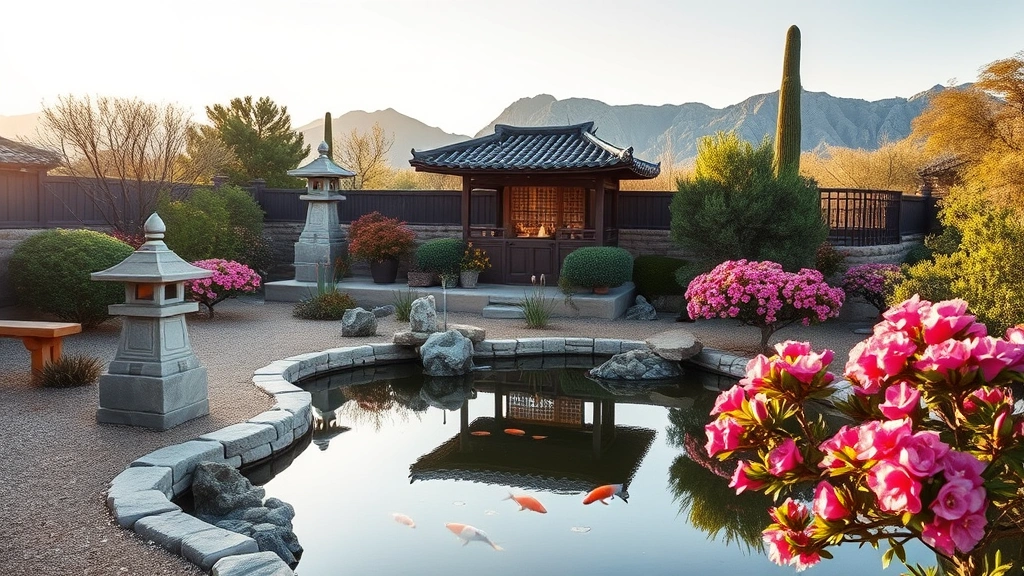
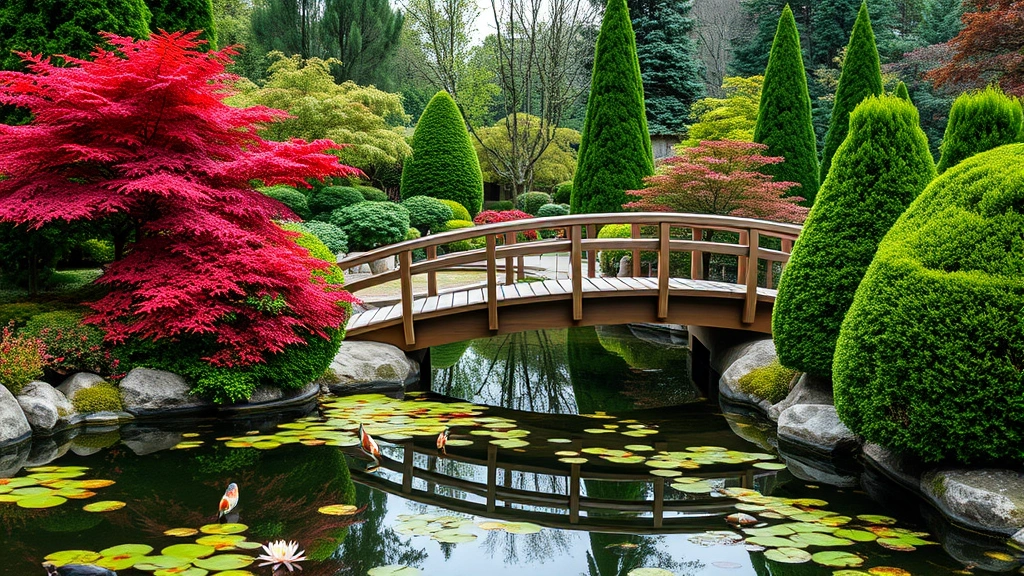
The Japanese Friendship Garden encompasses several distinct landscape zones, each representing different aspects of traditional Japanese garden design philosophy. The main garden features a central koi pond with graceful stone bridges, traditional tea house structures, and meticulously maintained plantings that demonstrate principles of balance, harmony, and natural beauty.
Native Arizona plants integrate seamlessly throughout the garden design, proving that Japanese aesthetic principles adapt beautifully to desert climates. Desert-adapted specimens like Texas privet, desert willow, and native shrubs thrive alongside traditional Japanese selections, creating a unique hybrid landscape. This approach to garden design with shade cloth and strategic plantings demonstrates sustainable horticultural practices suited to arid regions.
Water features play central roles in Japanese garden philosophy, and the pond ecosystem supports koi fish, native aquatic plants, and creates soothing soundscapes throughout the property. Carefully positioned stone lanterns, viewing platforms, and pathway systems guide visitors through each garden section, encouraging contemplation and discovery.
The garden maintains seasonal plant rotations, with spring bringing azalea blooms (similar to those found in famous azalea gardens) and summer featuring vibrant tropical selections. Fall displays showcase Japanese maples with brilliant foliage, while winter plantings emphasize evergreen structure and form.
Planning Your Visit: What to Bring and Wear
Appropriate attire significantly enhances your garden experience. Comfortable walking shoes with good arch support are essential, as pathways include both level sections and gentle inclines. Arizona sun exposure requires sunscreen (SPF 30+), a wide-brimmed hat, and sunglasses even during winter months when UV rays remain strong at desert elevations.
Bring plenty of water—at least two liters per person, especially during warm months. While some visitors find portable garden chairs useful for extended contemplation in designated areas, the garden provides benches throughout for rest and observation. A camera or smartphone for photography captures garden beauty, though some visitors prefer experiencing the space without devices.
Lightweight layers work best year-round, as morning temperatures may differ significantly from afternoon conditions. During winter months (November through February), bring a light jacket for comfortable early morning or evening visits. Insect repellent helps during warmer months when mosquitoes near water features may be active.
Consider bringing a small notebook if you enjoy journaling observations about plant specimens, design elements, or personal reflections inspired by the peaceful environment. Many visitors find the garden’s tranquil atmosphere conducive to mindfulness and creative thinking.
Seasonal Highlights and Special Events
The Japanese Friendship Garden celebrates seasonal transitions with special events and themed programming throughout the year. Spring Cherry Blossom Festival (typically March-April) features traditional performances, cultural demonstrations, and special food offerings. This peak season event attracts significant crowds, so arriving early or purchasing tickets in advance is highly recommended.
Summer evening events sometimes include outdoor concerts or cultural presentations, taking advantage of extended daylight hours. Fall programming often highlights autumn foliage with guided tours focusing on seasonal plant changes and Japanese horticultural traditions. Winter holiday events bring festive lighting displays and seasonal decorations.
The garden regularly hosts educational workshops on Japanese gardening techniques, including bonsai cultivation, ikebana (flower arranging), and landscape design principles. These programs provide deeper understanding of the philosophical and practical aspects of Japanese horticulture. Many workshops include hands-on components where participants create their own arrangements or learn propagation techniques.
Check the garden’s event calendar before visiting, as special programming may affect regular hours or require separate admission fees. Many events sell out quickly during peak season, making advance registration advisable.
Photography and Garden Etiquette
The Japanese Friendship Garden welcomes photography for personal use, with certain guidelines protecting the peaceful environment for all visitors. Tripods and professional equipment require advance permission from garden management. Respect other visitors’ experiences by avoiding flash photography near water features or during quiet meditation areas.
Early morning and late afternoon light provides optimal photography conditions, with soft directional light highlighting plant textures and water features. The garden’s carefully composed vistas offer numerous compelling photographic subjects without requiring advanced equipment—smartphone cameras capture beautiful images from strategic viewpoints.
Maintain garden etiquette by staying on designated pathways, avoiding stepping on plantings, and not touching or picking vegetation. The garden accessories and decorative elements throughout the space represent significant investment and cultural importance—treat all elements with respectful care.
Speaking softly preserves the serene atmosphere that makes Japanese gardens restorative spaces. Children should be supervised closely to prevent damage to delicate plantings and water features. Dogs and other pets are typically not permitted except certified service animals.
Nearby Attractions and Amenities
The Japanese Friendship Garden’s location within Heritage and Science Park provides convenient access to multiple cultural institutions. The Phoenix Art Museum, Heard Museum, and Arizona Science Center all offer enriching experiences complementing your garden visit. Many visitors structure full-day itineraries combining garden exploration with museum visits.
Downtown Phoenix offers numerous dining options within walking distance or short drives from the garden. Plan lunch or dinner at nearby restaurants featuring Japanese cuisine, allowing you to extend your cultural immersion beyond the garden environment. Cafes and casual establishments throughout the district provide convenient refreshment options.
Parking is available in nearby lots and structures, with rates varying by location and duration. Public transportation via Phoenix’s light rail system provides convenient access from many locations throughout the metropolitan area. The garden’s downtown location makes it accessible for visitors combining cultural tourism with urban exploration.
Nearby botanical gardens and horticultural sites worth exploring include the Desert Botanical Garden, featuring native desert plants and innovative raised bed garden displays. Taliesin West, Frank Lloyd Wright’s winter home and architecture school, showcases organic design principles complementing Japanese aesthetic philosophies.
FAQ
What is the best time of year to visit the Japanese Friendship Garden?
Spring (March-May) and fall (October-November) offer ideal weather and seasonal plant displays. Spring brings cherry blossom blooms and comfortable temperatures, while fall features stunning foliage. Winter provides mild daytime weather perfect for extended exploration, though early mornings may be cool.
Are there discounts for frequent visitors?
Yes, annual memberships offer unlimited access with additional benefits like guest passes and special event invitations. Family memberships accommodate multiple household members at discounted rates compared to individual visits.
Can I bring children to the garden?
Absolutely. Children ages 3-12 receive discounted admission, and children under three enter free. The garden’s peaceful environment and pathways accommodate families, though supervision ensures children remain on designated paths and respect plantings.
How long should I plan for my visit?
Most visitors spend 1.5 to 3 hours exploring the garden thoroughly. Allow additional time if attending special events or workshops. Early morning visits permit leisurely exploration before crowds arrive.
Is the garden wheelchair accessible?
Much of the garden features paved or well-maintained pathways accommodating mobility devices, though some areas include steps and uneven surfaces. Contact the garden directly regarding specific accessibility questions for your needs.
What external resources can help plan my visit?
The City of Phoenix official website provides comprehensive visitor information. The Arizona Botanical Society offers horticultural resources and garden recommendations. Phoenix Tourism Board provides detailed visitor planning assistance. The American Public Gardens Association includes the Japanese Friendship Garden in its database of public gardens. For native plant information, consult the USDA Plant Database.
Can I host private events at the garden?
Yes, the Japanese Friendship Garden accommodates private events including weddings, corporate gatherings, and celebrations. Contact the garden’s administration office for details about availability, capacity, and rental rates.
What makes Japanese gardens different from other garden styles?
Japanese gardens emphasize harmony with nature, balance, and minimalist aesthetics. Unlike whimsical fairy garden designs, Japanese gardens follow philosophical principles creating contemplative spaces. Every element—plants, stones, water, pathways—serves intentional purposes reflecting natural landscapes in miniature form.


