Japanese Friendship Garden of Phoenix: Complete Ticket Guide & Gardening Inspiration
The Japanese Friendship Garden of Phoenix stands as one of Arizona’s most serene horticultural destinations, offering visitors a chance to experience authentic Japanese landscape design principles firsthand. Located in downtown Phoenix, this 3.5-acre garden transforms the urban landscape into a peaceful retreat inspired by traditional Japanese aesthetics. Whether you’re a passionate gardener seeking design inspiration or simply looking for a tranquil escape, understanding ticket options and what awaits you will enhance your visit significantly.
This comprehensive guide covers everything from admission pricing and hours to the botanical treasures you’ll encounter. You’ll discover how Japanese garden principles can inspire your own backyard projects and learn about the unique plant selections that thrive in Arizona’s desert climate. Planning your visit to this cultural gem involves more than just purchasing tickets—it’s about preparing yourself for an immersive experience that bridges horticulture, art, and wellness.
Ticket Pricing and Options
The Japanese Friendship Garden of Phoenix offers flexible admission options to accommodate various visitor preferences and budgets. Standard adult tickets typically range from $12 to $15, making it an affordable cultural experience. Children ages 6-17 generally receive discounted rates around $8-$10, while seniors (65+) enjoy reduced pricing comparable to children’s rates. Members of the garden receive free admission year-round, and group rates are available for parties of 15 or more, which can reduce per-person costs significantly.
Several ticket packages provide enhanced experiences beyond basic garden access. Combination tickets that include guided tours often cost $25-$35 per person and provide deeper insights into Japanese horticultural philosophy and specific plant selections. Special evening events during cooler months may feature higher admission prices but offer unique ambiance and photo opportunities. Many visitors find that annual memberships pay for themselves within just three visits, especially if they plan multiple outings throughout the year.
Online advance purchase typically offers modest discounts compared to gate admission, usually saving $1-$2 per ticket. The garden’s official website provides current pricing, seasonal specials, and occasionally promotional codes for first-time visitors. Payment options generally include credit cards, cash, and digital payment methods, ensuring accessibility for all visitors.
Hours of Operation and Best Times to Visit
The Japanese Friendship Garden operates year-round with seasonal hour variations reflecting Phoenix’s extreme temperature fluctuations. During summer months (June-August), when daytime temperatures exceed 110°F, the garden typically opens early (around 8 AM) and closes by mid-afternoon (4-5 PM) to protect both visitors and plants. Fall, winter, and spring hours extend to 5-6 PM closing times, allowing more daylight exploration.
Strategic timing significantly enhances your experience. Early morning visits (within the first 1-2 hours after opening) offer cooler temperatures, softer light for photography, and fewer crowds. This timing also aligns with natural plant rhythms—many flowers display their most vibrant colors in morning light. Winter months (November-February) provide ideal visiting conditions with comfortable temperatures perfect for leisurely garden strolls and extended photography sessions.
Special event dates occasionally extend hours or modify typical schedules. Cherry blossom season celebrations, cultural festivals, and evening garden illumination events create unique experiences requiring separate tickets or premium pricing. Checking the garden’s event calendar before planning your visit ensures you don’t miss special programming or unexpected closures.
Garden Features and Design Elements
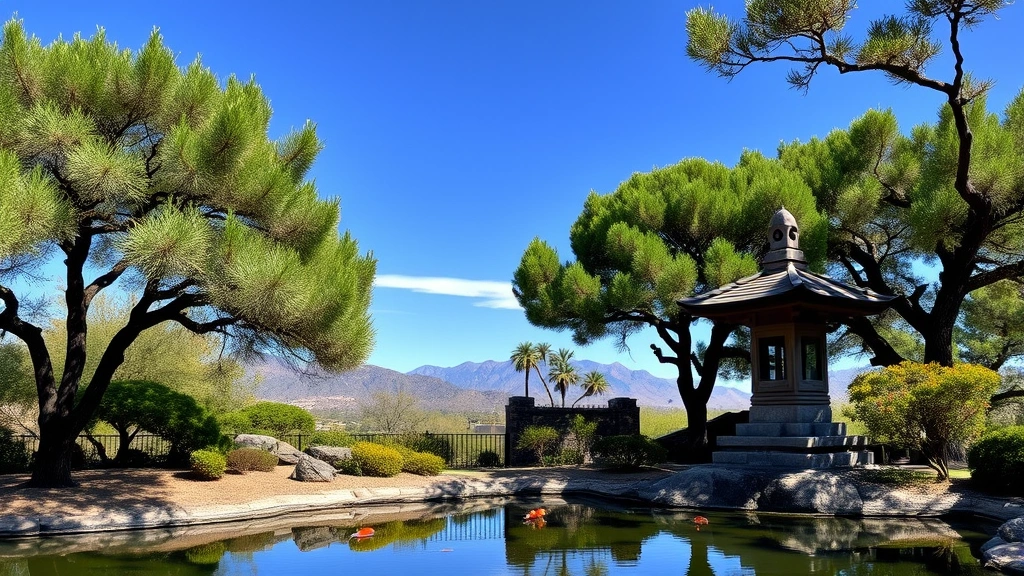
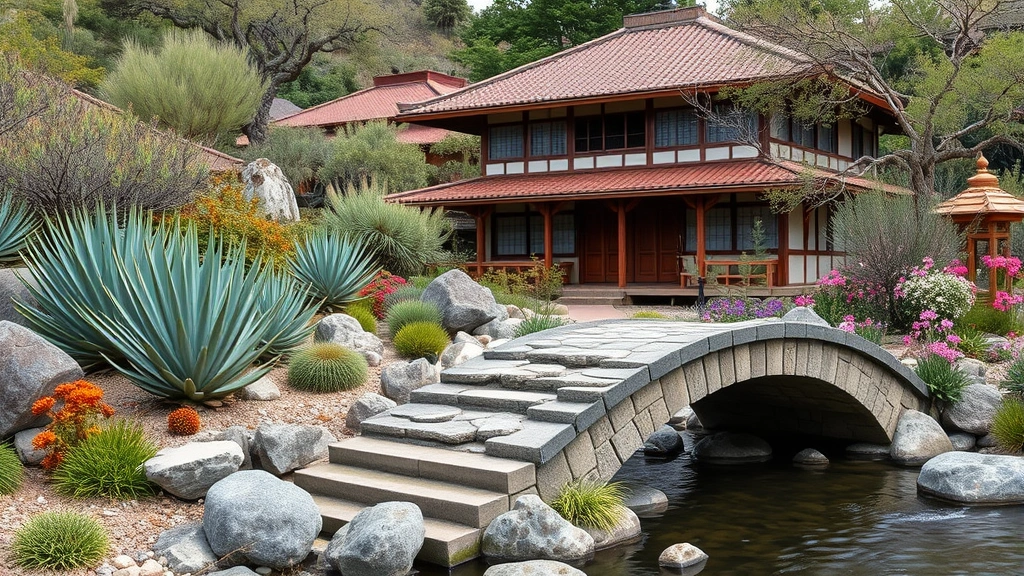
The Japanese Friendship Garden encompasses multiple distinct areas, each showcasing different aspects of traditional Japanese landscape design. The main tea garden features an authentic tea house where visitors can observe or participate in tea ceremonies, connecting botanical appreciation with cultural tradition. The design incorporates carefully selected specimen plants, water features, and stone placements that create visual harmony and encourage contemplative walking.
A stroll garden winds through the property, featuring strategically placed viewing points that frame different compositions. This design principle—creating intentional vistas—demonstrates how thoughtful plant placement and hardscape elements work together. The garden includes a koi pond with naturalistic edges, bridges positioned to enhance perspectives, and carefully pruned trees that frame distant views. These elements reveal sophisticated understanding of spatial design principles applicable to residential gardens of any size.
The garden’s vertical elements deserve particular attention. Trained vines, espaliered fruit trees, and tall specimen plants create height variation without requiring vast square footage. For those interested in maximizing small spaces, studying how Japanese designers use vertical garden techniques proves invaluable. Stone lanterns, pagodas, and carefully positioned rocks serve both aesthetic and philosophical functions, grounding the landscape in cultural significance.
Water features constitute a central design component. Whether flowing streams, still ponds, or decorative fountains, water provides visual movement, cooling effects in the desert climate, and symbolic representation of life’s continuous flow. The sound of water creates an auditory dimension that enhances relaxation and encourages visitors to slow their pace.
Desert-Adapted Plants in Japanese Gardens
One of the most impressive aspects of the Japanese Friendship Garden involves its plant selection strategy. Rather than attempting to recreate a moisture-intensive Japanese garden in Arizona’s arid climate, designers selected desert-adapted species that fulfill similar aesthetic and functional roles. This approach demonstrates sophisticated horticultural knowledge and provides valuable lessons for home gardeners seeking to start a flower garden in challenging climates.
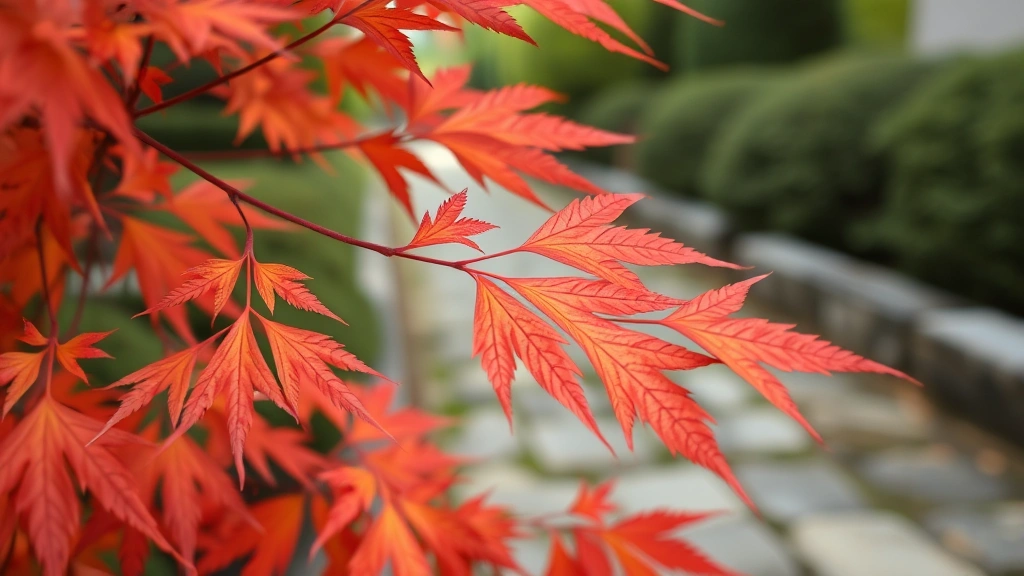
Native and adapted plants create the garden’s visual structure. Desert-adapted maples provide elegant branching patterns and seasonal color changes. Japanese black pines, though traditionally temperate, thrive with proper irrigation and placement in partially shaded locations. Desert rose (Adenium obesum) offers delicate flowers and sculptural forms reminiscent of traditional Japanese specimens. Agave and other succulents serve roles similar to their temperate counterparts, providing strong structural forms and year-round interest.
The understory features shade-tolerant species crucial for creating depth and complexity. Desert-adapted shade plants create cool, intimate spaces beneath tree canopies. Ground covers including desert-adapted sedums, salvias, and native perennials provide texture and color variation. These selections demonstrate that shade garden plants need not be limited to traditional moisture-loving species—desert shade gardens offer unique opportunities for creative combinations.
Seasonal plant selections showcase different aspects throughout the year. Spring brings flowering specimens including desert wildflowers that honor Arizona’s native heritage. Summer foliage becomes the focus, with textures and leaf colors providing visual interest when blooms diminish. Fall offers subtle color changes and seed development. Winter reveals the garden’s structural elements—branching patterns, bark textures, and evergreen forms—creating a different but equally compelling aesthetic.
Design Inspiration for Home Gardens
Visiting the Japanese Friendship Garden provides practical inspiration for home gardeners of all skill levels. The fundamental principles underlying Japanese garden design—simplicity, balance, asymmetry, and connection to nature—translate beautifully to residential landscapes regardless of cultural theme or climate zone.
The principle of borrowed scenery (shakkei) involves incorporating distant views into garden composition. In home gardens, this might mean positioning a seating area to frame a neighbor’s mature tree, distant mountains, or even sky views. This technique expands perceived garden space and creates connections to the broader landscape.
Negative space proves equally important as planted areas. Japanese gardens demonstrate how empty spaces, paths, and viewing areas create rhythm and prevent visual overwhelm. Rather than filling every square inch with plants, thoughtful spacing allows individual specimens to shine and creates contemplative zones. This principle particularly benefits small urban gardens and helps gardeners understand that garden tools and materials work best when applied with restraint and intention.
Stone placement teaches valuable lessons about hardscape integration. Rocks serve practical functions (pathways, edging, water feature borders) while providing sculptural interest. Selecting stones with interesting textures, colors, and weathering patterns creates visual richness without requiring elaborate construction.
Water features, even small ones, dramatically enhance garden atmosphere. A modest basin, small fountain, or birdbath incorporates water’s visual and auditory benefits without requiring extensive installation. The garden demonstrates how water movement guides visitors’ attention and creates focal points.
Plant selection strategies learned from the garden apply directly to home landscape planning. Observing how the garden uses a limited palette of carefully selected species—rather than attempting to include every available plant—provides valuable guidance. This approach reduces maintenance demands, creates visual coherence, and allows individual plants to develop fully.
Seasonal Considerations for Phoenix Visitors
Phoenix’s extreme seasonal variations significantly impact garden visiting experiences and plant performance. Understanding these patterns helps visitors plan optimal visit timing and provides insights into desert gardening realities.
Winter (November-February) offers ideal visiting conditions. Daytime temperatures range from 60-75°F, permitting comfortable extended exploration. Plants display winter interest, and the garden’s structural elements become more prominent. This season attracts the most visitors, so arriving early ensures parking availability and a more peaceful experience.
Spring (March-May) brings warming temperatures and increased blooming activity. Desert wildflowers peak in March-April, creating spectacular color displays. By May, temperatures begin climbing toward uncomfortable levels, making early morning visits particularly appealing. Spring represents a transition period where the garden shifts from structural winter appeal to floral abundance.
Summer (June-August) presents challenges for both visitors and plants. Temperatures regularly exceed 110°F, and the garden restricts hours to early morning only. However, this season reveals heat-tolerant plant selections and demonstrates sophisticated irrigation strategies. Dedicated gardeners visiting during summer gain valuable insights into desert plant resilience. The garden becomes quieter, offering intimate exploration opportunities for those tolerant of heat.
Fall (September-October) begins cooling trends while maintaining summer’s heat initially. By October, comfortable temperatures return, and plants prepare for dormancy. This transition period offers interesting perspectives on seasonal plant responses and preparation for winter.
Seasonal considerations extend to garden maintenance visibility. Winter and spring show intensive pruning, shaping, and seasonal plantings. Summer focuses on survival and heat management. Fall emphasizes preparation and cleanup. Observing these maintenance cycles provides valuable lessons for home gardeners managing their own seasonal tasks.
FAQ
What is the best time to visit the Japanese Friendship Garden of Phoenix?
Winter months (November-February) offer the most comfortable temperatures and longest operating hours. Early morning visits during any season provide cooler conditions, softer light, and fewer crowds. Spring brings peak wildflower blooms, though temperatures warm considerably by May.
Are children allowed in the Japanese Friendship Garden?
Yes, children are welcome and receive discounted admission. The garden provides educational opportunities about Japanese culture and horticultural principles. Peaceful environments encourage children to develop observation skills and appreciation for natural beauty. However, the garden’s contemplative nature and water features require parental supervision of young children.
Can I take photographs in the garden?
Personal photography is generally permitted throughout the garden. The scenic compositions and seasonal variations provide excellent photo opportunities. However, commercial photography or film production requires special permits and prior arrangement with garden administration.
Is the Japanese Friendship Garden accessible for people with mobility limitations?
The garden includes paved pathways accommodating wheelchairs and mobility devices, though some areas involve slight inclines. Visitors with specific accessibility concerns should contact the garden directly to discuss particular needs and identify optimal routes through the property.
How long should I plan for my visit?
Most visitors spend 1-2 hours exploring the garden, though this varies based on individual interests and photography time. Guided tours typically last 60-90 minutes. Leisurely visits with tea ceremony participation or extended photography can extend to 3+ hours.
Can I combine my garden visit with other Phoenix gardening activities?
Absolutely. The Phoenix area offers excellent community garden opportunities, botanical institutions, and nurseries featuring desert plants. Desert Botanical Garden, located in nearby Papago Park, provides complementary horticultural experiences. Local extension services and master gardener programs offer workshops on desert gardening techniques applicable to home landscapes.
What should I bring to my visit?
Wear comfortable walking shoes suitable for paved pathways. Sunscreen and a hat protect against Arizona’s intense sun, particularly during warmer months. A water bottle maintains hydration, especially during summer visits. A camera or smartphone captures design inspiration and memorable moments. Consider bringing a small notebook to sketch ideas or record plant names for future reference.
Are there dining options at the garden?
The tea house offers traditional Japanese tea and light refreshments. However, the garden does not include a full restaurant. Visitors should plan accordingly, particularly for extended visits during warm months when hydration becomes critical.