How to Prevent Moles in Your Garden: Expert Solutions and Prevention Strategies
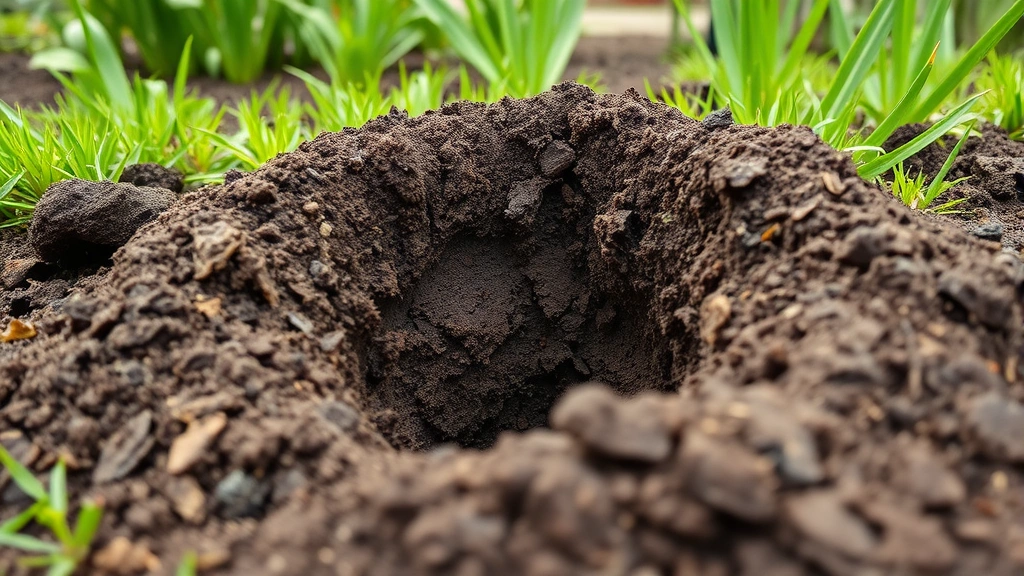
Moles can wreak havoc on even the most carefully maintained garden, creating unsightly tunnels and mounds that damage plant roots and ruin the aesthetic appeal of your landscape. These burrowing mammals are attracted to gardens rich in soil organisms like grubs and earthworms, making well-cultivated beds prime targets for invasion. Understanding how moles operate and implementing effective prevention strategies is essential for protecting your investment in gardening.
The good news is that you don’t need to resort to extreme measures to keep moles at bay. By combining multiple deterrent methods and addressing the underlying factors that attract these creatures, you can create an environment where moles are far less likely to establish themselves. This comprehensive guide walks you through proven expert solutions that actually work, from environmental modifications to targeted interventions.
Understanding Mole Behavior and Garden Damage
Before implementing prevention strategies, it’s crucial to understand why moles are attracted to gardens in the first place. Moles are insectivores that tunnel through soil searching for grubs, earthworms, and other invertebrates. A healthy garden with rich organic matter and adequate moisture creates an ideal habitat for these soil organisms, which inadvertently makes your garden attractive to moles.
The damage moles cause extends beyond visual surface tunnels. Their burrows can damage plant roots, create tripping hazards, and disrupt the structural integrity of raised garden beds. Deep tunnels can also allow water to drain away from plant root zones, causing drought stress during dry periods. Recognizing fresh tunnel systems early allows you to intervene before populations become established.
Moles are mostly solitary creatures, so typically one mole creates the damage you observe. However, during breeding season (spring), multiple moles may share territory, and young moles disperse in summer, increasing the likelihood of new invasions. Understanding these seasonal patterns helps you time prevention efforts for maximum effectiveness.
Remove Mole Food Sources
The most effective long-term mole prevention strategy targets their food supply. Since moles primarily hunt grubs, reducing grub populations makes your garden significantly less attractive. Japanese beetle grubs, June beetle grubs, and other white grubs are primary mole attractants, so controlling these insects addresses the root cause of mole problems.
Grub Control Methods:
- Apply beneficial nematodes (Heterorhabditis and Steinernema species) to soil in late summer or early fall when grubs are actively feeding near the surface
- Use milky spore fungus (Bacillus popilliae), which persists in soil and provides years of Japanese beetle grub control
- Apply neem oil or spinosad-based insecticides following label directions for target grubs
- Encourage natural predators like birds and beneficial beetles by maintaining diverse plantings
- Reduce lawn irrigation, as moles prefer moist soil with abundant grubs
Beyond grubs, moles also consume earthworms, which are beneficial for soil health. While you don’t want to eliminate earthworms entirely, maintaining moderate populations rather than extremely high earthworm densities can help deter moles. Reducing excessive organic matter incorporation and avoiding over-watering helps balance earthworm populations naturally.
When growing vegetables in containers, you’re less likely to attract moles since potting soil lacks the grub populations found in ground-level garden beds. Container gardening offers an excellent alternative if mole pressure becomes overwhelming.
Install Physical Barriers
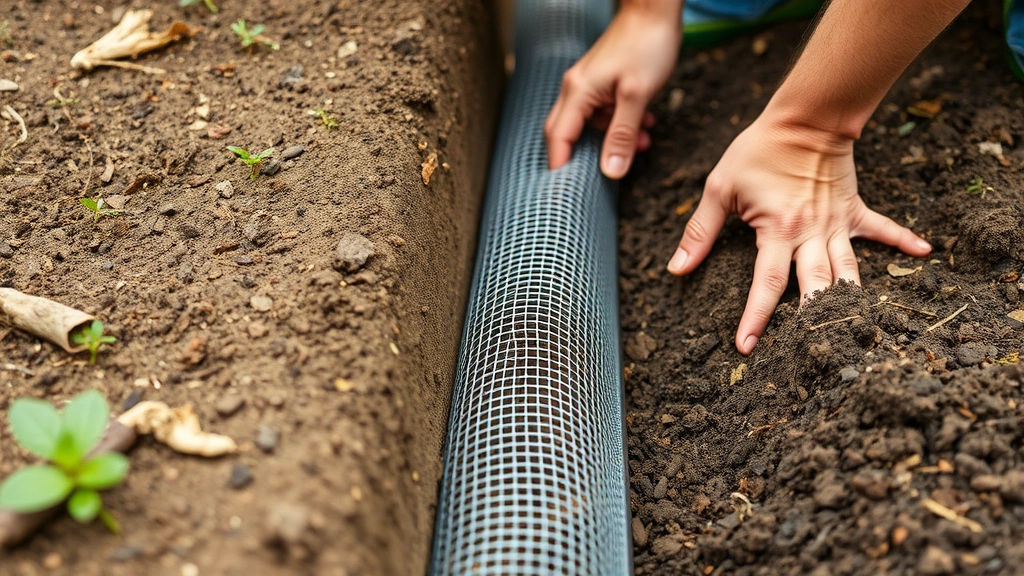
Physical barriers create a permanent solution by preventing moles from accessing garden areas entirely. Underground fencing or mesh installation requires effort but provides reliable protection for high-value plantings and vegetable gardens.
Barrier Installation Guidelines:
- Dig trenches 6-8 inches deep around garden perimeters
- Install 1/4-inch hardware cloth or galvanized mesh, ensuring it extends 6 inches below soil surface
- Bend the top 2-3 inches of mesh outward at a 90-degree angle to prevent moles from climbing over
- Overlap mesh sections by at least 6 inches and secure with landscape staples
- Cover mesh with soil, leaving the upper lip visible or slightly buried
For raised beds, install mesh barriers before filling with soil. This approach works exceptionally well for container gardens and raised bed systems, protecting your investment completely. The initial installation effort pays dividends over multiple growing seasons.
When edging gardens with stones, consider installing mesh barriers beneath the edging before placing stones. This dual approach combines aesthetic appeal with functional mole protection.
Use Sonic and Vibration Deterrents
Sonic and vibration-based mole deterrents work by creating an uncomfortable environment that encourages moles to tunnel elsewhere. These devices emit ultrasonic sounds or vibrations that disturb moles without harming them or beneficial garden organisms.
Types of Vibration Deterrents:
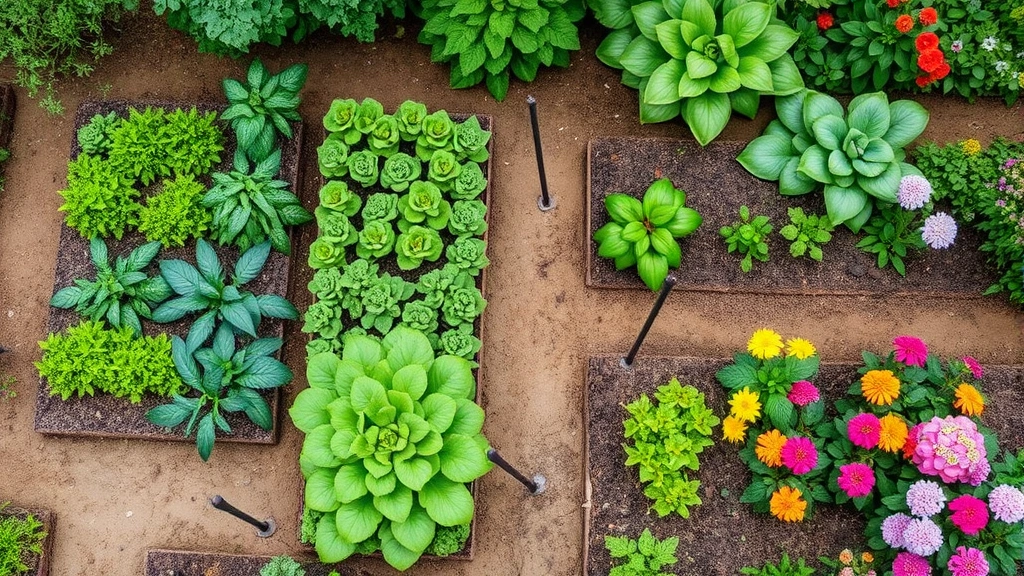
- Solar-powered sonic stakes: Drive stakes into soil where they vibrate at intervals throughout the day, creating vibrations that travel through soil
- Wind-powered pinwheels: Spinning blades create vibrations when wind moves them, providing continuous deterrent action
- Electric vibration devices: Plug-in or battery-powered units create consistent vibrations in a defined radius
- Ultrasonic emitters: Emit high-frequency sounds designed to repel moles (effectiveness varies by brand)
The effectiveness of vibration deterrents depends on consistent operation and proper placement. Moles may become accustomed to static vibration patterns, so rotating device locations monthly or using multiple deterrent types simultaneously increases effectiveness. Many gardeners report best results when combining vibration deterrents with other prevention methods rather than relying on them exclusively.
Solar-powered options eliminate battery replacement concerns and provide eco-friendly deterrent action throughout the growing season. Position devices in mole-infested areas and along tunnel systems you’ve identified. Results typically become apparent within 2-4 weeks as moles relocate to quieter territories.
Apply Natural Repellents
Natural repellents create unfavorable conditions that encourage moles to seek alternative habitats. These substances work through smell, taste, or soil modification rather than toxins, making them safe for organic gardens and areas with children and pets.
Effective Natural Repellents:
- Castor oil: Mix castor oil with water and dish soap, apply to soil surface and water in deeply. Moles dislike the taste and smell, encouraging tunnel relocation
- Garlic and cayenne pepper: Create a paste with garlic cloves, cayenne pepper, and water, then water into affected areas
- Plant-based deterrents: Plant daffodils, marigolds, and garlic around garden perimeters; their natural compounds repel moles
- Coffee grounds: Work spent coffee grounds into soil surface; acidic properties and smell deter moles
- Predator urine: Commercial products containing fox or coyote urine signal predator presence, encouraging moles to avoid treated areas
Castor oil treatments typically require reapplication every 4-6 weeks or after heavy rainfall. The most effective approach involves combining multiple natural repellents with other prevention strategies. Planting marigolds and garlic throughout garden beds provides both pest deterrent benefits and harvesting opportunities.
When applying natural repellents, ensure thorough soil incorporation for maximum effectiveness. Surface applications wash away with irrigation or rain, reducing their deterrent impact. Work repellents into the top 3-4 inches of soil where moles actively tunnel.
Modify Your Soil Environment
Creating soil conditions that are less attractive to moles and their food sources represents a proactive, long-term prevention strategy. Moles prefer moist, well-cultivated soil rich in organic matter, so adjusting these factors naturally discourages establishment.
Soil Modification Strategies:
- Reduce watering frequency: Moles favor moist soil with abundant grubs; allow soil to dry slightly between waterings
- Compact soil strategically: Moles avoid hard-packed soil; rolling or tamping pathways and perimeters creates barriers
- Add coarse materials: Incorporate sharp sand, gravel, or crushed rock into soil; moles dislike tunneling through abrasive materials
- Balance organic matter: Avoid excessive compost or aged manure incorporation, which supports high earthworm populations
- Adjust pH levels: Moles prefer slightly acidic soil; lime application may make soil less attractive
This approach requires patience, as environmental changes take time to discourage established mole populations. However, combined with other prevention methods, soil modification creates cumulative deterrent effects. New gardeners planning installations can incorporate these principles from the start, preventing mole problems before they develop.
When establishing soil for raised garden beds, consider mole prevention during initial bed construction. Incorporate coarse sand or fine gravel into the bottom layers, creating an abrasive base layer that discourages tunneling.
Professional Removal Options
When prevention methods prove insufficient or mole populations become severe, professional removal services offer effective solutions. Licensed wildlife control specialists have access to methods and expertise beyond homeowner capabilities.
Professional Approaches:
- Trapping: Professionals use specialized mole traps positioned in active tunnels for humane removal
- Fumigation: Toxic gas treatments eliminate moles in tunnels; professionals ensure safety and proper application
- Exclusion services: Professional installation of barriers and exclusion devices provides comprehensive protection
- Habitat modification: Specialists assess your property and recommend grub control, irrigation changes, and environmental adjustments
Professional removal costs typically range from $300-$1,000 depending on property size and infestation severity. Many services offer guarantees and follow-up visits to ensure complete elimination. This investment often proves worthwhile for severe infestations or high-value landscapes.
Contact your local wildlife control association or county extension office for licensed professional recommendations. Verify credentials and ask about treatment guarantees before hiring services.
FAQ
What time of year are moles most active in gardens?
Moles are active year-round but become most visible in spring (March-May) and fall (September-November) when soil moisture is optimal. Summer and winter activity decreases as moles burrow deeper. Spring represents the best time for prevention efforts, as you can intercept new populations before they establish.
Can I use poison or toxic baits to eliminate moles?
Moles are carnivores that eat insects, not plant material, making grain-based poison baits ineffective. Some commercial toxic baits target grubs rather than moles directly. Check local regulations before using any toxins, as many areas restrict or prohibit mole poisoning. Consult your county extension office for legal options in your region.
Do ultrasonic mole deterrents actually work?
Ultrasonic deterrent effectiveness remains debated among experts. Some gardeners report success, while scientific studies show mixed results. Vibration-based deterrents using mechanical vibrations through soil generally show better results than ultrasonic-only devices. Combining multiple deterrent types produces better outcomes than relying on any single method.
Will moles damage my vegetable garden or fruit plants?
Moles themselves don’t eat plants, but their tunneling disturbs plant roots and creates channels for other pests. However, damage to vegetables and fruits occurs primarily from root disruption rather than direct mole feeding. Installing physical barriers around high-value plantings provides the most reliable protection for vegetable gardens and fruit production areas.
How deep do moles tunnel, and can they reach raised beds?
Moles create two tunnel types: shallow feeding tunnels (1-2 inches deep) used for daily foraging and deep burrows (6-12 inches) for nesting and winter refuge. Raised beds sitting directly on ground are vulnerable to mole invasion from below. Installing mesh barriers before filling raised beds prevents underground access completely.
What should I do if I find an active mole tunnel?
Mark active tunnels with flags or stakes, then apply deterrents or install traps along the tunnel line. Flatten the tunnel and monitor for rebuilding; fresh mounds indicate active use. Concentrate prevention efforts in areas with the highest mole activity for maximum effectiveness.
Can beneficial nematodes eliminate moles?
Beneficial nematodes target grubs and other soil organisms that moles eat, reducing food availability rather than eliminating moles directly. This indirect approach works best as part of a comprehensive prevention strategy combining multiple methods. Nematode applications require consistent moisture and take 4-6 weeks to show full effectiveness.
Are there companion plants that repel moles?
Daffodils, garlic, marigolds, and castor bean plants produce compounds that repel moles. Planting these throughout garden beds provides ongoing deterrent benefits while offering harvesting opportunities. Concentrated plantings around garden perimeters create natural barriers that discourage mole establishment and tunnel entry points.


